What to Do When the Reception Starts Late
It happens at half the weddings I play: the ceremony runs long, traffic snarls, or photos take forever, and suddenly the reception starts late. Your stomach drops and you picture the whole night falling apart. Take a breath — it’s completely fixable. A late start almost never ruins a wedding. What ruins it is panicking and making rushed calls. Here’s exactly how to recover the timeline, decide what to trim, and still send your Dearborn guests home talking about the dance floor.
In this article
First, don’t panic (why it’s fine)
Let’s start with the truth that saves the night: a late start feels like a disaster to you, but your guests barely notice. They don’t have your schedule memorized. As long as there’s food, music, and a room that feels alive, they’re having a great time no matter what the clock says.
So the moment you realize the reception starts late, resist the urge to rush everything at once. Rushing is what causes real problems — skipped moments, flustered vendors, a blurry night you can’t remember. Instead, pause and make a few calm decisions with your DJ and coordinator. Five minutes of clear thinking saves the whole evening.
Here’s the mindset that helps: you’re not trying to win back every lost minute. You’re trying to protect the moments that matter and let go of the ones that don’t. Once you accept that, the pressure drops and the fixes get obvious.
Why receptions run late in the first place
Knowing the usual causes helps you stay ahead of them. Most late starts trace back to a handful of predictable culprits, and none of them are your fault.
The ceremony ran long. A heartfelt officiant, an extra reading, or a big processional can quietly add fifteen minutes. Multiply that by a cocktail hour that also drifts, and you’re a half hour behind before dinner.
Photos took over. Family formals are the number-one timeline thief. “Just a few more” turns into forty minutes, and the reception can’t really begin until you walk in.
Travel and traffic. If your ceremony and reception are at different spots — common around Dearborn with venues spread from Michigan Ave to the Ford estate area — a slow shuttle or a wrong turn eats the buffer you thought you had.
The point isn’t to assign blame — it’s to see that a late start is normal, not a catastrophe. According to WeddingWire’s reception timeline advice, building a cushion into each block is the single best defense, but even the best plan slips sometimes.
What to cut and what to protect
Now the important part: deciding what gives. When you’re behind, you make time by trimming, not by rushing every single item. Some things are sacred; others can shrink or vanish and no one will miss them.
Protect these: your grand entrance, first dance, parent dances, and open dancing. These are the emotional peaks and the reason people came. Never sacrifice dancing time to squeeze in a formality — that’s backwards.
Trim or cut these: long slideshows, extra toasts beyond the key few, a drawn-out cake ceremony, and games. A four-speech lineup can become two. A ten-minute anniversary dance can become a quick shout-out. Little cuts add up fast.
When the reception starts late, you don’t rush the whole night — you protect the moments people remember and quietly trim the ones they won’t.
The trick is knowing this before the night, at least loosely. Rank your must-haves ahead of time so that if you fall behind, the decision is already made and nobody’s debating it on the fly.
Key takeaway: A late start is recoverable almost every time. Stay calm, protect dancing and the big emotional moments, and trim the extras — slideshows, surplus toasts, games. Let your DJ and coordinator condense the rest so guests never feel the crunch.
How to condense the formalities fast
Here’s what a lot of couples miss: you can stack formalities to reclaim big chunks of time without cutting anything meaningful. The secret is combining moments instead of running them one at a time with gaps between.
One of my favorite recovery moves is the “entrance into first dance.” Instead of a grand entrance, then seating, then waiting, then a first dance later, I roll your entrance straight into your first dance. The room’s already on its feet cheering — so you dance right then. Two moments become one, and you just saved fifteen minutes.
You can do the same with toasts during dinner service, or a cake cutting that flows right into open dancing. Every time you connect two moments, you erase a transition and the lull that hides in it. Done well, a condensed timeline actually feels tighter and more exciting than the original.
One more recovery trick: shorten the runway, not the party. If you’re behind, trim the cocktail-hour tail or start dinner service a touch quicker rather than cutting into your open dancing. Guests came to celebrate with you, and dancing is where that happens — so I protect it fiercely. When we have to claw back fifteen minutes, I’d rather find it in the quieter, transitional parts of the night than anywhere near the floor. That single rule keeps a late start from ever touching the fun.
How your DJ rebuilds the flow live
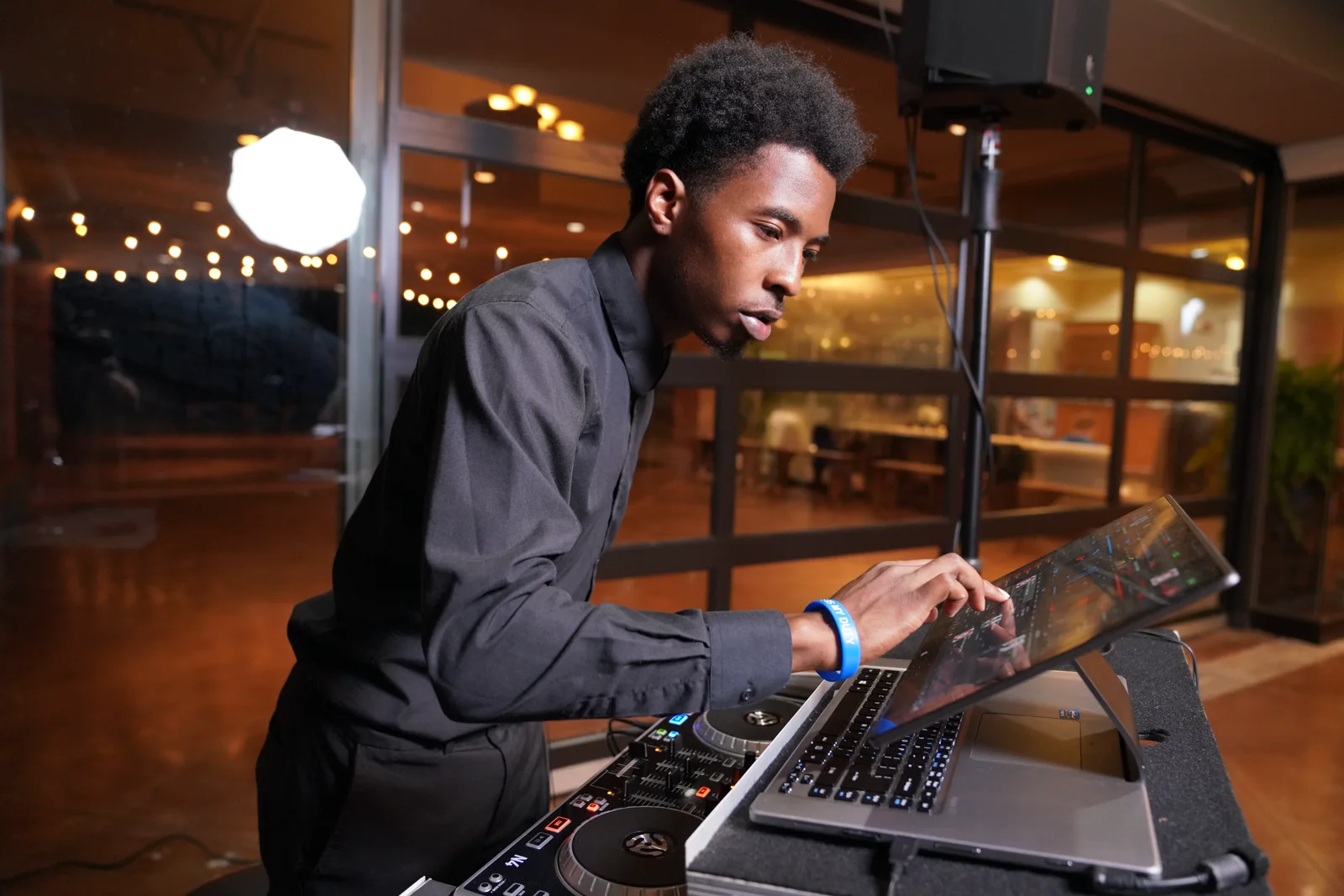
This is where an experienced DJ is worth their weight in gold. When the reception starts late, I’m not just playing music — I’m rebuilding the whole running order on the fly with your coordinator, so you can stay in the moment.
The second I know we’re behind, I do a quick huddle: what’s the new hard end time, what’s protected, what’s getting cut. Then I re-sequence everything and handle the announcements so the room never senses the scramble. To your guests, it just looks like a smooth, well-run night. That calm on the mic is half the job.
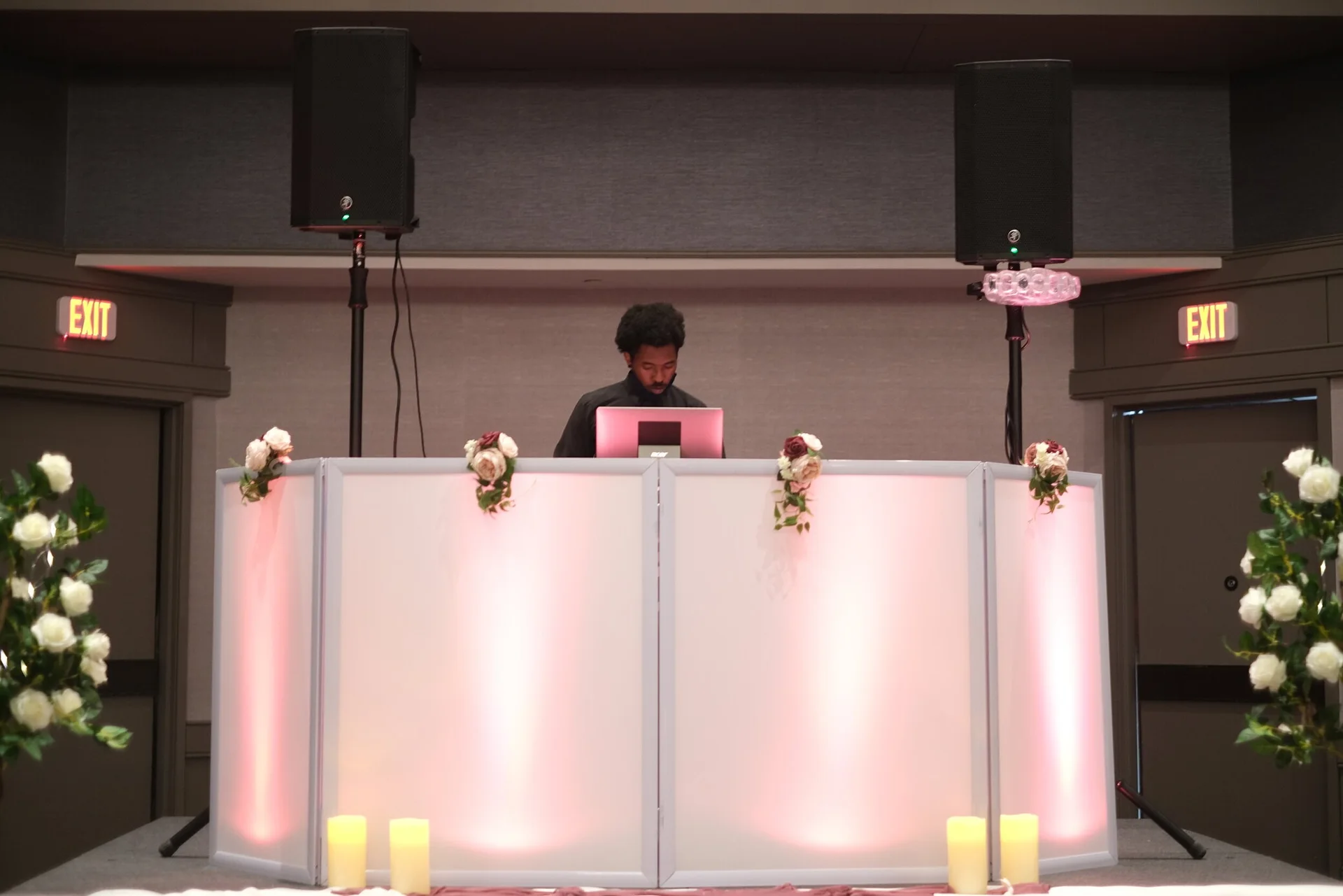
I also keep the energy up while decisions get made. A little more music, a well-timed line on the mic, and nobody’s standing around wondering what’s happening. If you want to see how I run a reception from entrance to last call, my wedding DJ services page lays out the whole approach.
How to prevent a late start next time
Prevention beats recovery, so let’s talk defense. Most late starts are avoidable with a little padding and a lot of communication up front.
Build buffers into every block — ten minutes on the ceremony, ten on photos, ten on travel. If nothing goes wrong, you’re pleasantly early. If something does, you absorb it without touching the party. Also, knock out as many photos as possible before the ceremony so cocktail hour doesn’t run long.
Most of all, make sure your vendors talk to each other. When your DJ, photographer, and coordinator share one timeline and one phone thread, small delays get flagged early and fixed before they snowball. For more planning help, browse more wedding tips as you map out your day.
Recovering the night in Dearborn
Dearborn has some gorgeous venues, and a late start won’t dim any of them. Whether you’re celebrating near Fairlane, at a banquet hall off Ford Road, or a community space downtown, the recovery playbook is the same: stay calm, protect the peaks, trim the extras, and let your team condense the rest. For a local look at venues and how I run the night here, my Dearborn wedding guide walks through the whole day.
The single best insurance is a DJ who’s handled late starts a hundred times and doesn’t blink. When one bump throws the schedule, experience turns panic into a two-minute reset. Resources like The Knot’s timeline guide are great for planning the ideal version — but the real skill is bending that plan gracefully when the day has other ideas.
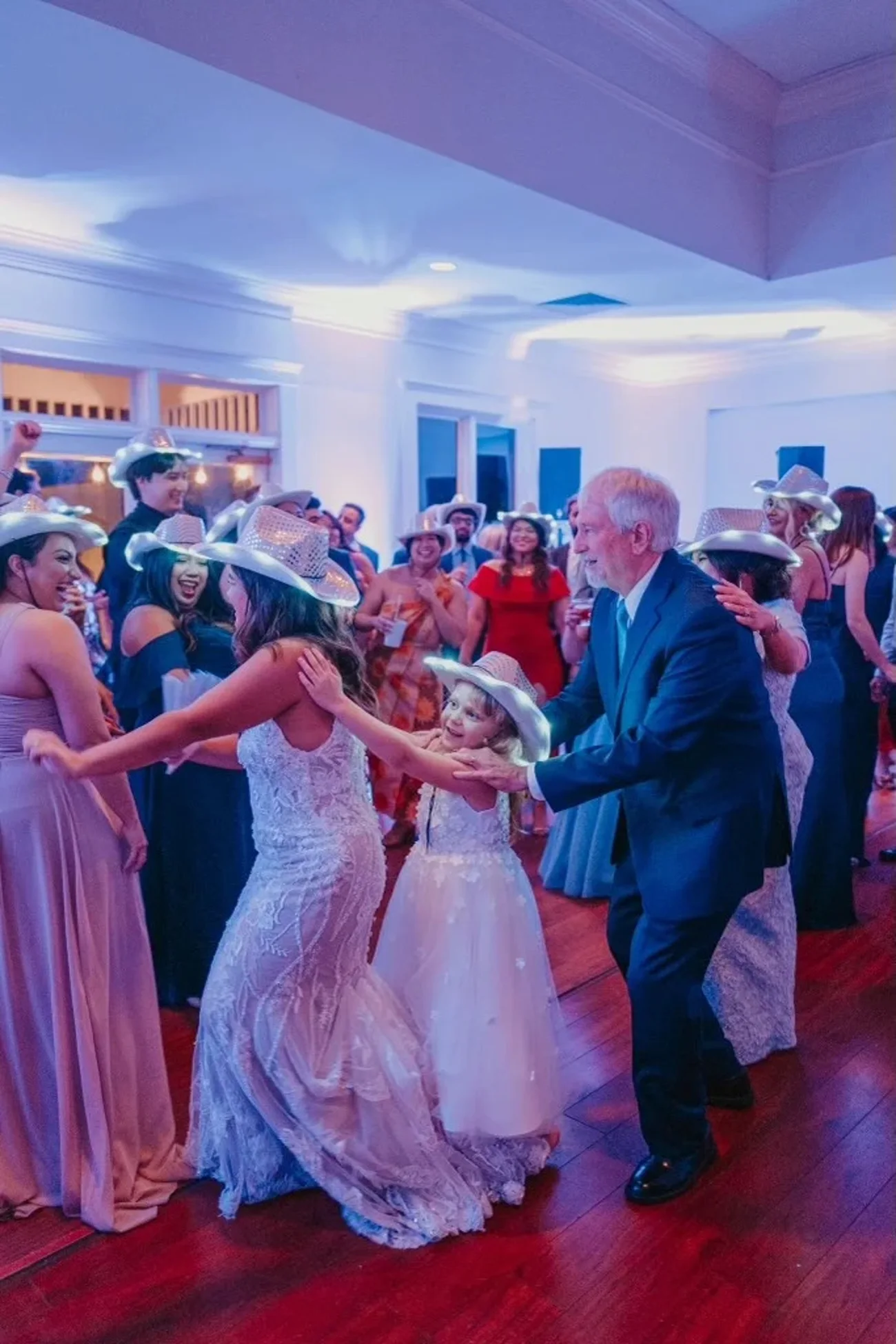
Bottom line: a reception that starts late can still be the best night of your life. The clock is not the boss of your celebration — the energy in the room is. Want a DJ who keeps that energy locked in no matter what the day throws at you? You can meet your DJ and we’ll build a plan with enough flex to handle anything. Late start or not, your floor is getting packed.