Cocktail Hour Genres for Great Background
Cocktail hour has one job: keep the room warm and chatting while photos wrap up. Pick the right cocktail hour genres and guests feel a gentle pulse in the air without ever having to shout over it. Pick the wrong ones and you either flatten the room or blast it out of conversation. The sweet spot is background music that’s felt more than heard — and jazz is where I almost always start. Let’s walk through the genres that set a great mood before dinner, how to mix them, and how to match the sound to your crowd in Dearborn.
In this article
What cocktail hour music is really for
Before we talk genres, let’s be clear on the goal. Cocktail hour music is not there to grab attention. It’s there to give the room a heartbeat so guests feel the celebration has started while they mingle. The best cocktail hour genres support conversation instead of competing with it.
That means two rules guide every pick. First, it should have a warm, easy pulse — something with life but not something that demands you stop and listen. Second, it should sit at a volume where people talk normally. Get those two right and almost any style can work. Get them wrong and even a perfect playlist falls flat.
So as we go through the options, keep that filter in mind. We’re not building a dance set here. We’re building a mood — the audio version of soft lighting and a good drink in your hand.
Jazz: the safe, classy default
If you’re not sure where to start, start with jazz. It’s the reliable choice for a reason. Instrumental jazz fills a room with warmth, feels elegant without trying too hard, and almost never clashes with conversation. From smooth standards to a light bossa nova groove, jazz just works.
What I love about jazz for cocktail hour is its range. Want something classic and formal? Lean into piano trios and soft horns. Want a little more life? A brushed-drum swing tune keeps toes tapping without pulling anyone to a dance floor that isn’t open yet. It flexes to fit the room.
Jazz also plays beautifully with almost every venue in the Dearborn area, from a ballroom to a garden terrace. It reads as “grown-up celebration” the second guests walk in. If you only picked one genre and never touched the volume again, jazz would carry the whole hour just fine. The Smithsonian’s jazz history overview is a fun rabbit hole if you want to understand why the style feels so timeless.
Soul and Motown: warm and local
Here in the Detroit area, you can’t talk background music without talking Motown. Turned down low, classic soul and Motown are pure gold for cocktail hour. They carry warmth and a little nostalgia, and because we’re minutes from where that sound was born, it hits home for a lot of guests.
The trick is keeping it mellow. You want the smoother side of soul — the songs that make an older guest smile and a younger one nod along, all without anyone feeling like it’s time to dance yet. Marvin Gaye at a low simmer beats a barn-burner at this stage of the night.
Soul also blends naturally with jazz, which makes your job easier. You can slide from a jazz standard into a soft soul groove and back without anyone noticing a seam. That easy overlap is exactly why these two genres anchor most of my cocktail sets. For couples who want a Detroit-rooted feel, this pairing does a lot of quiet work.
The best cocktail hour sound feels like the room itself — warm, local, and easy to talk over. In our corner of Michigan, that almost always means a little jazz and a little Motown.
Acoustic and indie: light and modern
Want something a touch more current? Acoustic and light indie fit the bill. Stripped-back covers, soft singer-songwriter tracks, and gentle indie-folk give the room a fresh, modern feel while still staying out of the way of conversation.
This is a great pick for couples who love newer music but don’t want pop hits blaring during cocktails. An acoustic version of a song people know gets a quiet “oh, I love this” without ever pulling focus. It’s familiar and easy, which is the whole point.
One caution: keep it truly mellow. Some indie tracks build to big, loud choruses that suddenly fill the room and stop conversation cold. Preview your picks or lean on a DJ who knows which versions stay soft. When it’s done right, acoustic and indie feel effortless and current at the same time.
Key takeaway: Great cocktail hour genres share three traits — a warm pulse, a mellow volume, and no big loud moments that stop the room. Jazz and soul are the safest anchors, with acoustic, indie, and global touches to make the set feel like you. Build the mood, not the dance floor.
Global and Arabic touches for Dearborn
Dearborn is home to one of the largest Arab American communities in the country, and I love weaving that heritage into a cocktail set when it fits a couple’s family. A few soft, instrumental Arabic or Middle Eastern tracks can make guests feel truly seen — and they blend beautifully with the warm, easy mood we’re building.
The same idea works for any culture. A little Italian standard, a soft Latin bolero, a gentle Afrobeat groove — sprinkling in music that reflects your family adds a personal touch that generic playlists never will. Guests notice, and it sets a welcoming tone for the whole night.
The key is balance. You’re not switching the whole hour to one tradition; you’re adding threads that make the room feel like your celebration. When I plan a cocktail set for a Dearborn wedding, I always ask what songs would make the grandparents smile. Those picks are often the ones people remember. To see how I handle the full flow of a wedding, my wedding DJ page lays it all out.
How to blend genres without a jarring shift
Here’s what a lot of couples miss: the magic isn’t in one genre, it’s in the blending. You don’t want cocktail hour to sound like a radio flipping stations. You want one smooth, connected mood that happens to draw from a few styles.
The way I do it is by matching tempo and warmth, not genre. A soft jazz tune, a low soul groove, and a mellow acoustic cover can all live in the same set because they share the same feel. When two songs share a mood, the switch between them disappears. That’s the whole trick.
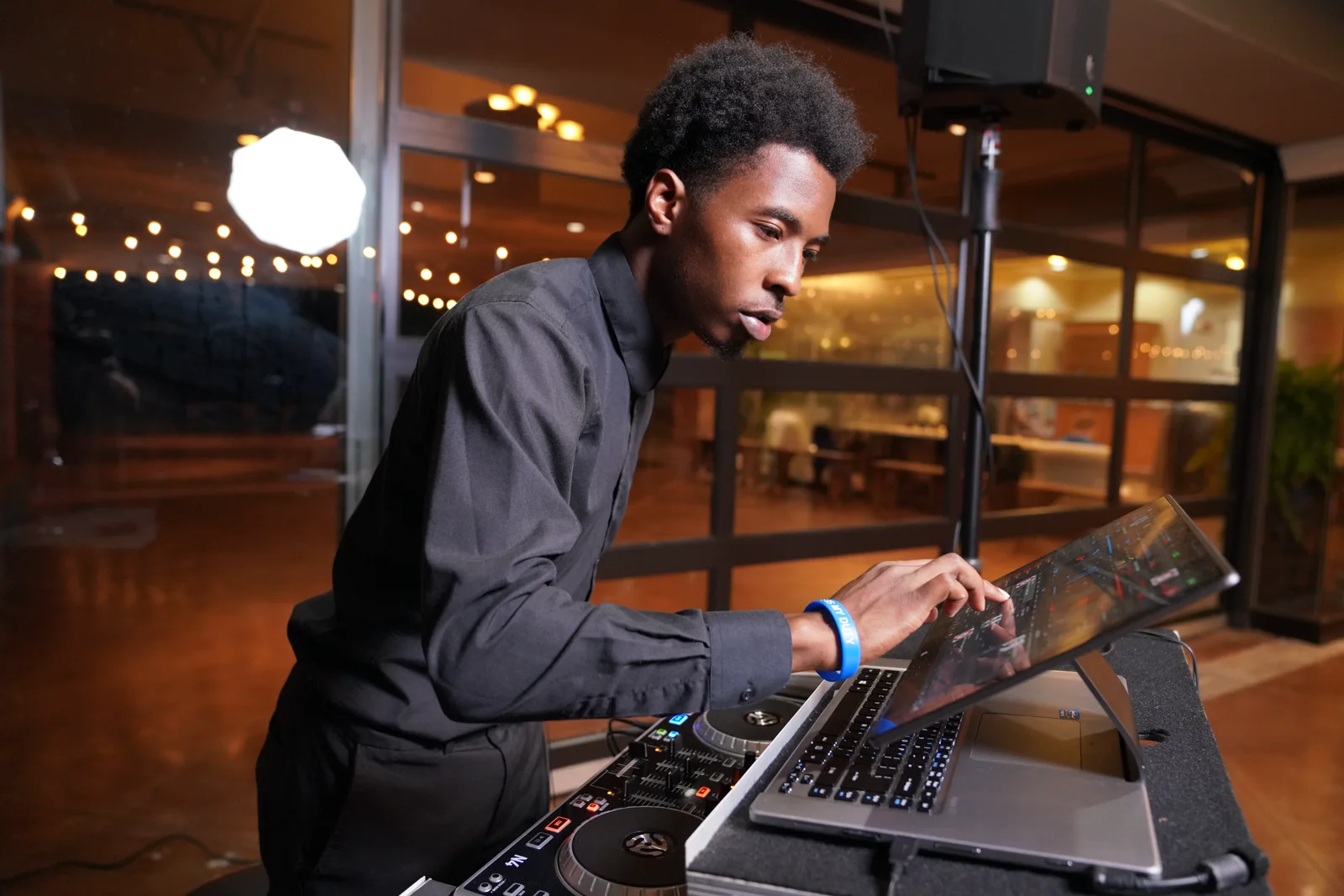
This is also where a live DJ beats a fixed playlist. I watch the room. If the crowd’s leaning livelier, I nudge the tempo up a touch. If they’re deep in conversation, I keep it soft and let them talk. A set list can’t read the room — a person can. For couples in Dearborn and nearby West Dearborn, that live feel is what keeps the hour from ever going stale.
Building your cocktail hour set
So how do you pull this together? Start with two anchors — usually jazz and soul — then add a personal thread or two that reflects your crowd. Keep every pick mellow, keep the volume warm, and blend by feel rather than by category. That formula fits almost any Dearborn wedding.
If you’re not sure what your family will love, make a short list of “songs that make Mom happy” and send them my way. Those become the heart of a set that feels personal instead of generic. A few well-placed favorites do more than a hundred safe filler tracks. You can browse more wedding tips anytime, and if you’re planning locally, my Dearborn wedding guide covers the full day.
At the end of the day, cocktail hour music is about setting a mood, not stealing the show. Get the genres right and guests walk into dinner already warm, smiling, and ready for the party to grow. If you’d like help building a set that sounds like your family, meet your DJ and we’ll shape it together. For more mood-setting ideas, Zola’s cocktail hour song guide is a solid starting point too.