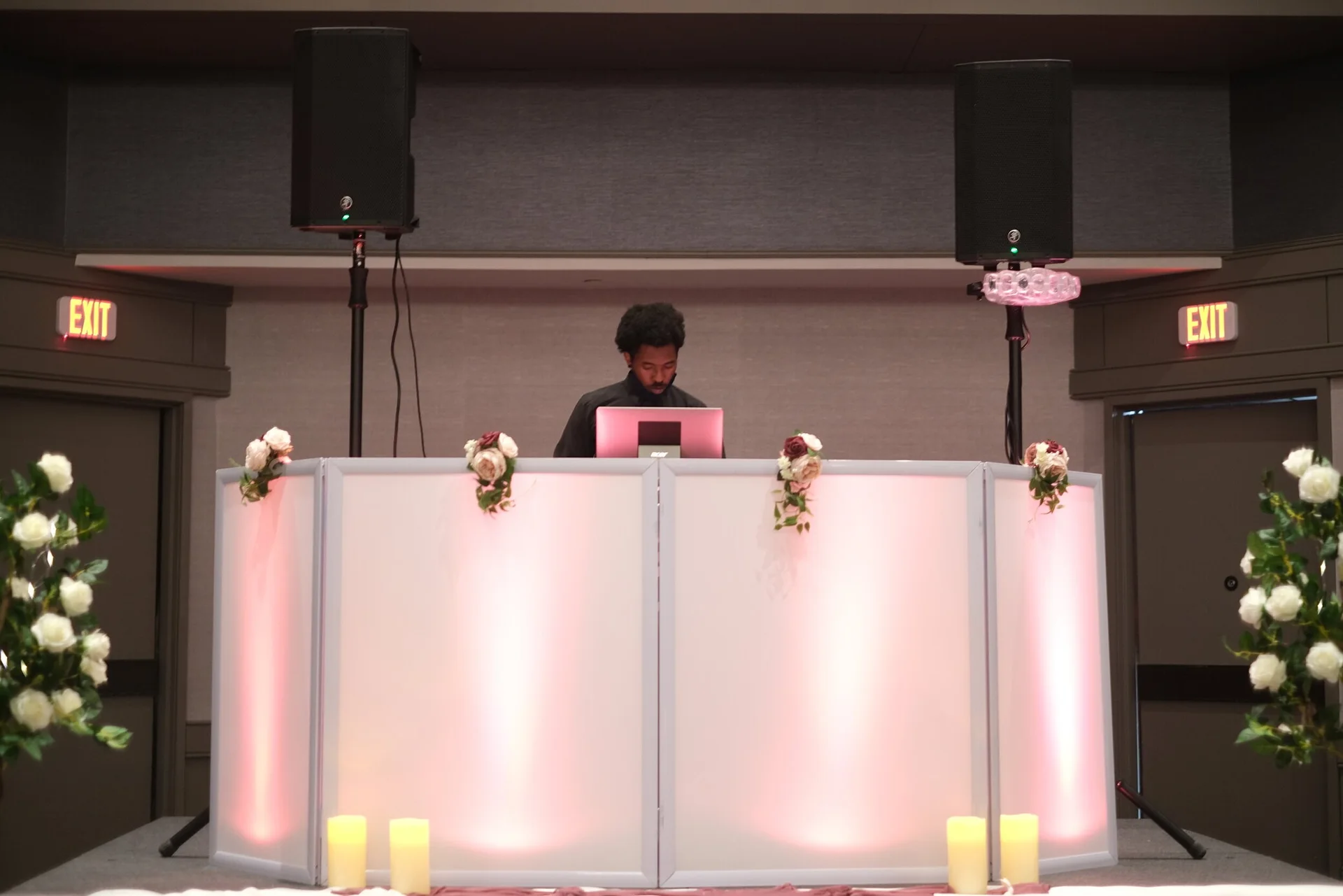
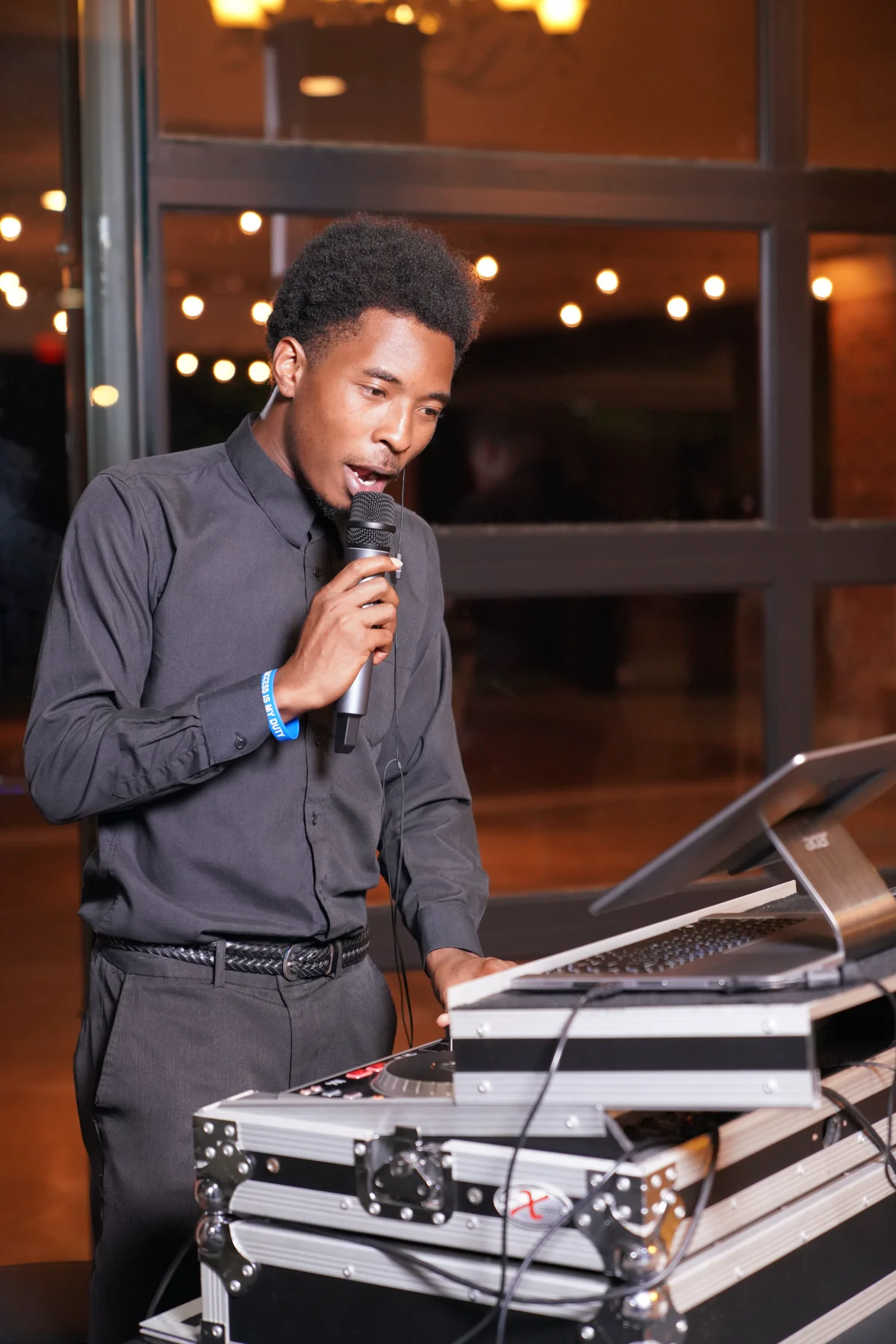
The Perfect Reception Timeline, Hour by Hour
A great reception doesn’t happen by luck — it happens because someone mapped the night before it started. A solid reception timeline is that map. It tells everyone when to enter, when to eat, when to toast, and when to dance, so the night flows instead of stalling. The best part? Once you’ve seen a full one laid out hour by hour, planning your own gets a whole lot easier. Below is the exact flow I use to keep a reception moving from the grand entrance all the way to the last song, plus where the flexible spots are. Let’s walk through it.
In this article
Why a reception timeline matters
Let’s start with the why. Your reception has a lot of moving parts — food, speeches, dances, traditions — and they all have to happen in a certain order for the night to feel right. A reception timeline is simply that order, written down and shared with everyone who needs it.
Without one, the night gets messy. The kitchen doesn’t know when to plate. The best man isn’t sure when to grab the mic. Guests sit through long, confusing gaps. With a timeline, every vendor and every key person moves in sync, and the whole evening feels effortless to the people enjoying it.
Here’s the reassuring part: you don’t have to invent this from scratch. Wedding receptions follow a natural rhythm that’s been refined over thousands of celebrations. The template below is your starting point — adjust it to fit your day, and you’re already ahead. As WeddingWire’s reception timeline guide puts it, a clear plan is the foundation every smooth wedding is built on.
Hour one: entrance and first dances
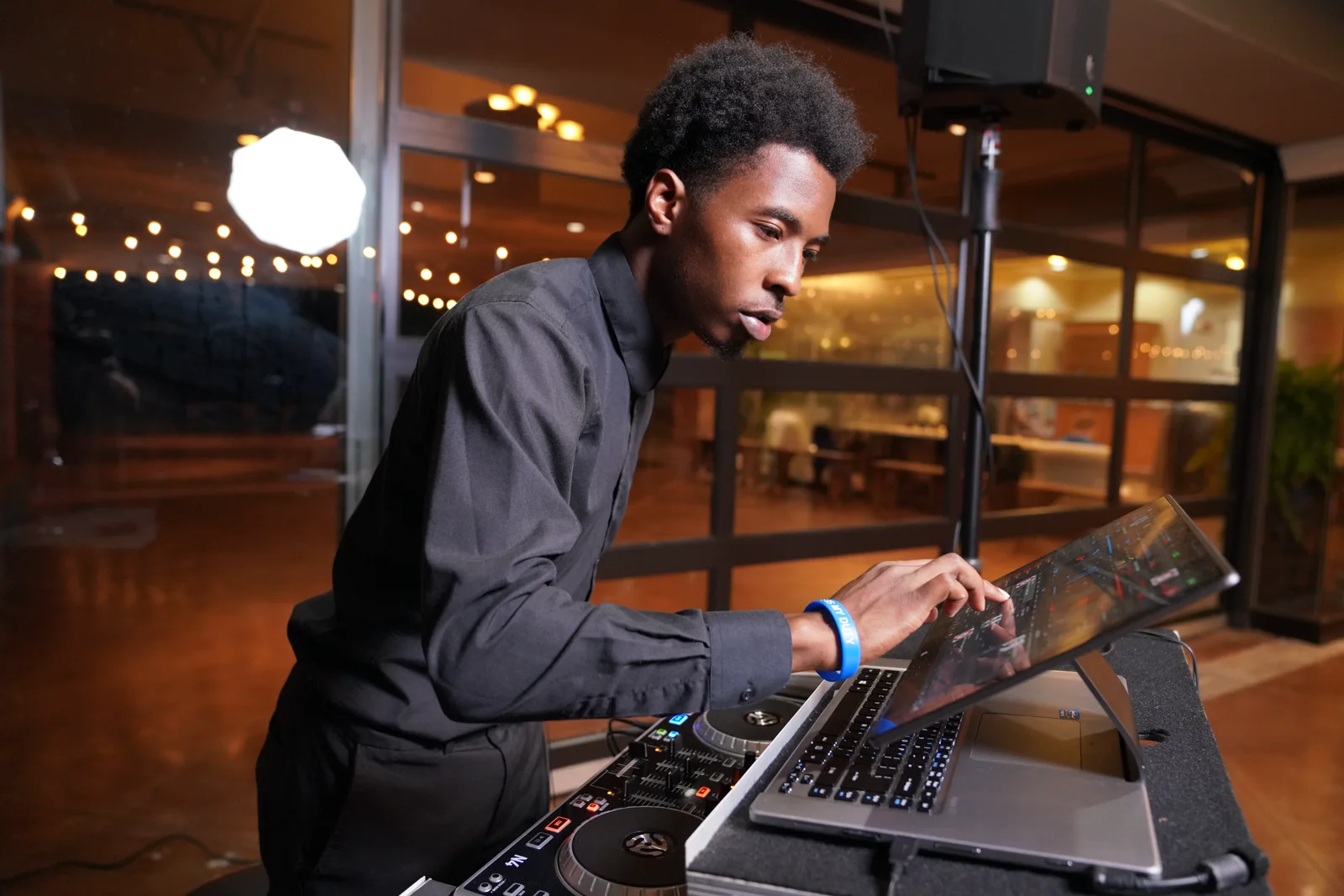
The reception opens with a bang: your grand entrance. Guests are seated, the lights come up, and I introduce your wedding party and then the two of you. This is the energy spark that sets the tone for everything after, so we make it loud and fun.
Right after your entrance, many couples go straight into their first dance while all eyes are already on them. It’s a smart move — the room’s attention is peaked, so you ride that wave instead of asking for it back later. From there, the parent dances often follow, keeping those tender moments grouped together.
Then I welcome everyone, hand things over for a quick blessing or a word from the hosts, and cue dinner. That first 45 minutes to an hour sets the pace. Get the entrance and first dances right, and the whole room settles in happy and ready for the meal.
Hour two: dinner and toasts
Dinner is the reset button of the night. Guests eat, the room relaxes, and the volume comes down so people can actually talk. I keep a warm, easy playlist going underneath — present but never loud enough to fight conversation.
Toasts usually land during or right after dinner, and timing them well is an art. I like to space them out rather than stacking all of them at once, so nobody’s sitting through fifteen straight minutes of speeches. A toast between courses keeps the room engaged without dragging.
Here’s what a lot of couples miss: dinner is also when you quietly build toward the dance floor. As plates clear, I start nudging the music’s energy up song by song — nothing dramatic, just a gentle lift so that by the time dinner ends, the room’s already feeling the pull to get up. That smooth ramp is why a good wedding DJ and MC makes the transition to dancing feel natural instead of forced.
A reception timeline isn’t a cage — it’s a map. It tells everyone where the night is headed while leaving room to follow the energy when the moment’s right.
Key takeaway: A strong reception timeline groups the big moments smartly — entrance and first dances up front, dinner and spaced-out toasts in the middle, then a steady ramp into open dancing. Keep the flexible spots flexible and let a live DJ read the room.
Hour three: opening the dance floor
Now for the moment the whole night’s been building toward: opening the floor. This is where the party truly begins, and how you open it matters a lot. I like to start with a song almost everyone loves — something that pulls multiple generations up at once, not just the twenty-somethings.
The goal in these first fifteen minutes is simple: get the floor full and keep it full. I read which groups are up and which are hesitating, then play to whoever’s on the fence. Once a floor tips past half full, it tends to fill the rest of the way on its own. That early momentum is everything.
Timing the open is a live call, not a fixed clock. Some nights the room’s ready the second dinner ends; other nights it needs a few minutes. This is exactly where a human beats a playlist — I open the floor when the room’s actually ready, not when a schedule says to. Reading that moment is the difference between a floor that fills and one that stalls.
Hour four: peak party and traditions
By the fourth hour, the party’s in full swing, and this is where any remaining traditions get woven in. Bouquet toss, garter toss, a cultural dance, an anniversary dance for the longest-married couple — whatever you’ve chosen, this is prime time for it.
The trick is placing these traditions without killing the momentum. I slot them between dance sets, not in the middle of a packed floor. That way a tradition feels like a fun feature of the party rather than an interruption that sends everyone back to their seats. Then I roll straight from the tradition back into music so the floor never cools.
This hour is also where a live DJ really shines. I’m constantly reading the crowd — stretching a set that’s landing, switching genres when energy dips, pulling out a floor-filler right when the room needs a lift. A phone playlist just plays the next track in line. The peak hour is won or lost on those live reads, and it’s the part of the job I love most.
Hour five: last dance and grand exit
Every great night needs a great ending, and the final hour is where you land the plane. As the reception winds down, I like to build to one last big dance — a song that gets everyone, dancers and non-dancers alike, on the floor together for one final memory.
After the last dance comes your grand exit, if you’re having one. Sparklers, glow sticks, a bubble tunnel, a classic send-off line — it’s the picture-perfect close, and it gives your photographer one last stunning shot. I cue the timing so guests are gathered and ready right when you make your move.
Then it’s a wrap. A well-run final hour leaves people buzzing as they head out, already talking about what a great night it was. That lasting glow is the whole goal of a good timeline — a night that builds, peaks, and ends on a high instead of fizzling out. According to The Knot’s grand exit ideas, a strong send-off is one of the most memorable moments of the entire day.
Building yours for a Clarkston wedding
So how do you turn this template into your own timeline? Start with the flow above, then adjust the timing to fit your venue’s hours and your must-have moments. Trim what doesn’t fit your vibe and lean into what does — your reception should feel like you.
Whether you’re celebrating at a lakeside venue near Deer Lake, a rustic hall in the Village of Clarkston, or a country setting off Sashabaw Road, the same rhythm works: strong open, relaxed dinner, well-timed floor, and a memorable close. For more planning help across every part of the day, browse the rest of our wedding tips whenever you like, and my Clarkston wedding guide covers how the whole reception comes together.
At the end of it all, a reception timeline isn’t about rigid rules — it’s about giving your night a shape so it flows the way you dreamed. Build the map, then let a live DJ read the room within it. If you’d like a hand mapping your own hour by hour, you can meet your DJ and we’ll plan a night that builds to a finish your guests won’t stop talking about.