Wedding Party Entrance Order and Pairings
The wedding party entrance is the first big moment of your reception, and it sets the mood for everything after. Yet most couples freeze up when it’s time to plan it. Who walks with whom? What order do they go in? And what happens when your bridal party doesn’t split evenly? Don’t worry — it’s a lot simpler than it looks. Once you know the basic order and a few easy pairing tricks, you can build an entrance that gets the whole room on their feet before you even reach the head table.
In this article
Why the entrance matters more than you think
Here’s the thing most couples miss. The wedding party entrance isn’t just a way to get people into the room. It’s the first time your guests see the party start. Get it right, and the energy carries straight into dinner and dancing. Get it flat, and you spend the next hour trying to warm the room back up.
Think about it from your guests’ point of view. They’ve been sitting through the ceremony, cocktail hour, and finding their seats. They’re ready for something fun. A strong entrance gives them that — a reason to clap, cheer, and lean in. It tells the whole room, “Okay, now we celebrate.”
And the best part? You don’t need anything fancy. No choreography, no props. Just the right order, smart pairings, and a song that hits. That’s the whole recipe. When those three things line up, even a shy wedding party looks like they planned it for weeks.
The classic order (from front to back)
Let’s start with the standard flow, because it works for a reason. The order builds from the outer edges of the wedding party toward the couple, saving the biggest cheer for last. Here’s the sequence I use at most receptions:
First, the parents and grandparents. They led the way to your wedding, so they lead the way into the room. Announce them warmly and let the crowd give them a hand.
Next, the wedding party. Groomsmen and bridesmaids come in as pairs, usually the outer positions first and the honor attendants (maid of honor, best man) last. This builds the momentum.
Then flower kids and ring bearers, if you have them. They always get an “aww” from the crowd, which is a nice beat right before the big finish.
Finally, you two. The newlyweds land last, when the room is already loud and clapping. That timing is no accident — it puts the peak cheer right where it belongs, on you.
That’s the backbone. You can trim it or tweak it, but keep the build: outer people first, honor attendants next, then you. According to The Knot’s guide to reception order, saving the couple for last is what keeps that final cheer at full volume.
How to pair people who walk in
Now for the part that trips people up: who walks with whom. The simple default is to pair one bridesmaid with one groomsman and have them walk in arm in arm. It’s clean, it’s balanced, and it looks great in photos.
But you have room to play here. Pair people who actually get along, and the entrance feels genuine instead of stiff. If two friends will ham it up together, put them side by side — that little spark of personality is exactly what makes a crowd cheer louder.
You can also let people enter solo if that fits your group better. Solo walk-ins work great when your wedding party is close and confident. Each person gets their own moment, their own song beat, their own cheer. Just tell your DJ ahead of time so the names line up with the music.
One more tip: think about height and comfort, not just gender. If pairing your tallest groomsman with your shortest bridesmaid feels awkward, mix it up. Nobody’s grading you on tradition here. The goal is a group that walks in looking happy and relaxed, not one that’s counting steps.
The entrance isn’t about matching people perfectly. It’s about sending each of them in with a smile, a song, and a room that’s ready to cheer.
What to do when the sides don’t match
Here’s a question I get all the time: “My sides don’t even out — what now?” Maybe you’ve got five bridesmaids and three groomsmen, or the other way around. Relax. This is normal, and it has easy fixes.
The simplest fix is to send extra people in as a trio. Three across the entrance looks intentional and fills the space nicely. Two bridesmaids with one groomsman? Totally fine. The crowd won’t count — they’ll just cheer.
Another option is to have the extra folks enter solo, either first or last in the wedding party block. A solo entrance actually reads as a spotlight, not a shortage. Your maid of honor or best man walking in alone can be a great lead-in to your own entrance.
You can also skip pairing altogether and send everyone in solo. When the numbers are lopsided, an all-solo entrance sidesteps the math completely. It gives every member a clean moment, and it keeps you from forcing pairs that don’t make sense.
Key takeaway: Build the order from the outside in — parents, then the wedding party, then you. Pair people who click, use trios or solo walk-ins when the sides don’t match, and match the song to the vibe. That’s a wedding party entrance that lands every time.
Picking the right entrance song
Music is the fuel for the whole moment. The wrong song makes a great entrance feel small, and the right one makes an average entrance feel huge. So how do you choose?
Start with the energy you want. A high-tempo hip-hop or pop track gets the room clapping instantly. Something with a big, familiar hook works even better, because guests recognize it and react before your first pair hits the floor. If your crowd skews classic, a Motown or funk cut still brings the same lift — and around Detroit, that hometown sound never misses.
You can also use two songs: one high-energy track for the wedding party, then a switch to a slightly different vibe for your own entrance. That switch signals the room that you two are next, and it earns you a fresh burst of cheering. WeddingWire keeps a running list of popular entrance songs if you want a place to start browsing.
Whatever you pick, share it with your DJ early. A pro will find the exact spot in the song where the beat drops and time the doors to hit right there. That little detail — names landing on the beat — is what separates a smooth entrance from a clunky one.
How your DJ builds the moment
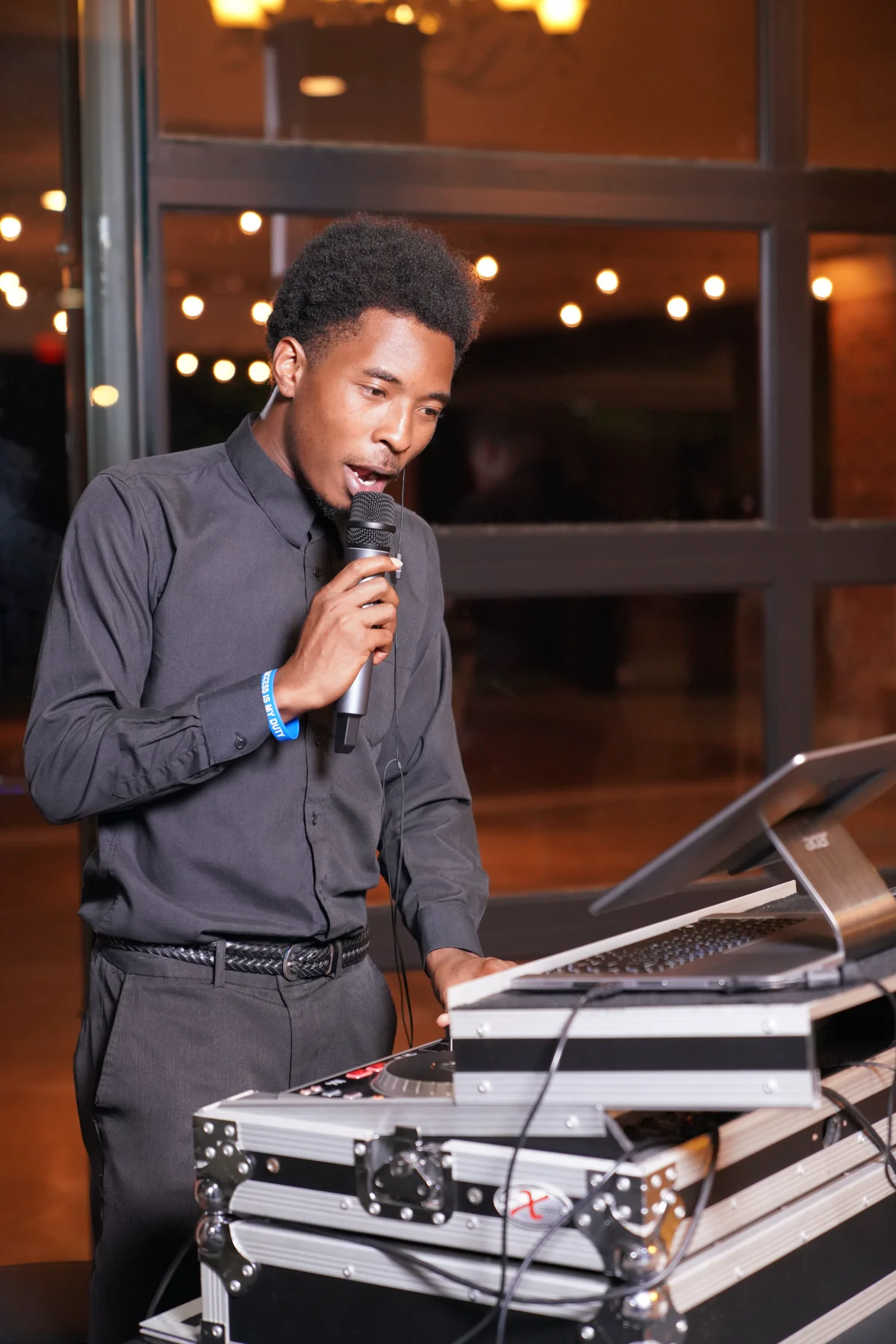
This is where a live DJ earns their spot. Planning the order is step one, but running it in real time takes a steady hand on the mic and the music. Here’s what I actually do on the night.
First, I line up the names and check pronunciations at the start of the evening. Nothing kills an entrance faster than a fumbled name, so I get them right before we begin. Then I read the room — if the wedding party’s stacked up and ready, I keep the pace quick so the energy never sags.
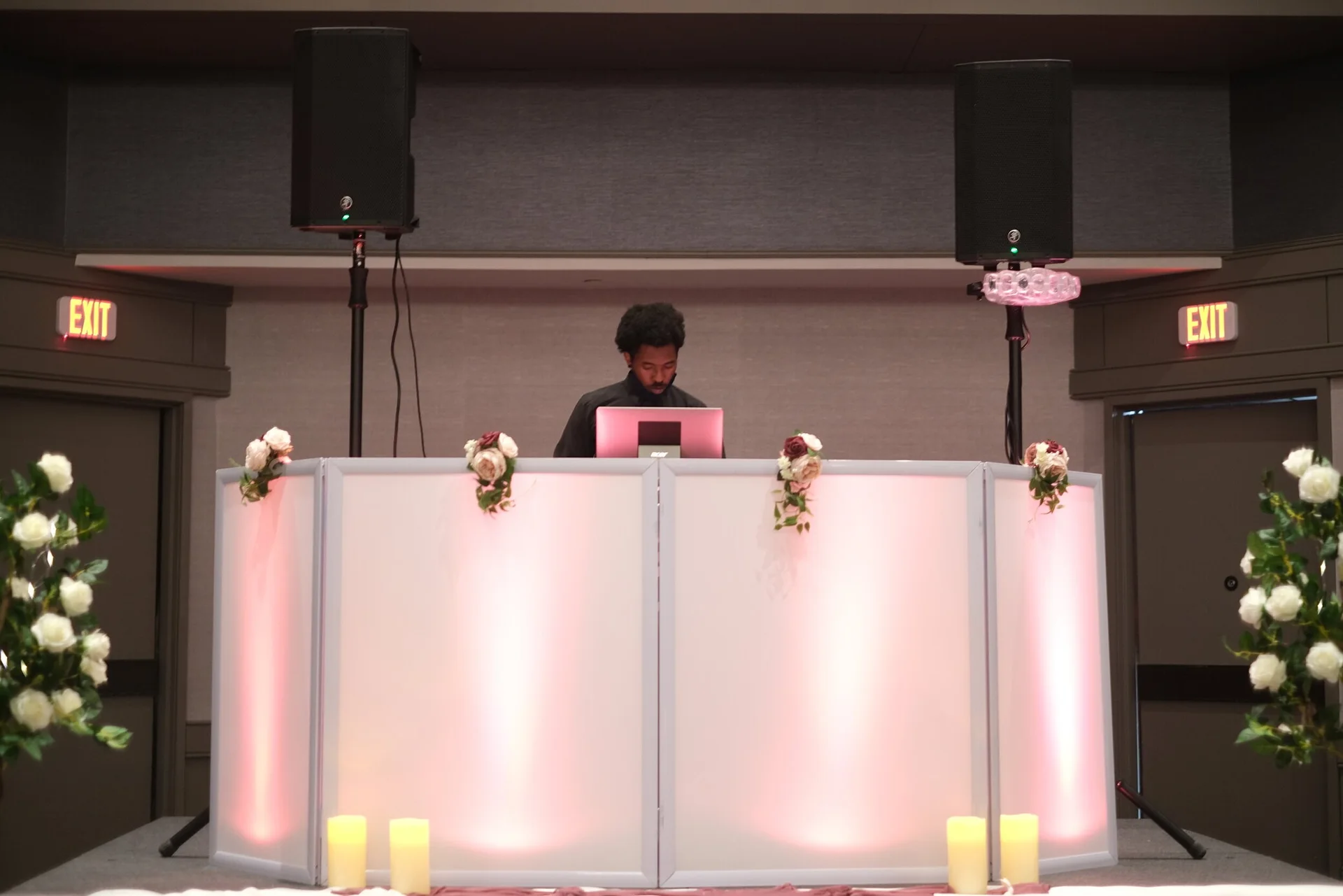
During the walk, I match my voice to the moment. I bring big energy for the fun pairs, a warm tone for the parents, and I build the volume as we go so your entrance is the loudest. When you two hit the floor, the music, the mic, and the crowd all peak together. That’s the plan every time. You can see how I handle the full reception on my wedding DJ page, from the first name to the last song.
Planning your Livonia entrance
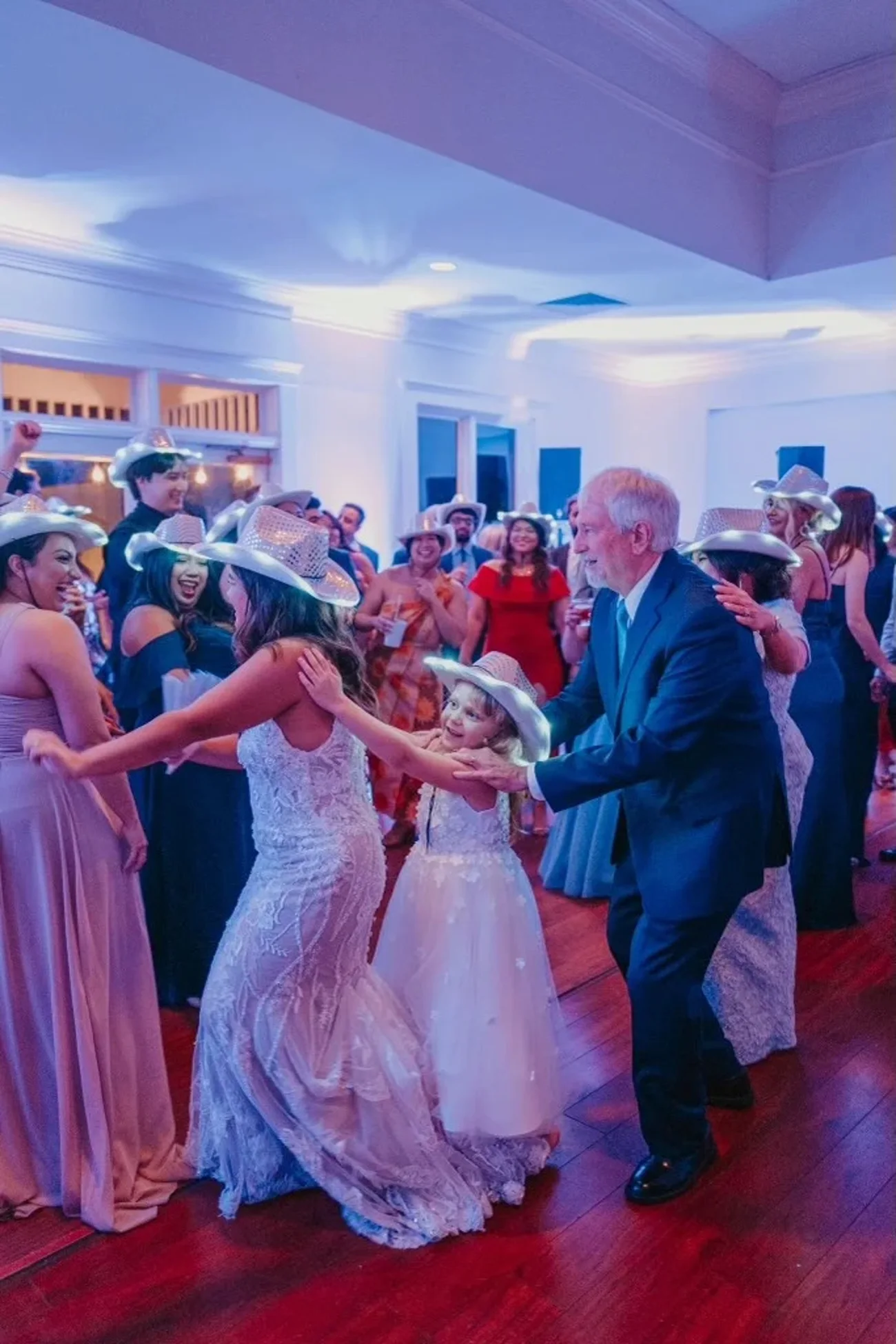
So how do you pull it all together for your own reception? Start early, and keep it simple. Write down your wedding party, decide on pairs or solos, and pick your song or two. That’s most of the work done right there.
If you’re getting married around Livonia — maybe at a banquet hall off Schoolcraft or a venue near Laurel Park — the same steps apply anywhere. Send me your order and your song, and we’ll run through it together before the day so nothing feels rushed. Want a head start on the rest of the timeline? Browse more wedding tips whenever you like, and my Livonia wedding guide walks through the whole reception flow.
At the end of the day, your entrance should feel like you — fun, warm, and a little loud. Nail the order, pair with heart, and pick a song that moves the room, and you’re set. If you’d like a hand building it, you can meet your DJ and we’ll map it out together. The first cheer of the night is the easiest one to earn — let’s make it count.