The Ceremony Music Timeline, Minute by Minute
A wedding ceremony is short — often 20 minutes or less — but the music inside it does a lot of heavy lifting. A clear ceremony music timeline tells everyone when to feel the goosebumps, when to walk, and when to cheer. Without one, songs cut off awkwardly or drag on while people stand around. So let’s map it out minute by minute, from the first seated guest to the big kiss and the walk back up the aisle. By the end, you’ll know exactly which song goes where.
In this article
Why a music timeline matters
Here’s the honest truth: the ceremony is the part guests remember most, and music is what makes it feel like a movie instead of a meeting. Get the ceremony music timeline right and the emotion builds on cue. Get it wrong and a beautiful song fades out just as you reach the altar.
The trick is knowing how long each moment really takes. Guests take longer to seat than you think. Your grandparents walk slower than the bridesmaids. So each slot needs a song long enough to cover it, with a plan for how to end early if things move fast. That’s the whole job — matching the music to real human timing.
Don’t worry, you don’t have to time this to a stopwatch yourself. That’s my job. But understanding the flow helps you pick songs you’ll love, and it keeps the whole day from feeling rushed.
Think of the timeline as a simple map with five stops: the prelude, the processional, your entrance, any mid-ceremony moments, and the recessional. Each stop has a job and a rough length. Once you see it laid out that way, picking songs gets a whole lot easier, and nothing important gets left out.
The prelude: seating your guests
Everything starts before you even appear. The prelude is the 15 to 20 minutes while guests arrive and find their seats. This music sets the whole mood, so pick something warm and easy that fits your vibe.
Plan for four to six songs here, because you never know exactly when the last guest strolls in. Soft acoustic covers, light piano, or gentle strings all work beautifully. The goal is a friendly hum under the chatter — present, but never loud enough to talk over.
My tip? Skip anything with a hard beat drop during the prelude. You want a calm, happy room, not a dance floor yet. Save the energy for later. If you’re not sure where to start, my wedding DJ service page shows how I help couples build a prelude that feels like them.
The processional: walking in
Now the good stuff. The processional is when your wedding party walks down the aisle, and it usually splits into two feelings: one song for the family and party, then a different one for you.
Time-wise, plan for about 30 to 45 seconds per pair or person walking. So if you’ve got parents, grandparents, and six bridesmaids and groomsmen, that first processional song needs to run three or four minutes. An instrumental works great here because there’s no lyric to cut off mid-line.
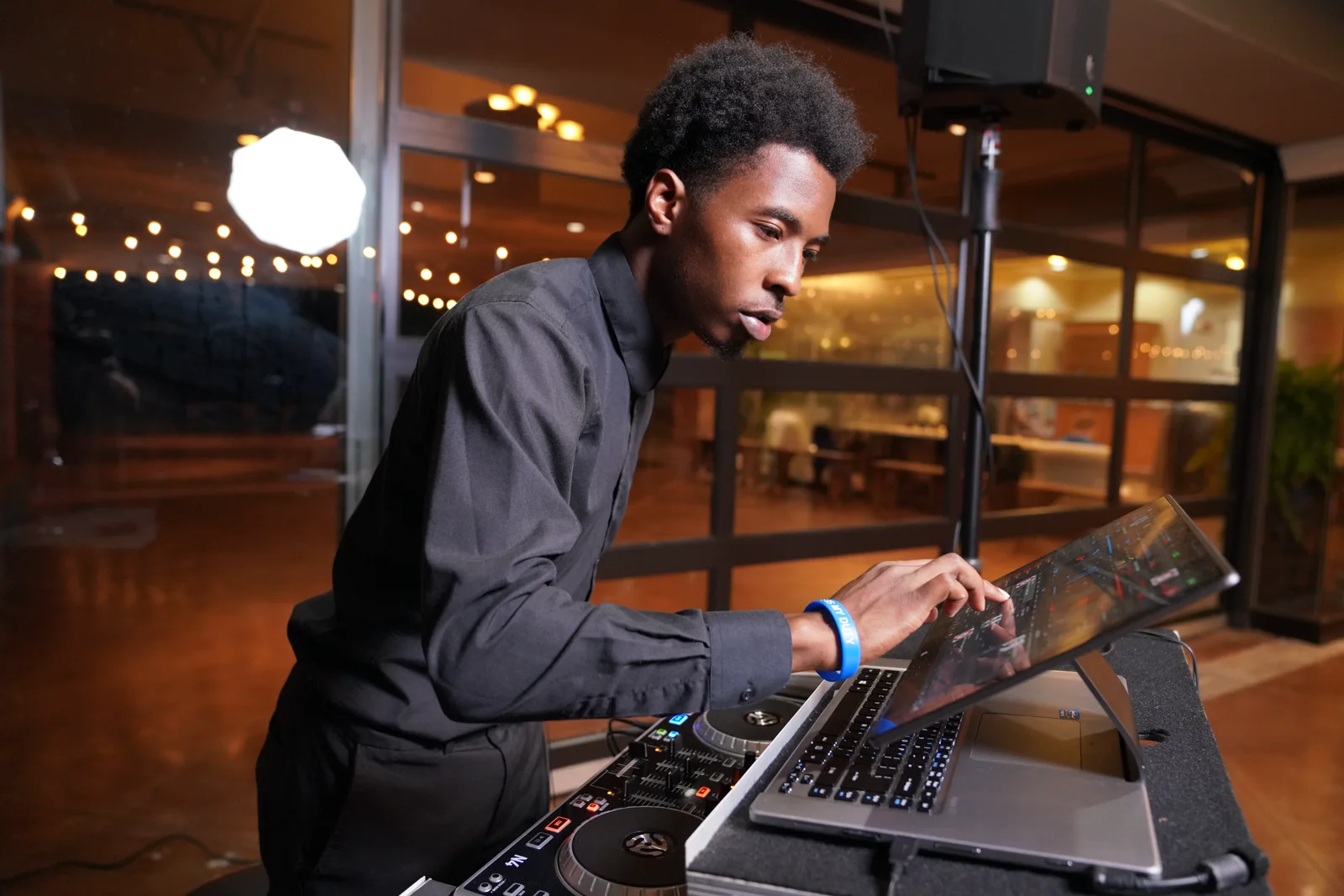
Here’s a detail people forget: I always cue the walk to a strong, clear moment in the song — a swell or a downbeat — so each person steps off at a natural cue. It looks effortless from the pews, but it’s carefully timed from the booth. That little bit of craft is what makes the whole aisle feel graceful.
The best ceremony music doesn’t just play in the background — it tells everyone exactly when to feel something. That’s the difference between a soundtrack and a playlist.
Your entrance song
This one deserves its own moment, because it’s the moment. When you step into view, the whole room turns, and the right song lands like a wave. Most couples want something that builds, so the peak hits right as everyone stands.
You’ve got real freedom here. It can be a classic like a string version of “Canon in D,” a modern pop ballad reimagined on piano, or even a meaningful song from your relationship. The only rule is that it should feel like you. I’ll set the volume to swell as you appear, then ease it under the officiant once you reach the front.
Here’s what a lot of couples miss: your walk is usually only 45 to 90 seconds. You don’t hear the whole song. So I pick the exact section that hits hardest and start you there, rather than letting a slow intro eat your big entrance. It’s a small edit that makes a huge difference.
Key takeaway: Match each song’s length to the real time the moment takes — longer for the processional, a punchy 45 to 90 seconds for your entrance. A live DJ cues each walk to a musical swell and fades cleanly between sections, so nothing ever cuts off awkwardly.
Music during the ceremony
Not every ceremony has music in the middle, but many do, and it can be gorgeous. Common spots are a unity candle, a sand ceremony, communion, or a moment of remembrance. These interludes usually run two to three minutes.
Pick something meaningful and gentle for these, since guests are seated and quiet. A live singer or a soft recorded track both work. The key is timing the fade — the song should breathe under the action, then wind down naturally as the officiant returns to speaking.
Cultural and faith traditions often shape this part, too. Dearborn is home to families from all over the world, and I love weaving in a song or a hymn that honors a couple’s heritage. If there’s a piece that matters to your family, tell me early and we’ll place it perfectly. Wedding pros at Zola’s ceremony music guide agree that these personal touches are what guests remember most.
The recessional: the celebration
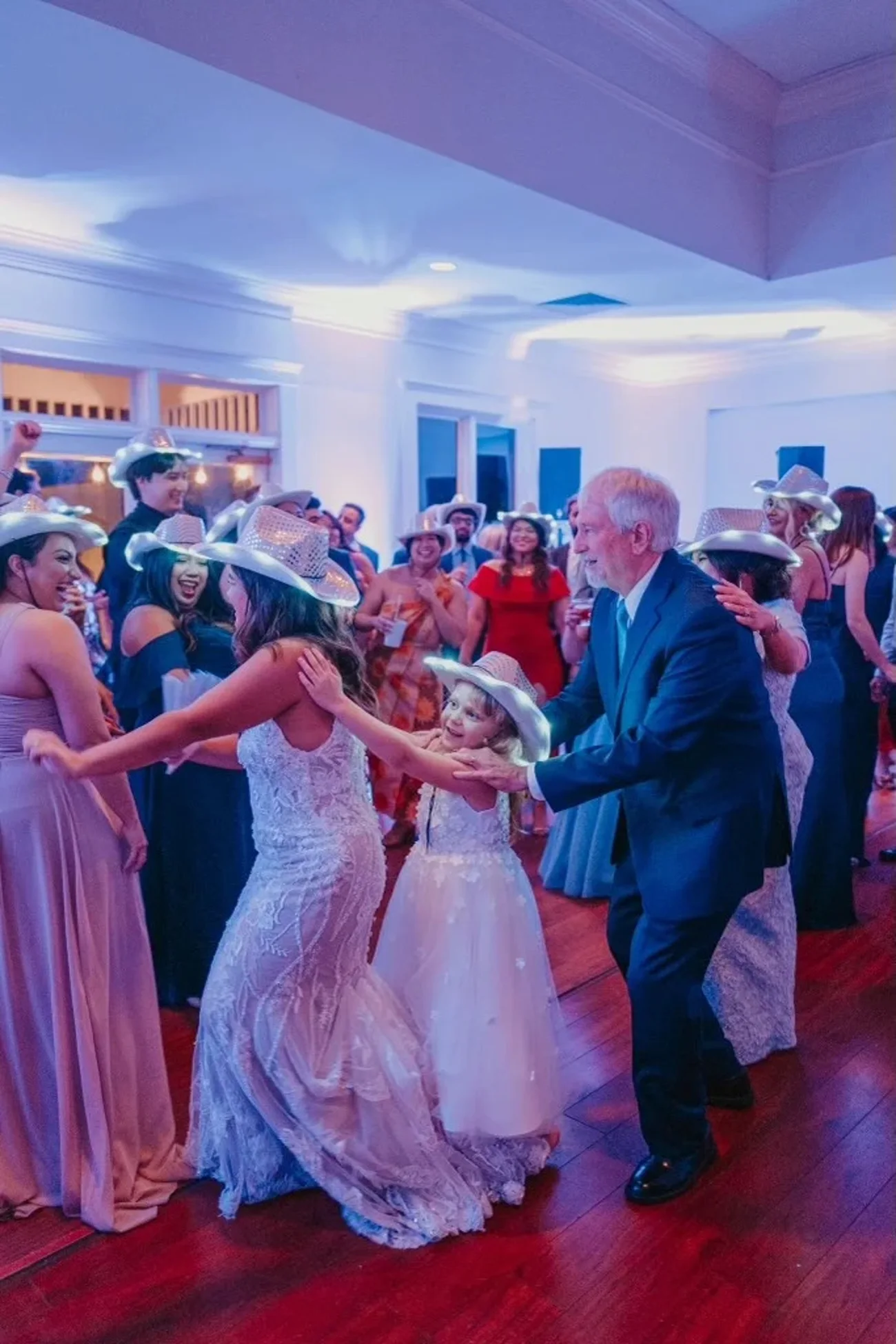
You did it — now celebrate! The recessional is your first walk as a married couple, and it should feel like pure joy. This is where you finally get to turn up the energy.
Pick something upbeat and happy that makes people clap. Think a feel-good pop anthem, a soul classic, or a horn-heavy floor-filler. The song only needs to cover your walk plus the wedding party following, so about 90 seconds to two minutes is plenty. I fade it as the last person exits so the room flows straight into the next thing.
Then comes a bonus: postlude music while guests file out. Keep it upbeat to carry the good energy into cocktail hour. According to The Knot’s recessional song guide, an energetic exit song sets the tone for the entire reception that follows — so don’t sleep on it.
Building your timeline in Dearborn
So how do you actually put this together? Start by listing your moments in order: prelude, processional, your entrance, any interludes, and the recessional. Then pick one song per slot and jot down why it matters to you.
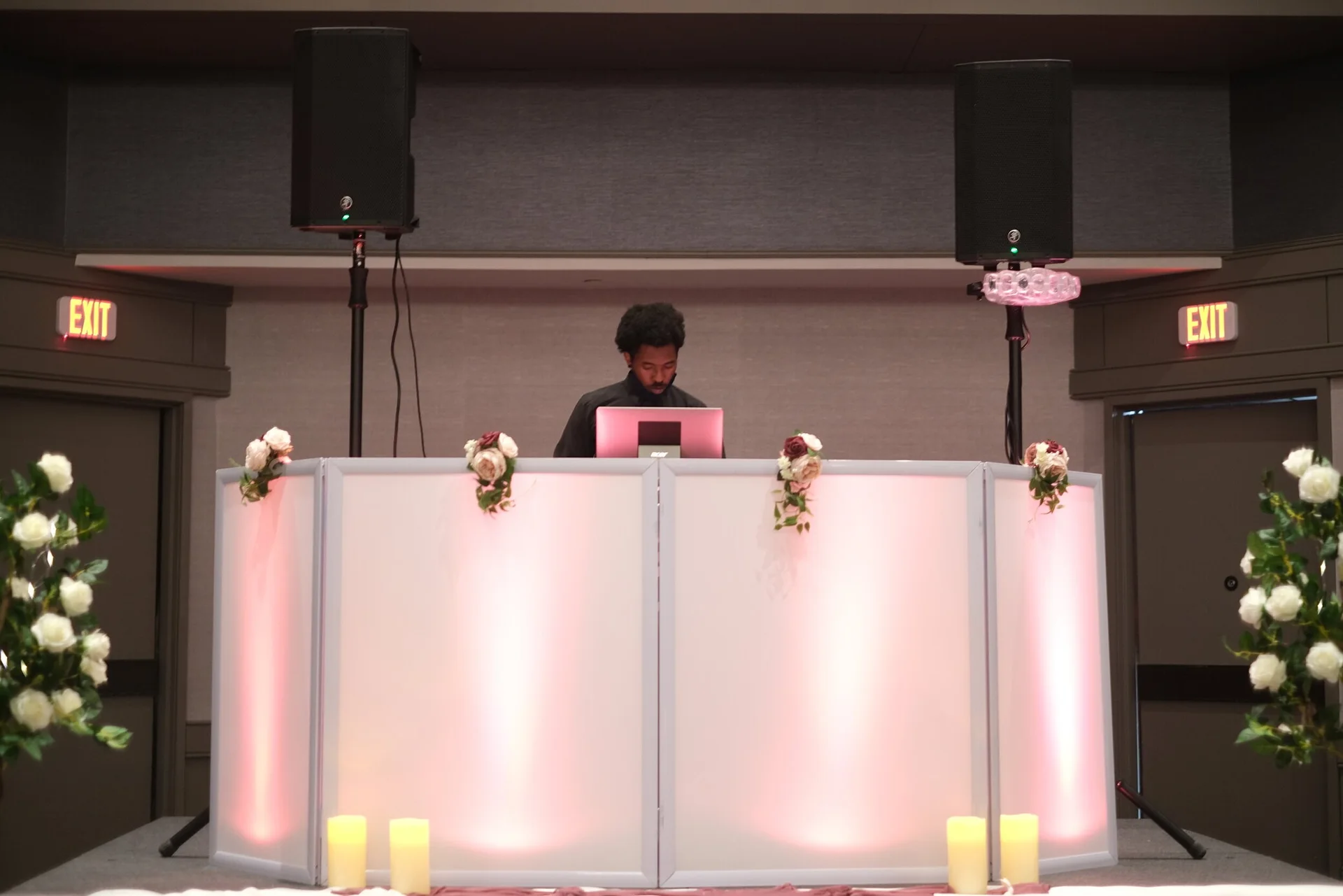
From there, share your venue and your guest count. A ceremony at a Dearborn banquet hall flows differently than a garden setting near the Ford estate, and the head count changes how long seating and the processional take. With those details, I fine-tune the timing and handle every fade live.
Bottom line, your ceremony music timeline turns a handful of songs into a story with a beginning, a middle, and a triumphant ending. Want to keep planning the rest of your day? Browse more wedding tips anytime, check out our Dearborn wedding guide, or meet your DJ and we’ll build your timeline together, minute by minute.