Ceremony Music Cues: Timing Each Moment
A wedding ceremony is really a series of small moments, and each one has a song. That’s where ceremony music cues come in — knowing exactly when to start each track, when to fade it, and when to bring the next one up. Miss a cue and the whole moment wobbles: a song cuts off mid-swell, or the room sits in silence while you’re already halfway down the aisle. But when the cues are dialed in, the music feels like it’s reading your mind. Here’s how I map and time every one.
In this article
What a music cue really is
Let’s define it plainly. A ceremony music cue is the exact moment a song should start, stop, or shift. Not “sometime around the processional” — the precise second, tied to a thing that happens in the room. When the officiant nods, when the last bridesmaid reaches the front, when you two turn to walk back out.
Here’s why this matters more than couples expect. A ceremony is short, often 20 minutes or less, and every song has to land inside a tight window. There’s no room to fumble. A cue that’s five seconds late can turn a goosebump moment into an awkward one.
Good cues are invisible. When they’re right, nobody notices the music at all — they just feel the emotion. That’s the goal. The work happens behind the scenes so your ceremony feels effortless out front.
Think of it like the difference between a movie with a great score and one where you can hear the music trying too hard. In a well-scored film, you never think about the soundtrack — you just feel more. Ceremony cues work the same way. When they land, guests only remember how moved they were, never the mechanics that got them there. That invisible polish is exactly what you’re paying a pro to deliver.
Mapping the moments that need music
Before you can cue anything, you map it. I sit down with every couple and list the moments that need a song. Most ceremonies have five: the prelude, the wedding party’s walk, your entrance, an optional unity moment, and the recessional.
Each of those gets its own cue and often its own track. Skipping the mapping step is where things go sideways — if you haven’t decided what plays during the unity candle or ring exchange, you get dead air at the tenderest part of the day.
Write it all down, moment by moment. Which song, when it starts, when it ends, and what triggers the change. This map becomes the script your DJ runs from. For the full picture of how ceremony sound fits the day, my guide to running a wedding ceremony covers every piece.
Cueing the processional right
The processional is the trickiest cue of them all, so let’s slow down here. This is where a lot can go wrong, because you’re syncing music to real, unpredictable footsteps. People walk faster or slower than you plan, every single time.
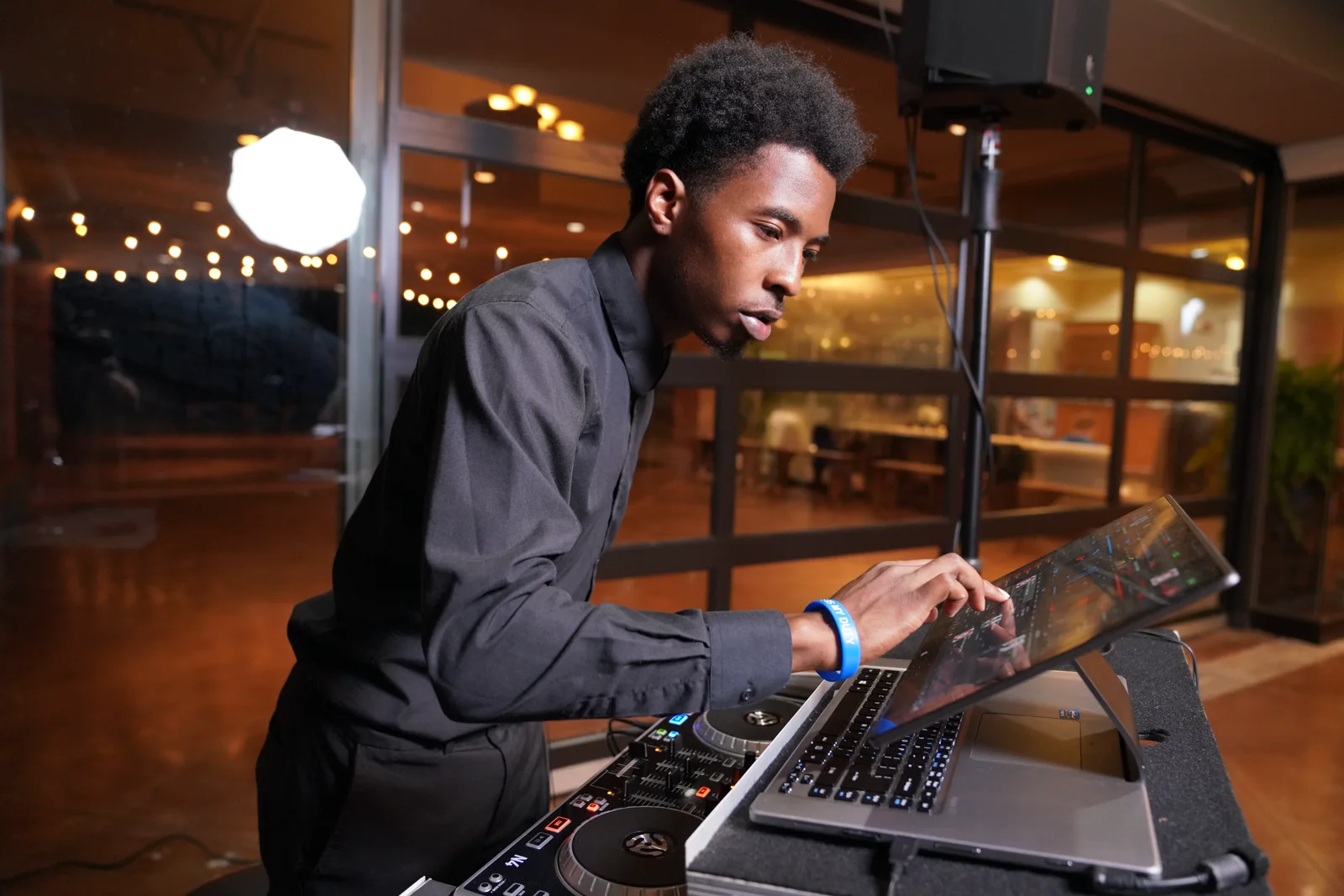
Here’s how I handle it. The party’s song starts the moment the first person steps off. I watch their pace and note how much runway I have. Then, as the last attendant reaches the front, I fade that track and bring up your entrance song right at its intro — so the swell hits exactly as you appear.
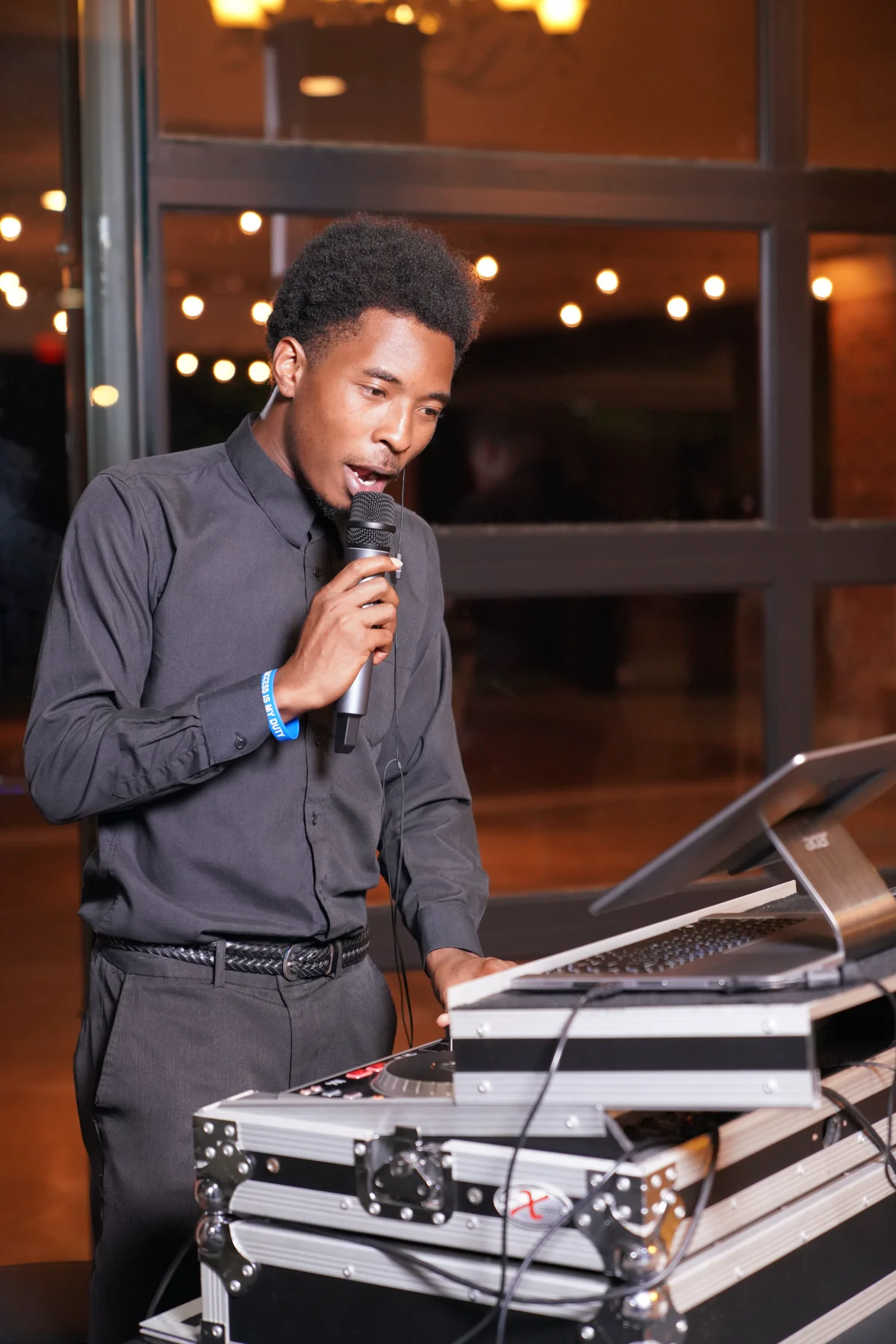
That fade-and-launch is the heart of a great processional cue. Done live, it’s smooth every time because I’m reacting to the actual room, not guessing from a playlist. A phone can’t see you turn the corner; I can. According to The Knot’s ceremony music guide, this handoff between songs is exactly where amateur setups tend to stumble.
A ceremony cue isn’t about the song — it’s about the second. Start it one beat late and the whole moment feels a half-step off.
Handling fades and transitions
Between the big moments, the quiet transitions matter just as much. This is where the fade comes in. You almost never want a song to just stop cold — that jolt pulls people out of the moment. A smooth fade keeps the emotion flowing.
Take the unity moment. As you light the candle or pour the sand, a soft song plays underneath. When it’s done, I don’t cut it — I ease the volume down as the officiant starts speaking again, so the words come forward without a hard stop. Nobody notices the handoff, and that’s the point.
Here’s what a lot of couples miss: transitions need just as much planning as the headline songs. The in-between fades are what make a ceremony feel polished instead of choppy. Want more tips on getting these details right? Browse more wedding tips whenever you like.
Key takeaway: Map every ceremony moment to a song, tie each cue to a real trigger in the room, and use smooth fades instead of hard stops. The processional handoff is the trickiest cue — run it live so the entrance swell lands exactly as you appear.
The recessional and the send-off
Now for the happy ending — the recessional. This is your victory lap, the walk back up the aisle as newlyweds, and the cue here should feel like a celebration. The song needs to hit big and hit fast.
The trigger is simple: the moment the officiant says “you may kiss” and you turn to face the guests. That’s when I launch the recessional, loud and joyful, right on the downbeat. The timing turns a nice walk into a full-on cheer.
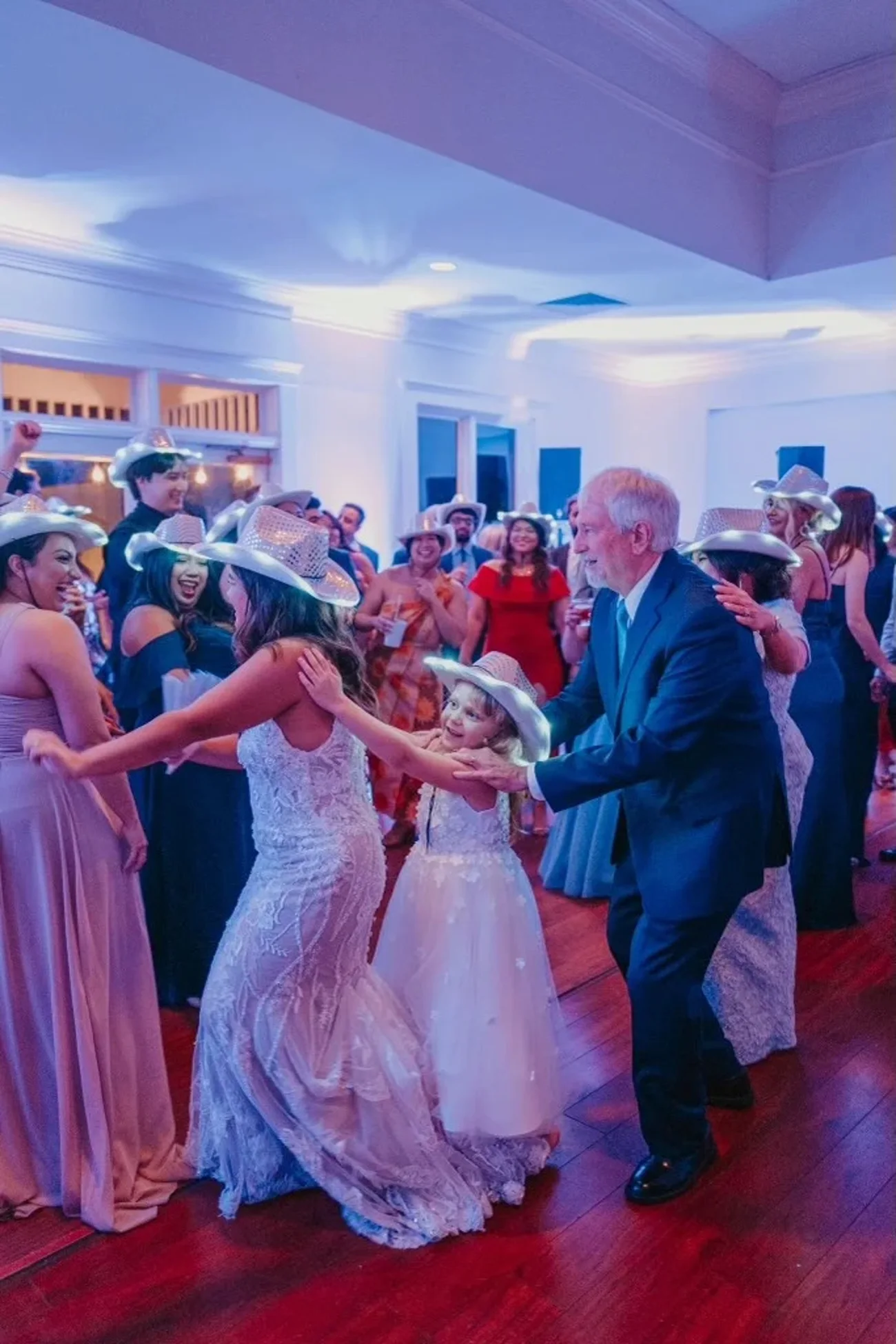
Pick something upbeat with an instant hook — a Motown classic or a feel-good anthem works great for a Canton crowd. You want the energy to explode the second you kiss, carrying everyone straight into the celebration. That clean launch is the difference between a walk-out and a send-off.
There’s a cue after the recessional that couples almost always forget: the post-ceremony music. Once you two exit, guests don’t leave instantly — they hug, they chat, they hunt for cocktail hour. A few upbeat songs keep that stretch warm instead of letting the room go flat the moment you’re out of sight. Party-planning pros at Zola’s ceremony timeline guide point out that this handoff into cocktail hour is where a lot of ceremonies quietly lose their momentum.
So I always plan that music as its own cue. As the last guest stands, I roll into a bright, easy set that ushers everyone toward the next part of the day. It’s a small touch, but it keeps the energy you just built from leaking away in the shuffle. Every seam gets covered, right through the very end of the ceremony.
Why a rehearsal cue-through helps
Here’s a step that pays off big: a quick cue-through, even a mental one. Walking the timeline before the day means we both know exactly what happens when. No surprises, no guessing during the real thing.
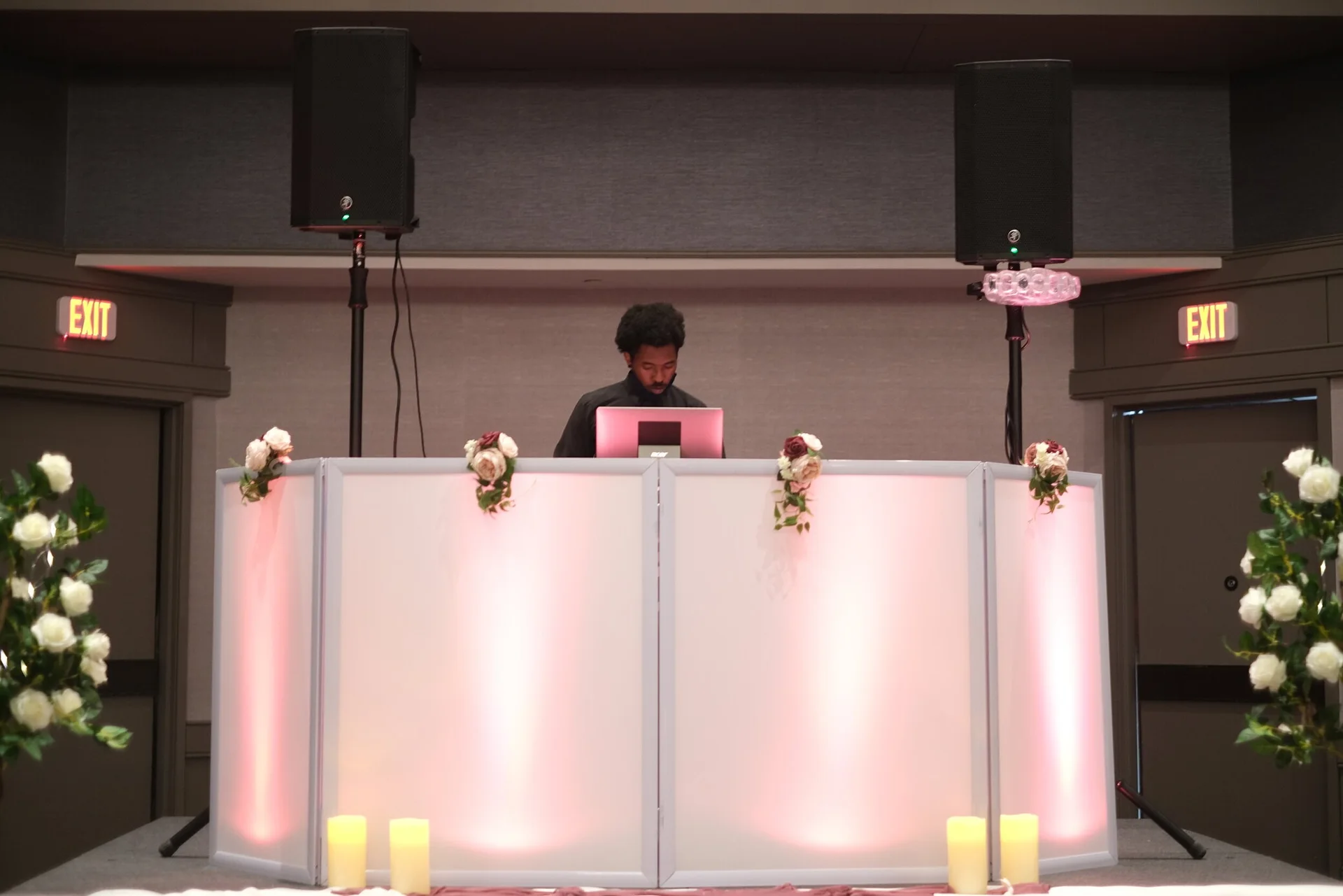
I go over the cue sheet with couples ahead of time, and when the rehearsal allows, I like to talk through the pacing right there in the space. How slow you’ll walk, where you’ll pause, when the unity song comes in. Those few minutes remove almost all the risk.
The payoff is peace of mind. On your wedding day, you shouldn’t be thinking about music timing at all — you should just be present. That’s the whole reason to nail the cues in advance. You can see the flagship Canton wedding DJ guide for how I run ceremony sound from setup through send-off.
Planning it for your Canton wedding
So how do you put this to work? Start by mapping your moments — prelude, party walk, entrance, unity, recessional. Pick a song for each, then decide the exact trigger that starts and ends it. That map is your whole ceremony in one page.
Then lean on a live DJ to run those cues in real time. Whether you’re marrying at a banquet hall off Ford Road, a garden ceremony, or a venue tucked into Canton Township, the cues only land if someone’s reading the room and reacting on the spot.
When it all comes together, your ceremony music feels like it just knows. Every song starts on the right beat, every fade is smooth, and you get to soak up the moment instead of worrying about it. If you’d like help mapping and timing your cues, you can meet your DJ and we’ll build the whole cue sheet together.