Secular Ceremony Music vs Religious: How to Choose
Should you walk down the aisle to a church hymn or a stripped-down cover of your favorite song? That’s the choice between religious and secular ceremony music, and it sets the whole tone of your wedding before a single word is spoken. Neither one is right or wrong — it’s about what fits your beliefs, your family, and the feeling you want in the room. Here’s a clear, side-by-side look at both, so you can pick ceremony songs that feel like you at your Rochester Hills wedding.
In this article
The real difference between the two
Let’s define it simply. Religious ceremony music draws on faith — hymns, sacred classical pieces, worship songs tied to your tradition. Secular ceremony music is everything outside of that: love songs, film scores, acoustic covers, instrumental pop.
The difference isn’t just the lyrics. It’s the feeling each one sets. A hymn can wrap a room in reverence and weight. A quiet string cover of a modern hit feels personal and warm. Both can bring people to tears — they just take different paths to get there.
So the question isn’t “which is better.” It’s “which one sounds like us?” Your ceremony music should match the promise you’re making and the room you’re standing in. Once you frame it that way, the choice gets a lot clearer.
What religious ceremony music offers
Let’s start with the faith-based path. If your beliefs are central to your marriage, religious music honors that in a way nothing else can. It ties your day to something bigger and to generations who married the same way.
There’s real comfort in tradition, too. When your grandparents hear the same hymn they walked down the aisle to, it connects your marriage to your family’s story. That continuity means the world to a lot of couples, and it gives older relatives a moment that’s deeply theirs.
Sacred music also carries a weight that’s hard to fake. A choir, an organ, or a solo of a beloved hymn can fill a room with a stillness that makes people sit up and feel the moment. If your faith is the foundation of your marriage, that gravity is exactly right — it tells everyone in the room what you’re building your life on before you’ve said a word of your vows.
Many houses of worship also have guidelines about what’s allowed during the ceremony, so faith-based music keeps you on solid ground there. According to Brides’ ceremony music guide, it’s smart to check with your officiant early, since some venues limit secular songs during the service itself. A quick conversation up front saves any awkward surprises.
What secular ceremony music offers
Now the other side. Secular music gives you total freedom to pick songs that are personal to you as a couple. The tune from your first date, the artist you saw live together, a movie score you both love — it can all become part of your walk down the aisle.
That personal touch is powerful. When you enter to a song that’s truly yours, guests who know your story feel it instantly. It turns a formal moment into an intimate one. And a soft instrumental version of a pop song can feel just as elegant as any classical piece.
Secular music also fits couples of different faiths or no faith at all. If you and your partner come from different traditions, a neutral, meaningful song can honor both of you without picking a side. That flexibility is exactly why so many modern couples lean this way. Want help mapping out your whole ceremony? My wedding day walkthrough covers every song cue in order.
One gentle warning, though: not every pop song works for a walk down the aisle. Watch the lyrics. A tune with a great chorus can hide a verse about heartbreak or a breakup, which is not the message you want mid-processional. So I always read the whole lyric sheet before we lock a song, and when the words don’t fit, an instrumental cover keeps the melody you love without the awkward line. That little check saves a lot of couples from a cringe they’d have caught too late.
The best ceremony music isn’t the most traditional or the most trendy. It’s the song that makes you both feel exactly like yourselves as you say “I do.”
You can blend both, too
Here’s what a lot of couples miss: this isn’t a strict either-or. Some of the most moving ceremonies I’ve seen mix the two beautifully, using each where it fits best.
Picture this: a traditional hymn for the processional to honor your faith and your grandparents, then a personal secular song for the recessional as you walk out married. You get the reverence and the personal spark, back to back. The switch itself becomes a moment.
Or go the other way — a modern song for the aisle and a sacred piece during a unity moment or prayer. There’s no rule that says you must pick one lane. The goal is a ceremony that feels whole and honest to who you are, and a thoughtful blend often gets you there.
Culture can weave in here too, not just faith. Maybe there’s a folk song from your heritage, a piece your parents danced to, or a hymn in a language your family speaks at home. Dropping one of those into the ceremony honors where you both come from and gives older relatives a moment that’s truly theirs. A blend isn’t only religious plus secular — it’s every thread that makes your story yours, stitched into a few well-chosen minutes.
Key takeaway: Religious ceremony music honors faith and family tradition; secular ceremony music offers personal freedom and fits any belief. There’s no wrong answer — and you can blend both. Choose the songs that match your tone, check venue rules early, and let each moment carry the feeling you want.
Matching songs to each ceremony moment
Your ceremony isn’t one song — it’s a handful, each doing a different job. Breaking it down by moment makes the whole thing less overwhelming.
The prelude sets the mood as guests find their seats, so keep it gentle and warm. The processional carries the wedding party and then you, so it should build a little. The recessional is your victory lap as newlyweds, so it can lift and celebrate. Each spot can lean religious or secular independently — you’re not locked into one style for all of them.
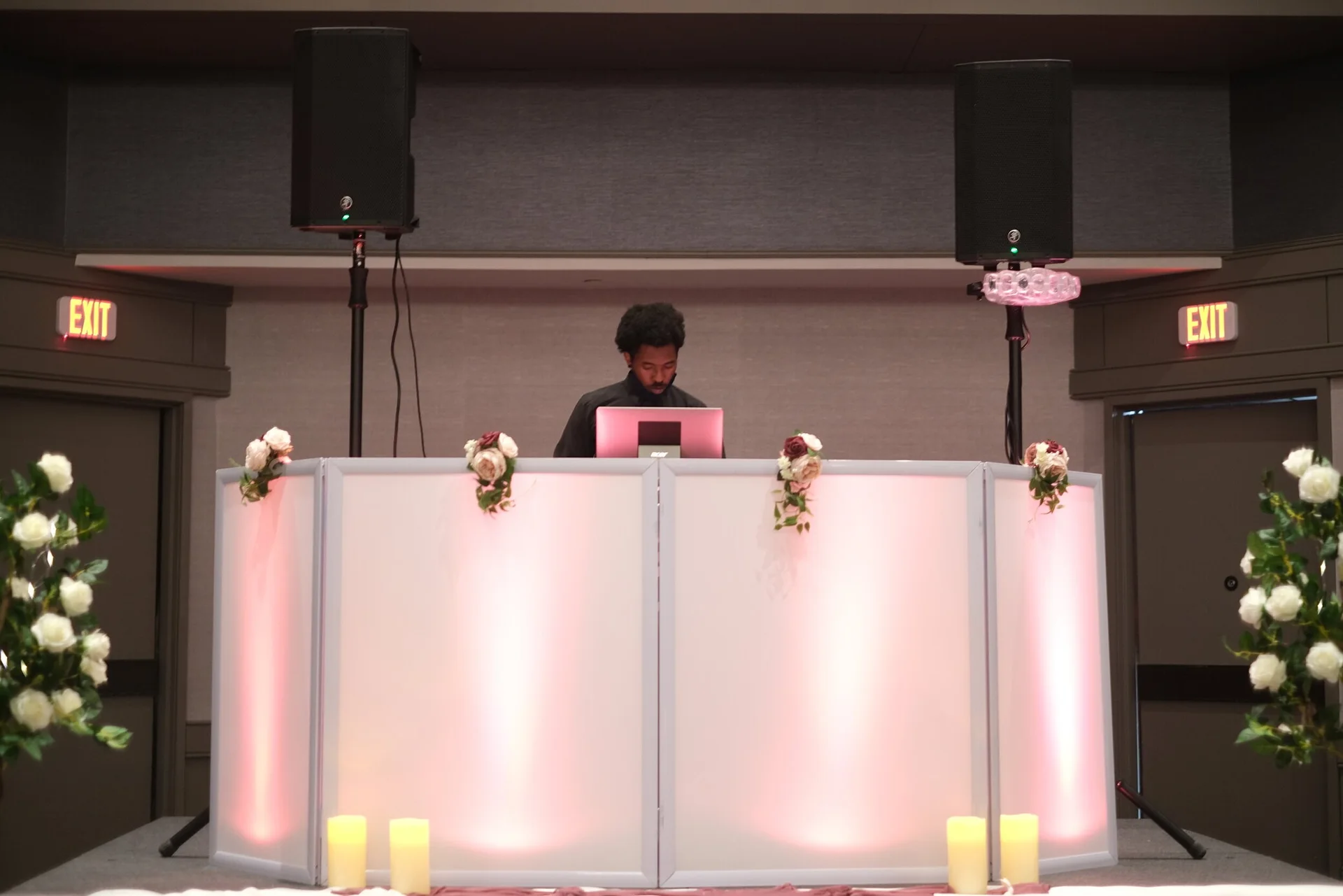
This is also where a live pro earns their keep. Timing a song to end right as you reach the altar, or fading gently between pieces, is a craft. A phone playlist just plays; a DJ reads the room and hits the cue. That difference is what makes a ceremony feel polished instead of clunky.
Handling family expectations
Let’s be real about the tricky part. Sometimes the couple wants one thing and the parents or grandparents expect another. Music can get emotional fast when faith and tradition are involved.
The good news is that a blend usually keeps everyone happy. Give the older generation a familiar hymn somewhere in the ceremony, and they feel honored even if the rest is personal to you. A small gesture goes a long way toward peace.
My advice: decide as a couple first, then share the plan warmly instead of asking for a vote. It’s your day, and your song choices should feel like yours — but a little kindness toward family makes the whole thing smoother. Curious how I help couples navigate all this? You can meet your DJ and we’ll talk it through.
Choosing your music in Rochester Hills
So how do you land on your final picks? Start with the feeling you want — reverent, romantic, joyful, personal — and let that guide you toward hymns, secular songs, or a mix of both.
Rochester Hills has beautiful spots for every kind of ceremony, from historic churches near downtown to garden venues along the Clinton River. Wherever you’re saying “I do,” check the venue’s music rules early and build your song list around the moments. For more planning help across the whole day, browse more wedding tips anytime.
At the end of it, the goal is simple: a ceremony where the music feels unmistakably like you, and every guest feels the emotion you intended. If you’d like help choosing and timing your ceremony songs, my Rochester Hills wedding guide and I are ready to build the perfect list with you.