Speech Timing in the Reception Flow
Toasts can be the sweetest part of the night — or the moment the whole room checks out. The difference almost always comes down to speech timing. Slot the speeches in the wrong spot and dinner stalls, the food goes cold, and Uncle Rick rambles for nine minutes while servers hover in the back. Put them in the right spot and they land warm, tight, and right when people are ready to listen. Here’s exactly where toasts fit in your reception flow so they lift the night instead of grinding it to a halt.
In this article
Why speech timing makes or breaks dinner
Let’s name the problem first. Speeches and food are fighting for the same window, and if you don’t plan it, they collide. Servers can’t clear plates during a toast, and guests can’t enjoy a story while a steak steams in front of them.
Good speech timing solves this by giving each thing its own moment. When toasts land in the natural gaps between courses, nobody’s rushed and nothing gets cold. The room actually leans in, because they’re not distracted by a fork or a hungry stomach.
Here’s the reassuring part. You don’t need to be a wedding pro to get this right. You just need to know the reception’s natural rhythm and drop the speeches into the pauses that already exist. Once you see the flow, it clicks fast.
There’s a mood factor, too. Toasts are often the most emotional part of the night, full of laughs and a few happy tears. When they land at the right time, that feeling carries straight into the dancing. When they land at the wrong time — say, while people are hungry or antsy — even a beautiful speech gets a lukewarm response. Timing protects the emotion, not just the schedule.
The classic reception flow, step by step
Most receptions follow a rhythm that’s been tested at thousands of weddings, and it works. Here’s the usual order once guests sit down.
Grand entrance kicks it off, then straight into the first dance while everyone’s already watching. After that, a quick welcome toast, then dinner is served. Between or after courses come the main speeches. Then you roll into parent dances, the cake cutting, and finally open the dance floor for the rest of the night.
See how the speeches sit in the middle? That’s on purpose. They bridge the calm dinner energy into the party energy that follows. Get that bridge right and the whole night flows. If you want the full arc of how a reception builds, my wedding DJ services page maps out every beat from entrance to last song.
Where speeches actually fit best
So what’s the sweet spot? For most weddings, the best window is right after the main course is served but before dessert. People are fed, happy, and settled — the perfect audience.
There’s a smart trick here. Have the welcome toast (usually a parent or the couple) happen right before dinner is served. It doubles as the “please eat” signal. Then save the longer best man and maid of honor speeches for after the entrees land. That way the emotional stories hit a warm, full room.
Avoid one common trap: never stack all the speeches back-to-back-to-back on an empty stomach. Four toasts in a row before anyone’s eaten is a recipe for a restless room. According to WeddingWire’s reception timeline guide, spacing toasts around the meal keeps guests engaged instead of antsy.
Speeches don’t compete with dinner when you give each one its own moment — toasts in the gaps, forks in between.
Who speaks, and in what order
Order matters more than people think. A good sequence builds emotion instead of scattering it. Here’s the flow I see work best.
Start with the welcome from a parent or host, short and warm. Then the best man and maid of honor, who bring the laughs and the heartfelt stuff. Close with a thank-you from the couple, which wraps everything with gratitude and signals the party’s about to start.
That last one is a secret weapon. When the couple speaks last and ends with “now let’s dance,” it’s a natural launch into the open floor. The energy has somewhere to go. For more ways to shape your night, browse more wedding planning tips whenever you’re mapping things out.
One caution on the guest list of speakers: keep it tight. It’s tempting to hand the mic to everyone who asks, but four or five toasts is usually the ceiling. Beyond that, the room fatigues no matter how good the speeches are. If several people want to say something, suggest they team up or save it for a smaller moment like the rehearsal dinner. Wedding planners at Zola’s toast-order guide recommend capping the lineup for exactly this reason — fewer, sharper toasts always beat a long parade of them.
Key takeaway: Put the welcome toast right before dinner and save the longer speeches for after the main course. Keep the order building — welcome, best man, maid of honor, couple — and end on a note that launches the dance floor.
How long each toast should run
Here’s what a lot of couples miss: the number one killer of speech time isn’t the number of speeches. It’s the length of each one. One rambling nine-minute toast does more damage than three tight ones.
My rule of thumb is simple. Aim for two to three minutes per speaker, five max. Tell your speakers this ahead of time, kindly but clearly. Most people have no idea how long two minutes feels, so a heads-up saves everyone.
Give them a gentle structure, too: one story, one nice thing about the couple, one toast to close. That frame keeps folks from wandering. And if you’re worried about a talker, ask your DJ to have a soft “wrap it up” cue ready. A little music swell under the final line works wonders without embarrassing anyone.
Keep the total speech block under 20 minutes if you can. Beyond that, even a fed room starts to drift. Short and sweet always wins, and your guests will thank you by staying on the dance floor longer.
Notes are your friend, and so is a quick practice run. Encourage each speaker to jot down bullet points and read them out loud once before the day. That single rehearsal is the difference between a tight two minutes and a nervous ramble. It also helps them cut the parts that only make sense to five people in the room. A speech that’s practiced feels effortless, and effortless is exactly what keeps a reception moving.
How your DJ keeps it on track
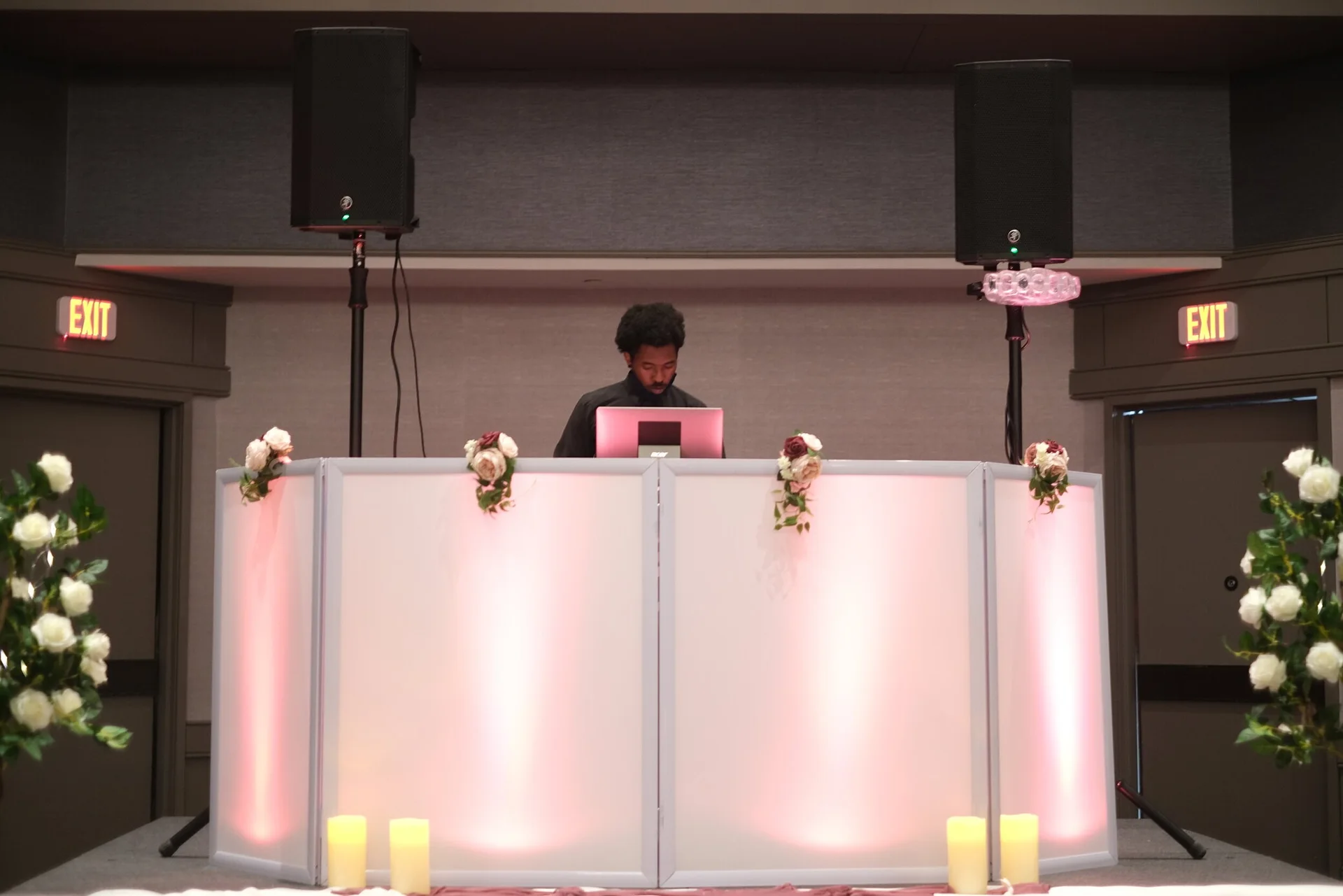
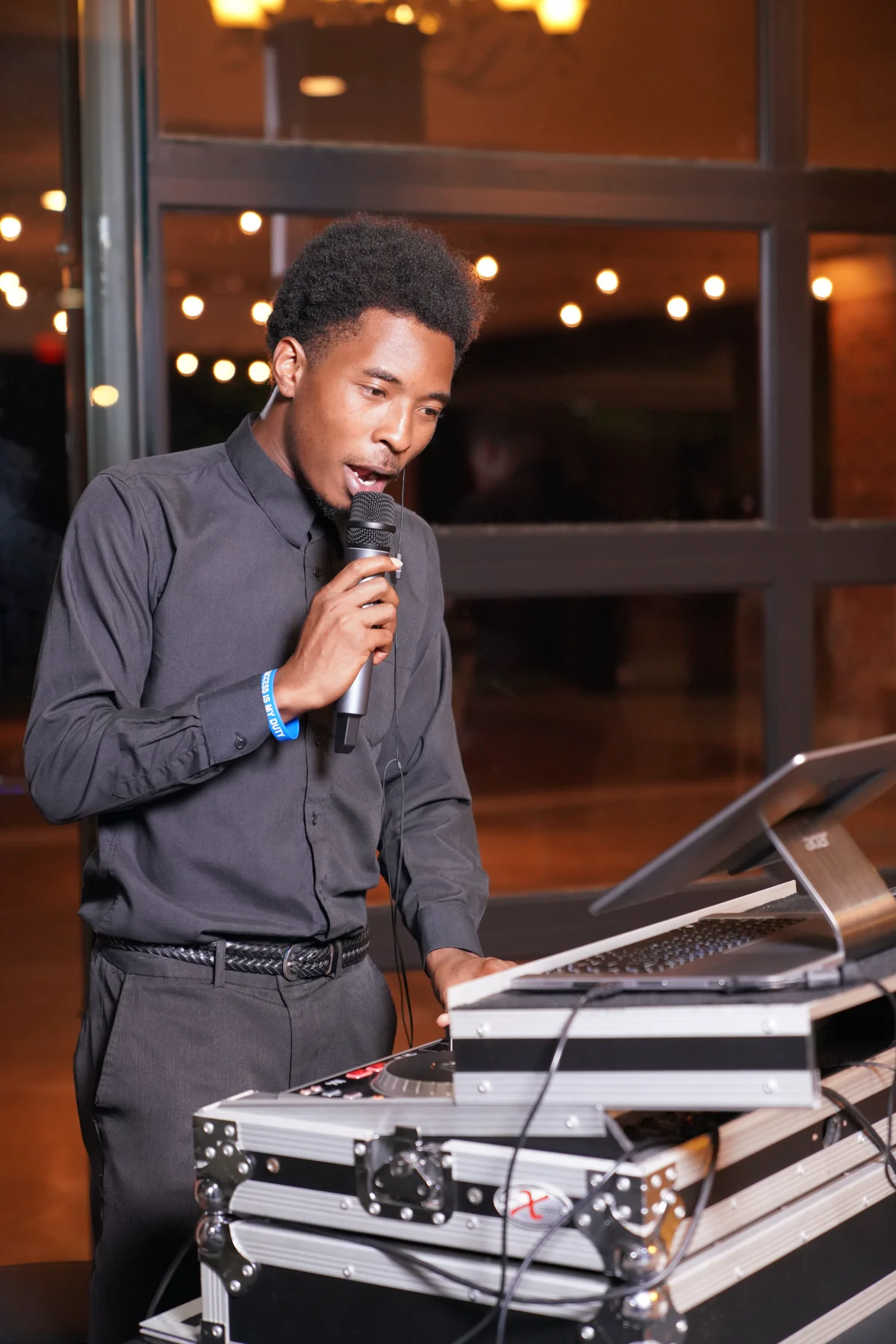
This is where a live DJ or MC earns their spot. Timing the mic is a skill, and it’s a big part of what I do beyond just playing songs.
When I run a reception, I coordinate with the catering team so I never call a toast while plates are being served. I introduce each speaker by name with a quick, warm line, hand off the mic cleanly, and I’m right there to take it back the second they finish. No awkward “who’s next” pauses. Nailing speech timing is really about managing those handoffs so the room never loses its rhythm.
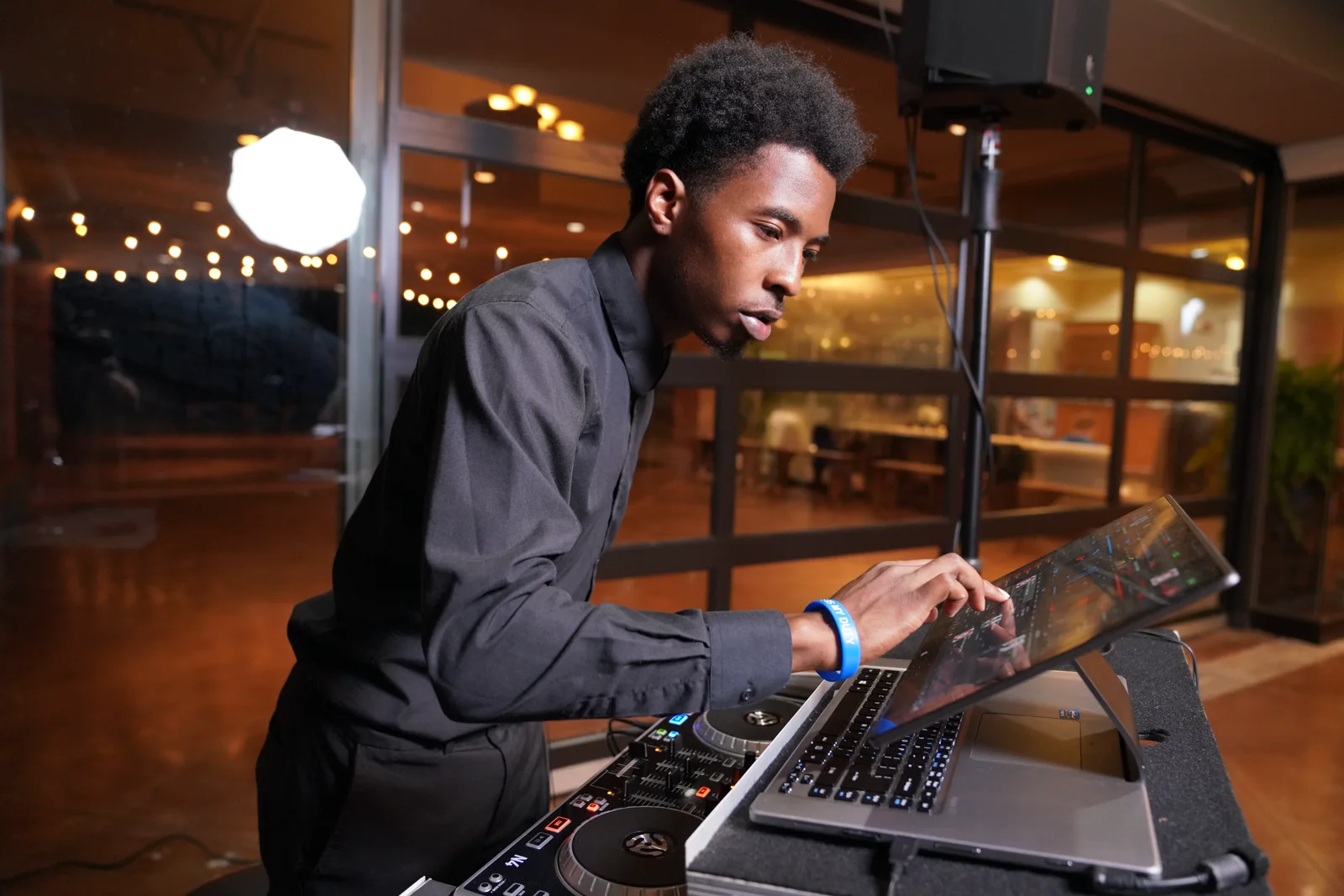
I also read the energy live. If dinner is running behind, I can shift a toast a few minutes without anyone noticing. That flexibility is the whole point of hiring a person instead of a playlist. Curious how I think about the flow of a whole night? Come meet your DJ and I’ll walk you through my approach.
Building your timeline in Birmingham
So how do you put this on paper for your own day? Start with your dinner service style. A plated meal has clear course breaks, which makes toast placement easy. A buffet is looser, so you’ll want to time speeches for when most people are back at their seats.
Then loop in your DJ and your caterer together. Whether you’re celebrating at a country club off Woodward or a downtown Birmingham venue near Shain Park, the same logic holds: match the toasts to the meal’s natural pauses and keep each one short. Write the order down, share it with your speakers, and you’re set.
Build in a little cushion, too. Weddings almost never run exactly on time, so leave a few flexible minutes around the speech block. If cocktail hour runs long or the entrees come out late, that cushion lets you slide the toasts a bit without cutting anything. A rigid, minute-by-minute plan cracks the second dinner runs behind; a plan with a little give bends and keeps flowing. That flexibility is what separates a night that feels smooth from one that feels rushed.
At the end of the day, great speech timing is invisible. Nobody notices it — they just notice the night flowed and the toasts felt right. If you want a hand building a timeline that keeps dinner moving and the speeches sweet, my Birmingham wedding DJ guide lays out the whole reception, and I’m always glad to plan it with you.