What’s in a DJ Lighting Package? Tiers Explained
Shopping for a DJ, you’ll see the words lighting package pop up in almost every quote — usually basic, mid, and premium. But what’s the actual difference, and which one does your room need? Good news: it’s simpler than it looks. Each tier just adds a layer of glow on top of the last. Once you can picture what each one puts in the room, you’ll know exactly where to spend and where to save for your Sterling Heights celebration. Let’s walk through all three, plain and simple.
In this article
Why lighting comes in tiers
First, why tiers at all? Because every wedding is different, and one price doesn’t fit every room. A small backyard party and a 250-guest ballroom need totally different amounts of gear. Tiers let you pick the level of glow that matches your space and your budget instead of overpaying or coming up short.
Here’s the helpful part: a good lighting package is built in layers. The basic tier is the foundation. The mid tier stacks color and movement on top. The premium tier adds the wow moments. Nothing gets replaced as you climb — it just gets richer. So thinking about it is easy: how much layering does your room want?
Knowing the tiers also protects you. When two quotes look far apart in price, it’s almost always because they’re different tiers. Once you can name what’s in each, you can compare apples to apples and spot a fair deal fast.
The basic tier: clean and simple
Let’s start at the ground floor. The basic lighting package is usually straight uplighting — fixtures placed around the room’s edges that wash the walls in one or two colors. It’s the single biggest upgrade you can make to a plain banquet hall, and it’s the layer everything else builds on. Even The Knot’s lighting guide calls uplighting the foundation that every other effect sits on top of.
What you get: a warm, even glow that matches your palette and makes every photo look richer. What you don’t get: moving lights, dance floor effects, or special pieces. For an intimate wedding, or a couple who mostly wants a pretty room and great pictures, basic is often plenty.
Curious how a basic wall wash looks in different colors? Our room color guide shows the same space in a handful of palettes so you can picture yours.
The mid tier: color and movement
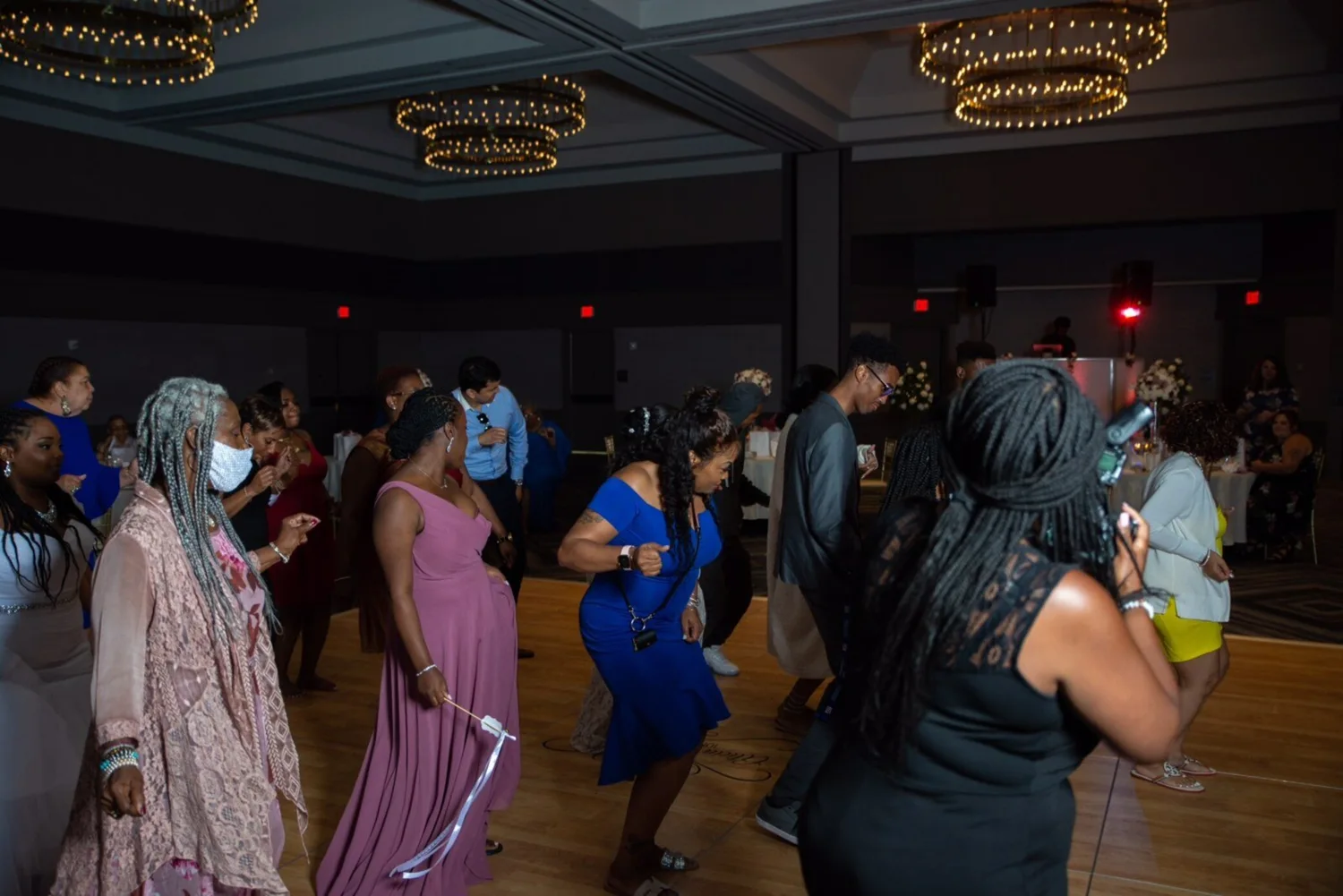
Now we add energy. The mid tier keeps all that uplighting and stacks on dance floor effects — moving beams and washes that shift with the music. This is where the room stops being just pretty and starts feeling like a party.
The big change is motion. Basic uplighting glows steady; mid-tier lights react to the beat. When a song drops, the floor pulses with it, and that pull is what gets people up and keeps them there. Most couples who want real dancing land here, because it’s the sweet spot of impact for the money.
Mid tier often adds color mixing too, so your DJ can shift the room from warm and soft during dinner to bright and lively once the floor opens. According to WeddingWire’s lighting guide, that ability to change the room’s mood through the night is one of the biggest reasons couples upgrade past basic.
You’re not really buying lights — you’re buying the way a room feels at 6 p.m., at 9 p.m., and at midnight. Each tier just gives your DJ more ways to shape it.
The premium tier: the full show
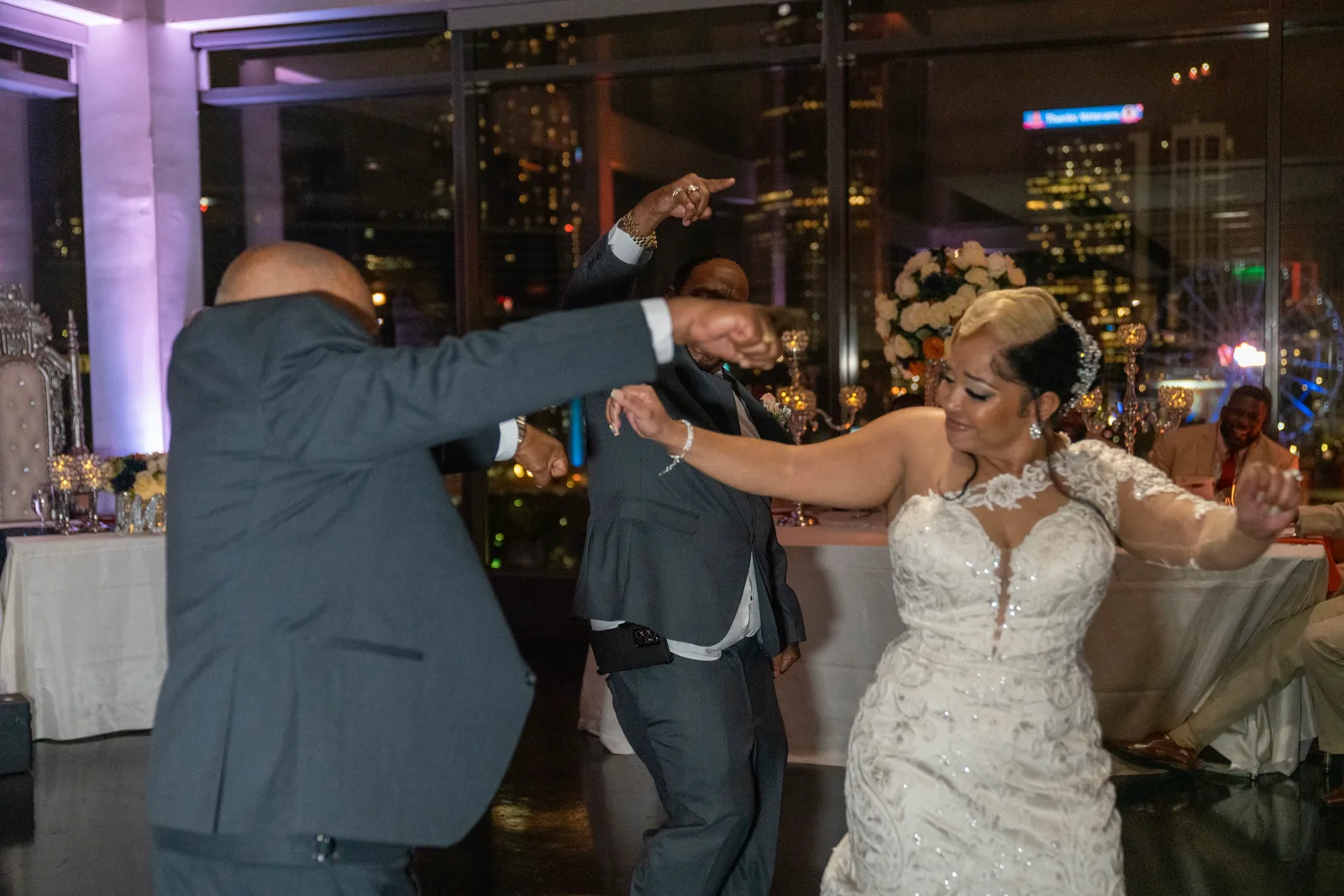
Top of the ladder: the premium lighting package. This keeps everything below it and adds the showstoppers. Think a custom monogram with your names or initials projected on the wall or floor, haze so the dance floor beams cut through the air like a concert, and extra accent pieces like pin spots on your cake or head table.
Premium is about signature moments. That monogram becomes a photo backdrop all night. The haze turns simple beams into something people literally point at. It’s the tier for couples who want their reception to feel like an event guests talk about for years.
Is it necessary? No — plenty of gorgeous weddings run on the mid tier. But if you’re a couple who loves a big look and wants every detail dialed up, premium delivers. Here’s what a lot of couples miss, though: premium only shines when someone skilled runs it. All that gear is just clutter if the person behind it can’t aim a beam or time a reveal. The tier matters less than the hands running it.
Key takeaway: Lighting packages layer up — basic is uplighting, mid adds moving dance floor effects, premium adds monograms, haze, and accents. Most couples who want real dancing land at mid. Whatever tier you pick, the skill of the person running it matters more than the gear itself.
How to choose your tier
So which one is right for you? Start with a simple question: what do you want the night to feel like? If you’re dreaming of a warm, romantic room and beautiful photos, basic uplighting may be all you need. If you want a packed floor, go mid. If you want jaw-drop moments, go premium.
Next, think about your room size. Bigger halls swallow light, so they often need at least the mid tier to feel full. A cozy space can look stunning on basic. Then factor your crowd — a dance-heavy family loves the energy of mid or premium, while a mellow, mingling group may not need the moving beams at all.
One more tip: don’t buy a tier for gear you won’t use. A monogram is lovely, but if you’d rather put that money toward the dance floor effects that actually fill your floor, do that. Match the package to your priorities, not to a checklist. Want more help weighing it? Browse more planning tips anytime.
Questions to ask before you book
Before you sign anything, ask a few smart questions. They’ll save you from surprises and help you compare quotes fairly.
Ask exactly how many fixtures come with each tier — “uplighting” could mean six lights or sixteen, and that changes how full your room looks. Ask whether setup and teardown are included in the price or billed separately. Ask if the lights are sound-active or set to one static look. And ask who actually runs them on the night: the same DJ, or a separate tech?
That last one matters most. When one team runs your music and your lights together, the room breathes as one — the color follows the song, the beams follow the beat. If you want to see how I handle the whole setup end to end, my Sterling Heights wedding guide walks through sound, mic, and light in one place.
Picking a package in Sterling Heights
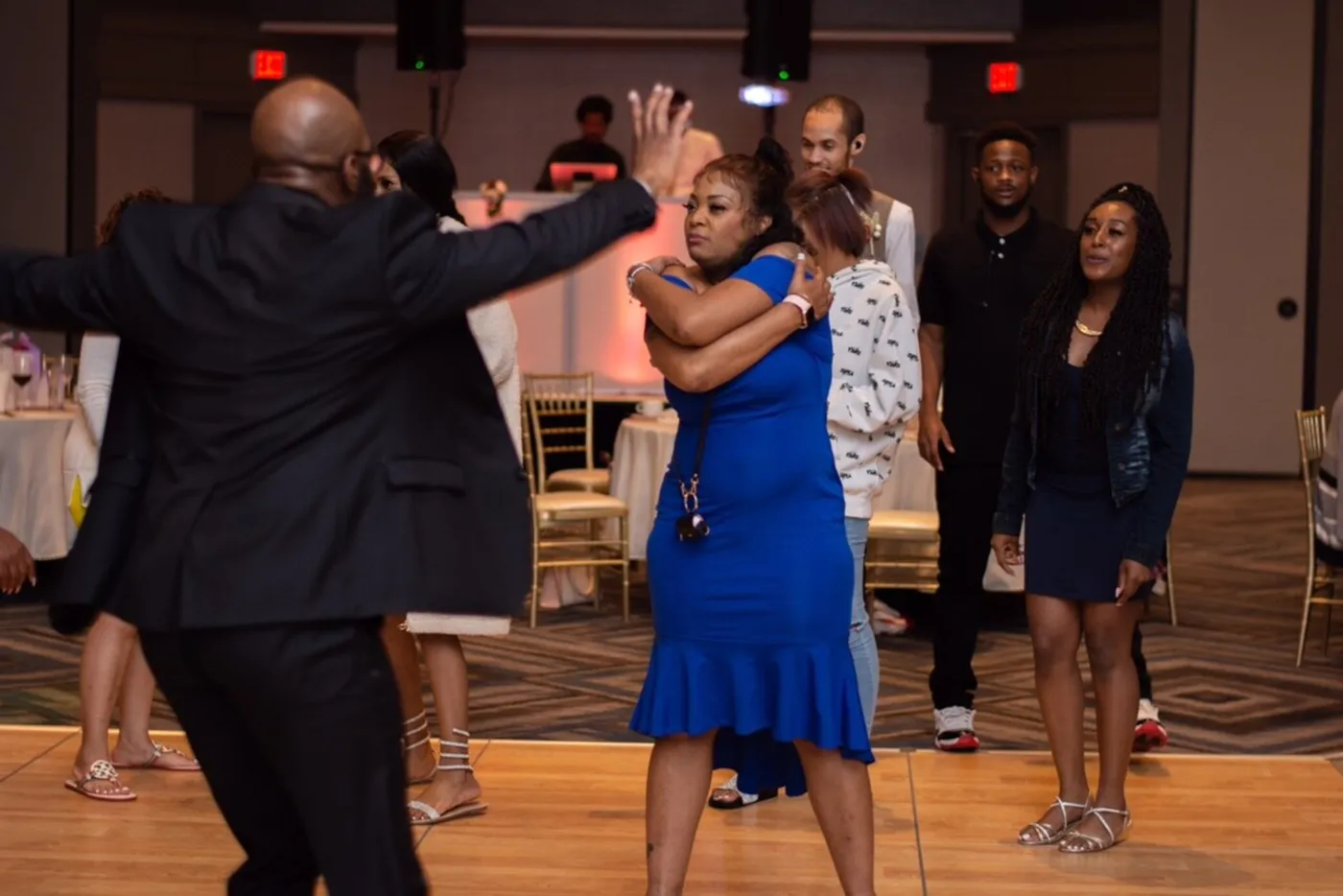
So how does this shake out for a real Sterling Heights wedding? Start with your venue. A big hall out near Lakeside or a reception space off M-59 will usually want at least the mid tier so the room feels full and alive. A smaller, more intimate spot can shine on basic. Tell your DJ the room and the guest count, and the right tier gets obvious.
Then match the package to the night you picture. Romantic and photo-focused? Basic or mid. Big dance party? Mid or premium. Want signature wow moments and a monogram in every photo? Premium is your tier. There’s no wrong pick — only the one that fits your celebration.
At the end of the day, a lighting package is just a way to shape how your room feels from dinner to the last song. Pick the layers you’ll actually use, put your money where your priorities are, and make sure a skilled person is running the show. If you’d like a hand matching a tier to your room, you can meet your DJ and we’ll build it around your night. The right glow is closer than you think.