
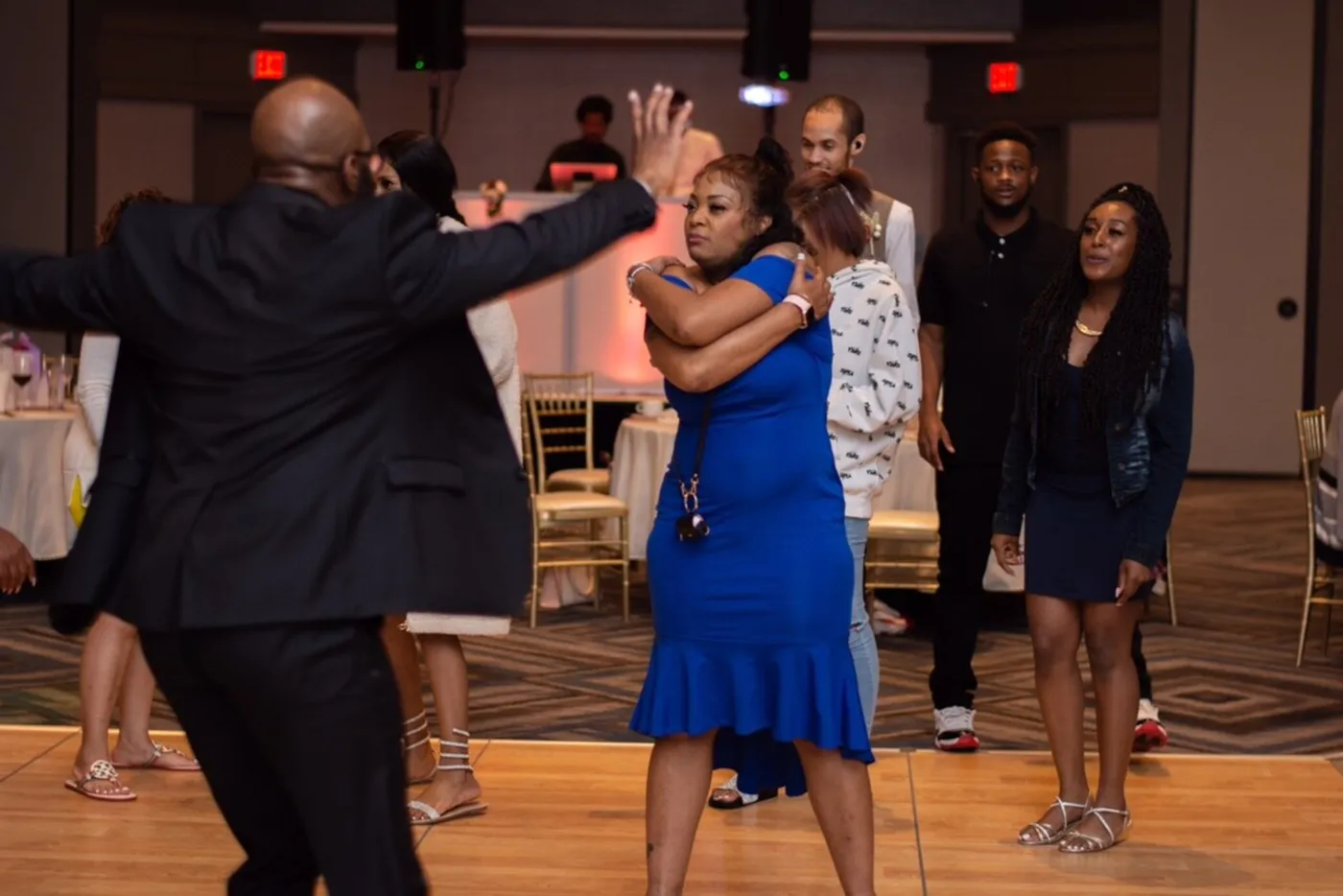
Low-Light Receptions: Setting a Moody Glow
Bright ballroom lights make a room feel like a conference, not a celebration. That’s why moody reception lighting is one of the hottest looks in weddings right now — a warm, dim, cinematic glow that makes everyone look great and every candle count. The dim isn’t about hiding the room; it’s about shaping it. Done right, it turns a plain hall into an intimate, glowing space that feels straight out of a movie. Here’s how the low-light look works, when it shines, and how to keep it flattering all night.
In this article
Why couples are turning the lights down
Let’s talk about why this trend took off. For years, receptions ran under full house lights — bright, even, and a little flat. It works, but it doesn’t feel special. Then couples started asking for something warmer, and moody reception lighting was the answer.
The appeal is simple: a dim room feels intimate. When the overhead lights come down and warm glows take over, people lean in. Conversations get closer. The candles on the tables suddenly matter. The whole space feels like it was built just for your night.
There’s also a flattering bonus. Soft, low light is kind to everyone in the room. Harsh overheads cast shadows and wash people out. A warm, gentle glow smooths all that over — your guests literally look better, and they feel it too.
And it photographs like a dream. That cinematic, glowing look you save on Pinterest? Most of the time, that’s a dimmed room with smart uplighting doing the work. It’s one of the biggest style upgrades you can make, and it doesn’t cost a thing to turn down a light.
How moody lighting actually works
So what’s really happening here? It’s not just flipping off the switch. Moody lighting is a mix of two moves: bringing the harsh overhead light down, and adding warm, directed light back in the right places.
First, the room’s house lights come way down — but not off. Then uplighting washes the walls in a warm tone, which gives the space a colored glow instead of a black void. Add pin-spots on the centerpieces and the cake, and those become little islands of light around the room. The effect is layered and rich.
Think of it like a restaurant you love. The best ones aren’t bright — they’re softly lit, with pools of warm light on each table. That’s exactly the recipe here. If you want to see how the wall wash and spots come together, my room glow setup page breaks down the layers.
The key word is layers. A single dim bulb overhead just looks gloomy. But dim overheads plus warm walls plus little pools of light on the tables? That’s cozy and cinematic. Good low-light design is about adding the right light back, not just taking it away.
The best colors for a low-light glow
Color choice makes or breaks the moody look. Some tones create a warm, inviting glow. Others make a dim room feel cold or even a little spooky. So let’s pick well.
Warm amber is the champion. It mimics candlelight and makes skin look golden and healthy. If you only pick one color for a low-light reception, make it amber. It’s cozy, romantic, and universally flattering.
Soft pink and blush come next. They add a gentle romance to the room without going cold. Perfect for a dreamy, storybook feel — and they photograph beautifully in a dim space.
Deep jewel tones like rich purple or warm magenta work for a dramatic, luxe vibe. Use them on the walls while keeping tables warmly lit. What to avoid in a low-light room? Cold blue and heavy green — in the dark, they can tip from moody to gloomy fast.
Turning the lights down isn’t about hiding the room — it’s about shaping it, so every candle glows and every face looks its best.
When to go dim (and when not to)
Here’s what a lot of couples miss: you don’t want the whole night dim. The magic is in the shift. A room that goes from friendly and open during dinner to dark and glowing for dancing feels like it leveled up. If it’s dim the whole time, that contrast is gone.
So here’s the rhythm I like. Keep things brighter and warm during the entrance, dinner, and toasts — enough for people to see their food, find their seats, and read the room. Then, right as dancing begins, I drop the house lights, push the color, and the whole space transforms. Guests actually feel the change, and that feeling is a big part of the fun.
There are moments to keep a little brighter no matter what. Speeches need faces lit. The cake cutting needs to be visible for photos. And when older guests are moving around during dinner, a bit more light keeps things safe and comfortable. A live DJ reads all of that and adjusts on the fly — which is exactly why the timing lands.
Key takeaway: Moody lighting works by dimming harsh overheads and adding warm, layered light back — amber and blush lead the way. Save the deepest dim for dancing, keep faces lit during toasts and cake, and let the shift from bright to glowing feel like an event.
Keeping it dim but still flattering
The number-one worry about low light is fair: “What if it’s too dark to see anything?” Great news — that’s easy to avoid. Moody doesn’t mean pitch black. It means controlled dark.
The trick is those layers again. When the walls glow warm and each table has its own soft pool of light, a dim room still feels open and easy to move through. Nobody’s bumping into chairs. People can see each other’s faces across the table. It’s dark like a nice cocktail lounge, not dark like a power outage.
Faces are the priority. As long as there’s warm light reaching the people — from the walls, from candles, from a soft spot here and there — a low-light room stays flattering and safe. According to WeddingWire’s lighting ideas, layered light is what separates a moody room from a merely dark one.
And here’s the reassuring part: a pro plans for all of this. I set light levels for each part of the night before your guests ever walk in, then fine-tune live. You get the dreamy glow without any of the “I can’t find my table” problems.
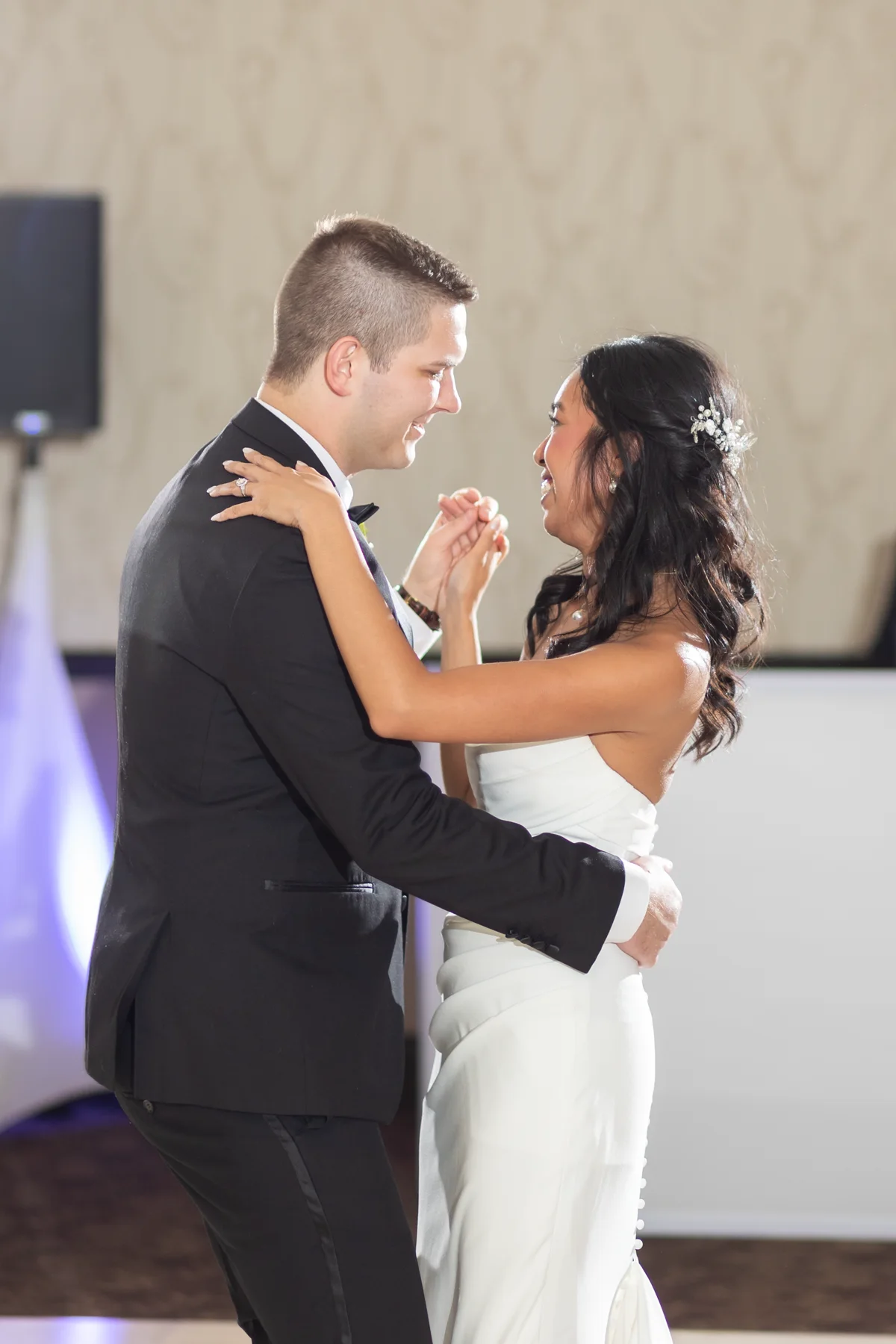
Common low-light mistakes to dodge
A few slip-ups turn a moody room into a murky one. Let’s name them so yours stays gorgeous.
First: going fully dark with no layers. A room with the lights just switched off looks gloomy and feels awkward. Always add warm glow back — walls, tables, candles. The dim needs company.
Second: cold colors in a dark room. As I mentioned, heavy blue or green in low light can feel chilly or eerie. Warm tones keep a dim room inviting instead of unsettling.
Third: dimming during the wrong moments. A pitch-black toast means nobody can see the person speaking, and the photos suffer. Keep key moments lit. And fourth: forgetting the practical spots — the bar, the entrance, the walkways. Those need enough light for safety even when the main room glows low. Balance the mood with the basics and you’re golden.
Setting the mood in Farmington Hills
So how do you make this happen for your day? Start by talking to your DJ or lighting pro early about the look you want. Share a few of those cinematic photos you’ve saved — they tell us exactly the vibe you’re after.
Then trust the plan. A good pro sets light levels for each moment and adjusts live, so you never have to think about it once the party starts. Whether you’re celebrating near Twelve Oaks, at a hall off Grand River Avenue, or somewhere quiet around Farmington Hills, the moody look works in almost any room. Want more ideas like this? Browse more reception ideas anytime, and The Knot’s lighting guide is a helpful place to gather inspiration.
In the end, this is about walking into your reception and feeling something. A warm, glowing room that wraps around your guests and makes the whole night feel intimate and special. That’s what the dim is really for. If you’d like a DJ who shapes the light as carefully as the music, say hello and we’ll design it together — and for the full plan, my Farmington Hills wedding guide covers every piece.