Quinceanera Vals & Surprise Dance Guide
The quinceanera vals is the heart of the whole celebration. It’s the elegant waltz where the birthday girl dances with her court, her chambelanes, and often her dad — and it’s the moment the whole room reaches for their tissues. Then comes the twist: the choreographed surprise dance that flips the mood from graceful to full-on fun. Get both of these right and you’ve built the emotional backbone of the party. Here’s how the vals and the surprise dance work, and how to plan them so each one lands exactly the way you’re picturing it.
In this article
What the vals actually is
Let’s start with the basics. The quinceanera vals is a formal waltz performed by the quinceañera and her court. It’s graceful, rehearsed, and deeply meaningful — a symbol of the young woman stepping into a new chapter. Often it includes a special dance with her father, which is usually the moment nobody in the room gets through dry-eyed.
The vals isn’t just pretty; it’s the emotional anchor of the night. Everything before it builds up to this, and everything after it lets loose. That’s why it deserves real planning. A rushed or awkward vals can deflate a room, while a smooth one sets a tone of elegance the whole party remembers.
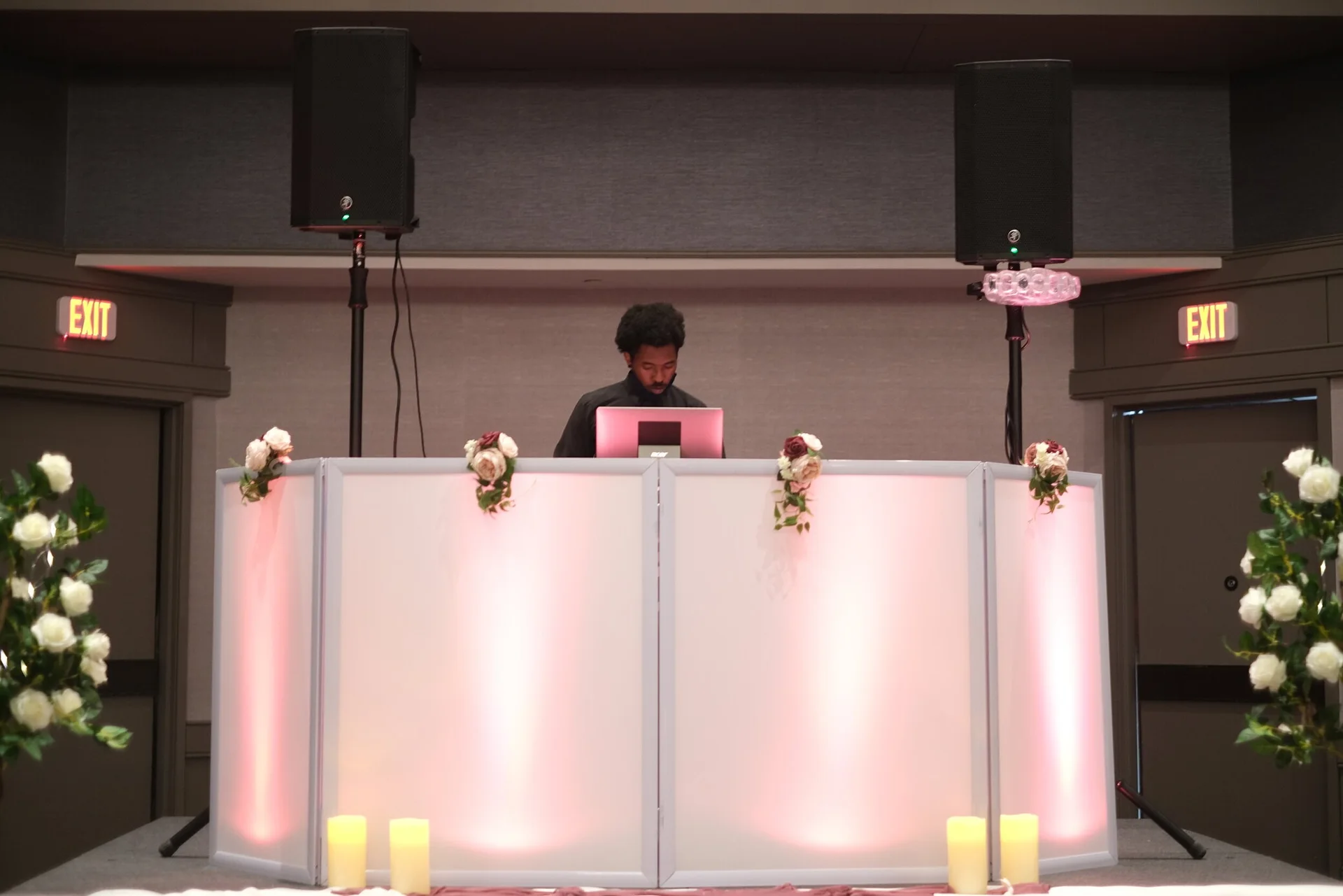
Traditionally, the court practices the waltz choreography for weeks. The chambelanes escort the quinceañera, formations shift, and it all flows to a chosen piece of music. When the timing is right, it feels like a scene from a movie. If you want to see how I handle these formal moments alongside the rest of the night, our DJ services page breaks down the flow.
Choosing the right waltz song
Song choice makes or breaks the vals. You want something graceful with a clear three-count rhythm the court can move to. Many families choose a classic Spanish waltz, a meaningful ballad, or a modern song arranged in waltz time. The key is that it feels personal.
Here’s my advice: pick the song early, because the choreography gets built around it. Changing the track two weeks before the party means relearning the whole routine, and that stress is the last thing you need. Lock the song, then let the practices shape around it.
Length matters too. Most vals routines run three to four minutes — long enough to feel special, short enough to hold everyone’s attention. If your chosen song runs long, a good DJ can create a clean edit so it ends right on the final pose instead of trailing off. Little details like that make the moment look polished.
The surprise dance: from graceful to fun
Now for the crowd favorite — the surprise dance, or baile sorpresa. Right after the elegant vals, the quinceañera and her court launch into a high-energy choreographed number that catches everyone off guard. The lights change, the beat drops, and suddenly the same kids who just waltzed are hitting a routine to reggaeton, pop, or a mashup of favorites.
The contrast is the whole point. You go from graceful and formal to loud and fun in a single beat, and the room loses it. Guests love it because it shows off the personality of the birthday girl and gives the court a chance to shine. It’s usually the most-watched, most-recorded moment of the entire party.
The best surprise dances mix a few songs and a few moods — a little sass, a little humor, maybe a costume change or a fun prop. There’s no single right formula, which is what makes each one special. According to Zola’s event planning advice, the moments guests remember most are the ones that feel personal and a little unexpected — and the surprise dance is exactly that.
The vals shows who she’s becoming; the surprise dance shows who she already is. Together, they’re the two-minute story of the whole night.
Practice, timing, and the big reveal
Both dances take practice, and that’s where families sometimes underestimate the work. A polished vals and a tight surprise dance usually mean six to eight weeks of rehearsals with the court. Start early, keep sessions short and fun, and the routines will feel natural by the big day.
Timing on the night matters just as much. The vals typically comes after dinner and formal introductions, once everyone is seated and paying attention. If you’re mapping the full run of the night, The Knot’s quinceañera traditions guide lays out where each ritual usually falls. The surprise dance follows right on its heels — that immediate flip from formal to fun is what makes it hit. Leave too big a gap and you lose the surprise.
The reveal itself is all about the setup. A quick dimming of the lights, a beat of silence, then the drop. Done well, guests gasp and cheer before the first move even lands. That’s the payoff for all those weeks of practice.
Key takeaway: The vals and the surprise dance are a matched set — one graceful, one wild. Lock your songs early, rehearse for six to eight weeks, and keep the transition between them tight. The sudden flip from waltz to party is the moment guests never forget.
Here’s what a lot of families miss: the surprise dance isn’t just for the guests — it’s a gift the court gives the birthday girl. Those weeks of practice, the inside jokes, the shared nerves before the reveal — that bonding is half the magic. So don’t stress about perfection. A few small stumbles just prove it’s real, and the room loves it even more for that.
How the DJ makes the transition smooth
This is where a DJ quietly saves the day. The switch from the vals to the surprise dance has to be instant and clean — no fumbling for the next track, no awkward “okay, here we go.” One second it’s the last note of the waltz, the next it’s the beat of the surprise number. That seam has to disappear.
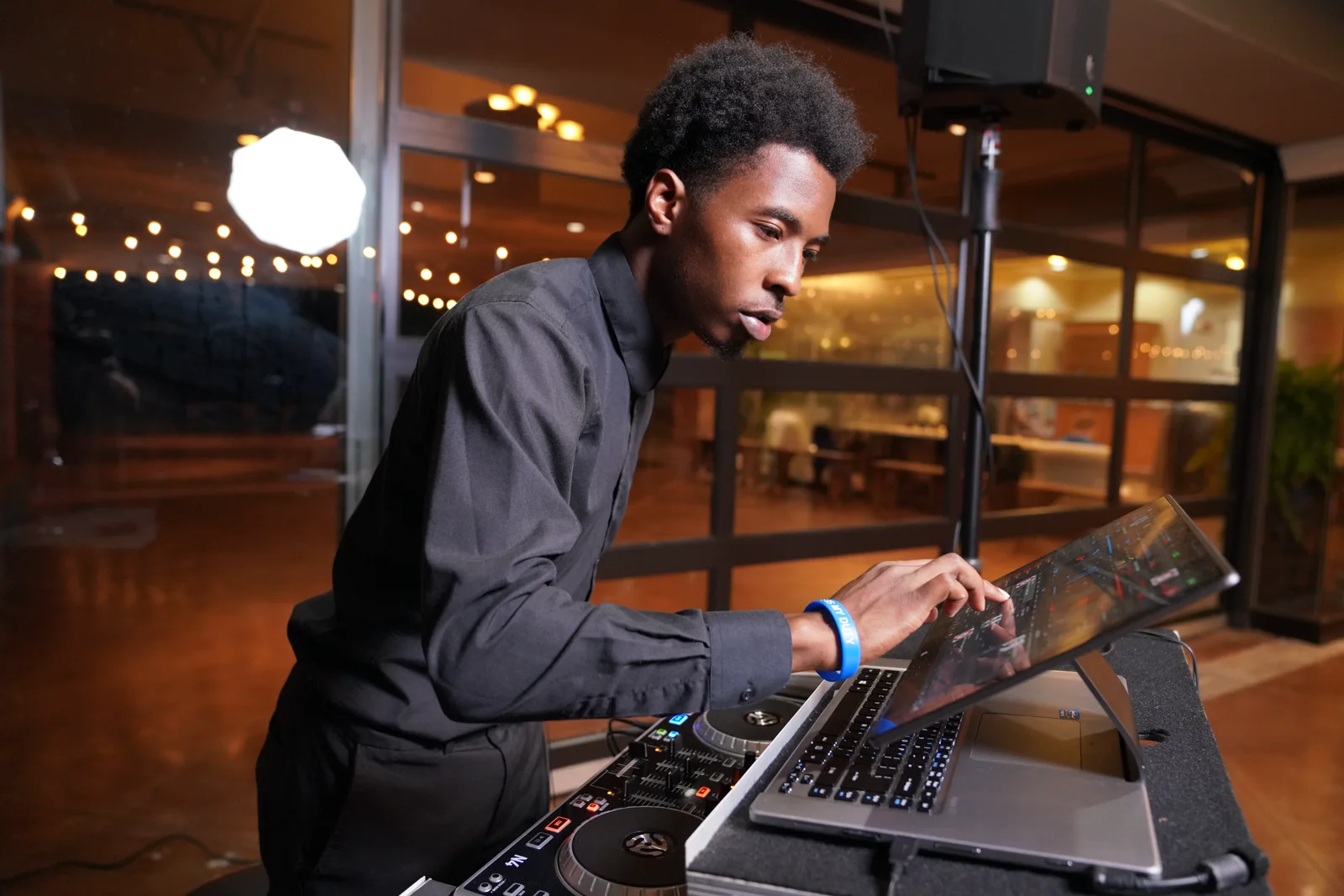
When I run a quinceañera, I edit the vals song to end exactly on the final pose, then cue the surprise track so it drops the instant the lights change. I coordinate with whoever runs the lights so the whole flip — sound, lighting, energy — happens as one motion. That coordination is what turns a nice routine into a jaw-dropping one.
I also handle the mic work: introducing the court, cueing the crowd to gather, and building anticipation right before the reveal. All of that invisible timing is the difference between a moment that pops and one that stumbles. If you’d like to hear how I approach these celebrations, you can meet your DJ and we’ll map out your daughter’s night together.
Common mistakes (and easy fixes)
A few slip-ups come up again and again, and every one of them is easy to avoid. First: changing the song too late. Lock your music early so the choreography has time to settle. Second: leaving a gap between the vals and the surprise dance. Keep them back-to-back so the flip stays sharp.
Third mistake: not rehearsing with the actual music and space. Practicing in a living room is fine to start, but run it at least once with the real song, at full length, so nobody’s counting in their head on the big day. And fourth: forgetting to tell the DJ your exact edits and cues ahead of time. Surprises are great for guests, not for your DJ.
The fix for all of these is simple — plan early and communicate. Give your DJ the songs, the timing, and any special cues well before the party. When everyone’s on the same page, both dances run like clockwork and you get to just enjoy watching your daughter shine.
Planning yours in Detroit
Pulling this together in Detroit comes down to the same few things: pick your songs early, rehearse the court, and line up a DJ who knows how to handle the vals-to-surprise transition. Whether you’re celebrating in a hall in southwest Detroit, near Mexicantown, or out in the suburbs, the playbook holds anywhere.
Start with the songs and the choreographer, then build the timeline backward from your party date. Give yourself those six to eight weeks of practice, and don’t let the surprise-dance nerves get to you — a little imperfection is part of the charm. The goal isn’t a flawless performance; it’s a moment your family will replay for years.
Most of all, remember what these two dances mean. The vals honors tradition and family; the surprise dance celebrates the young woman your daughter is becoming. Give both the care they deserve and the whole party lifts around them. For more ideas on planning a celebration, browse more party tips anytime, and for the full local rundown on venues and timelines, my Detroit celebration guide has you covered. When you’re ready, I’d love to help make her night unforgettable.