Garba Night Songs & Sangeet Sets: Troy DJ Guide
Picking the right garba night songs can be the difference between a floor that fills for one number and one that never sits down. A Gujarati sangeet and garba run on a build — slow folk claps that grow into fast dandiya raas, then Bollywood hits that keep three generations spinning. It’s a beautiful, exhausting, joyful night. But it only flows if the music is ordered right and someone reads the circle as it moves. Here’s how I build garba and sangeet sets for Troy families so the energy climbs all night and nobody wants to stop.
In this article
What makes a garba night special
Here’s what I love about a garba: everybody dances. It’s not a couples-only floor or a few brave souls while the rest watch. Grandparents, kids, cousins from out of state — they all form the circle and move together. Few celebrations are that inclusive.
That’s also why the garba night songs matter so much. The music sets the pace for the whole circle, and one bad transition can drop the energy for a hundred people at once. Get the flow right, though, and the circle just keeps spinning, faster and happier, hour after hour.
So my whole approach is built around that circle. I’m not just playing tracks — I’m feeding the dance, matching the tempo to how the room is moving. When the music and the circle lock in together, that’s the magic of a garba night.
Building the tempo: slow to fast
Every great garba set is a slow climb. You don’t open at full speed — you’d burn the room out in twenty minutes. Instead, you start gentle and let the tempo rise so people warm up, find the steps, and settle into the rhythm before it really takes off.
Here’s the arc I like. Begin with slower, traditional garba so elders and newcomers can join the claps and simple steps. As the floor fills, pick up the pace bit by bit. By the peak, you’re deep into fast raas with dandiya sticks flying and the whole circle flying with them. Then you ease back down before the next big push.
That rise-and-settle rhythm keeps people going far longer than a flat, fast set ever could. It gives the circle little breathers built right into the music, so nobody has to leave the floor to catch their breath.
Garba vs. raas: reading the circle
People sometimes lump it all together, but garba and raas have different feels. Garba is the flowing, circular clap-and-step dance, usually a touch slower and more graceful. Raas is the high-energy dandiya-stick dance, faster and more playful, with partners tapping sticks in rhythm.
A good set moves between them on purpose. I’ll run garba to build a warm, full circle, then switch into raas when the energy’s ready to explode. The sticks come out, the pace jumps, and the whole room lights up. Timing that switch is an art — too early and people aren’t warmed up, too late and you’ve missed the peak.
The only way to nail it is to watch the circle. Are people locked in and hungry for more speed, or still finding their footing? Reading that live is exactly why a real DJ beats a playlist. If you want the full rundown of how I run wedding events start to finish, my wedding DJ and MC page lays it all out.
A garba isn’t a playlist you press play on — it’s a circle you have to feel. The tempo should rise and fall with the room, not the other way around.
That feel is everything. When the DJ and the circle are in sync, the night stops feeling like an event and starts feeling like one giant, spinning family.
Key takeaway: Build the tempo from slow garba to fast raas and back, read the circle before every switch, and blend traditional folk with Bollywood so every generation stays on the floor. The music should follow the room, not fight it.
Planning the sangeet performances
The sangeet is where families shine — literally. It’s the musical night before the wedding, full of choreographed performances by the couple’s friends and relatives. Cousins learn dances for weeks, parents surprise everyone with a number, and it all needs to run smooth.
Here’s where a DJ earns their keep behind the scenes. I collect every performance track ahead of time, label them in order, and cue each one with zero fumbling. Nothing kills a sangeet’s momentum like a long silence while someone hunts for a song on their phone. So I make sure the transitions are tight and the performers can just focus on their moment.
I also help pace the night. Performances, then open garba, then a Bollywood block — a good flow keeps guests engaged instead of sitting through an hour of back-to-back routines. A little structure makes the whole sangeet feel like a show.
Sound checks matter more than people realize here, too. A lot of sangeet numbers use edited mixes or medleys the group rehearsed to, and if the levels are off or a cue comes in late, weeks of practice can fall flat. So I test every track with the performers beforehand and mark the exact start point for each one. When the dancers hit the floor knowing the music will land right where they expect, they relax — and a relaxed performer is a great performer.
Mixing folk classics with Bollywood
Most Troy families want a real blend, and that’s the fun of it. Traditional Gujarati folk songs anchor the garba, while Bollywood hits and current chart-toppers keep the younger crowd going late into the night. The trick is weaving them so it feels like one continuous ride.
Here’s my rule of thumb. Keep the core garba and raas rooted in the folk classics everyone knows the steps to. Then, as the night rolls on, mix in Bollywood dance numbers and a few Western hits to open the floor up for everyone. The circle can loosen into a full-on dance party without ever losing the thread.
Knowing which song belongs where is the whole game. South Asian wedding experts at The Knot’s Indian wedding guide make the same point — the celebrations people rave about blend tradition and modern hits without ever letting the floor cool off. Real-couple ideas over at WeddingWire’s inspiration hub are a handy place to gather song requests from your crew, too.
How a DJ keeps the floor full
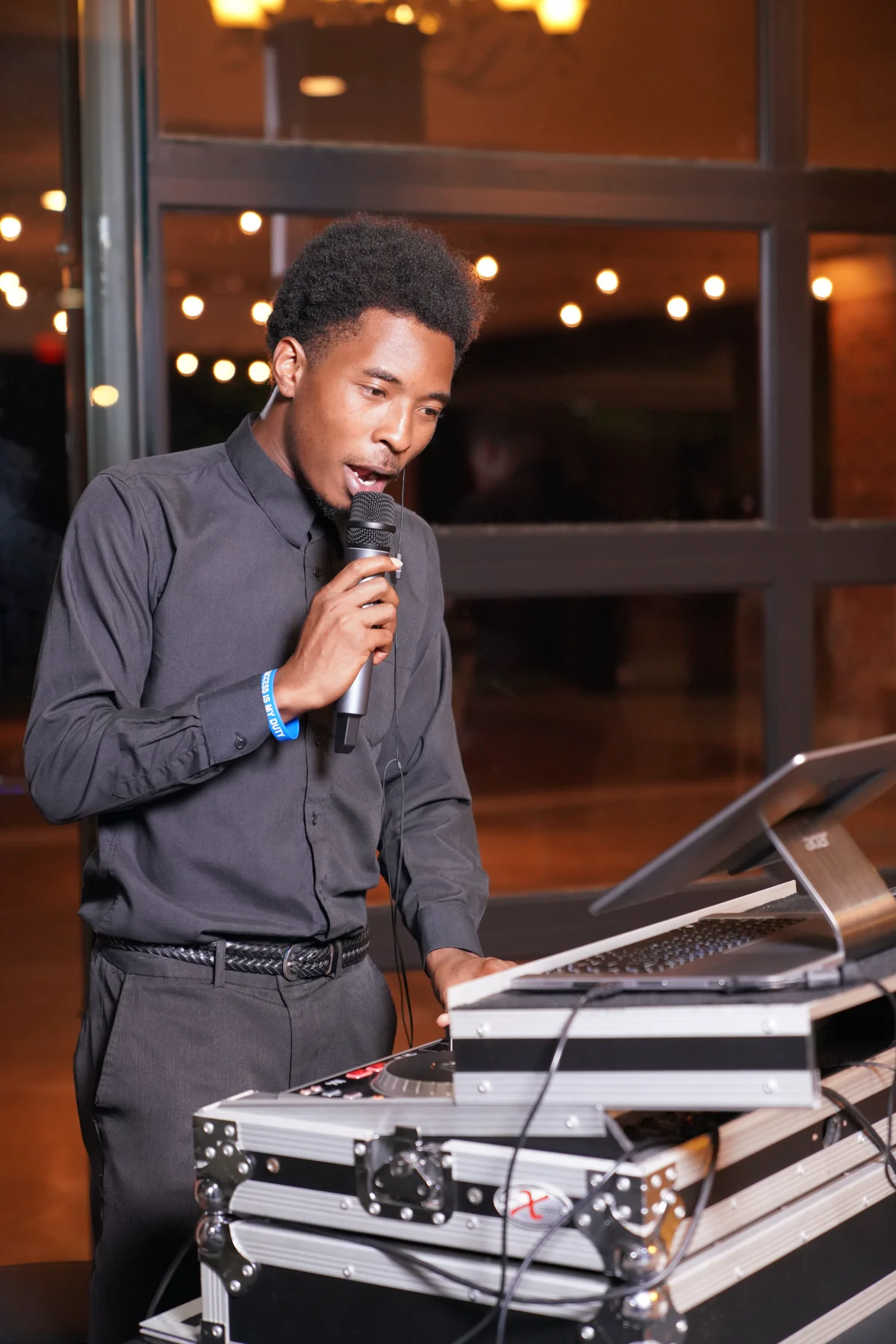
This is where all the prep pays off. Keeping a garba floor full for hours takes more than a good song list — it takes constant reading and adjusting. A confident DJ on the mic keeps the circle organized, calls the switches, and never lets a gap of dead air creep in.
Here’s what a lot of couples miss when they book someone who doesn’t know these nights: the transitions are everything. The beat can’t drop between songs, or the circle breaks and you lose your momentum. So I beat-match and layer the tracks so one folk number flows into the next, and the dancing never has to pause. That unbroken flow is what keeps grandparents and teenagers on the floor at the same time.
I also handle the little things that keep a long night smooth — announcing when the raas is starting, reminding folks to grab their dandiya sticks, giving the elders a graceful window to rest. Those small touches add up to a night that feels effortless. For more ideas on planning meaningful celebrations, browse more wedding tips anytime.
Planning yours in Troy
So how do you bring it together for your own night? Start early. Gather your must-play garba and raas songs, collect every sangeet performance track, and share the mix with your DJ well ahead of time. That prep is where a smooth night is really built.
Troy is home to a warm, vibrant South Asian community, and I’ve had the joy of spinning garba nights for families all over the area, from banquet halls off Big Beaver Road to venues near the Somerset area. Wherever you gather, the same rules hold: build the tempo, read the circle, and blend folk with Bollywood. You can see how I approach the wider wedding on my Troy wedding guide for the full picture.
At the heart of it, a garba night is a whole family dancing as one. My job is to keep that circle spinning and everyone in it. If you’d like a DJ who understands the build and respects the tradition, you can meet your DJ and we’ll plan a set that keeps your floor full till the lights come up. Let’s make your garba the one people talk about all year.