Detroit Wedding Dance Floor: How to Keep It Packed
Picture it: the food is cleared, the lights come up, and your Detroit wedding dance floor sits there empty while your guests hug the walls. It’s the fear every couple whispers to me. But here’s the good news, friend — an empty floor is never bad luck. It’s a room that wasn’t read right. And that? That’s a fixable thing. I’ve packed floors from The Whitney on Woodward to a rooftop in Rivertown, and I’ll walk you through exactly how it’s done.
- Why dance floors empty out (it’s not the crowd)
- Reading the room like a Detroit local
- The timeline that keeps people on their feet
- Song choices for a diverse, multi-gen crowd
- How lighting pulls people onto the floor
- Your MC is the secret weapon
- Making it work in real Detroit venues
- Frequently asked questions
Why dance floors empty out (it’s not the crowd)
Let’s name the scary part first. A dead floor almost never means your guests are boring. It means something on the night lost its rhythm. So take a breath — this is the most common worry I hear, and it’s also the easiest to solve.
Usually it comes down to a few small things. The music jumped moods too fast. The DJ played what he liked instead of what the room wanted. Or the night dragged because nobody was steering it. Any one of those can clear a floor in one song.
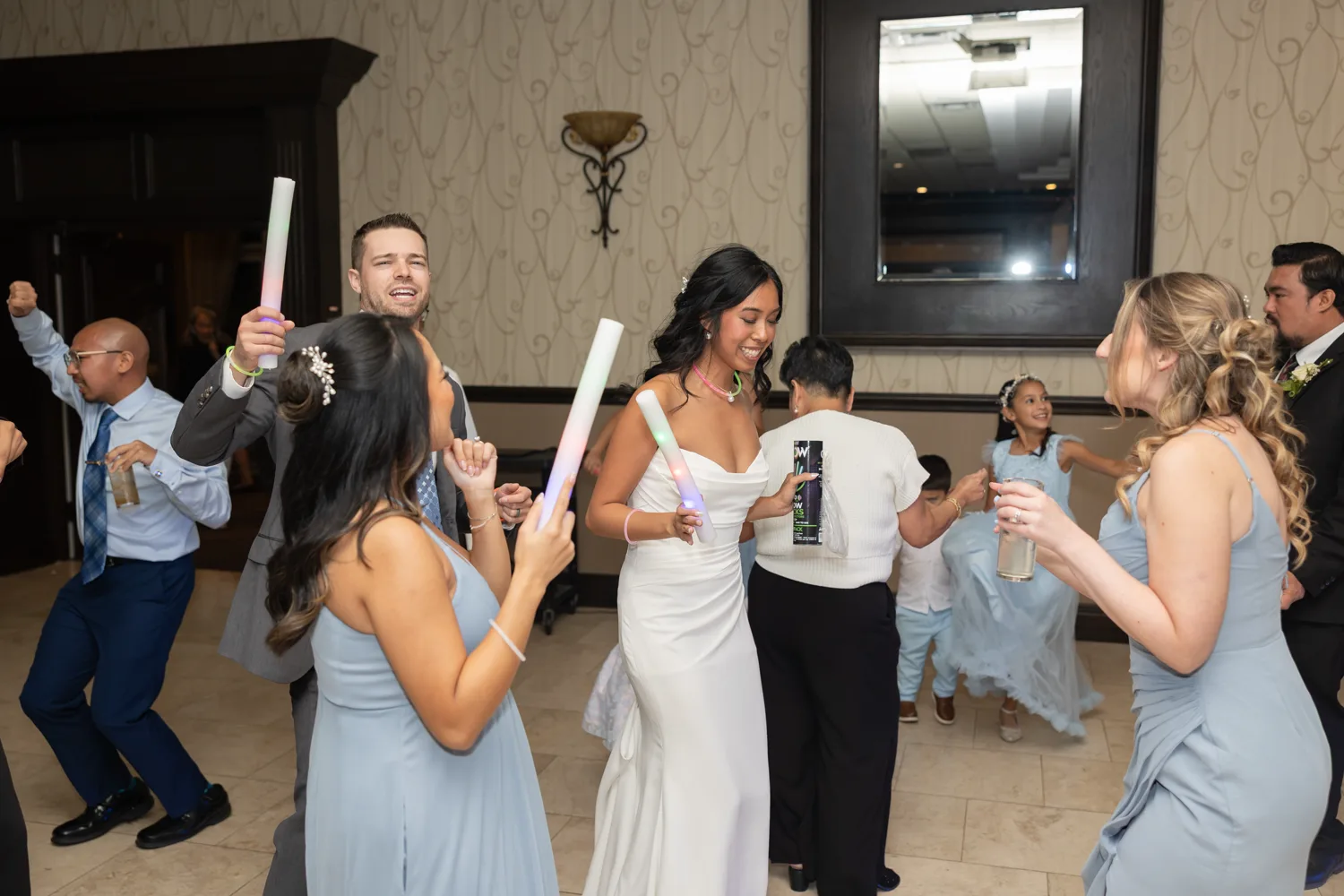
Here’s the thing: a full floor isn’t magic. It’s momentum. You build it slow, you protect it, and you never let it drop to zero. Once people are up, they want to stay up. My whole job is making sure they never get that first reason to sit back down.
And momentum starts way before the first dance. It starts with how well I know your people. That’s where reading the room comes in, and it’s the part most DJs skip. Want to see how we plan the whole night together? Take a peek at how a Detroit wedding day unfolds from start to finish.
Reading the room like a Detroit local
Detroit is a music city down to its bones. Motown started here. Techno was born here. So your guests didn’t just show up to dance — a lot of them grew up dancing. That’s a gift, and it’s also a responsibility.
Reading the room means watching, not guessing. Who’s tapping a foot at the table? Which song made grandma’s eyes light up? When the aunties from the east side start swaying, that’s my cue to lean in, not pull away.
Because here’s what makes a Detroit crowd special: it’s usually multi-generational and multicultural. I’ve DJ’d Black weddings, Middle Eastern weddings, and blended families all in the same season. Each one taught me the same lesson — you play for the room in front of you, not the playlist in your head.
A packed floor is built on attention, not luck. The DJ who watches your guests and adjusts in real time will always beat the one who queued up a set list a week ago.
So before your day, we talk. I learn the songs that mean something to your family. I find out which cousin is shy and which uncle will start the Cupid Shuffle without being asked. Small stuff? Sure. But small stuff is what fills a floor. Deciding between a DJ and a live band for all this? I broke it down honestly in this side-by-side comparison.
The timeline that keeps people on their feet
Timing is everything. You can have the perfect songs and still lose the room if the night’s shape is wrong. So let’s talk about flow, because this is where a good MC earns their keep.
Here’s a simple rule I live by: don’t stack all the sit-down moments together. Toasts, the cake cut, the bouquet toss — space them out. If you do three formalities back to back, the energy flatlines and the floor clears. Then you’re fighting uphill to get it back.
A reception that keeps humming usually flows like this:
- Grand entrance: big energy, right away — set the tone loud and proud.
- First dance: intimate, then pivot fast into something upbeat.
- Dinner: lower the tempo, but never go silent — keep the vibe warm.
- Open floor: start with a crowd-pleaser everyone knows.
- Peak hour: stack the hits, ride the wave, read for dips.
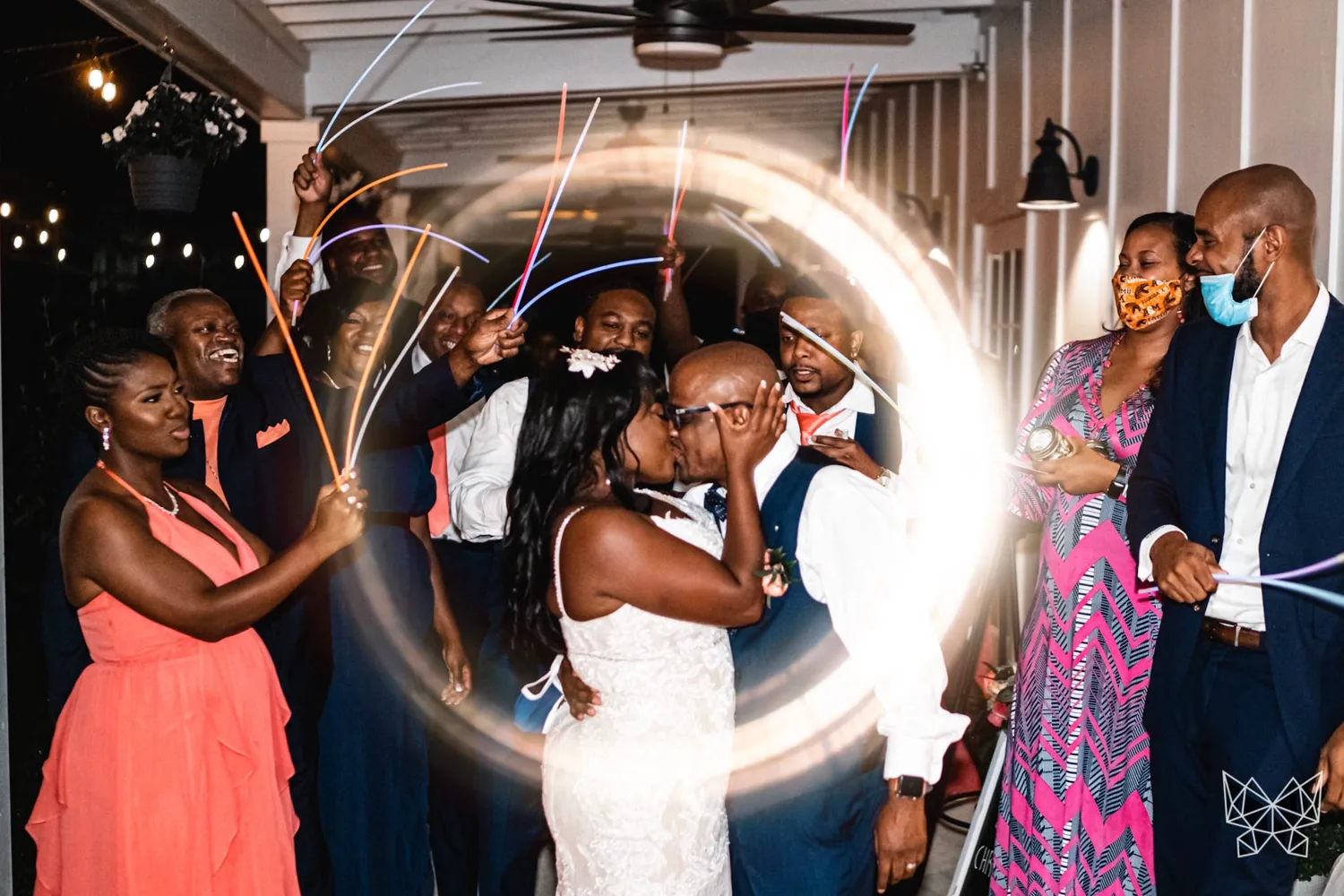
- Grand exit: save one huge sing-along for the very end.
Notice how the formalities are tucked between dance blocks? That’s on purpose. Every time we sit people down, we bring them right back up before they get comfortable. You can see how all of this ties into the full wedding DJ and MC service we build around your day.
“An empty floor is almost never the crowd’s fault. It’s a missed cue. Fix the cue, and the room fills right back up.”
— Tevin, Skan the DJ
Song choices for a diverse, multi-gen crowd
Now for the fun part. But here’s what most couples get wrong — they hand me a 200-song list and think that’s the plan. It’s not. A list is a starting point. The order and the read are what actually pack the floor.
The trick with a mixed-age Detroit crowd is bridging generations without a hard stop. You don’t jump from a slow oldie into heavy club music. You build a bridge — a song grandma and your college roommate both know. Motown does this beautifully. So does a well-placed throwback that everyone secretly loves.
A few things I lean on when the room is diverse:
- Anchor songs everybody knows — the ones that fill a floor in three seconds.
- Family requests woven in at the right moment, not dumped in a row.
- Genre bridges so the tempo climbs smooth instead of jumping.
- A do-not-play list — just as important as the play list.
The Knot has a great primer on building a reception playlist that flows, and it’s worth a read as you plan — check their reception song guide. But no list survives contact with a live room. That’s why I always keep 20% of the night open to read and adjust on the fly.
How lighting pulls people onto the floor
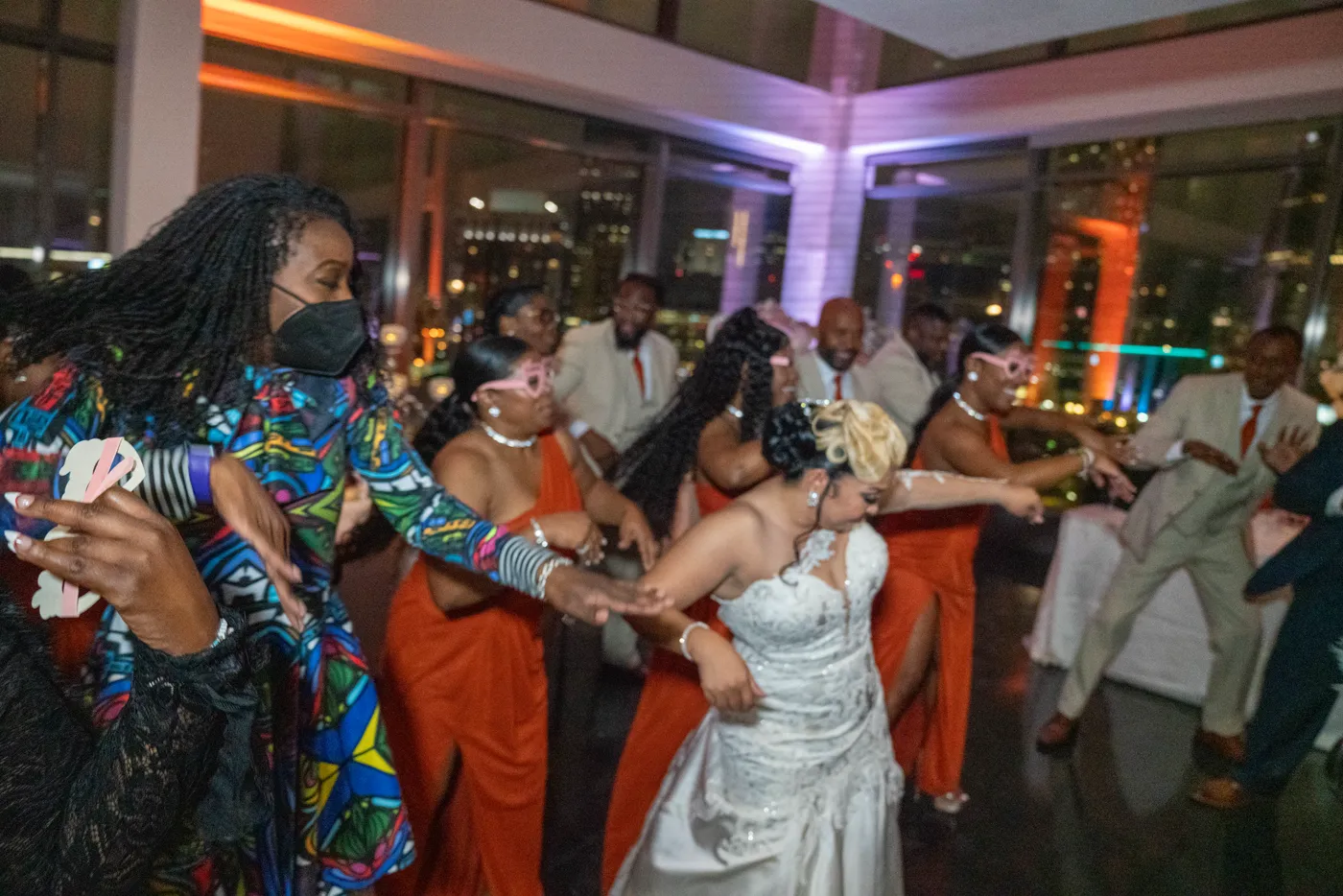
People underrate this one, so let me say it plainly: lighting changes behavior. A bright, flat room feels like a meeting. A warm, glowing floor feels like a party. Guess which one people want to dance in?
When the dinner lights dim and the floor lights come up, something shifts. Folks feel less watched. They loosen up. That little pool of color becomes the place to be, and shy dancers suddenly feel safe stepping in.
Uplighting takes it further. Wash a plain ballroom in blush or deep purple and the whole mood changes — the room feels like yours, not a rental. It’s the easiest upgrade for both the vibe and your photos. You can see the difference color makes over on our full list of services.
Ask your venue how low the house lights can go. At places like the Colony Club and the Detroit Athletic Club, dimmable dinner lighting plus a lit floor is the combo that gets people up fastest.
Your MC is the secret weapon
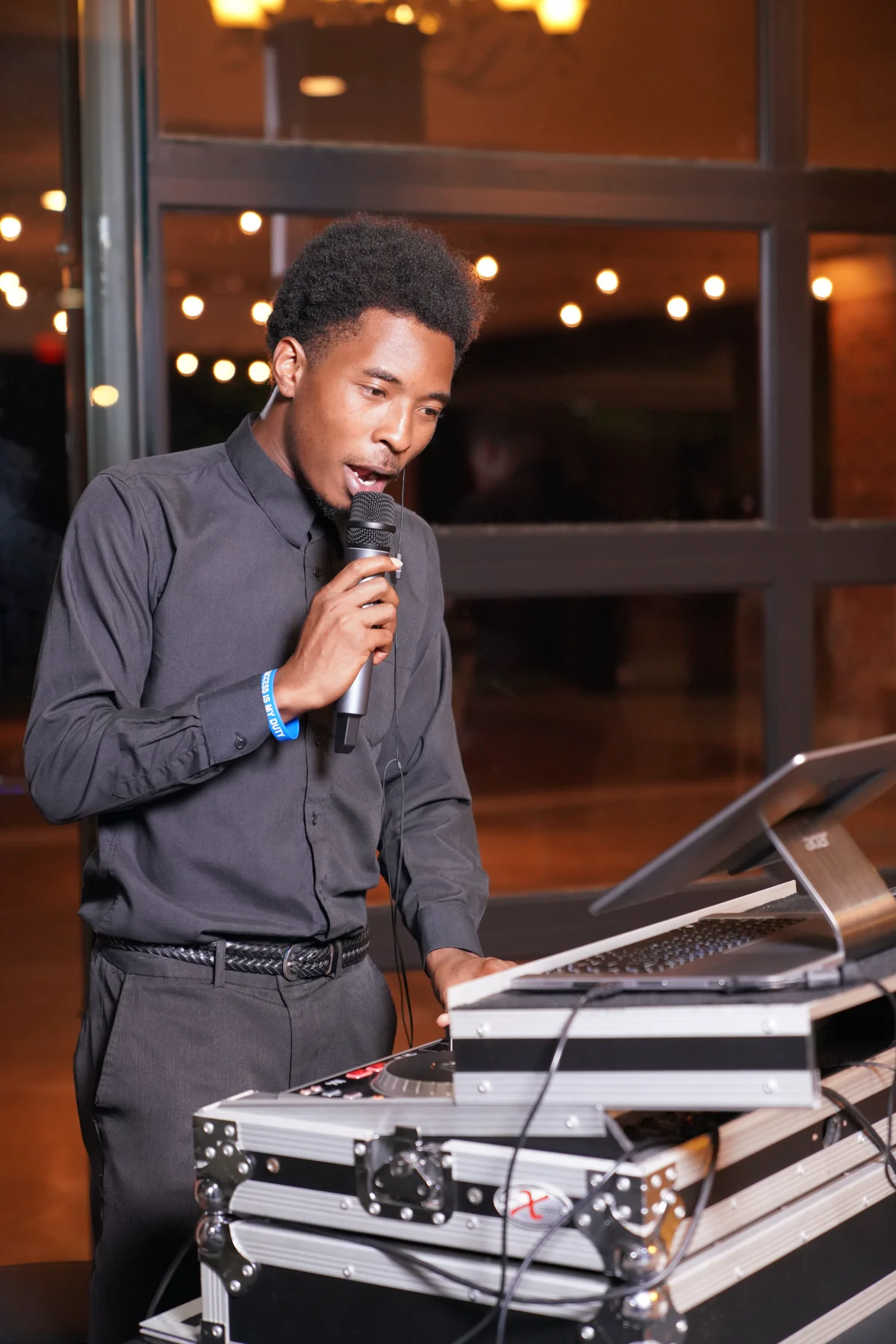
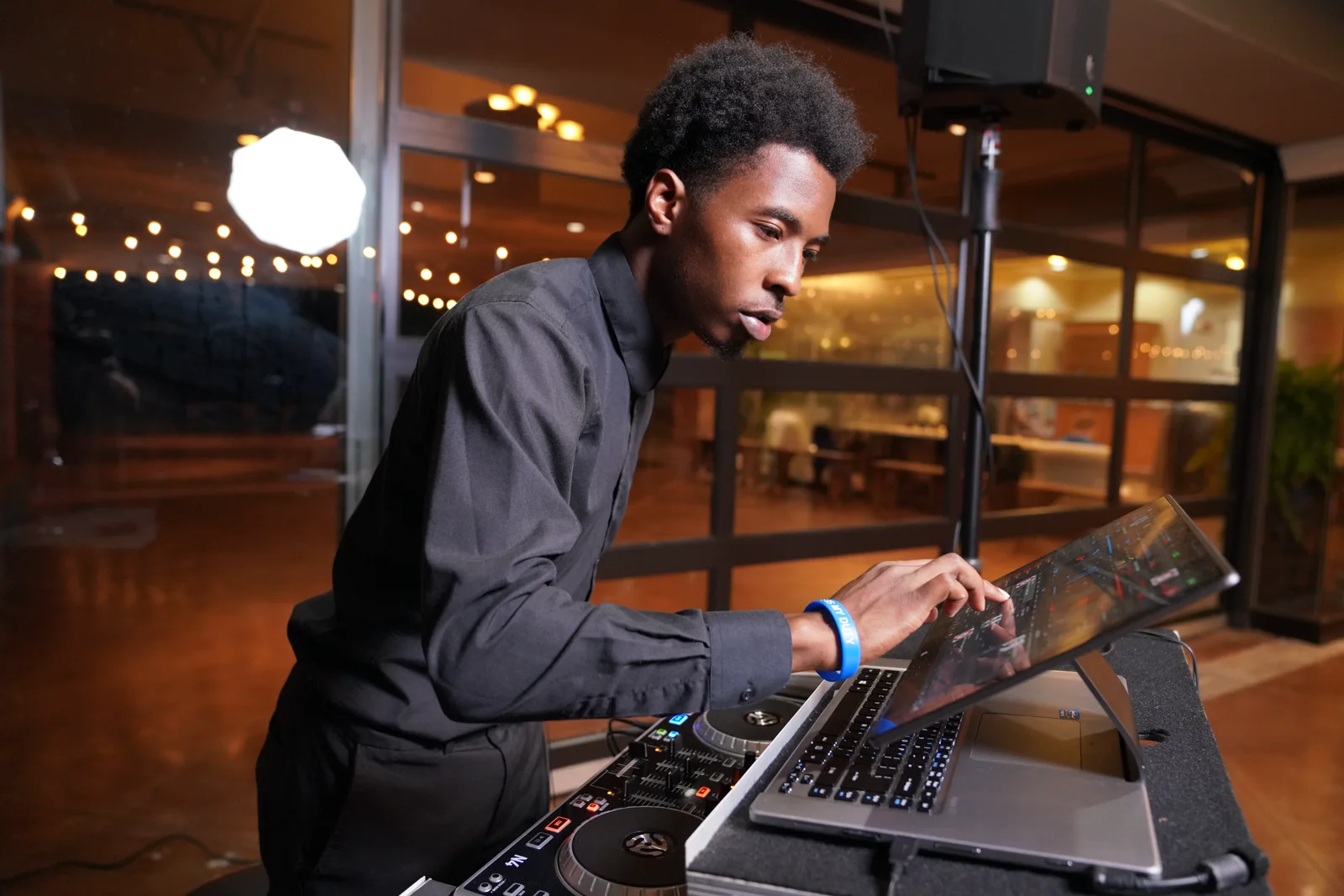
Here’s a secret the best weddings share: the DJ and the MC are the same person, working the room from behind the decks. Music sets the mood, but a voice on the mic steers the whole night.
A great MC reads energy out loud. He knows when to hype and when to hush. He pulls people in warmly — never cheesy, never that used-car-salesman shout. Because nothing clears a floor faster than an MC who won’t stop talking, and I’ve learned to say less and mean more.
Good emceeing also protects your timeline. When the caterer is running late, I fill the gap with music instead of dead air. When it’s time for the toast, I gather people smoothly so the room doesn’t scatter. That quiet coordination is the difference between a night that flows and one that stalls. WeddingWire has a helpful rundown on building your reception timeline if you want to see how the pieces fit.
Making it work in real Detroit venues
Let me tell you about a couple I worked with last fall — call them Maya and Chris. They booked a reception in Indian Village, one of those historic mansion settings, and they were terrified. “Tevin,” Maya said, “half our family is from the west side and half flew in from out east. What if nobody dances together?”
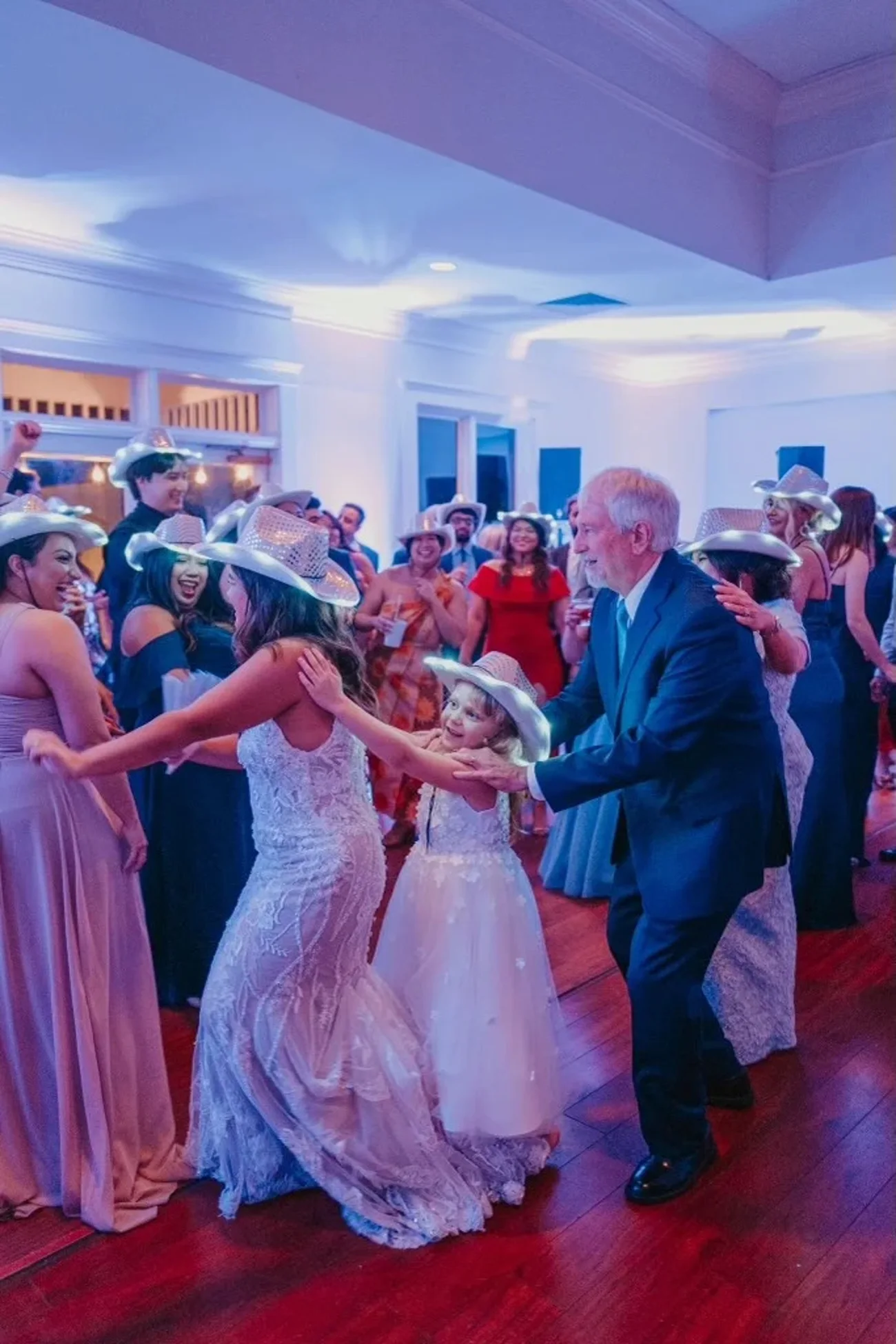
So we planned it out. We opened with a Motown anchor that got both sides of the family up at once. We spaced the toasts. We dimmed the house lights and let the uplighting do its thing. By 10 p.m., grandparents and groomsmen were doing the Electric Slide shoulder to shoulder. The floor never emptied. That’s the whole goal.
Every Detroit venue has its own quirks, and knowing them ahead of time matters:
- The Whitney on Woodward — elegant rooms, so lighting and volume balance is key to keeping it warm, not stiff.
- Roostertail on the riverfront off Jefferson Avenue — big open space that loves a strong sound system and a loud grand entrance.
- Downtown high-rises and Corktown lofts — trendy, younger crowds; the floor fills fast if you read the energy early.
- Greektown and Midtown venues — central, walkable, and great for guests who’ll stay late.
The point is this: your neighborhood, your venue, and your crowd all shape the plan. A Corktown loft off Michigan Central plays different than a mansion in Indian Village, and that’s exactly how it should be. When you know the room — the streets it sits on, the people it draws — you fill it.
So if you’re lying awake worried about an empty floor, let that worry go. Bring me your family, your favorite songs, and your fears. I’ll bring the read, the timing, and the lights. Together, we’ll give you a night where nobody wants to sit down.