Homecoming Songs to Pack the Floor
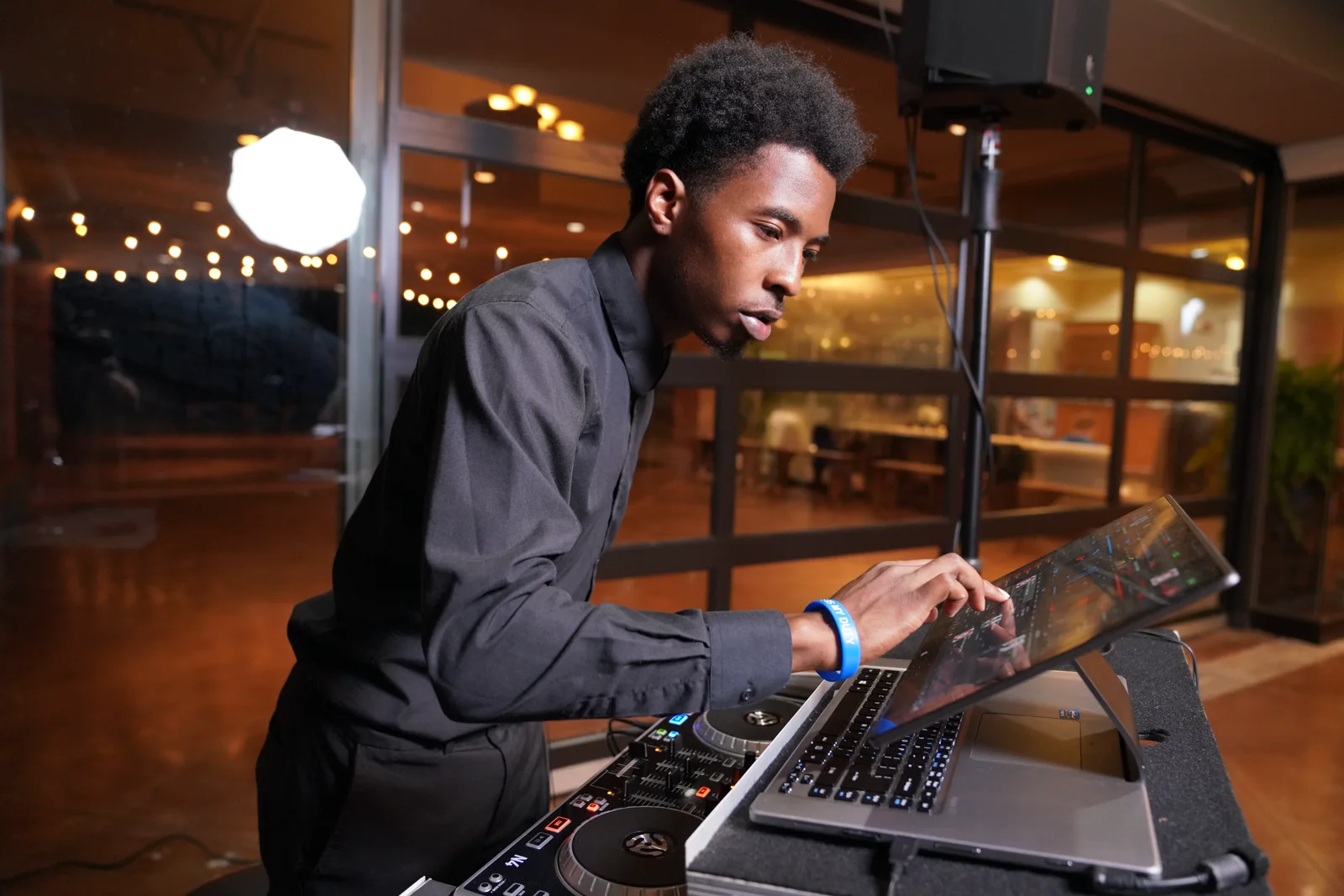
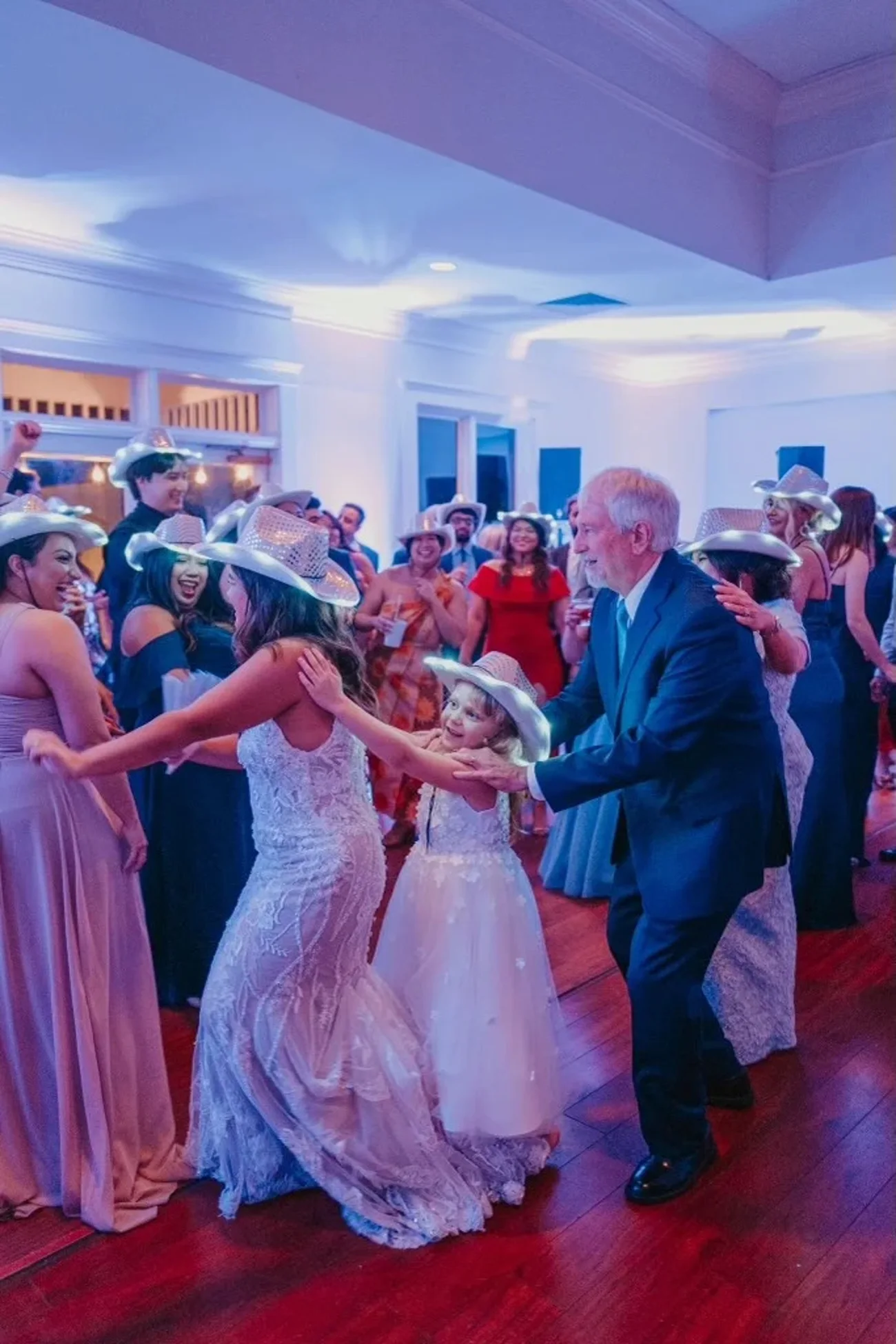
Homecoming lives and dies by the music. Pick the right homecoming songs and the gym turns into a real party in the first ten minutes. Pick the wrong ones and everybody stands against the wall filming each other. I’m Tevin, and I’ve packed a lot of school floors across Ann Arbor and Metro Detroit. So let’s break down the tracks that actually work, the ones that don’t, and how a DJ reads a room full of teens to keep the dance floor full from the first song to the last.
In this article
The best opening songs to fill the floor fast
The first three songs decide the whole night. Teens are shy at the start, so you can’t open with something nobody knows. You open with a track that pulls people out of their seats before they even think about it. That means a big, current hit with an obvious beat drop and a hook everyone already sings in the car.
My go-to openers change every season, but the shape stays the same: something high-energy off the current charts, then a crowd-unifier, then a huge sing-along to lock it in. Right now I’m leaning on floor-fillers like the latest Doja Cat, Sabrina Carpenter, and Kendrick smashes, plus a viral TikTok anthem the whole grade has memorized. When the room hears a song they own, they run to the middle.
Here’s a small trick that pays off big: I ask the school for the three or four most-requested tracks ahead of time and hold one back for song two. That way the floor fills, and the students feel like the DJ actually gets them. It works almost every time.
Sing-along anthems that never miss
Every great school dance has a handful of songs where the DJ can drop the volume and the whole gym takes over. Those moments are gold. They turn a dance into a memory, and they’re the clips that end up on everyone’s story that night.
So which ones? Modern sing-alongs like “Espresso,” “Flowers,” and “As It Was” land hard because every grade knows them. Then you layer in the untouchable classics that never age — “Mr. Brightside,” “Don’t Stop Believin’,” and “Sweet Caroline.” Yes, teens still lose their minds for “Sweet Caroline.” The “so good, so good, so good” part is basically a law of physics at this point.
Mixing eras on purpose is the secret. A brand-new hit gets the energy up, and a decade-old anthem makes everyone feel like they’re in on something together. That blend of new and familiar is what keeps a floor from going flat halfway through.
The best homecoming songs aren’t always the newest ones. They’re the ones every single kid in the room can shout without checking the lyrics.
Throwbacks that get the whole gym yelling
Throwbacks are your secret weapon, and here’s why. Teens grew up hearing their older siblings and parents play 2000s and 2010s hits, so those songs feel like inside jokes to them. Drop “Party in the U.S.A.” or “Yeah!” by Usher and watch the whole floor point at the ceiling.
Some throwbacks that go off at nearly every homecoming I play: “Low” by Flo Rida, “Crank That,” “I Gotta Feeling,” and anything from the early Bruno Mars run — a lot of them were Billboard Hot 100 number ones back in the day, which is exactly why they’re baked into everyone’s memory. These aren’t songs the students discovered — they’re songs they inherited, and that makes them fun in a way brand-new tracks can’t touch.
One warning, though. A throwback only works if you don’t overdo it. Two or three well-placed oldies keep the night fresh. Ten of them and suddenly it feels like a parent’s playlist. Balance is everything, which is exactly why a person running the music beats a preset queue.
Key takeaway: A packed homecoming floor is built on three ingredients — current hits to spark energy, sing-along anthems to lock it in, and a few well-timed throwbacks to make the whole gym feel connected. Mix the eras on purpose and don’t lean too hard on any one of them.
Slow songs: how many, and when
Slow songs are tricky at a school dance, and a lot of DJs get them wrong. Play too many and the energy drains out of the room. Play none and the couples feel cheated. The sweet spot is usually two or three across the whole night, dropped at the right moments — never back to back.
Timing matters more than the song choice here. I like to place a slow one after a big energy peak, so it works as a breather instead of a buzzkill. Then I bring the tempo right back up so the floor never fully clears. A good slow song should feel like a soft landing, not a full stop.
For the picks themselves, current radio ballads and one classic usually cover it. The trick is watching the room and reading whether the crowd wants a moment or wants to keep jumping. Some nights they crave a slow dance; other nights they’d rather never stop moving. You can’t know that from a spreadsheet — you have to be there, watching.
Clean edits and the school-approved list
This part isn’t glamorous, but it’s non-negotiable. Every song at a school dance has to be a clean, radio-edit version, and the whole set should be screened against the school’s guidelines before the night. Chaperones and administrators care about this, and honestly, they should.
Clean edits are more than just bleeping a bad word. A real professional pulls tracks that are inappropriate top to bottom, checks the lyrics all the way through — not just the chorus — and has replacements ready. According to wedding and event pros at The Knot, screening music ahead of time is one of the most overlooked steps in event planning, and school dances are where it matters most.
I build the homecoming set with the committee and staff first, so nothing gets played that raises an eyebrow. If your school runs the music through a DJ who takes this seriously, the night stays fun and nobody’s parents get a phone call. For more planning help, browse our latest party tips anytime.
Reading the room instead of a set list
Here’s what a lot of committees miss: the playlist is only half the job. The other half is watching the floor and changing course in real time. A locked set list can’t tell that the ninth graders are hyped for one genre while the seniors want something totally different. A live DJ can.
Picture this. It’s 8:40, the floor dipped a little, and the crowd’s energy is drifting toward the snack table. A DJ paying attention drops the one song the whole grade has been waiting for, and boom — everyone’s back. That save doesn’t happen with a Spotify queue on shuffle. It happens because a person is reading faces and adjusting song by song.
That’s the real skill, and it’s why I never fully script a school dance. I bring the must-plays your committee wants, I keep the school’s no-list handy, and then I fill the rest live based on what the room is actually doing. Ann Arbor crowds — from Pioneer to Skyline to Huron — all have their own flavor, and reading that in the moment is the whole game.
Why the DJ matters more than the playlist
You could hand a great playlist to a phone plugged into the gym speakers and still have a dead dance. I’ve seen it happen. The songs were fine; there was just nobody steering the ship. A homecoming needs someone mixing the tracks, hyping the crowd on the mic when the energy dips, and managing the flow from the first song to the grand finish.
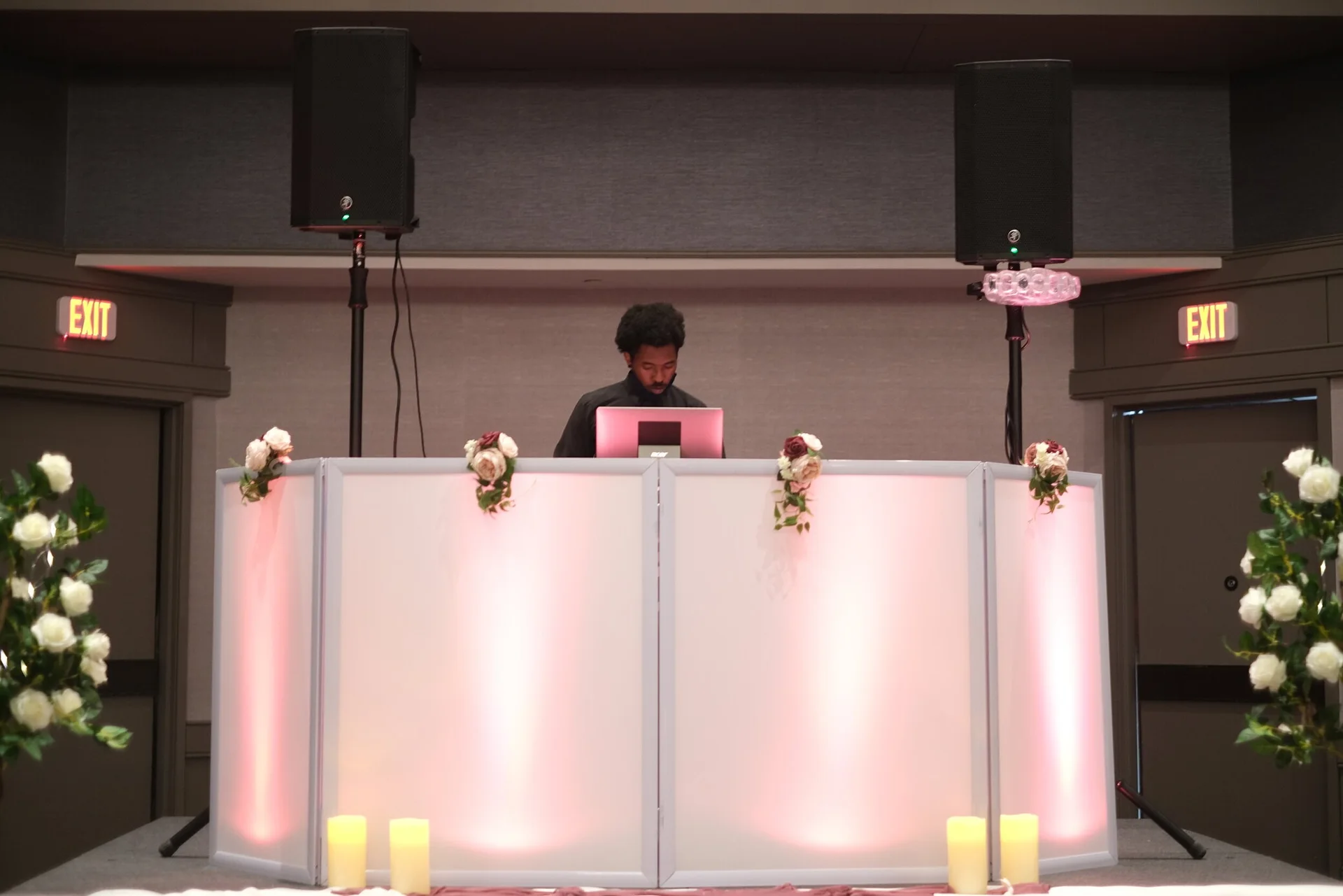
A pro also handles all the stuff you don’t want a teacher wrestling with — the sound system, the microphone for announcements, requests coming in all night, and lighting that makes the gym feel like an actual venue. When all of that runs smoothly, the students just get to have the best night of their fall. That’s the goal, and it’s the same energy I bring to every event and party I play.
If you’re on a homecoming committee or you’re a staff advisor planning the night, the single best move you can make is booking a DJ who does school dances all the time. Want the bigger picture on how I run a floor? My Detroit event guide lays out the whole approach, and you can always meet your DJ before you book. Dates in the fall go quick, so if your homecoming has a date, let’s lock it in while it’s open.