Corporate Party: DJ or Live Band?
You’re planning a corporate party, and one question keeps coming back: DJ or live band? Both can be great, so this isn’t a hit piece on bands — I love a good band. But they solve different problems, cost very different amounts, and fit different rooms. I’ve run entertainment for company nights all over Metro Detroit, so let me lay out the honest trade-offs on cost, sound, space, and vibe. By the end, you’ll know exactly which one fits your event — no sales pitch, just the real picture.
In this article
First, what does your party need?
Before you compare price tags, get clear on the job. What does this night actually have to do? A corporate party usually needs three things from its entertainment: background music people can talk over, clean announcements for the program, and enough energy to fill a floor once the formal stuff wraps.
Some events lean formal — an awards dinner where music is a backdrop. Others are pure celebration, where the whole point is dancing. Most land somewhere in the middle, shifting from dinner to party as the night goes. Naming where yours falls makes the DJ-or-band call a lot easier.
Also think about your crowd and your room. A big open ballroom with a young, lively team plays very differently than a boutique venue hosting a client dinner. Keep both in mind as we go, because they tip the scales more than most people expect.
The case for a live band
Let’s give the band its due, because a great one is special. Live musicians bring undeniable energy and a visual show — there’s something about real horns and a singer working the room that a speaker can’t fully copy. For a high-end gala or a company milestone, a band feels like an event.
Bands shine at atmosphere. A jazz trio during cocktails or a soul band mid-party sets a tone that’s rich and classy. If your budget is generous and the “wow” of live performance matters more than song variety, a band is a genuinely strong pick. No argument here.
But there are trade-offs, and they’re worth knowing. A band plays its repertoire, so you won’t hear every guest’s favorite song, and the set breaks leave gaps you’ll need to fill. They also need more space, more power, and a bigger budget — which brings us to the other side.
A band is a show you watch. A DJ is a party you’re in. Neither is wrong — you just have to know which one your night is really asking for.
The case for a DJ
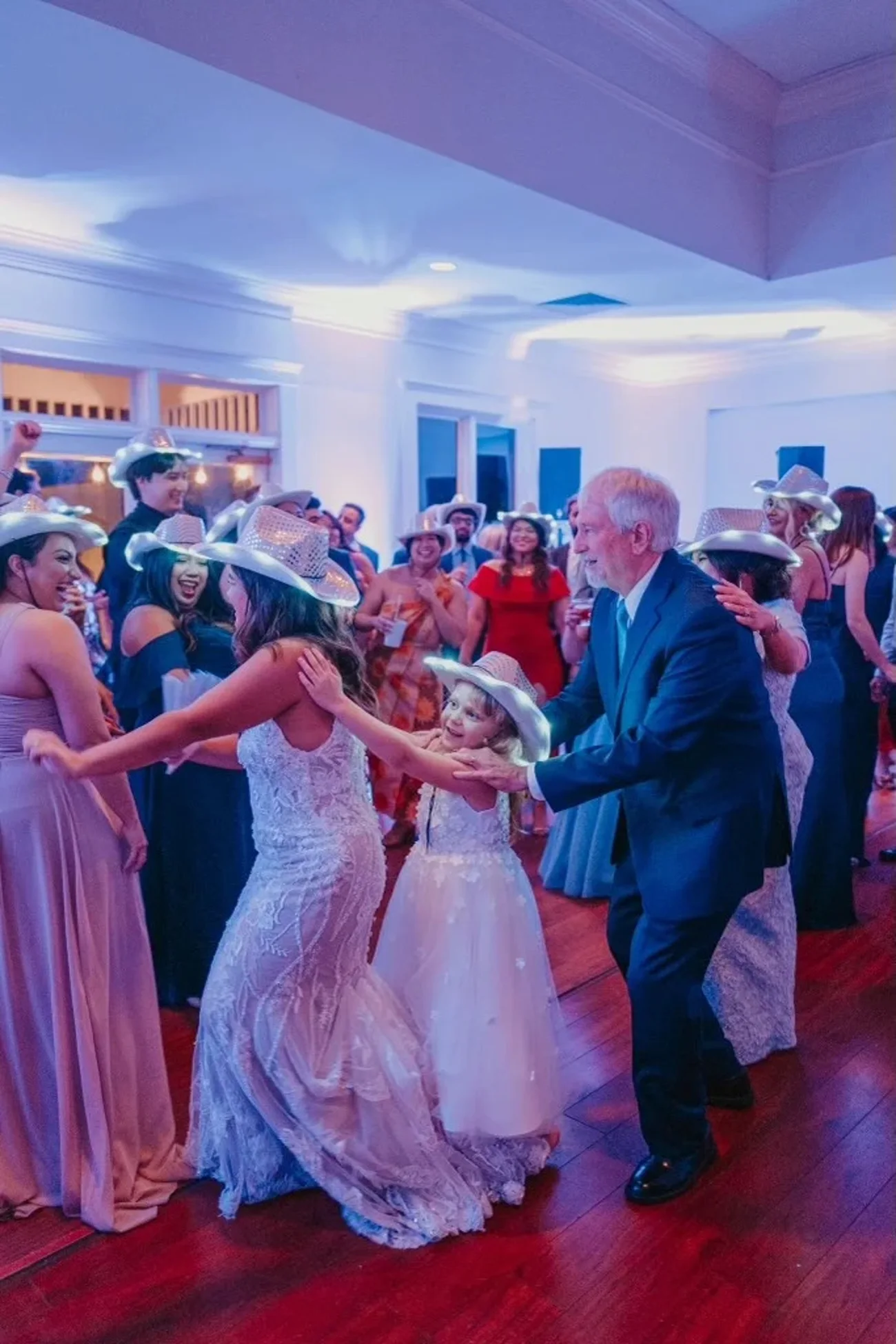
Here’s where a DJ earns its keep at a company event. Range. A DJ can play any song in any era, back to back, with no set breaks — so the music never stops and the floor never cools off. When the finance team wants ’90s hip-hop and the execs want Sinatra, you get both in the same hour.
A good DJ also reads the room live and adjusts on the fly. If the energy dips, I change the next song, not the whole plan. According to The Knot’s breakdown of DJs versus bands, that flexibility — song variety plus real-time reading — is the top reason planners lean DJ for mixed crowds. For a corporate party with wildly different tastes in one room, that matters a lot.
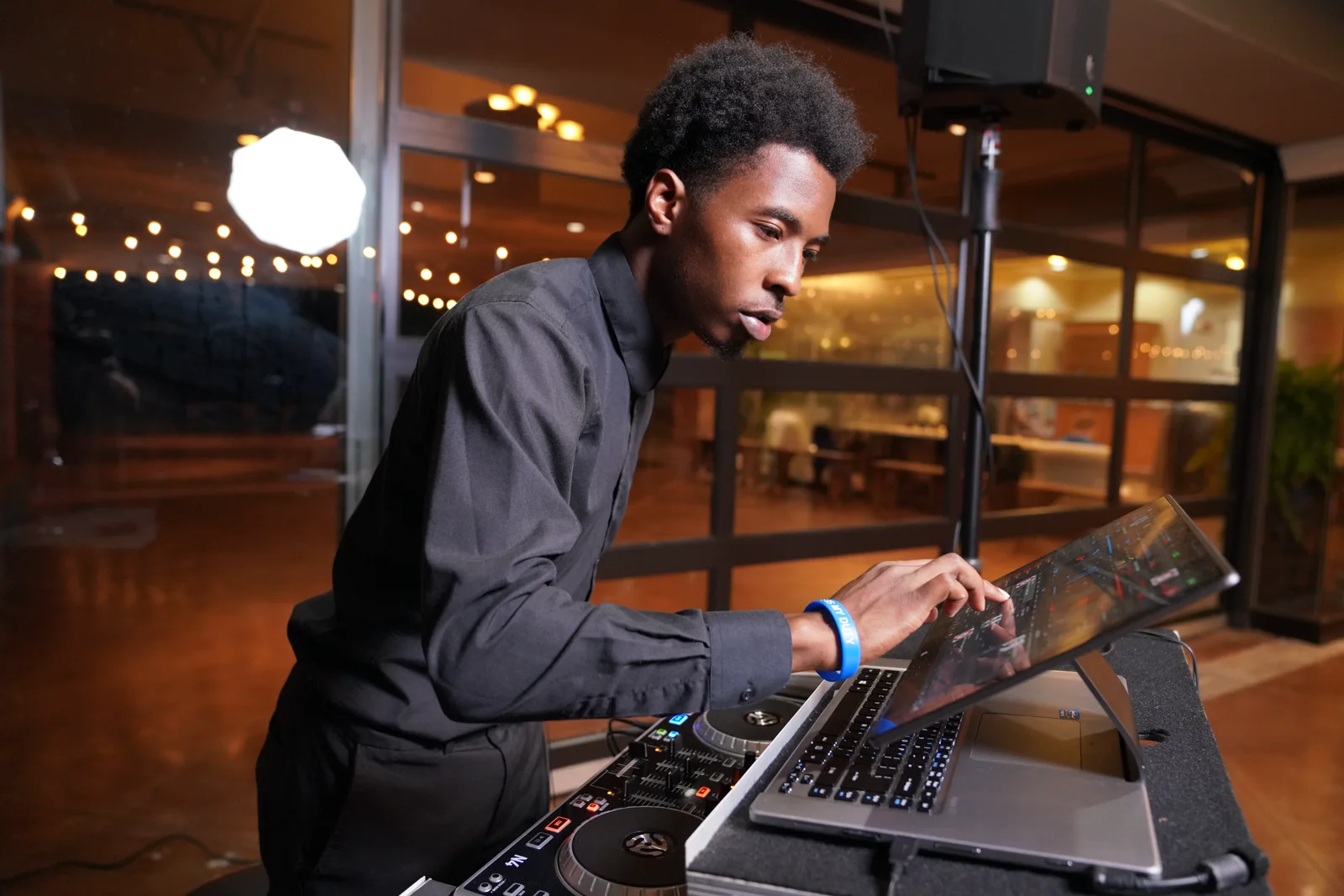
Then there’s the mic. A DJ doubles as your emcee, so announcements, awards, and the boss’s toast all run smoothly through one pro instead of a hand-off. That’s a huge deal at company events, and it’s the heart of what I do — you can see the full setup on the corporate events page.
Key takeaway: A live band brings a premium visual show and rich atmosphere. A DJ brings unlimited song range, no set breaks, real-time crowd reading, and built-in emcee work — usually at a fraction of the cost. For most mixed corporate crowds, that combination is hard to beat.
Cost: what each really runs
Let’s talk money, because it’s often the deciding factor. A live band is the pricier option, and it’s not close. A quality band for a corporate event commonly runs several thousand dollars — often $4,000 to $10,000 or more — because you’re paying multiple musicians, their gear, and their travel.
A professional DJ typically lands well under that, frequently in the low four figures for a full event. Industry surveys like WeddingWire’s entertainment cost data consistently show DJs costing a fraction of comparable live bands. For a company watching its budget, that gap can free up real money for food, decor, or a bigger guest list.
Value isn’t only the sticker price, though. With a DJ you get more hours of continuous music, emcee service rolled in, and song variety no band can match. So even setting the raw cost aside, the DJ often delivers more total coverage per dollar. That’s why the math tends to favor it for company nights.
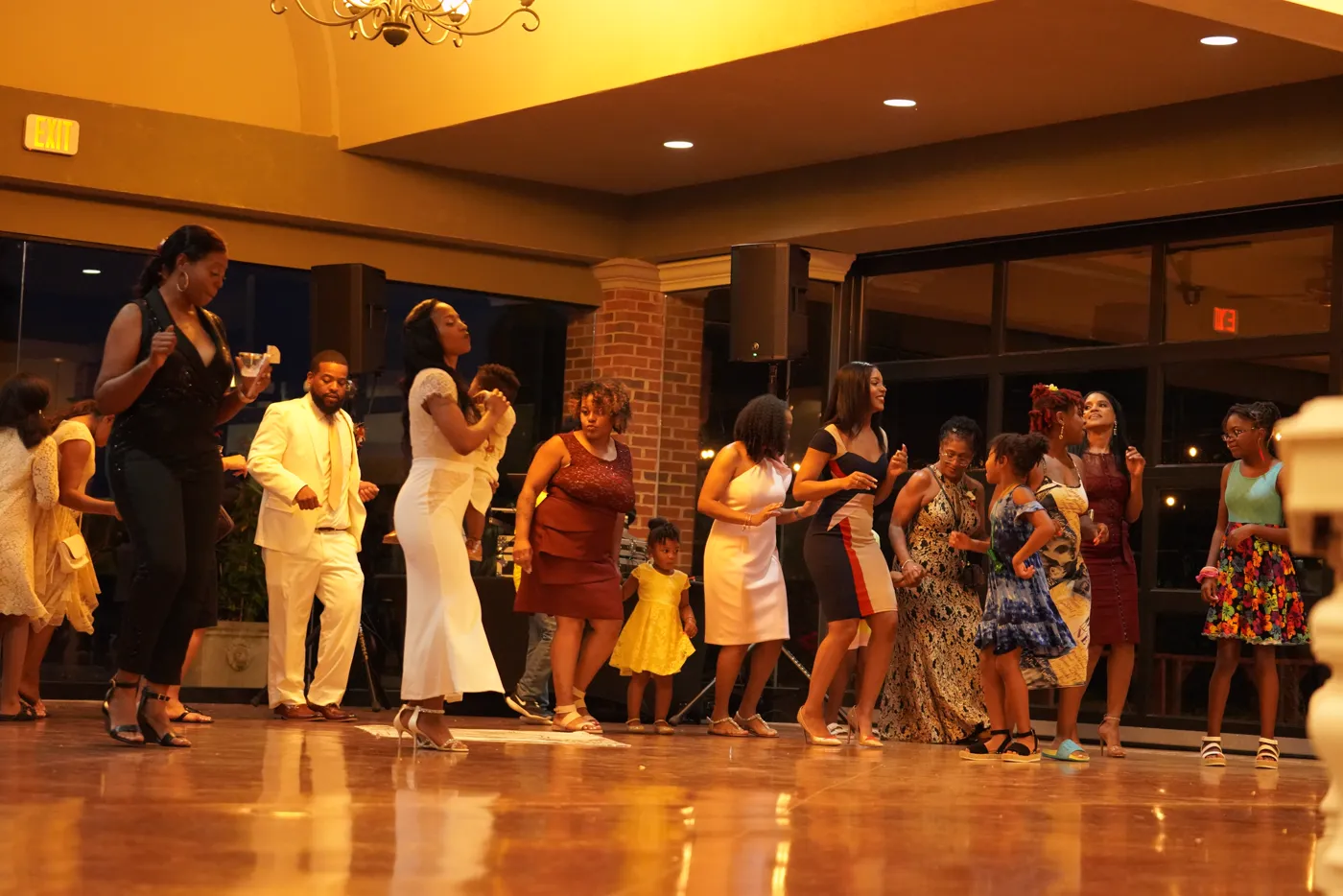
Space, sound, and logistics
This is the part people forget until load-in day. A band needs room — a stage or a large floor area, plus power for amps and monitors and space for the drum kit. In a tight or boutique venue, that footprint can eat into your guest space fast.
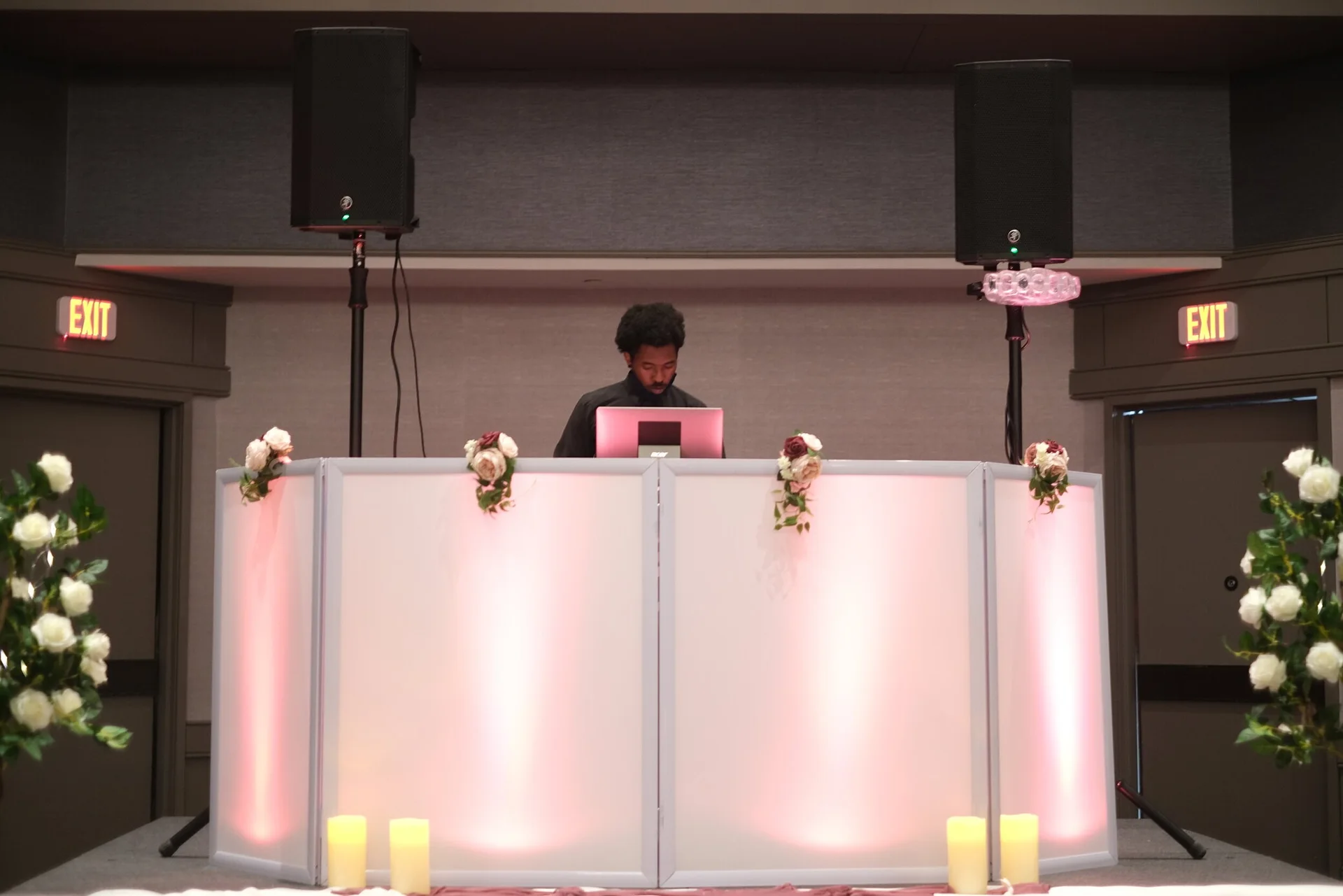
A DJ setup is compact by comparison. One booth, a clean speaker layout, and a couple of outlets, and I’m covered. That leaves more room for tables, mingling, and dancing — and it tucks neatly into venues where a full band simply wouldn’t fit. Fewer moving parts also means fewer things that can go wrong mid-event.
Sound control is smoother with a DJ, too. I can keep dinner conversation-friendly and then bring real volume when the floor opens, all from the same rig. Balancing a live band across a room is trickier, and set breaks leave awkward silence unless you’ve planned a fill. Little logistics like these add up over a night.
Which one fits your night?
Here’s what a lot of planners miss: this isn’t about which is “better,” it’s about which fits your event. So run it through a quick filter. Big budget, formal showcase, and live performance is the star? Lean band. Mixed crowd, varied music tastes, tighter budget, and dancing is the goal? Lean DJ.
Room size settles a lot of close calls. A grand ballroom can carry a band beautifully; a mid-size venue usually plays better with a DJ. And if you need strong emcee work for awards or a program, the DJ’s built-in mic role tips the scale — it’s one less vendor to coordinate.
Can’t decide? Some big events do both — a band for cocktails, a DJ for the dance party — but that’s a premium move for a serious budget. For most companies, picking one and doing it well beats splitting the difference. If you want more help sorting event choices, there’s a stack of event planning tips on the blog.
Why most company parties pick a DJ
After all the trade-offs, here’s the honest pattern I see. Most corporate parties land on a DJ, and for good reasons: the budget stretches further, the music covers every taste, the floor never goes quiet, and the emcee work comes built in. It’s the practical choice that still throws a genuinely great party.
That’s exactly the room I love working. I read a company crowd live — interns to executives — keep dinner comfortable, then build the energy until the floor is packed. It’s the same skill I bring to every Detroit event I run, just tuned for a business audience instead of a wedding.
So weigh your budget, your room, and your crowd, and pick the fit that’s right for you — genuinely, there’s no wrong answer. If a DJ sounds like your match, that’s my whole world, and you can get to know Tevin before you reach out. Send me your date and let’s make your company party the one people quote for months.