Corporate Gala Planning Checklist
Planning a gala can feel like juggling forty things at once, and dropping any one of them shows. That’s exactly why a solid gala planning checklist is your best friend. Walk it top to bottom and nothing important slips — not the venue, not the vendors, not the awkward five minutes when the mic cuts out during the CEO’s speech. I’ve run the entertainment side of enough Metro Detroit galas to know where nights go sideways. So here’s the full checklist, in the order I’d actually tackle it, with the pieces most teams forget.
In this article
Start with the purpose and the guests
Before you book a single thing, answer one question: what is this gala for? A fundraiser, an awards night, a client-appreciation dinner, and a company anniversary all look different. The purpose shapes the tone, the program, and even the music. So write it down in one sentence and let it steer everything else.
Next, sketch your guest list and rough headcount. That number drives the venue size, the catering order, and the sound setup. It’s the foundation of your whole gala planning checklist, and getting it close early saves you from painful changes later. Round up a little — empty seats are easier to handle than a crammed room.
Finally, name the feeling you want. Black-tie and hushed? Or warm, lively, and a little loose by dessert? There’s no wrong answer, but everyone on your team should agree on it now. That single decision makes a hundred smaller ones easier down the road.
Lock the date, venue, and budget
With your headcount in hand, this is where the real booking starts. Pick your date first, then chase the venue — not the other way around. Popular Northville-area halls and ballrooms fill their prime Saturdays fast, so give yourself a runway of three to four months minimum, and more if you can.
Set your budget in plain buckets: venue, food and drink, entertainment, decor, and a cushion for surprises. According to Eventbrite’s gala planning guide, entertainment and A/V are the line items teams most often underestimate — then scramble to fix at the last minute. Build them in from the start and you’ll thank yourself.
One more tip on the venue walk-through: ask about power, load-in, and where a DJ or A/V setup actually goes. A gorgeous room with one working outlet in the wrong corner is a headache waiting to happen. Sort that early, while you still have options.
A gala doesn’t fall apart on the big stuff. It falls apart on the small stuff nobody assigned — which is exactly what a checklist is for.
The vendor checklist: who to book
Here’s your core vendor lineup, roughly in the order you should lock them. Caterer and venue go together, usually first. Then your entertainment and A/V — the DJ, sound, and mic setup that carries the whole program. After that: decor and florals, a photographer, and any specialty pieces like a photo booth or valet.
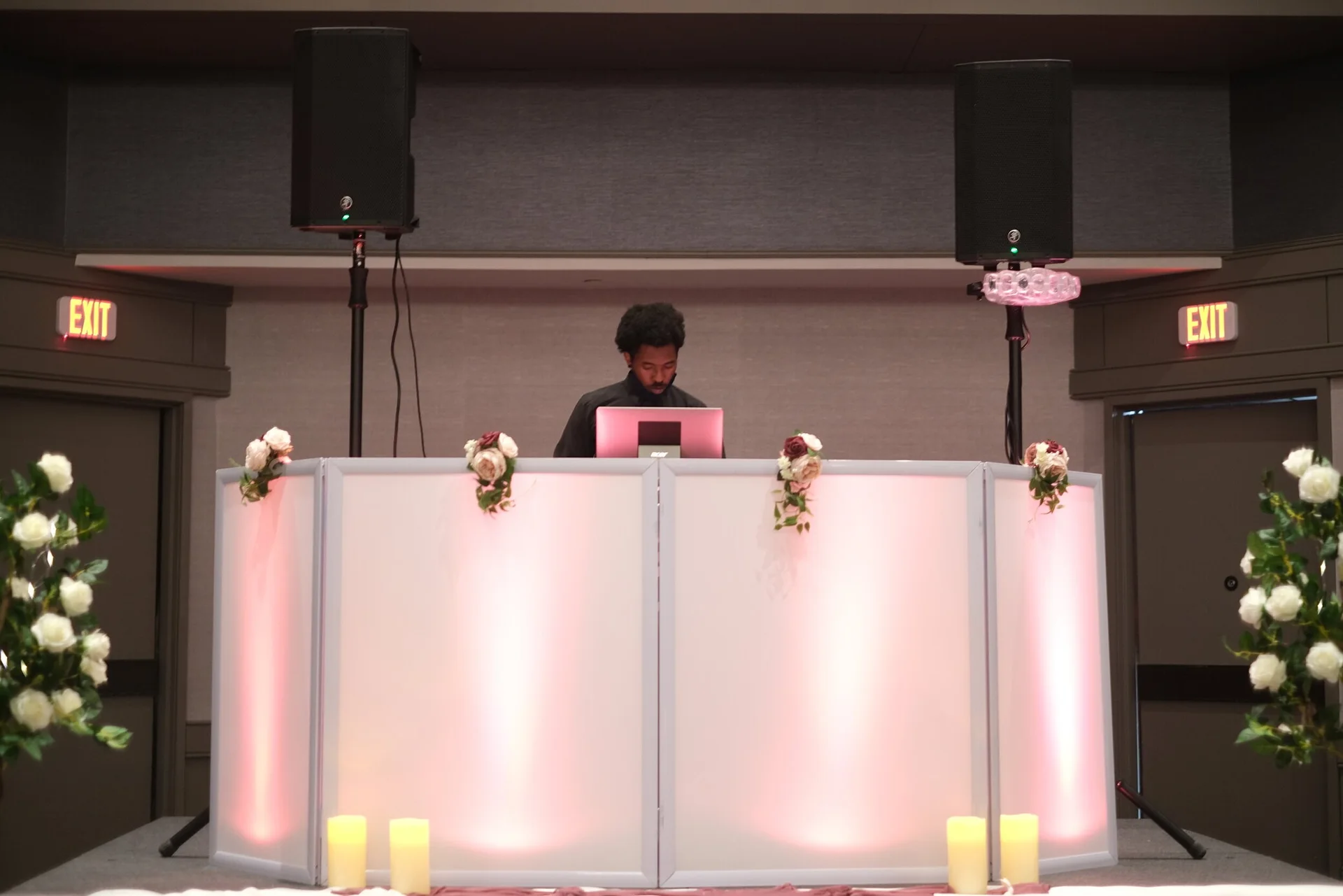
Don’t leave sound as an afterthought. At a gala, every speech, award, and toast runs through a microphone, and a bad audio moment is the one thing guests actually remember. That’s why I handle the music and the mic as one job, so announcements land clean and nothing gets improvised. You can see how that works on the corporate events page.
Book your must-have vendors as a group, early, so their calendars line up around your date. Trying to match a great room with whatever entertainment is left three weeks out is how good galas turn stressful. Lock the big pieces together and the rest falls into place.
Key takeaway: Book venue, catering, and entertainment/A/V together and early — those three carry the night. Treating sound and the mic as an afterthought is the single most common gala mistake, and it’s the easiest one to avoid.
Build a run-of-show everyone follows
A run-of-show is just a minute-by-minute schedule of the night, and it’s the document that keeps a gala from stalling. Cocktail hour, seating, welcome remarks, dinner service, the program, awards, and open dancing — every beat gets a time and an owner. When everyone works from the same sheet, the night flows on its own.
Here’s what a lot of teams miss: the run-of-show has to sync with the kitchen. Nothing kills momentum like calling guests to their seats two minutes before the entrées land, or starting the awards while plates are still being cleared. So I coordinate timing with the catering team before the date — the same way I’d map a wedding reception around dinner service.
Share the run-of-show with every vendor a week out, not the day of. Event pros at Cvent’s event planning resource put this vendor alignment near the top of every successful event, and I’ve seen exactly why. When your DJ, your caterer, and your venue contact all know when the lights dim and the CEO steps up, a five-minute call now prevents a dozen “wait, are we doing this next?” moments later.
Music, mic, and the awards moment
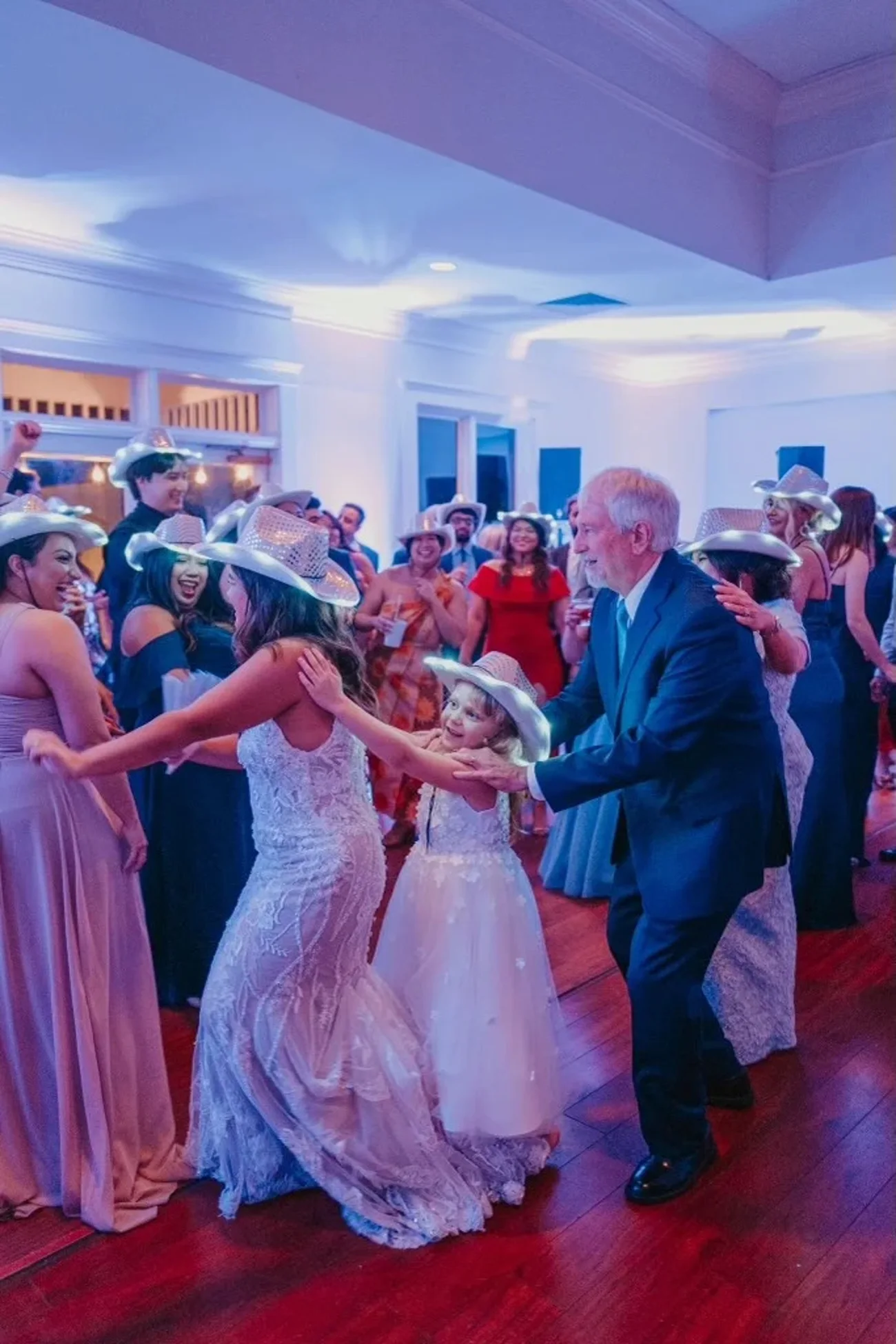
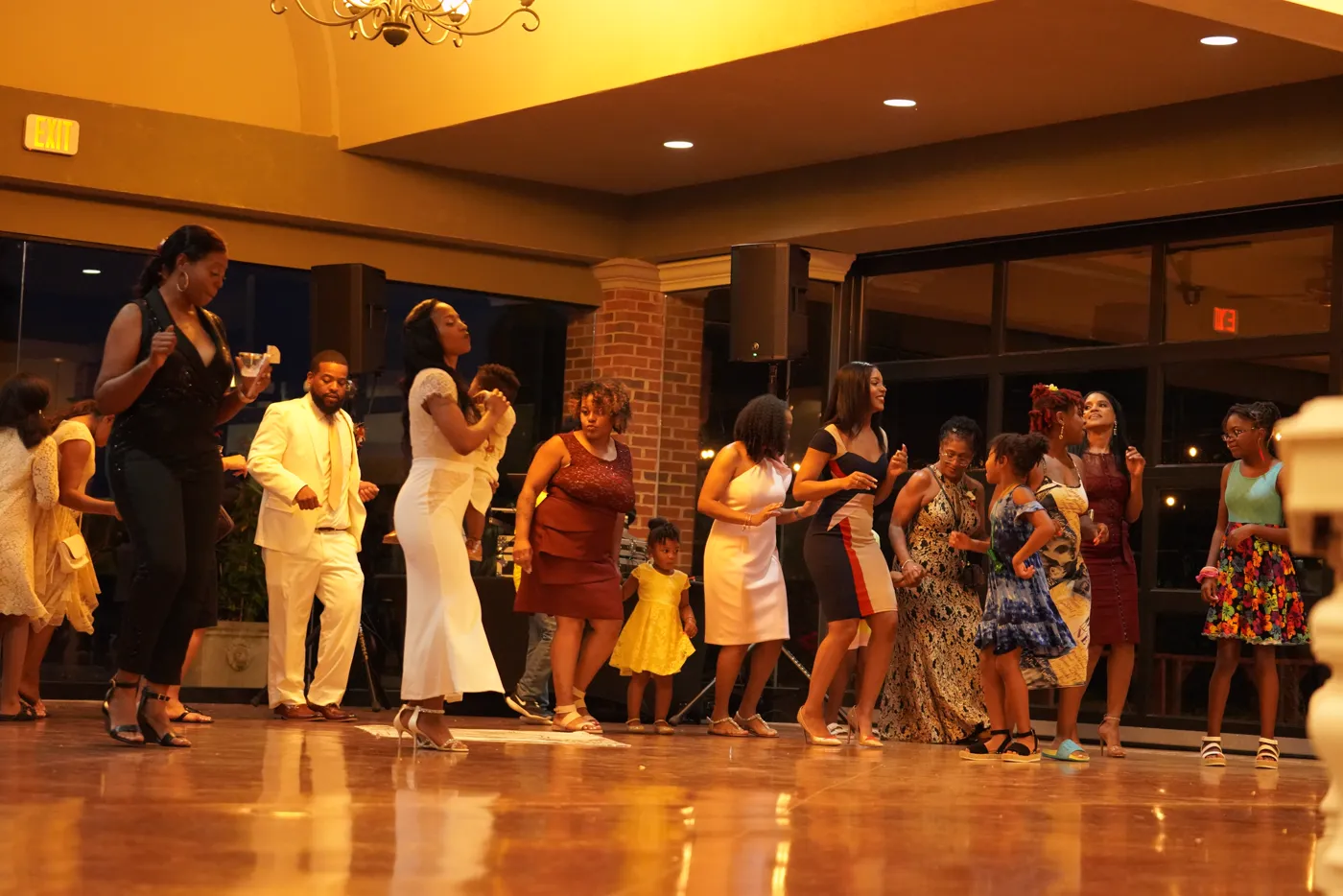
Now the part I obsess over. Gala music has three phases, and each needs a different touch. Cocktail hour and dinner want warm, low background music that lets people actually talk. The program needs crisp mics and walk-up cues. And after the formal stuff, the floor opens and the energy climbs.
The awards moment is where good planning shows. Winners get a short walk-up track, applause gets room to breathe, and the emcee keeps the pace moving so it never drags. I keep backup mics ready too, because a dead mic during a heartfelt thank-you is the kind of thing nobody forgets. Handling that smoothly is a skill, and it’s the same one I bring to every Detroit event I run.
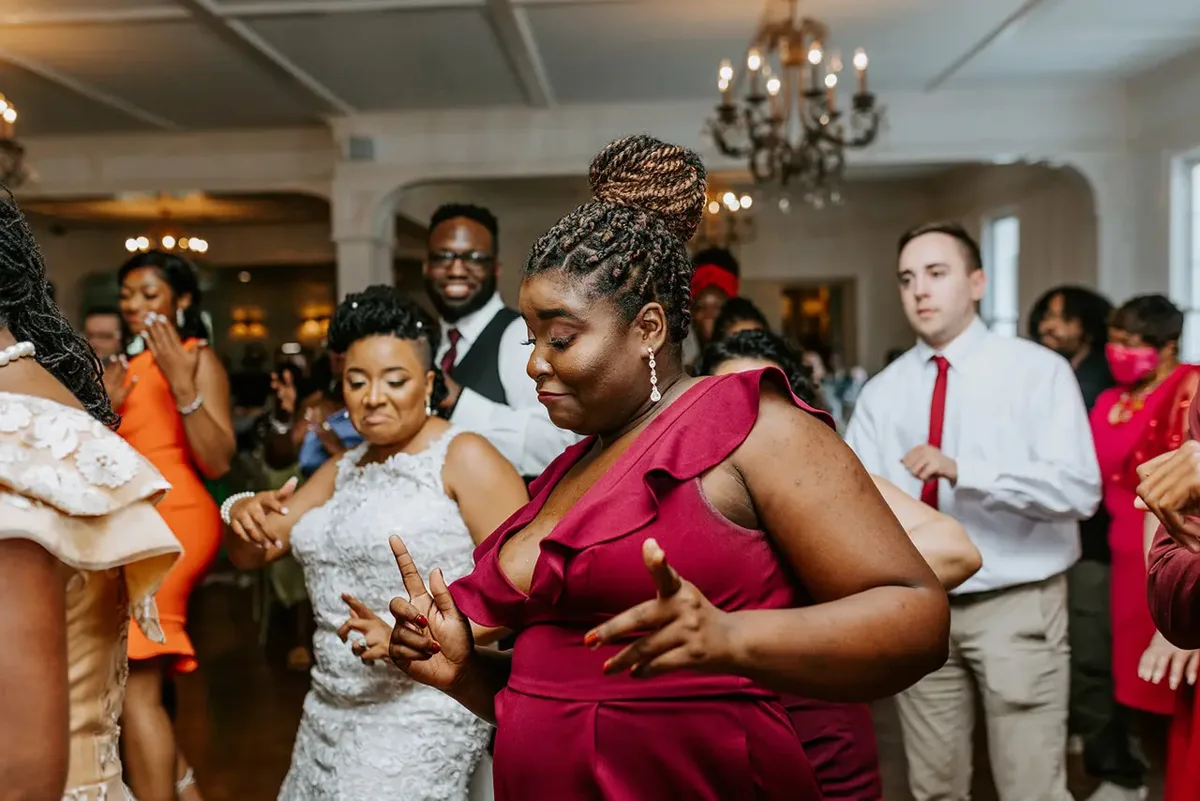
Then comes the read. A company crowd isn’t a wedding crowd — you’ve got executives and new hires in the same room, and the trick is getting both onto the floor without anyone cringing. I watch the room live and adjust, because a locked playlist can’t tell that the finance team just showed up ready to dance.
Your week-of and day-of list
The final stretch is all about confirmation. In the week before, reconfirm every vendor, resend the run-of-show, and do a headcount check with the caterer. Print a few copies of the schedule for your key people, and assign one person to be the day-of point of contact so vendors aren’t texting five different planners.
On the day, the checklist gets short and physical. Vendors arrive and load in on schedule, sound and mics get tested before doors open, decor and signage go up, and someone walks the room one last time. If you want more planning help like this across other events, there’s a full stack of event planning tips on the blog.
Then, honestly, let it run. A good run-of-show and good vendors mean you get to actually enjoy the night instead of steering it. That’s the whole payoff for planning ahead — you become a guest at your own gala.
The quick checklist recap
Let’s tie it all together so you can screenshot this part. Three to four months out: define the purpose, set the headcount, lock the date, venue, and budget. Two to three months out: book catering, entertainment and A/V, decor, and photography as a group.
One month out: finalize the run-of-show, confirm the program and awards order, and share the schedule with every vendor. Week of: reconfirm everyone, do a final headcount, and assign a day-of contact. Day of: load in on time, test all sound and mics, and let the night flow.
That’s a corporate gala, start to finish, without the last-minute panic. If entertainment is the piece you’d like handled by someone who’s done plenty of these, that’s my whole world — and you can get to know Tevin before you reach out. Send me your date and I’ll help you build a night your guests actually rave about.