Experienced Wedding DJ vs. Rookie: Why It Matters
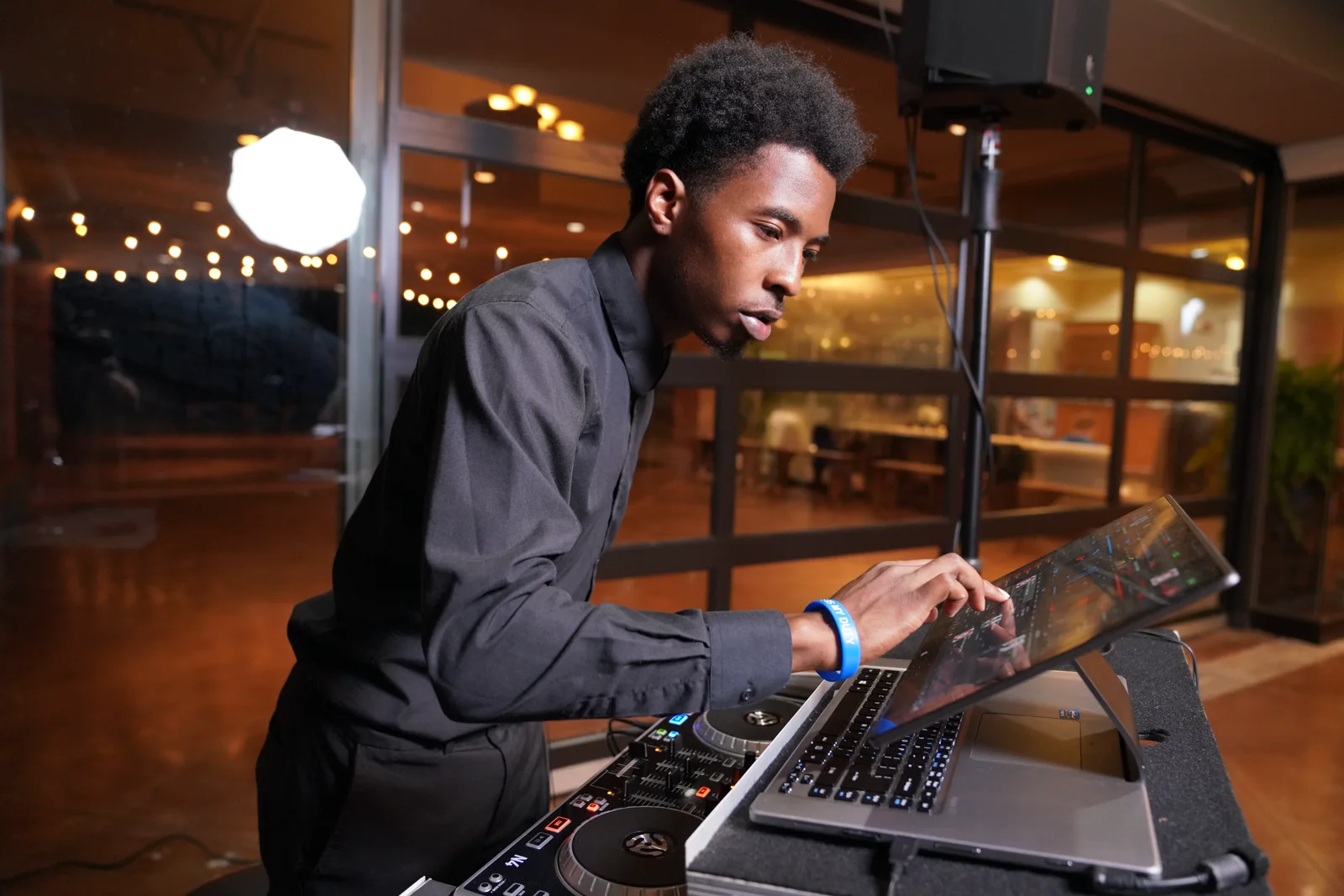
Every couple wants to save money, and hiring a cheaper, newer DJ looks like an easy win. But here’s the honest truth: an experienced wedding DJ and a rookie are two very different things standing behind the same table. One reads your crowd and saves the night when gear fails; the other is learning on your dime. Let me show you exactly where that experience shows up — so you can decide what your one-and-only wedding day is worth.
In this article
Reading the room in real time
Let’s start with the biggest gap, because it’s the one you feel most on the dance floor. A rookie plays the playlist. A veteran plays the room. Those sound similar, but they’re worlds apart when the party’s on the line.
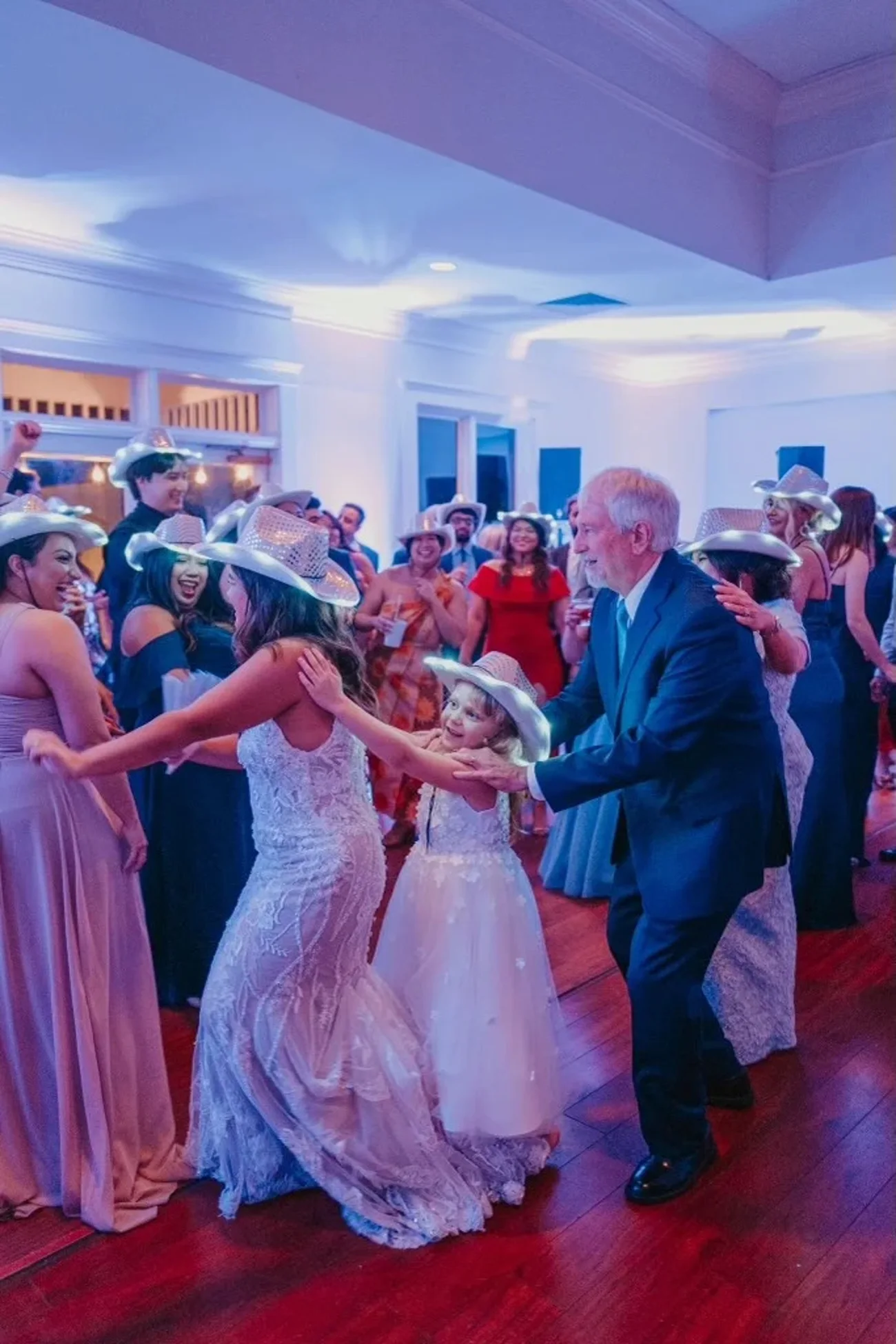
Here’s what that looks like. When the floor starts to thin out, an experienced DJ already has the next song loaded — the one that pulls Grandma and the groomsmen back at the same time. A newer DJ tends to notice the empty floor a few songs too late, then panic-plays and makes it worse. Reading the crowd live is a skill you only build by doing hundreds of weddings.
This matters most in the tricky moments: right after dinner, when the energy’s low, or late in the night when people start to fade. A pro knows how to bridge those dips smoothly. A rookie just hopes the next track works. That difference is the whole party.
Owning the microphone with confidence
Your DJ is also your emcee, and that job is harder than it looks. A veteran on the mic sounds warm, clear, and in control — guiding your guests through the entrance, the toasts, and the dances without ever sounding stiff or awkward. It feels effortless because they’ve done it a thousand times.
A nervous rookie, on the other hand, either says too much or freezes up. You’ve probably been to a wedding where the announcements felt clumsy, or the DJ mumbled a name wrong during the grand entrance. Small stumbles, sure — but they’re your memories, and they stack up over a night.
Confidence on the mic also means handling surprises gracefully. When the maid of honor’s speech runs long or a guest grabs the mic uninvited, a pro rolls with it and keeps the night on track. That composure is pure experience, and you can’t fake it.
Keeping the timeline on track
A wedding has a dozen moving parts — the caterer, the photographer, the venue, the wedding party — and someone has to keep them all in sync. That someone is usually your DJ. An experienced one coordinates quietly all night so you never feel the gears turning.
For example, a veteran knows not to call everyone to the floor two minutes before the entree lands. They talk to the kitchen, watch the photographer, and time the first dance for when the light and the room are both right. A rookie often plows ahead on the printed schedule, even when the night has shifted — and it always shifts.
That flexibility protects your big moments. When dinner runs fifteen minutes late, a pro adjusts on the fly and nobody notices. If you want to see how I map an entire day, my breakdown of how we run your day walks through every piece in order.
You don’t get a do-over on your wedding. The whole value of an experienced DJ is that when something goes sideways — and something always does — you never find out.
Key takeaway: The gap between an experienced wedding DJ and a rookie isn’t the equipment — it’s judgment. Reading the room, owning the mic, adjusting the timeline, and fixing problems before you see them. That judgment only comes from having done it hundreds of times, and it’s exactly what protects your one big day.
When gear fails, experience saves the day
Here’s what a lot of couples never think about: what happens when something breaks? Because eventually, something does. A speaker cuts out. A wireless mic picks up interference. A laptop freezes right before the first dance. It’s not if — it’s when.
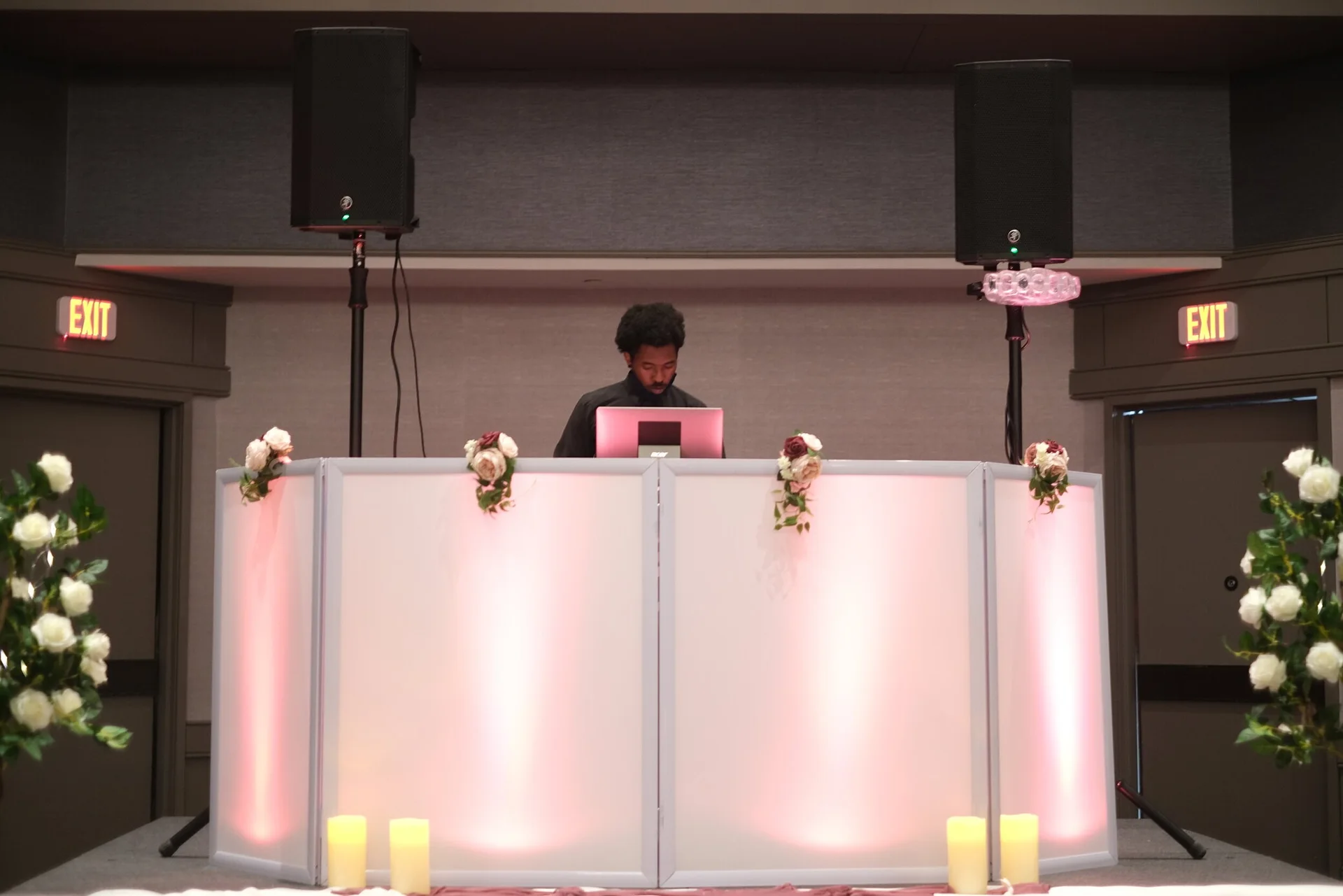
An experienced DJ plans for that. I carry backup speakers, spare mics, and a second music source to every single wedding, and I’ve swapped a dead mic mid-toast so smoothly that the couple never knew. A rookie often shows up with one of everything and no plan B. When their one speaker dies, your party dies with it.
This is the quiet insurance you’re really paying for. According to The Knot’s guide to choosing a wedding DJ, backup equipment and a proven track record are two of the most important things to ask about — precisely because they’re what stand between a small hiccup and a ruined moment. Ask any DJ how they handle a failure. The answer tells you everything.
The planning you never see
Most of a great DJ’s work happens before your wedding day even arrives. A veteran meets with you, learns your must-plays and your hard no’s, builds a custom timeline, and coordinates with your other vendors. By the time the day comes, everything’s already mapped out.
A rookie often skips or rushes this part because they don’t know yet how much it matters. Then problems that could’ve been solved in a planning call pop up live, in front of your guests. Good planning is invisible — it’s the reason a smooth wedding feels easy. It wasn’t easy. It was prepared.
This is also where trust gets built. When you’ve talked through the whole night ahead of time, you can actually relax and be present on your wedding day instead of managing the DJ. Want a feel for how I plan with couples? Come meet your DJ and see how I work before you ever commit.
What the price difference really buys
Let’s talk money, because it’s the real reason people consider a rookie. Yes, a new DJ is cheaper. Sometimes a lot cheaper. And I get the temptation — weddings add up fast, and every line item feels huge.
But think about what that gap actually buys. The higher price of a seasoned DJ pays for years of reading rooms, a trailer full of backup gear, real planning time, and the calm that comes from having handled every surprise before. You’re not paying for songs — you can get those free. You’re paying for the near-certainty that your reception goes off without a hitch.
Here’s how I put it to couples: your photos and your DJ are the two things you can’t redo. The flowers wilt, the cake gets eaten, but a flat party is a flat party forever. When a seasoned pro costs a few hundred dollars more, that’s cheap insurance on the biggest party of your life.
How to spot a veteran before you book
So how do you tell a real pro from someone still learning? Ask direct questions and watch how confidently they answer. How many weddings have they done? Can you see reviews with real names? What backup gear do they bring, and what’s their plan if something fails?
A veteran answers all of that easily, because they’ve lived it. Look for a solid review history, a willingness to plan with you, and the confidence to walk you through worst-case scenarios without flinching. If someone dodges those questions or has no track record, that’s your answer.
Experience is the one thing you can’t rush or fake, and on a day you only get once, it’s worth every penny. Want more help choosing vendors and planning the day? Browse more wedding tips anytime, or check out our Detroit wedding guide for the full picture. And if your date’s still open, let’s talk before it fills up.