New Year’s Eve DJ: Nailing the Countdown
Every New Year’s Eve party is really building toward one moment: the stroke of midnight. Everything before it is warm-up, and everything after it is the victory lap. That’s why a great New Year’s Eve DJ plans the whole night backward from the countdown — so when the clock hits twelve, the room erupts instead of fumbling for the timing. I’ve run plenty of these nights around Clinton Township and Metro Detroit, and here’s exactly how a pro builds and lands that midnight drop.
In this article
What makes a New Year’s Eve party different
Most parties peak somewhere in the middle and coast to the end. New Year’s Eve is the opposite. The whole crowd is watching one clock, and they all know the exact second the party has to explode. That’s a gift, because you never have to wonder when the big moment is. But it’s also pressure, because if you miss it, everybody notices.
So the job of a New Year’s Eve DJ is different from a normal gig. You’re not just playing songs — you’re conducting a room toward a single, shared beat in time. Get there too early and people burn out before midnight. Get there too late and you’ve killed the one moment they came for. The art is in the pacing.
Here’s the good news: with a real plan, this is one of the easiest nights to make magical. The energy is already baked in. People show up wanting to celebrate. My job is just to shape that excitement so it crests at exactly the right second.
Building the countdown so it actually lands
The countdown doesn’t start at ten seconds. It starts about forty-five minutes earlier, when I begin nudging the room toward its peak. I stack the biggest, most familiar sing-along songs into that final stretch so the floor is already full and loud before the clock matters.
Timing is everything, and I mean literal timing. I sync my clock to an official source before the night begins, because the microwave in the kitchen and someone’s phone are never quite the same. According to the timekeeping explainer at timeanddate.com, even a few seconds of drift is normal across devices — and at a countdown, a few seconds is the difference between a clean cheer and an awkward “wait, is it midnight yet?”
About two minutes out, I bring the music down just enough to grab the mic and gather everyone. Champagne gets poured, phones come up, and I make sure nobody is stuck in the bathroom line missing the whole thing. Then I hand the room the last sixty seconds.
The last 60 seconds, second by second
This is where a pro earns the booking. At sixty seconds, I lower the music under a rising, tension-building track and start talking the room up: “One minute to go, Clinton Township — grab your glass, grab your person.” The energy climbs on its own from there.
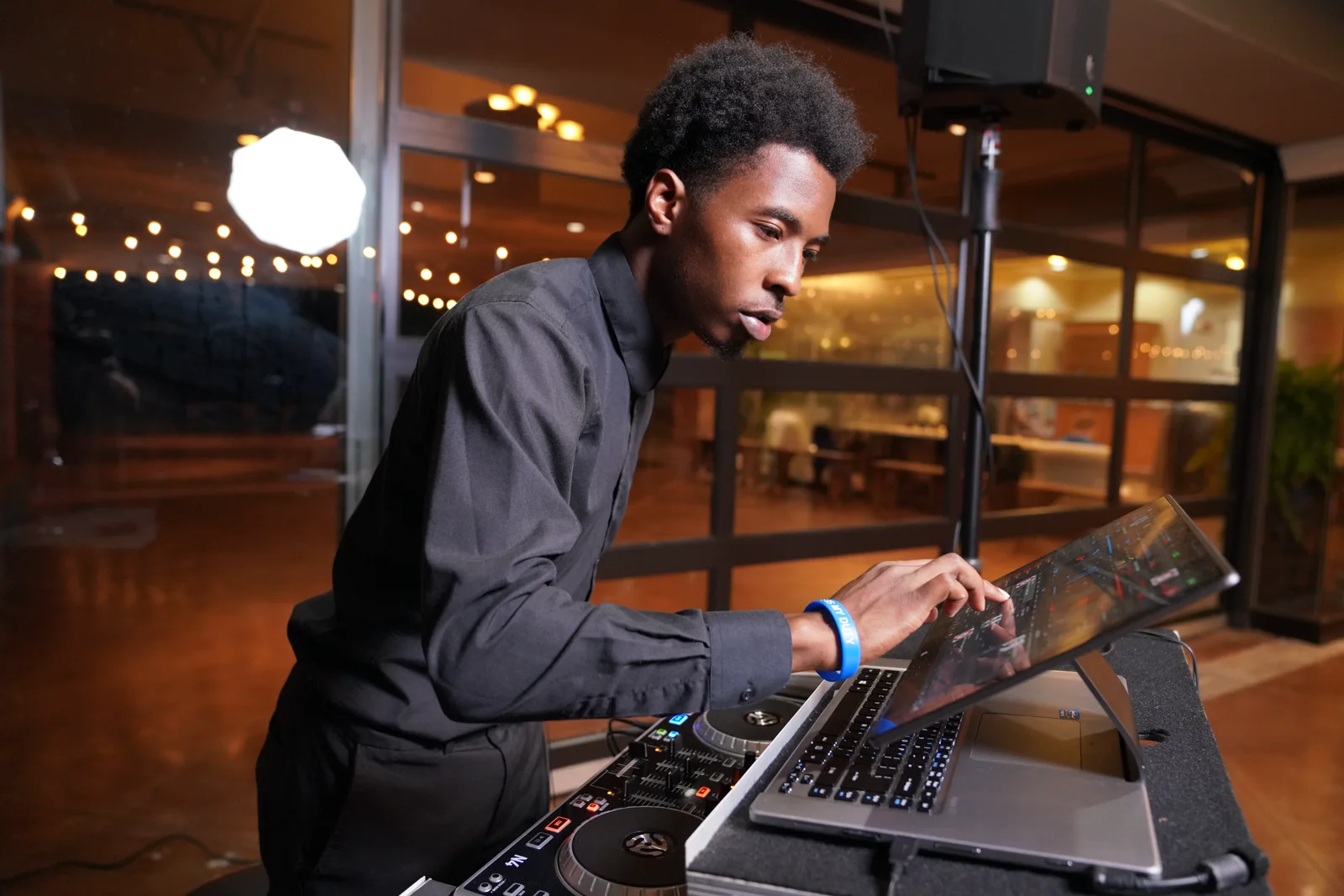
At ten seconds, the music ducks almost all the way out and the whole room counts together. Ten, nine, eight — you can feel the floor shaking. This is the one time all night I want the crowd louder than my speakers. My hand is on the exact track that will drop the instant we hit zero.
Then, right on the beat, the midnight anthem slams in, the lights go full, and the effects fire. No dead air, no fumbling for the next song — just an instant wall of sound and joy. That clean, on-the-second hit is the entire reason you hire a professional instead of trusting a playlist to guess.
Key takeaway: A great countdown is built minutes in advance, synced to an official clock, and landed on the exact beat of midnight. The song that drops at zero is cued and ready before the counting ever starts — that’s what turns a nice moment into a room-shaking one.
Songs that own the midnight moment
The track that lands at zero has one job: instant, unanimous recognition. This is not the place for a deep cut nobody knows. You want the first note to make every single person shout. Classics like “Auld Lang Syne” have their place for a sweet thirty seconds, but I usually follow fast with a huge, universal party anthem so the celebration keeps its momentum.
I build a short “midnight block” of three or four monster songs to ride the wave right after the drop. Think the biggest crowd-uniters you can name — the kind of tracks where the whole floor screams the chorus. The goal is to turn one explosive second into ten unforgettable minutes.
Of course, the best song list is the one built for your specific crowd. A young corporate team wants current hits; a family New Year’s party might want Motown and throwbacks. I always plan the midnight block with the host first, then read the floor live and adjust. If you want a feel for how I map a full event’s music flow, our flagship Detroit event guide walks through the whole approach.
Keeping energy alive before and after
Here’s what a lot of hosts miss: the after-midnight stretch can be the best part of the night — if you plan for it. Plenty of DJs treat midnight like the finish line and let the room deflate right when people finally feel free to let loose. I treat it as a second launch.
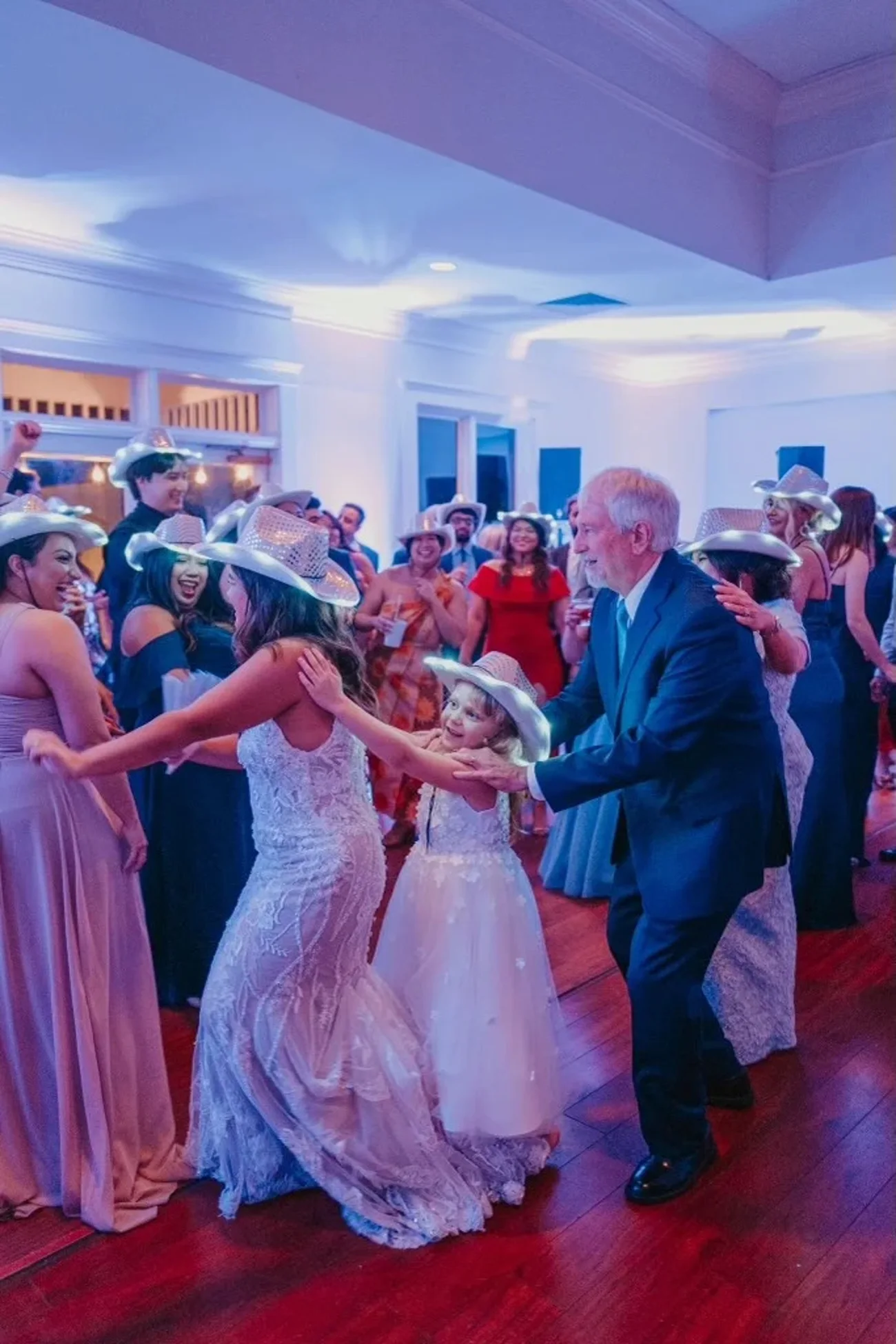
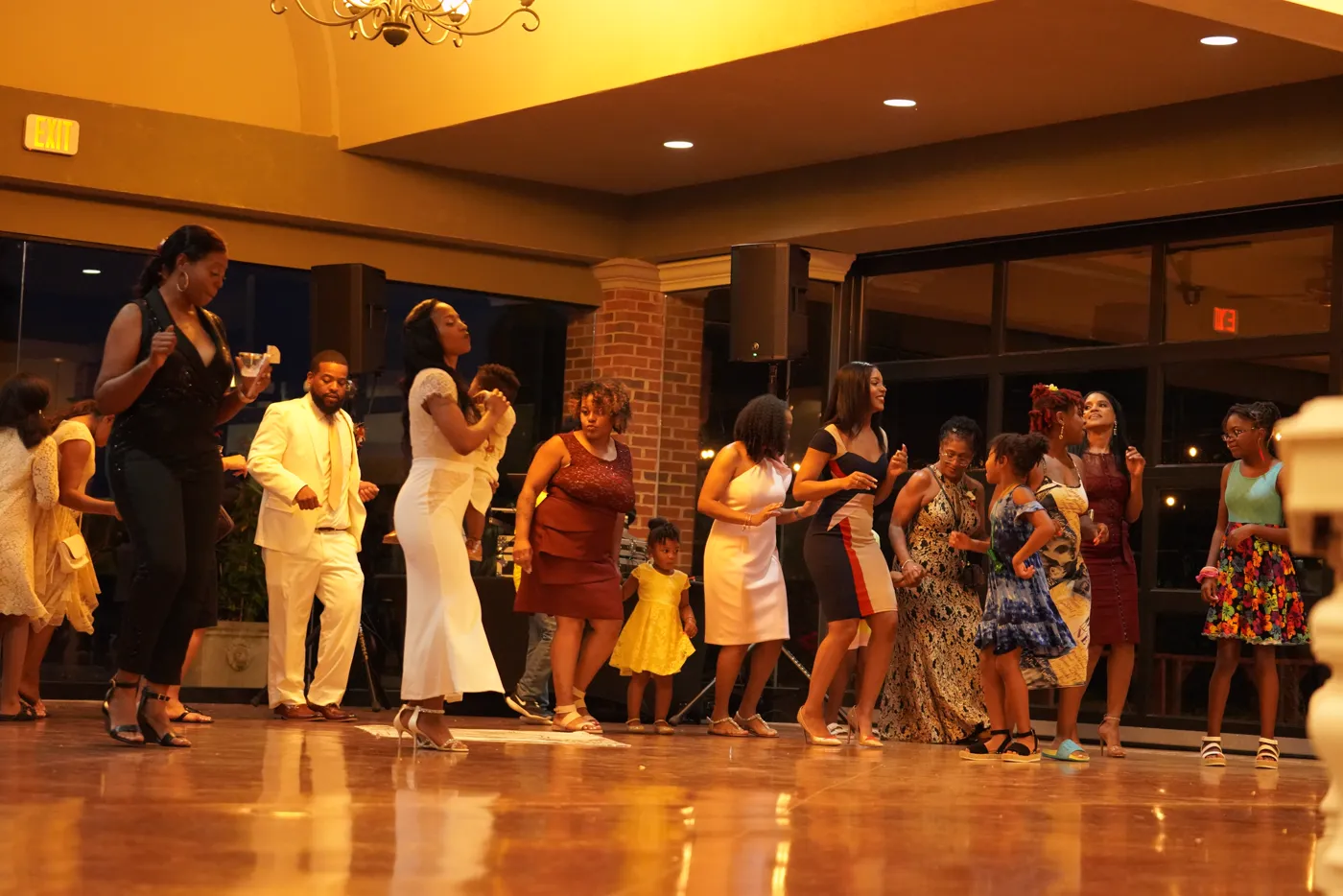
Right after the midnight block, I roll straight into a high-energy dance set. The champagne’s flowing, the pressure’s off, and everyone’s in a great mood. That’s prime dancing time. I’ve seen the half hour after midnight turn into the loudest, sweatiest part of the whole party when it’s paced right.
Midnight isn’t the finish line at a New Year’s Eve party. It’s the starting gun for the best half hour of the whole night.
Before midnight matters too. I keep the early hours social and building — good music people can talk over, then gradually more dance-floor pull as the night grows. You never want the crowd peaking at 10:30 and fading by 11:45. Slow, steady climb; giant summit; strong finish. For corporate and holiday clients, I plan this same arc into every corporate and event set I run.
Lighting and effects that sell the drop
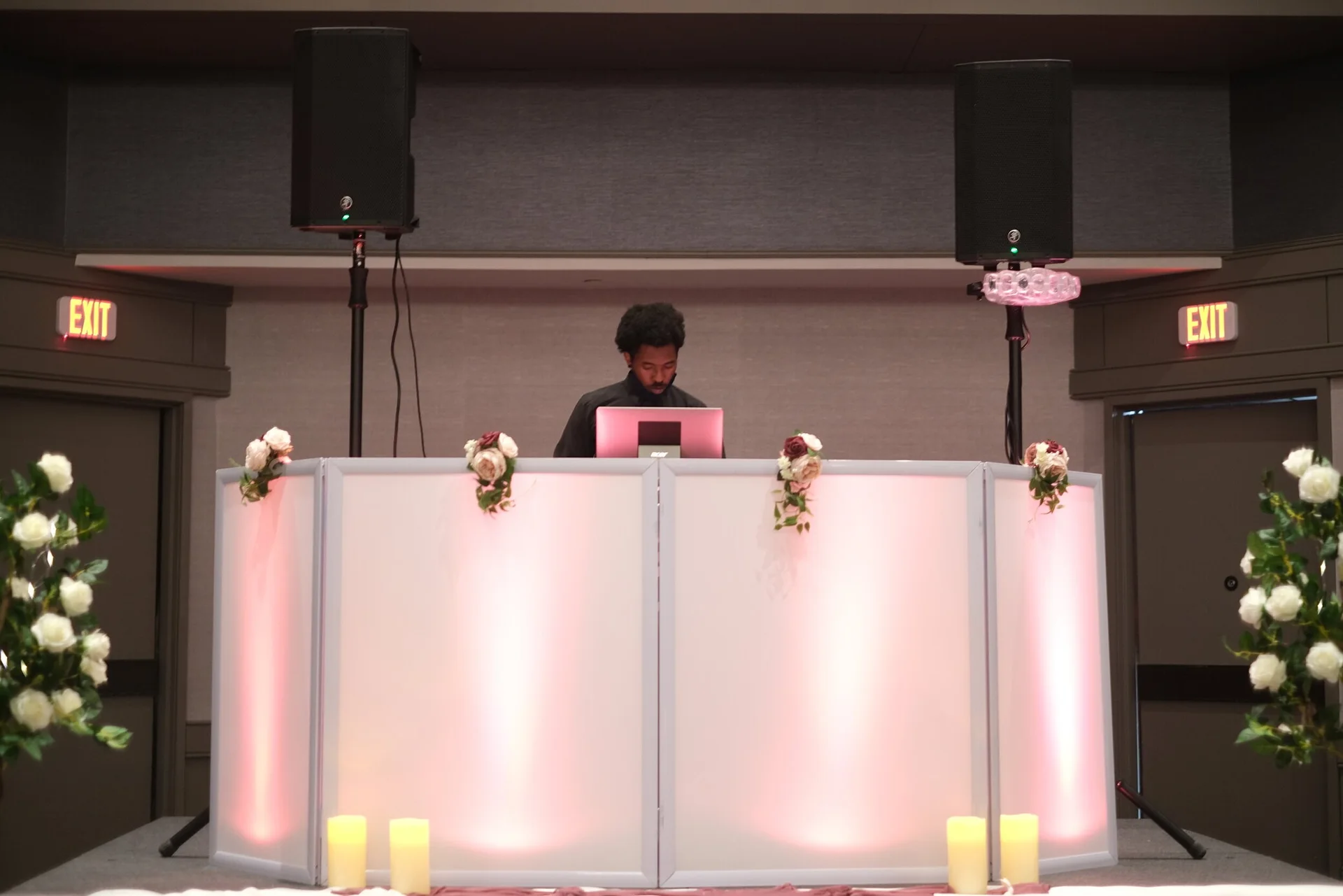
Sound gets you to midnight, but lighting is what makes people gasp. In the final ten seconds, I like to hold the room a little darker and moodier, then hit full color and movement the instant the clock strikes twelve. That flip from dim to dazzling makes the whole crowd feel the change in their chest.
Cold sparks and CO2 effects are showstoppers at the drop, and they’re a huge crowd favorite — but they need a venue’s sign-off and proper clearance first. I always confirm what your room allows before promising any effect, so nobody’s surprised on the night. Even simple uplighting shifting from cool blue to warm gold at midnight gives you that “new year, new light” feeling on a budget.
If you want the full picture, the history of the Times Square ball drop is a fun reminder that the countdown has always been a light show first. People have been staring at a bright, falling object at midnight for over a century — your party is tapping into something people already love.
Booking a New Year’s Eve DJ early
Here’s the one bit of tough love: December 31 is the single most requested date on any DJ’s calendar. There’s exactly one per year, and good DJs get claimed months out. If you’re eyeing a New Year’s Eve party, the time to lock a date is not December — it’s now.
When you book early, you also get real planning time. We can map your countdown, pick your midnight block, sort out lighting and any effects your venue allows, and build a timeline that fits your crowd. That prep is what separates a party people remember from one they forget by January 2nd.
I only take one event a night, so the couple or company that books me gets my full focus — no rushing off to a second gig. Want more planning help first? Browse more party planning tips on the blog, or meet your DJ and see if we’re a fit. Then let’s check your date while it’s still open.