Office Party Icebreaker Games That Work
We’ve all survived the bad ones. The forced “fun” where you have to share a fun fact and everyone stares at their shoes. Good office party icebreaker games do the opposite — they melt the awkwardness fast, get people laughing, and set up a night where coworkers actually mingle instead of hiding by the snack table. So whether you’re planning a holiday party or a summer bash for your Clarkston team, here are the games that work, the ones to skip, and how the right host keeps the whole thing rolling.
In this article
Why most icebreakers flop
Let’s name the problem first. Most office icebreakers fail because they feel like homework. Nobody wants to fill out a bingo card at 6 p.m. when they’d rather grab a drink and relax. The moment a game feels mandatory, people quietly resist it — research from Gallup on workplace culture shows connection at work grows from genuine moments, not forced ones.
The fix is simple: make it optional-feeling, fast, and funny. A great office party icebreaker takes two minutes, needs almost no setup, and rewards people for being a little silly — not for oversharing. When folks can jump in or just watch and laugh, they relax, and relaxed people mingle on their own.
Timing matters too. The best moment for an icebreaker is early, once most people have arrived but before dinner locks everyone into their seats. Hit that window and you set the tone for the entire night. Miss it, and you’re fighting to warm up a room that already went cold.
Quick no-prop games to open the night
The best openers need zero materials, so let’s start there. My favorite is “Two Truths and a Lie,” but with a twist — keep it work-adjacent and light, and give a small prize for the best fib. It’s fast, it’s funny, and it works even for people who hate games.
Another easy winner is “Find Someone Who.” I have the host call out prompts over the mic — “find someone who’s been here longer than five years,” “find someone who’s flown this month” — and people scramble to pair up. It gets bodies moving and mixes departments that never talk. No cards, no prep, just a mic and momentum.
“Rock, Paper, Scissors Tournament” is the sleeper hit. Everyone pairs off, losers become the winner’s cheering squad, and within five minutes the whole room is roaring for two finalists. It’s ridiculous in the best way, and it costs nothing but a couple of minutes. Little games like these are exactly the kind of energy I build into a corporate event that actually lands.
Key takeaway: The best office icebreakers are fast, need no props, and let people opt in by laughing along. Two minutes early in the night beats a 20-minute activity nobody wanted.
Team games that get people moving
Once the room’s warmed up, you can level up to games that pit teams against each other. Friendly competition is the fastest way to bond a group — nothing unites the marketing table like beating the sales table at something dumb.
A simple trivia round works great, especially with company-themed questions mixed in (“what year did we open the Clarkston office?”). Keep it short, keep the questions easy enough that everyone can play, and hand out a goofy prize. The competition matters more than the reward, so a $5 trophy gets the same laughs as anything fancier.
If you have room, “Human Bingo” done as a group relay gets people up and racing. So does a quick “Guess the Baby Photo” slideshow, where everyone tries to match childhood pictures to coworkers. It’s warm, it’s funny, and it always ends with people swapping stories. According to the Harvard Business Review, the events people actually value are the ones that spark real connection — not the ones packed with forced activities.
Nobody bonds over a fun-fact circle. They bond over beating the other department at something ridiculous. Competition is the shortcut to a room full of laughing coworkers.
Music-based games people love
Here’s where my job gets fun. Music games are the smoothest bridge from icebreakers into an actual party, because they turn the whole room into players without anyone feeling put on the spot.
“Name That Tune” is a classic for a reason. I play a few seconds of a song, tables race to shout the title, and points pile up. Mix in throwbacks and current hits so every age at the office has a shot. It’s competitive, it’s loud, and it gets people warmed up to actually dance later.
“Musical Chairs” sounds like a kids’ game until you see grown coworkers diving for a seat — then it’s the highlight of the night. I run it fast with big, familiar songs and cut the music at just the right beat. These games work because a live host controls the pacing perfectly, which a playlist simply can’t do. You can find more ideas like these in our party planning tips whenever you’re building an agenda.
Games to avoid at all costs
Now for the flip side. Some “classic” icebreakers do more harm than good, and I’ve watched a few of them freeze a room solid. Learn from other people’s cringe so your night doesn’t become the cautionary tale.
Skip anything that forces personal sharing — “tell us your biggest fear” or “share an embarrassing story” puts people on the spot and reads as a trap, not a game. Avoid anything with physical contact, like trust falls or human knots; it’s uncomfortable and it’s an HR headache waiting to happen. And please, no games that single out one person to perform alone in front of everyone.
The rule of thumb is easy: if a game could embarrass someone or make them feel judged, cut it. Good icebreakers make people laugh with each other, never at one person. Keep it light, keep it optional, and keep it moving.
Why a host makes or breaks it
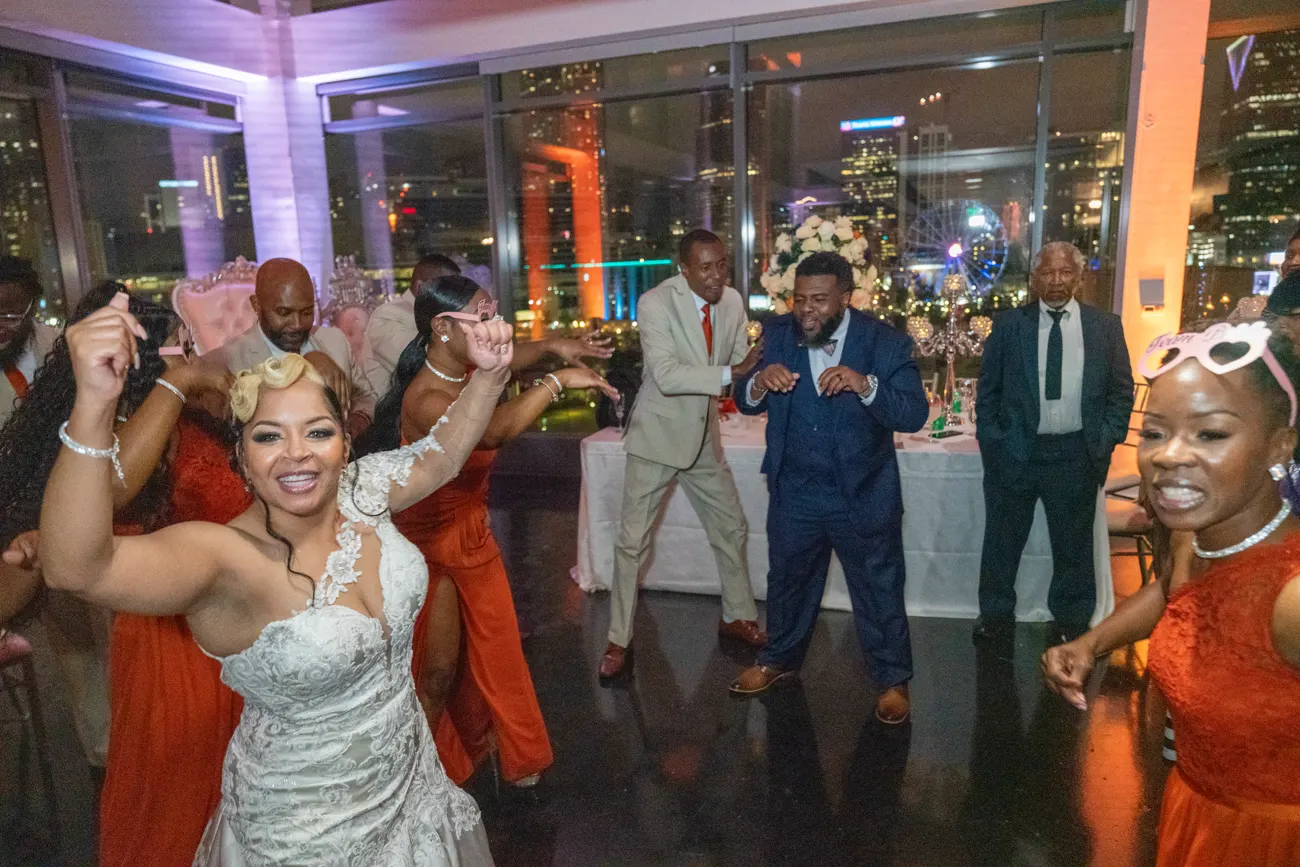
Here’s what a lot of party planners miss: the games are only as good as the person running them. A confident host on the mic is the difference between a room that plays along and a room that stares at the floor. Someone has to explain rules fast, keep energy high, read who’s into it, and know exactly when to wrap a game before it drags.
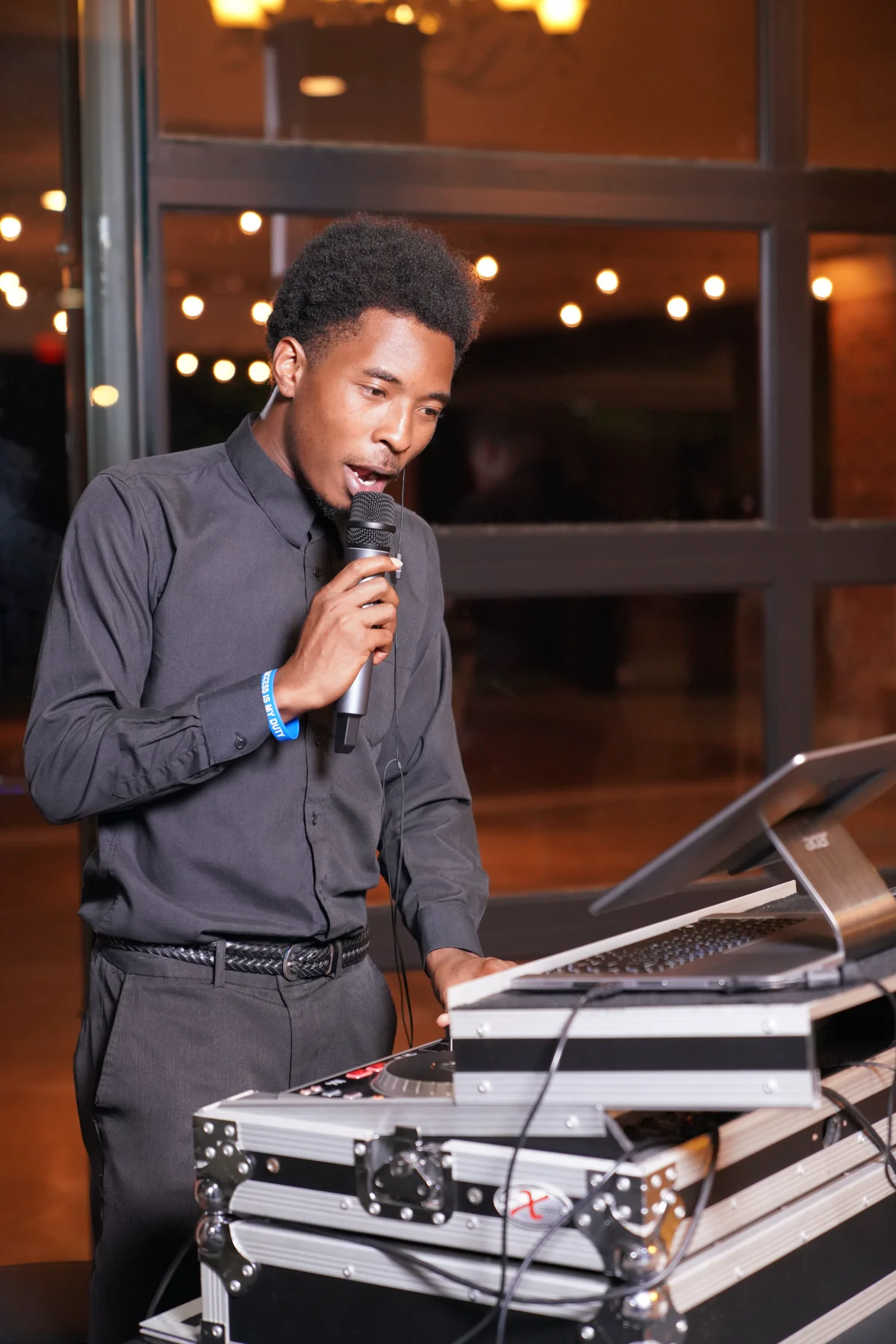
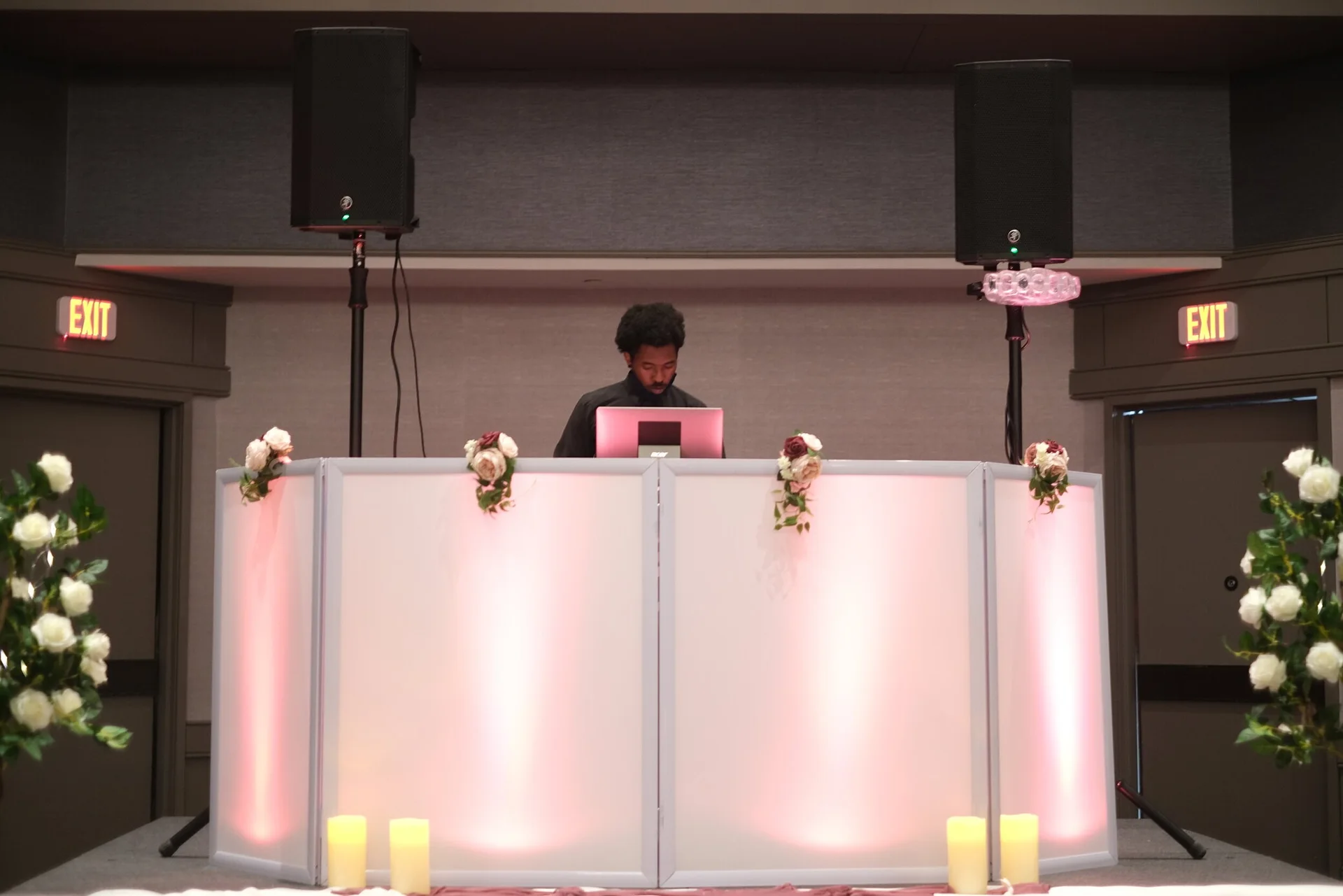
That’s emcee work, and it’s a real skill. As a DJ and MC, I run the games between music sets so there’s never a dead moment. I keep instructions short, hype the winners, and pivot instantly if a game isn’t landing. When the host has command of the room, even a shy crowd loosens up — because they’re following someone who clearly knows what they’re doing.
A good host also protects your timeline. Games that overrun eat into dinner or dancing, so I keep everything on a clock and hand off cleanly to the next part of the night. If you want the whole picture of how I plan a company event end to end, my Detroit event guide walks through the full run of show.
Building the flow from mingle to dance
The real secret is that icebreakers aren’t the goal — they’re the on-ramp. A great office party flows from arrival, to mingling, to a couple of quick games, to dinner, and then into open dancing without any awkward gaps. Each phase should hand off smoothly to the next.
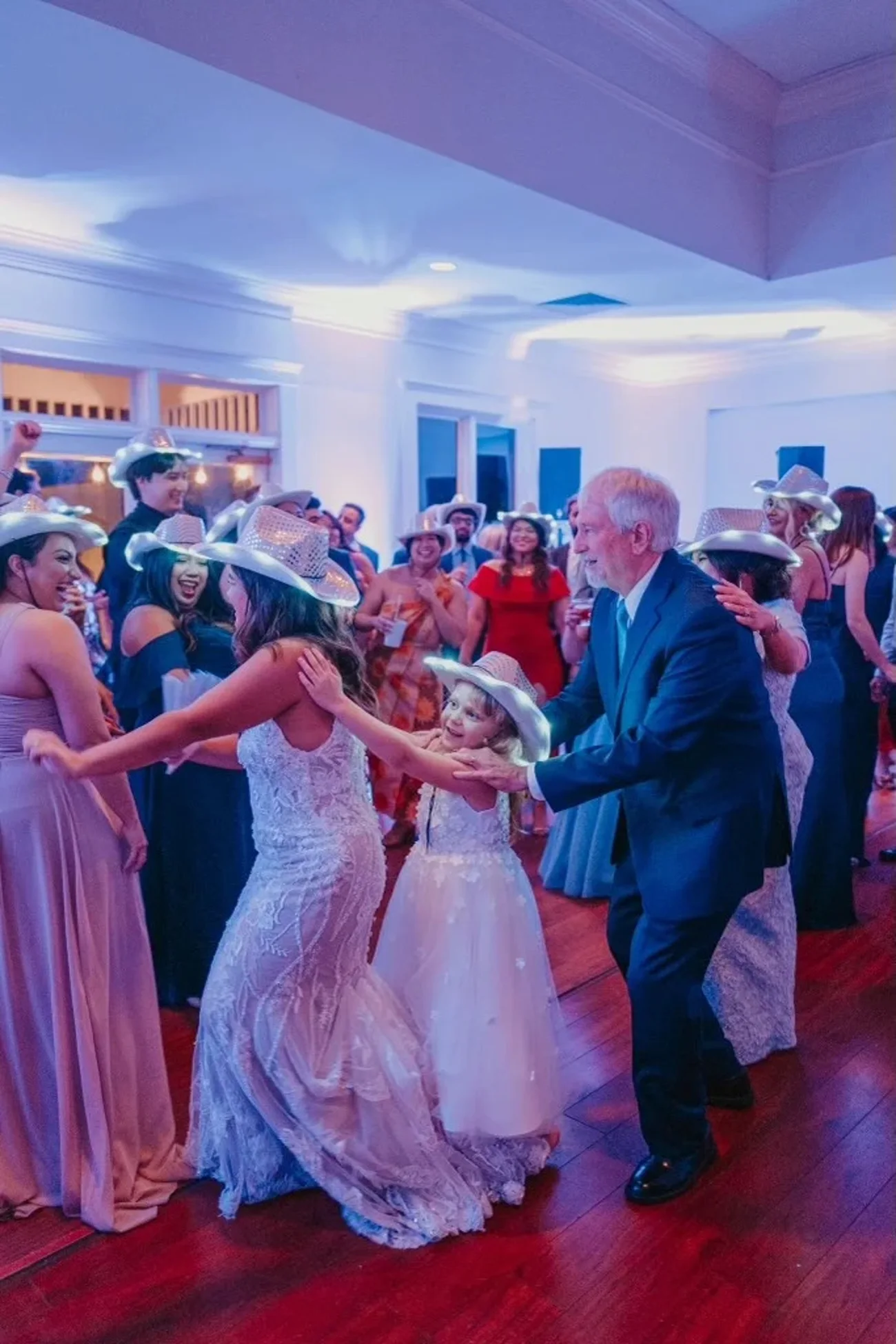
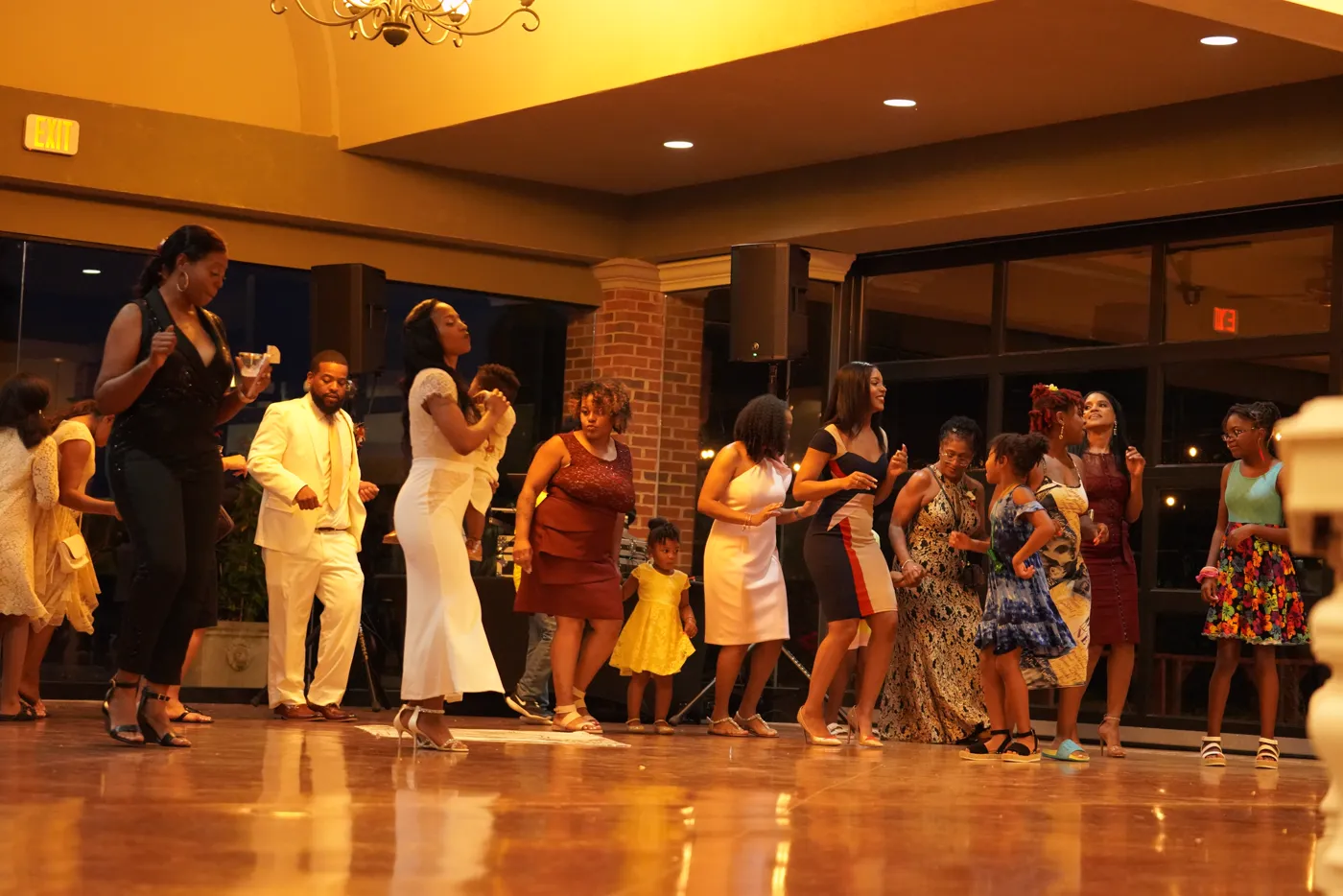
Here’s how I usually pace it. Light background music as guests arrive, a fast icebreaker once the room fills, dinner with easy conversation-friendly music, then music games to re-energize before the floor opens. By the time we’re dancing, the ice is long gone and people are actually having fun together.
That arc is why a DJ who also hosts is worth it — one person carries the energy from the first hello to the last song. Planning something for your team around Clarkston or anywhere in Metro Detroit? You can meet your DJ first and we’ll map the whole night together. Company dates book up fast around the holidays, so if you have one in mind, let’s talk while it’s open.