Chaldean Wedding Timeline & What to Expect
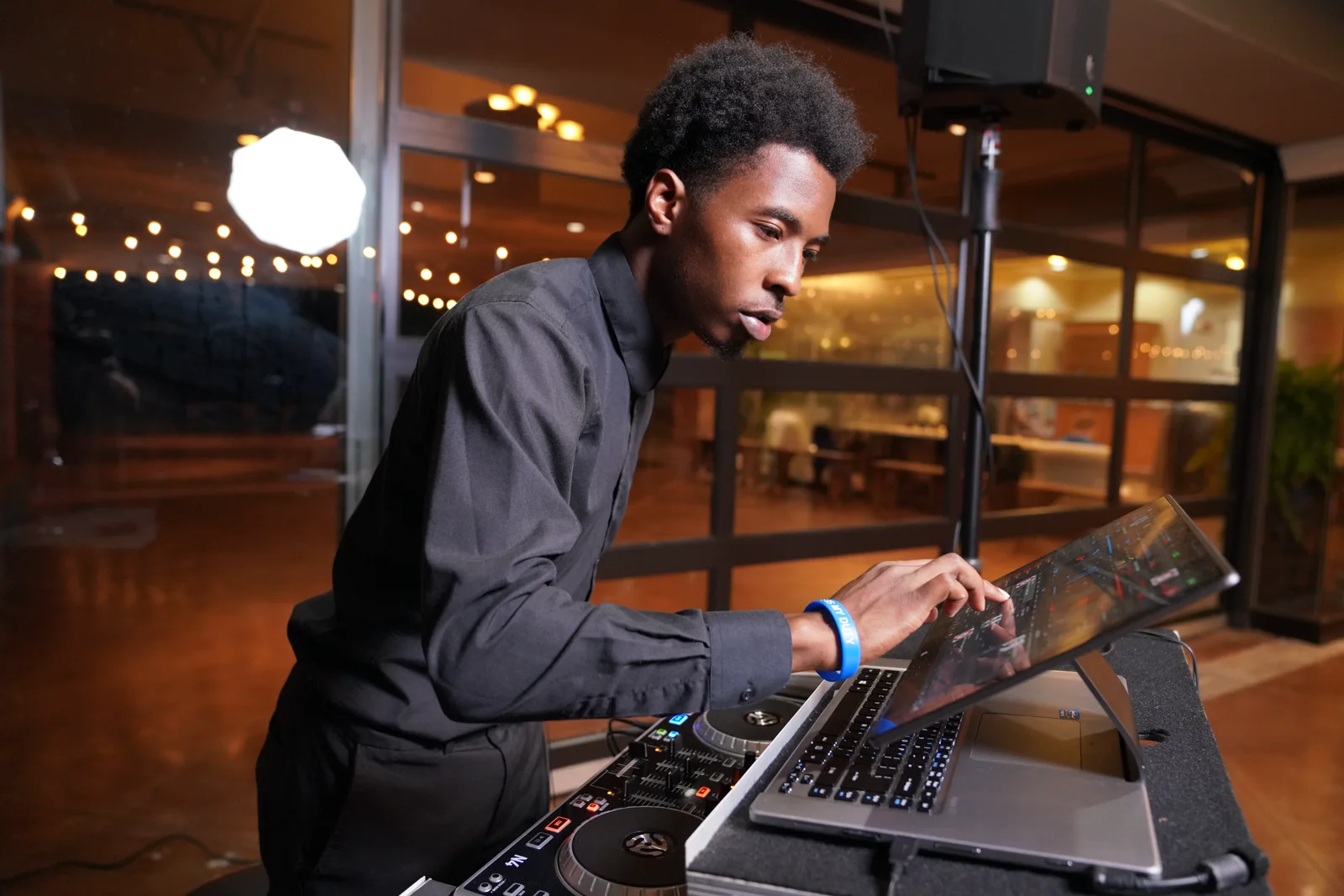
A great Chaldean wedding timeline is really one long, joyful build — from the first drumbeat of the khigga all the way to the late-night sets when the floor is packed and nobody’s checking the time. Sterling Heights is home to one of the largest Chaldean communities in the country, so I’ve had the honor of running a lot of these nights. Here’s exactly how the day flows, hour by hour, and how a DJ keeps the energy climbing from start to finish.
In this article
What makes a Chaldean wedding different
If you’ve only been to standard American receptions, a Chaldean wedding will surprise you — in the best way. The dancing doesn’t wait for dessert. It starts the second the couple walks in, and it barely stops. So the whole Chaldean wedding timeline is built around movement, not around a slow ramp-up.
The heart of it is the khigga, a joyful line dance where guests link hands and circle the couple. Add the piercing call of the zurna and the deep pulse of the dawola drum, and you’ve got a room that’s ready to celebrate before the salad even lands. If your guests are new to the customs, WeddingWire’s overview of cultural wedding traditions is a friendly primer. Your job as a couple is simple: pick a DJ who knows this flow cold, then relax and enjoy your own party.
That’s the big idea here. This isn’t a night you “get through.” It’s a night you ride. And the timeline exists to protect the energy, not to boss everyone around.
The church ceremony and the drive over
Most Chaldean weddings begin with a church ceremony, often at one of the Catholic parishes that anchor the Sterling Heights and Shelby Township community. The Mass is meaningful and unhurried, so plan for it to run a little longer than a quick civil ceremony. That’s normal, and it’s worth every minute.
After the church, there’s usually a gap before the reception while photos happen and guests travel to the hall. Here’s a tip a lot of couples miss: use that gap wisely. If your reception venue is a short hop away, guests arrive relaxed and ready. If it’s a longer drive, I’ll warm the room with lighter music as people trickle in, so nobody’s standing in a silent hall wondering if they’re early.
The point is to hand off the energy cleanly. The ceremony sets the tone; the reception picks it right back up. According to The Knot’s reception planning guide, that first 30 minutes at the hall sets the whole mood — so we treat it like it matters.
The grand entrance and the khigga
Now for the moment everyone waits for. The couple’s grand entrance at a Chaldean wedding isn’t a polite clap-and-sit — it’s an explosion. The doors open, the drum kicks in, and the room erupts. Within seconds, guests are on their feet forming the khigga line, and the couple is pulled right into the center of it.
Timing this cue is everything. I coordinate with the venue and the family so the drummer, the lights, and the music all hit on the same beat. Too early and half the guests are still parking. Too late and the room cools off. Done right, the entrance becomes the highest point of the night before dinner even starts.
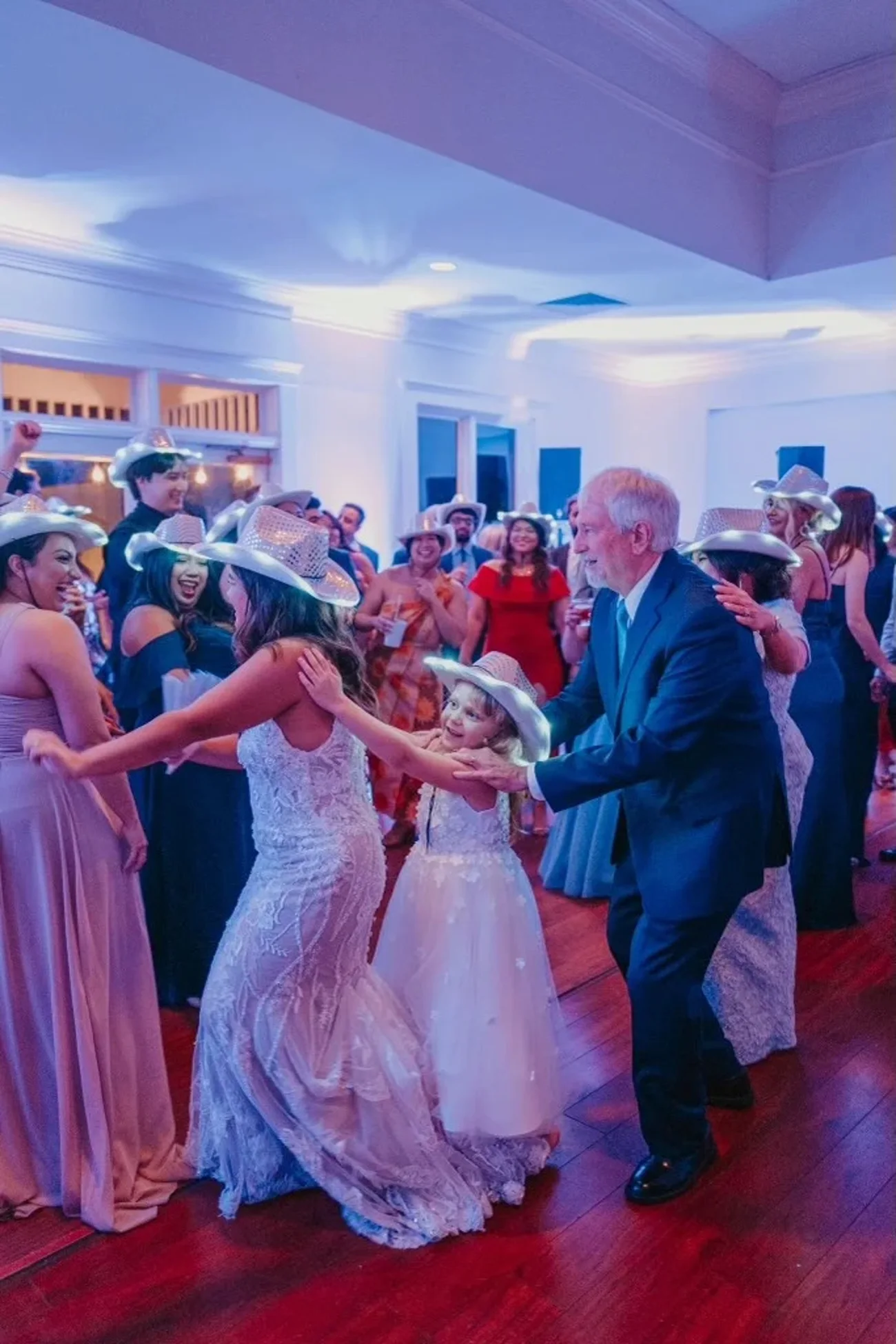
The khigga can run long, and that’s the goal. I keep the tempo steady so grandparents, kids, and the couple’s college friends can all hold the line together. When the energy peaks, I read it and let it breathe before dinner, so nobody’s gassed out by 7 p.m.
At a Chaldean wedding, the party doesn’t build toward the dancing — the dancing is the party. My job is to protect that energy from the first drumbeat to the last.
Key takeaway: The khigga during the grand entrance is the emotional core of a Chaldean wedding. Nail the timing between the drum, the lights, and the music, and the whole night rides that wave.
Dinner, toasts, and pacing the room
After that first burst of dancing, the room needs a breath — and so does the kitchen. Dinner is where you reset the energy without letting it die. I drop into warmer, lower-volume music so guests can actually talk, eat, and catch up with the relatives they only see at weddings.
This is also the window for toasts and any family speeches. I make sure the mics are tested and ready, because a dead mic during the father’s blessing is the one thing you can’t redo. Backup mics ride with me every time, no exceptions.
Pacing matters here more than people think. Push the dancing too soon and dinner service falls apart. Wait too long and the room goes flat. So I sync with the catering team on course timing before your date, which keeps the flow smooth. If you want to see how I map every piece of a day like this, my breakdown of how we run your day lays it out step by step.
When the zurna and dawola take over
Once dinner clears, the second wave hits — and this one usually goes all night. Many Chaldean couples bring in a live zurna and dawola duo, and the mix of that live sound with the DJ system is pure magic. The trick is blending them so neither one steps on the other.
I work with the live players before the reception to sort out sound levels, cues, and who leads when. When it’s coordinated, the drum locks in with the beat and the whole room feels it in their chest. When it’s not, you get a muddy clash that fights itself. Coordination is the difference, and it’s exactly why experience earns its keep.
From here, the khigga comes back stronger, the line stretches around the floor, and the couple gets lifted, spun, and celebrated. I keep the transitions tight so there’s no dead air between the traditional sets and the modern hits your younger guests are waiting for.
Late-night sets: keeping the floor full
Here’s what a lot of couples underestimate: at a Chaldean wedding, the last two hours can be the best two hours. The formalities are done, the older guests who wanted to see the dances have had their moment, and the floor belongs to the people who came to dance until the lights come up.
So I stack the late-night set with a smart blend — Chaldean and Arabic favorites for the crowd that never leaves the line, plus current pop, hip-hop, and throwbacks to keep the younger folks locked in. Reading the floor live is the whole skill. When a song is working, I ride it. When the energy dips, I’ve already got the next pull-them-back track cued.
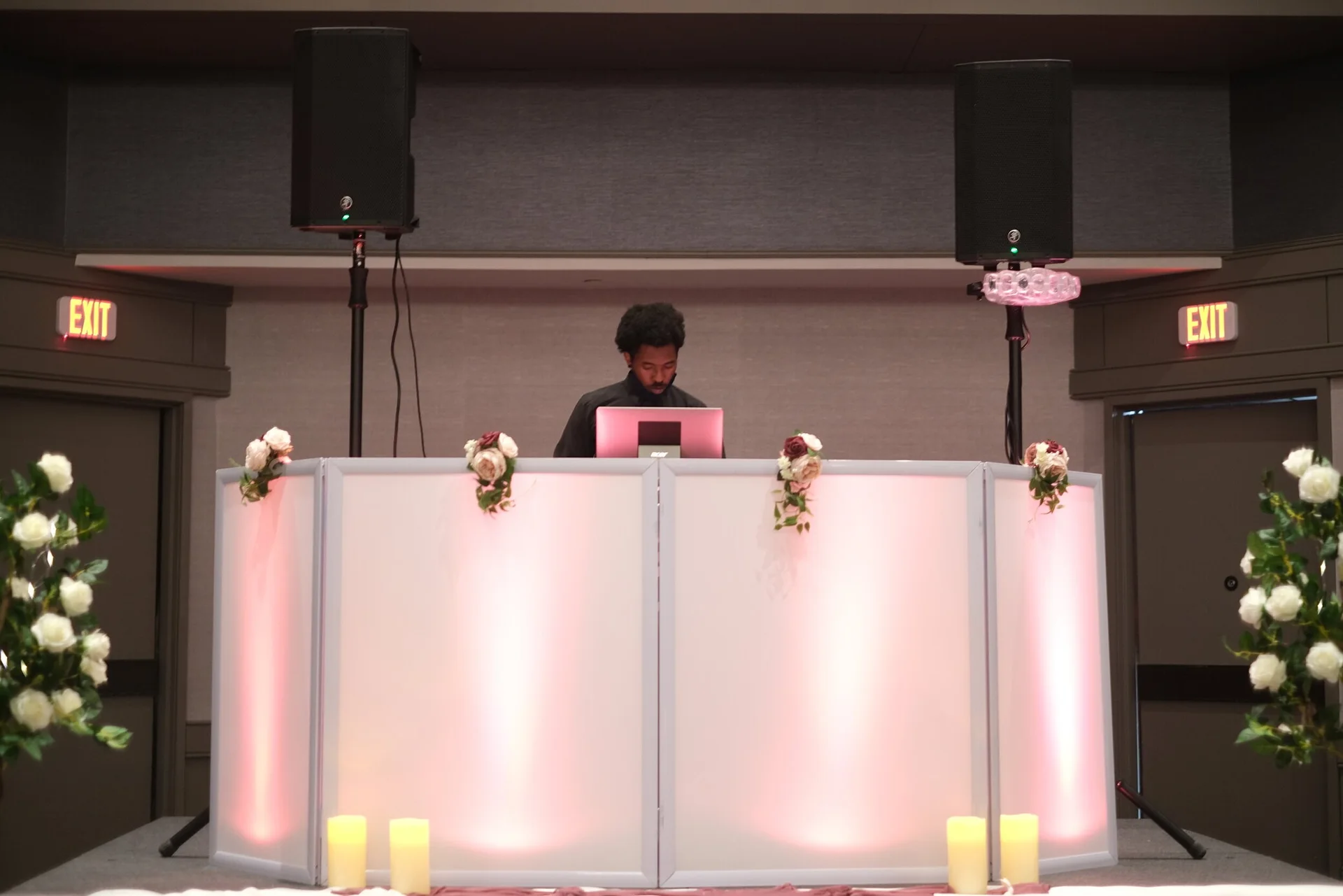
Lighting carries a lot of weight this late, too. A warm uplit room feels intimate and electric at 11 p.m. in a way a flat, bright hall never will. It’s a small upgrade that makes the final photos glow and the dancing feel unstoppable.
Building your timeline with your DJ
Every family is a little different, and that’s the fun of it. Some want a longer traditional block; others want to swing into modern music sooner. So we build your Chaldean wedding timeline together, around your family, your must-plays, and your absolute no-list.
When we plan, I ask about the live musicians, the key family moments, the languages your MC announcements should hit, and how much of the night you want in traditional versus modern. Then I fill the gaps live on the day, watching the floor instead of clinging to a script. For more of these deep-dives, browse more planning tips on the blog whenever you like.
Because I only take one wedding a day, your night gets my full focus — no rushed setup squeezed between other events. If you’re planning close to home, my Sterling Heights wedding guide covers the local venues and details, and you can always meet your DJ before you book. Dates in wedding season fill fast, so if you’ve got one in mind, let’s check it while it’s still open.