
Uplighting Mistakes That Wash Out Your Room
Uplighting can turn a plain ballroom into a room your guests gasp at — or it can leave everything looking flat and washed out. The difference usually comes down to a handful of avoidable uplighting mistakes. I’m Tevin, and I’ve lit hundreds of Michigan receptions, from Plymouth barns to downtown Detroit ballrooms. Here are the errors I see couples and budget lighting setups make most, plus the simple fixes that make your photos and your room glow.
In this article
Picking the wrong color
Let’s start with the mistake that stings the most, because it’s the easiest to avoid. Couples fall in love with a bold color on a screen, then panic when it turns their reception into a nightclub. Color is powerful, and the wrong pick changes the whole mood of the night.
Here’s the trap. A deep red might look romantic in a photo, but wash a whole room in it and skin tones go orange, food looks strange, and Grandma asks if there’s a fire drill. One of the most common uplighting mistakes is choosing a shade without seeing it fill an actual space first. Colors behave very differently on a wall than they do on a phone.
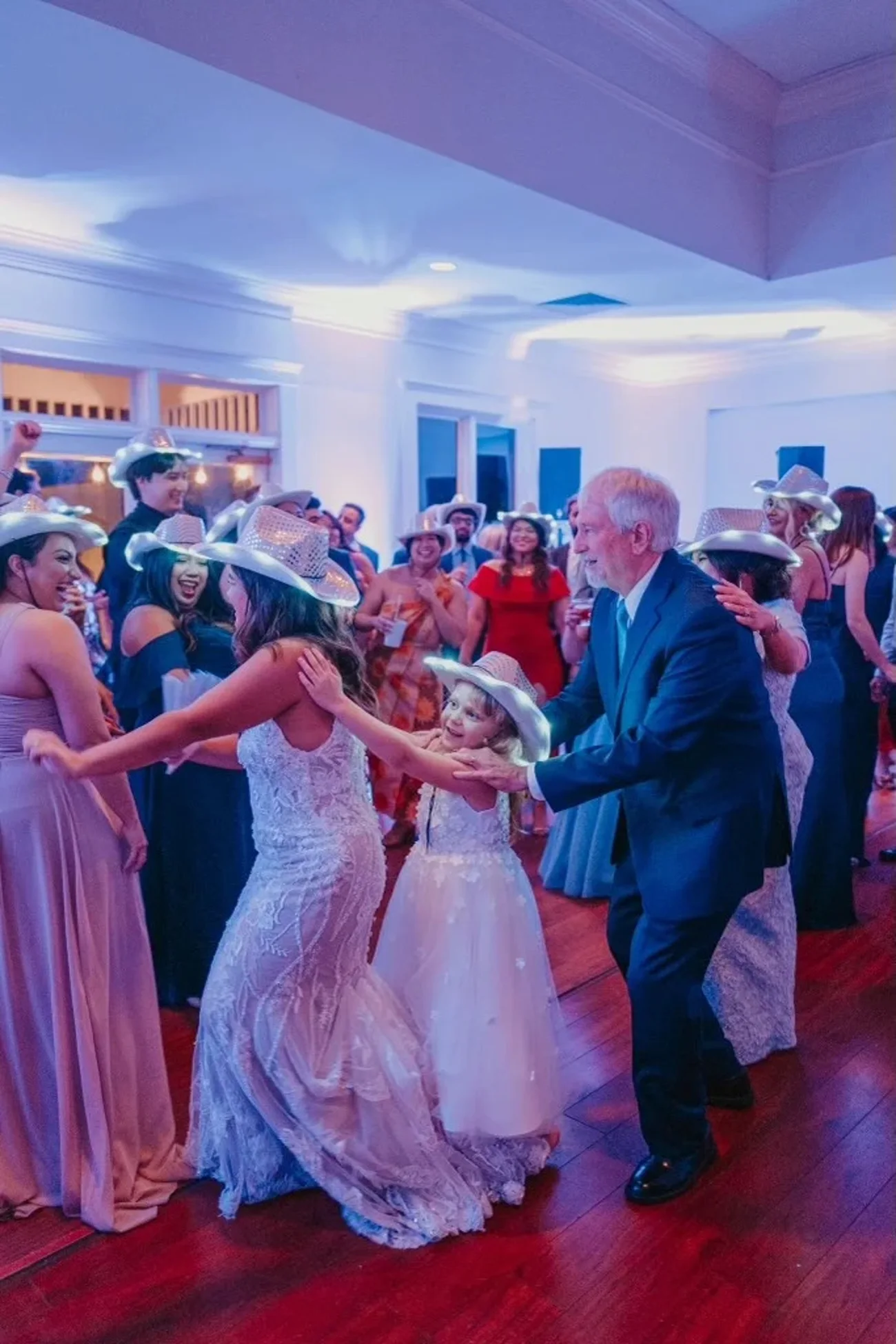
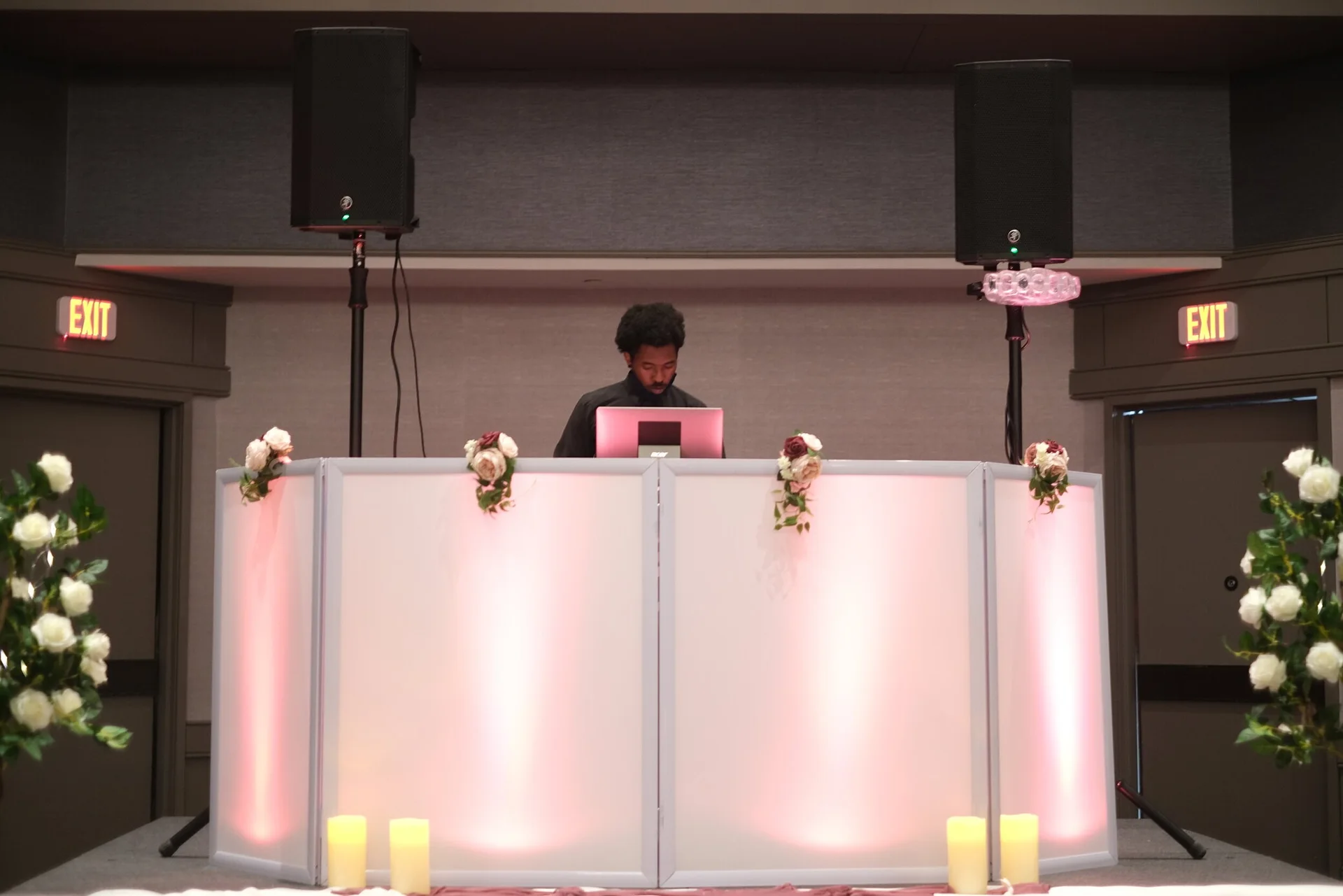
The fix is simple: match your uplighting to your decor and keep it soft. Blush pink, warm amber, and gentle lavender flatter almost every room and every guest. If you want drama, we add it in one focal spot — behind the head table or the cake — not everywhere at once.
Washing the room in harsh white
Now for the opposite problem. Some setups play it too safe and blast the room with bright, cool white, thinking it’s “clean.” Instead, it flattens everything. White uplighting can strip out all the warmth and make an elegant venue feel like an office at noon.
White light also fights your other light sources. Candles, string lights, and your photographer’s warm tones all clash with a cold white wash, so the room ends up looking gray on camera. That’s the opposite of the cozy, glowing reception you pictured.
If you love a clean look, we reach for a warm amber or soft champagne instead of stark white. It reads as elegant and timeless, and it plays nicely with candlelight. The room feels expensive, not fluorescent. For a deeper look at how lighting sets the mood, The Knot’s wedding lighting guide shows just how much a color choice can change a space.
Sloppy fixture placement
Great color still fails if the lights are in the wrong spots. Placement is where a lot of DIY and bargain setups fall apart. Fixtures dumped in random corners create bright hot spots and dark dead zones, and the eye notices instantly.
The goal is even, rhythmic spacing around the perimeter, so the color climbs the walls in a smooth, continuous glow. Skip a section and you get a gap that looks like a mistake, because it is one. I also keep fixtures clear of walkways and doorways, so nobody trips and no light shines straight into a guest’s eyes.
Placement matters even more in a room with texture. Brick, drapery, and columns catch light beautifully when a fixture is angled right. According to WeddingWire’s uplighting guide, thoughtful placement is what separates a room that glows from one that just looks lit. A little planning goes a long way.
Key takeaway: Most uplighting problems trace back to three things — the wrong color, harsh white light, and careless placement. Choose a soft shade that matches your decor, lean warm instead of cold, and space fixtures evenly around the room. Get those right and you’ve dodged 90% of the trouble.
Using too few (or too many) lights
Here’s what a lot of couples miss: the number of fixtures matters as much as the color. Order too few and the color barely registers, leaving big dark patches between each light. Order too many in a small room and the whole space glows so hard it looks artificial.
Room size drives the count. A cozy Plymouth barn or an intimate restaurant space might need only eight to twelve fixtures to feel rich and full. A big banquet hall with tall walls needs more, because the light has farther to travel. The trick is matching the fixture count to the actual square footage, not guessing.
This is exactly where a walkthrough helps. When I know your room ahead of time, I can tell you the right number before you spend a dollar — so you’re never overpaying or underlighting. That planning is baked into how we color a room to match your day, and it saves couples real money.
Cheap gear and tangled cords
Budget lighting is tempting, but it shows. Cheap fixtures often can’t hit true, rich colors, so your carefully chosen blush comes out looking like bubblegum. Worse, many low-end units run hot, buzz, or flicker as the night goes on.
Then there are the cords. Corded fixtures mean extension cables snaking across your dance floor — a tripping hazard and an eyesore in every photo. I run wireless, battery-powered fixtures instead, so there’s nothing to trip over and nothing ugly crossing the room. They last the whole reception on a single charge.
Quality gear also holds its color evenly across every unit. Nothing looks sloppier than one wall glowing warm pink while the next glows cool purple because the fixtures don’t match. Consistency is a quiet detail that makes the whole room look intentional.

Ignoring how it reads on camera
Your reception photos last forever, so lighting has to look good through a lens, not just to your eyes. This is the mistake people don’t spot until the gallery comes back, and by then it’s too late. Certain colors that feel fun in person can wreck skin tones and detail on camera.
Heavy saturated colors are the usual culprit. A room drenched in deep blue or red can leave faces looking sickly in every candid shot. That’s a big reason I steer couples toward softer, flattering tones for the main wash and save punchy color for accent spots the camera loves.
It’s worth coordinating with your photographer, too. When your lighting and their camera settings agree, the reception shots come back glowing instead of muddy. A quick conversation ahead of time protects the photos you’ll frame for decades.
One more camera tip that trips people up: motion. If your fixtures cycle through colors or strobe during the reception, half your candid shots catch the room mid-shift, so faces glow green in one frame and blue in the next. For the main wash, I set a single steady color and hold it, then save any moving effects for the dance floor where they belong. Your photographer captures clean, consistent light, and every table looks the way you planned it.
The easy way to get it right
Here’s the good news after all those warnings: avoiding uplighting mistakes is genuinely easy when you plan ahead with a pro. You don’t need to become a lighting expert. You just need someone who’s done it hundreds of times to handle the details.
When we plan your day, you pick a color that matches your flowers and linens, and I handle the count, the placement, and the gear. Everything is set and tested before a single guest arrives, so the room looks finished from the first photo to the last dance. If something needs a tweak, we do it early, not mid-reception.
Want more planning help across the whole day? Browse more reception ideas anytime, and if you’d like to see how I approach weddings across the area, my Detroit wedding guide covers the full picture. You’re always welcome to meet your DJ before you book. Dates fill fast in wedding season, so if you have one in mind, let’s check it while it’s open.