Indian Reception Music: A Planning Guide
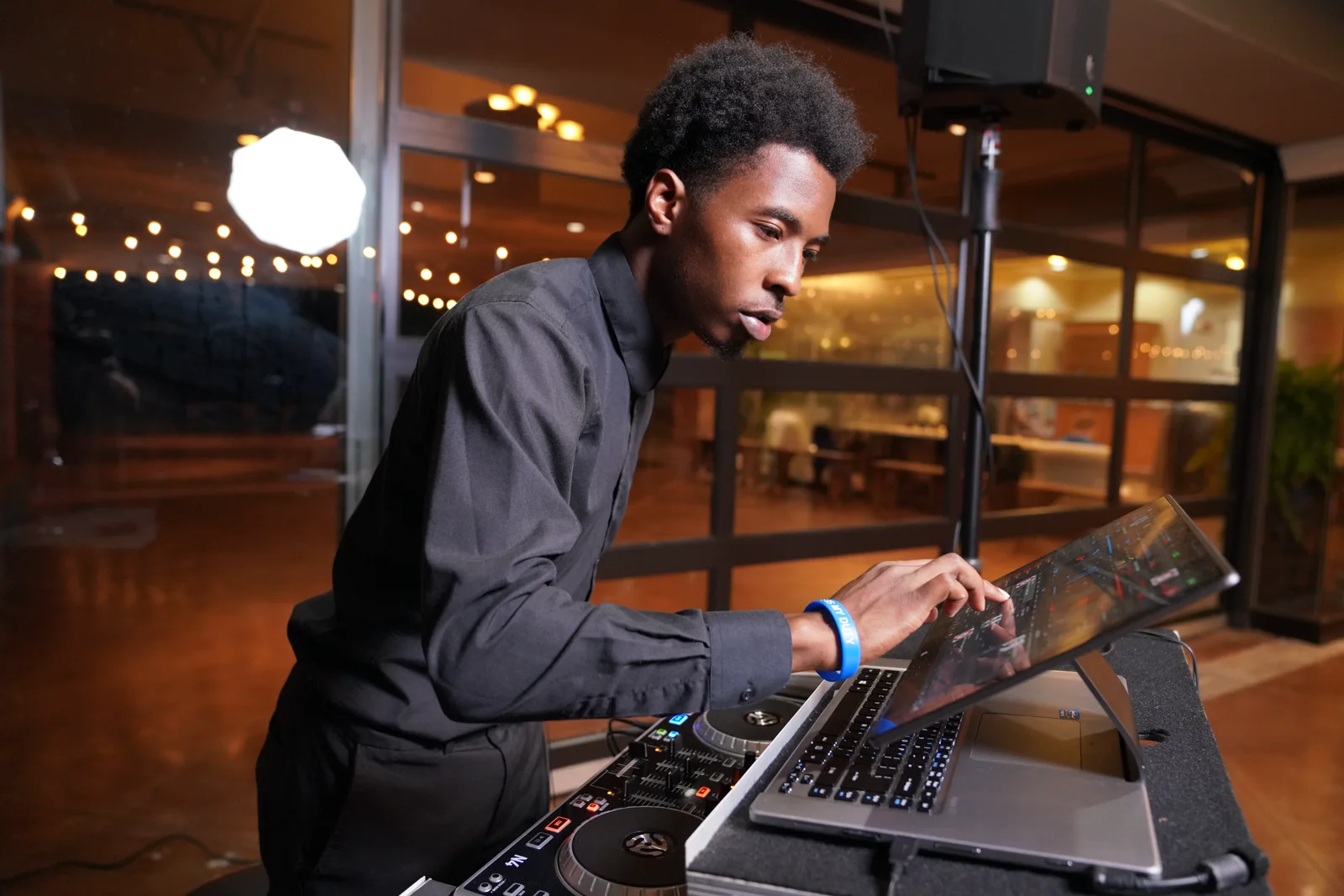
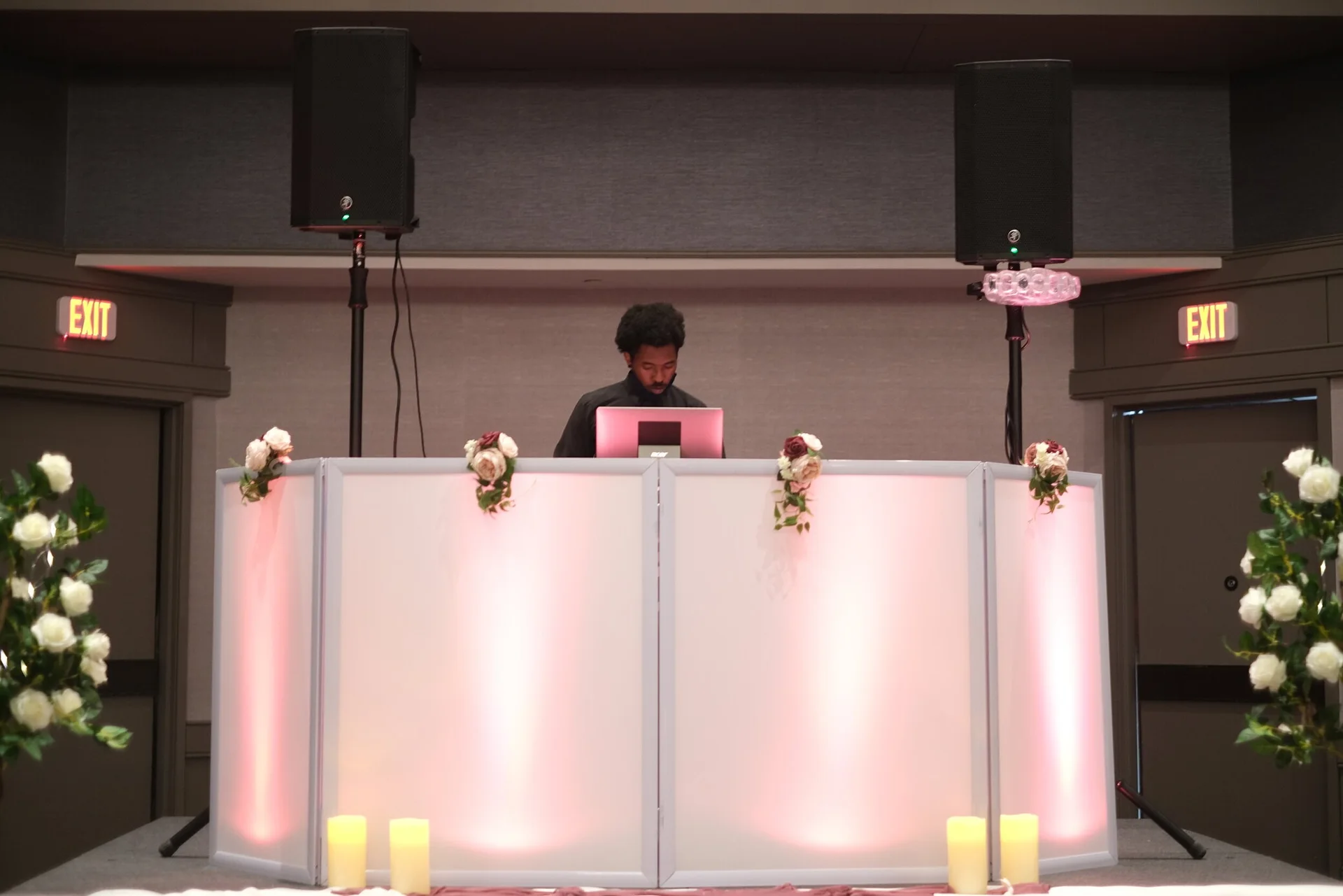
An Indian wedding is a beautiful marathon, and the music is what carries everyone through it. But here’s the thing most couples don’t realize until it’s too late: Indian reception music is a completely different job than the ceremony. The ceremony asks for calm and reverence. The reception asks for pure joy and a floor that never empties. Get the strategy right for each one, and your whole day flows. I’m Tevin, and I’ve played plenty of these celebrations across Troy and Metro Detroit, so let me walk you through it.
In this article
Two events, two totally different soundtracks
Let’s clear up the biggest mistake first. Some couples plan one giant playlist for the whole day and hope it works. It rarely does. The sacred moments and the party moments need different energy, different volume, and different song choices. So the smart move is to split your planning into two buckets from the start.
Your ceremony music should feel timeless and respectful. It supports the rituals without ever stealing focus. Your Indian reception music, on the other hand, is built to move people. It’s loud, proud, and packed with the hits your guests came to dance to. When you plan them as two separate jobs, both turn out better.
Think of it like two acts in a play. Act one is emotional and slow. Act two brings the house down. A good DJ knows exactly where the line between them sits and how to cross it smoothly.
Music for the ceremony and rituals
The ceremony is where tradition leads. Depending on your family and faith, you might have shehnai, classical instrumentals, or gentle devotional pieces underscoring the rituals. My job here is simple: support the moment and stay invisible. The music should feel like it was always there, warm and soft in the background.
Timing is everything during rituals. The pheras, the varmala, the vidaai, each has its own emotional weight, and the sound has to match. I cue music that rises and falls with the ceremony so nothing feels rushed or awkward. And I keep mics ready for the priest or officiant, because clear vows matter just as much as the music around them.
One tip from experience: always share your ritual order with your DJ ahead of time. Every family does things a little differently. When I know the sequence, I can prep the right piece for each moment instead of guessing live. For a deeper look at how I map an entire day, my rundown of how we run your day lays it all out step by step.
The grand entrance sets the tone
Here’s where things shift from sacred to celebration, and it’s my favorite moment of the night. The couple’s grand entrance is the bridge between the two acts. Nail it, and the whole reception takes off with instant energy. Fumble it, and the room takes twenty minutes to warm up.
For the entrance, I go big. A high-energy Bollywood track, a bhangra beat, or even a live dhol leading the way if you want it. The point is to announce that the party has officially begun. Guests should feel the shift in their chest, not just hear it, and a well-built list of Indian wedding songs gives you plenty of great entrance options. That’s the power of a well-chosen entrance song.
Right after the entrance, I keep the momentum rolling instead of dropping into slow dinner music too soon. A short burst of dance-floor heat first, then we settle into dinner. This little trick keeps the energy from flatlining early, which is a mistake I see at a lot of weddings.
The grand entrance is the hinge of the whole day. It turns a quiet, sacred morning into a reception nobody wants to end.
Building the reception dance set
Now for the main event. A great Indian reception music set is a blend, not a single lane. I mix current Bollywood chartbusters with bhangra anthems, a few Punjabi hits, and Western pop and hip-hop for the crowd that grew up here. The magic is in the transitions, moving between languages and styles so smoothly that nobody notices the switch, they just keep dancing.
Sangeet-style singalongs, garba if it fits your traditions, and those big group-dance anthems all have a place. According to The Knot’s Indian wedding guide, the reception dance floor is consistently ranked the most memorable part of the day by guests. So it deserves real planning, not a shuffled playlist.
I also build in peaks and valleys on purpose. Full-throttle blocks to pack the floor, then a slightly cooler stretch so people can grab water and catch their breath, then back up again. That rhythm is how a floor stays full for hours instead of burning out in the first forty minutes.
Keeping every generation on the floor
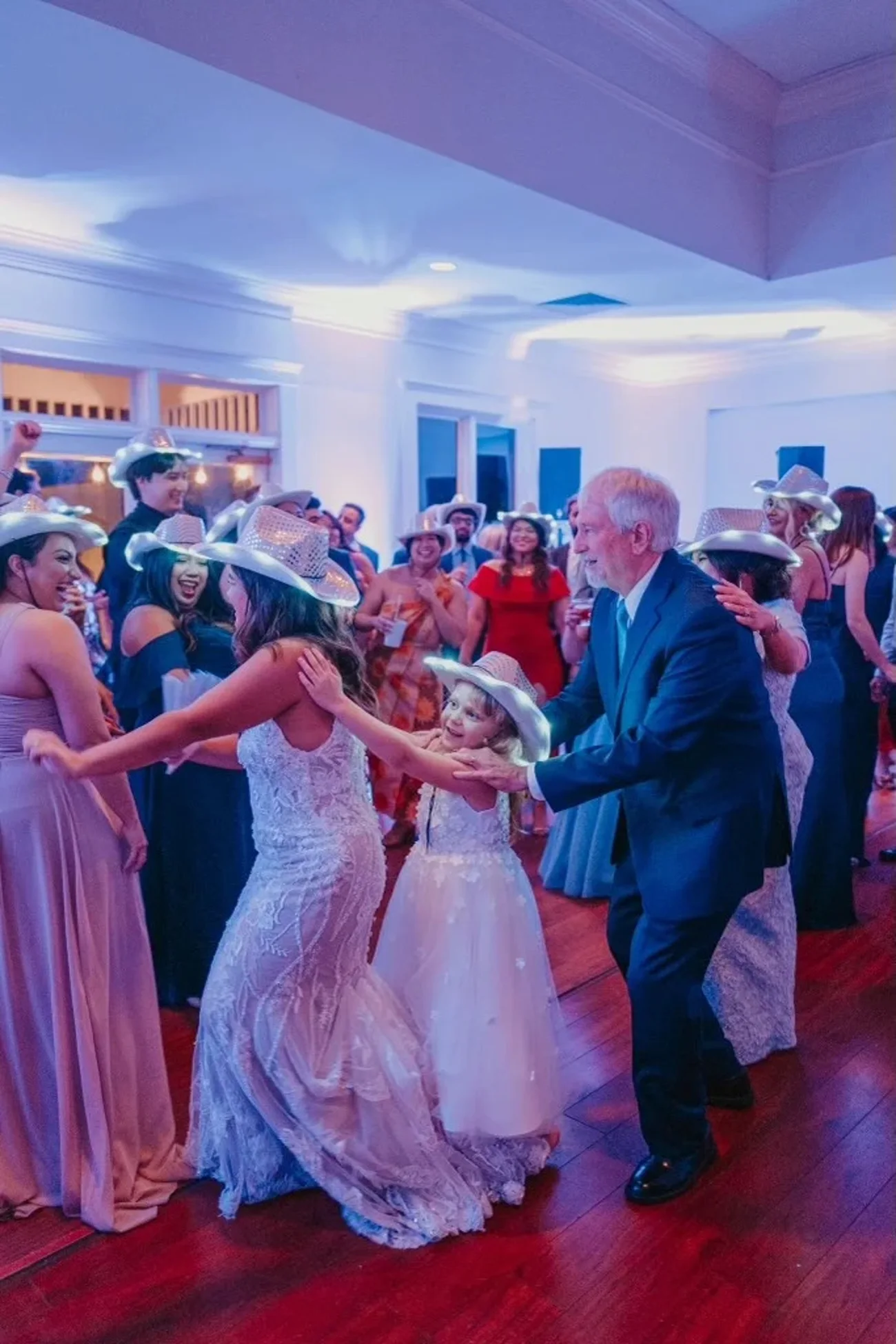
Here’s what a lot of couples miss: an Indian wedding often spans four generations, and they all want to dance. Your grandparents, your parents, your cousins, and your college friends are all in the room at once. The challenge is keeping every one of them happy without playing to just one group.
The way I handle it is by rotating. A classic Bollywood number the aunties love, then a current hit for the younger crowd, then a bhangra track that pulls literally everyone in because nobody can resist it. When I read the floor drifting toward the tables, I drop a song that yanks them right back. A locked playlist can’t do that. A DJ watching the room can.
This is exactly why I plan with you, not at you. You tell me the must-plays, the family favorites, and the absolute do-not-play list. Then I fill the gaps live, based on what the room is actually feeling in the moment.
DJ, dhol, and the live-music question
A question I get all the time: do we need a live dhol player, or is the DJ enough? The honest answer is that it depends on your vibe and budget. A live dhol adds incredible energy to the baraat and the entrance, that thundering drum you feel in your bones. But it’s an add-on, not a must-have.
Plenty of couples do the whole night with just a DJ and love it. Others want the dhol for those two or three peak moments and let the DJ carry the rest. I work well with live musicians and can coordinate the handoffs so nothing clashes. There’s no wrong answer here, only what fits your dream and your wallet.
Key takeaway: Plan your ceremony and reception music as two separate jobs. Keep the rituals soft and timeless, then build the reception around blends that jump between eras and languages. A DJ who reads the room live is what keeps all four generations dancing.
How we plan your night together
So how does this actually come together? It starts with a real conversation. We go through your ritual order, your family’s traditions, your must-play list, and the moments that matter most to you. From there, I build a plan for each act, ceremony and reception, and stay flexible enough to read the room on the day.
Because I take one wedding a day, your celebration gets my full focus, never a rushed setup squeezed between two other events. Want to know more about my background before you reach out? You can meet your DJ and see why couples across Metro Detroit trust me with these big, multi-part days.
Whether your reception is in Troy or anywhere across the metro, the formula holds: respect the rituals, launch the party with a killer entrance, and blend the reception so nobody sits down. For more planning help, browse more wedding tips anytime, or dig into my Detroit wedding guide for the full picture. Peak dates fill fast, so if you’ve got one in mind, let’s check it while it’s open.