Wedding Sound Mistakes: Volume & Mics
Ask anyone about a bad wedding and you’ll hear the same stories: “We couldn’t hear the vows.” “The toast cut out.” “The music was so loud we left early.” Almost all of the biggest wedding sound mistakes come down to two things — volume and mics. The good news? Every single one is avoidable with a little planning and the right gear. Let me walk you through what goes wrong, why, and how a pro keeps your day sounding clean from the first “I do” to the last song.
In this article
Mistake #1: cranking the volume too high
Let’s start with the big one, because it’s the mistake people feel in their chests. Loud does not mean good. When the volume gets pushed past what a room can handle, the music turns to mush, guests can’t talk, and older relatives quietly slip out to the lobby. One of the most common wedding sound mistakes is treating “more volume” as “more party.”
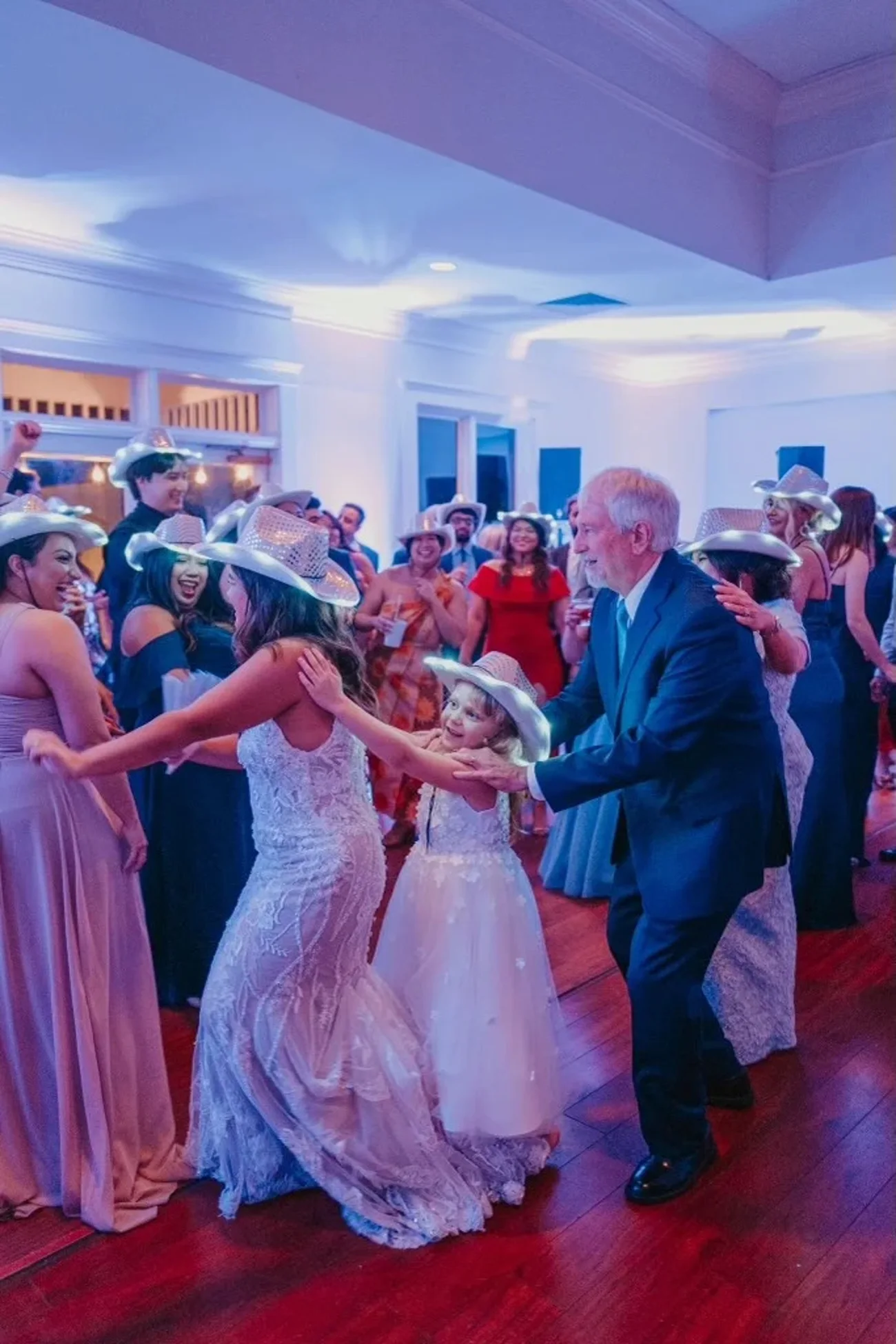
Here’s the truth: energy comes from song choice and timing, not from sheer loudness. A packed floor at a comfortable volume beats an empty one at ear-splitting levels every time. So I set levels that fill the room without punishing it — loud enough to feel the beat, soft enough that your aunt can still tell you how beautiful you look.
There’s a safety side, too. According to the CDC’s guidance on noise and hearing, sustained sound above 85 decibels can start to cause harm over time. Your wedding should not leave people with ringing ears. Smart level control protects your guests and keeps the night feeling good.
The goal is balance. You want the dance floor thumping and the back tables comfortable at the same time. That’s not luck — it’s setup, speaker placement, and a DJ who’s actually listening to the room instead of staring at a laptop.
Mistake #2: sound that’s too soft to reach the back
Now the flip side. Just as bad as too loud is too quiet, where the front two tables are having a great time and the back of the room feels like a different, sadder wedding. This usually happens when someone uses one small speaker for a space that needs two or three, or points everything at the head table and forgets the guests.
Big rooms swallow sound. A hall in Shelby Township with high ceilings and long sightlines needs even coverage, not one loud spot up front. So I run enough speakers to blanket the whole room, then aim them so the beat lands the same at table two and table twenty. Nobody should feel left out of the party because of where they’re seated.
Coverage matters most during the important moments. When you say your vows or give a toast, every guest — front, back, and corner — should hear each word clearly. If half the room is leaning in and whispering “what did they say?”, the sound plan failed. Getting this right is a core part of how I run your whole reception, start to finish.
Key takeaway: Great wedding sound isn’t loud or soft — it’s even. Right-sized speakers, aimed to cover the whole room, keep the dance floor thumping and the back tables comfortable at the same time. Volume is a balance, not a dial you turn to the max.
Mistake #3: mic problems during vows and toasts
Here’s where hearts really break. The mic mistakes. A dead battery during your vows, painful feedback squeal in the middle of a toast, or a best man holding the mic down by his belt buckle so nobody hears the punchline. These are the moments you’ll want on video forever, and bad mic handling can ruin the audio for good.
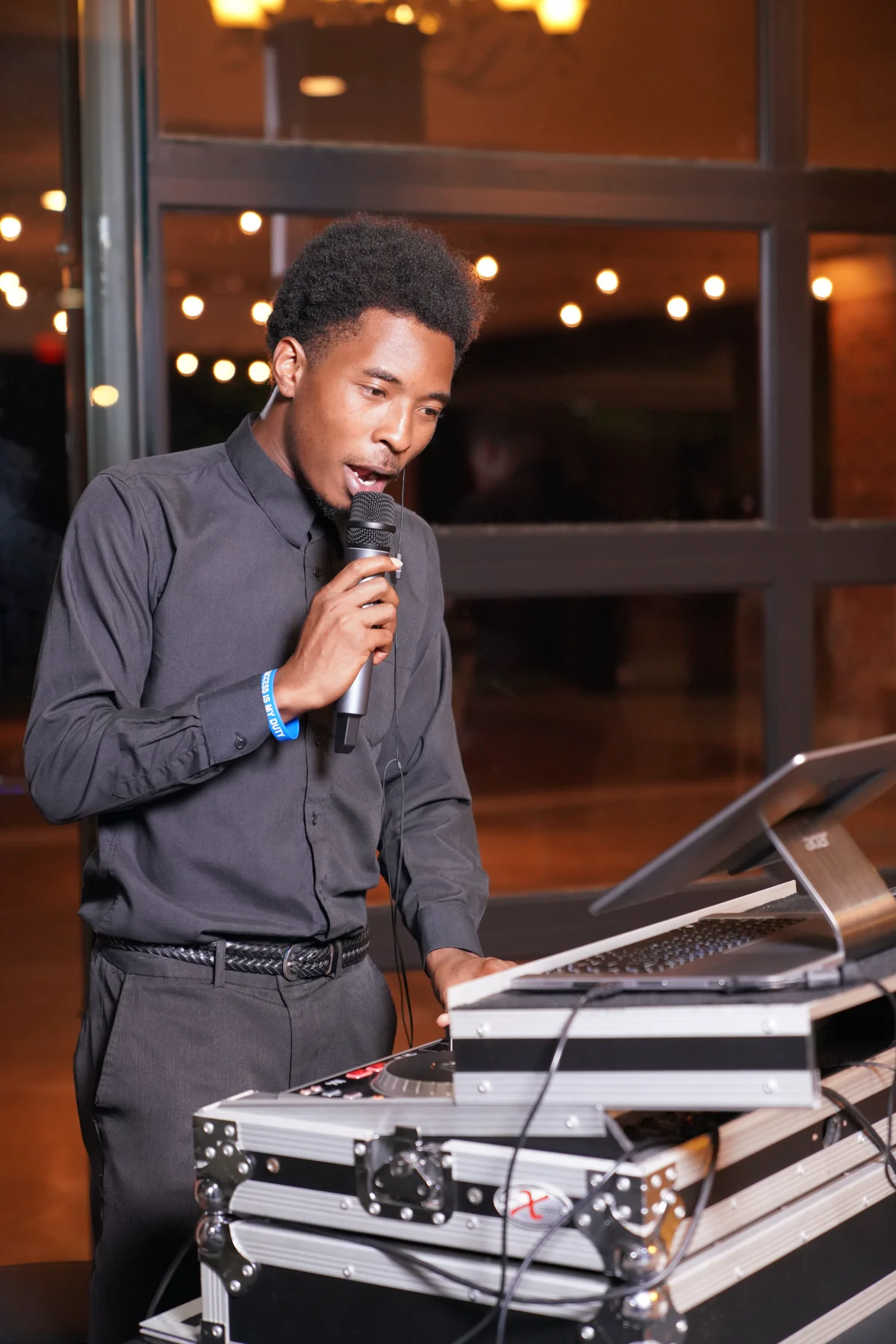
Most of this is preventable. I bring multiple wireless mics, fresh batteries, and spares, and I test every one before doors open. Feedback comes from mics and speakers fighting each other, so I position them to avoid it and ride the levels live if anyone wanders too close to a speaker. When your officiant speaks, it’s crisp. When Grandpa tells his story, everyone laughs at the right part.
You only say your vows once. A dead mic during that moment isn’t a small hiccup — it’s a memory you can’t get back. That’s why I test everything twice.
I also coach speakers for ten seconds before they go on: hold it here, talk across it, don’t tap it. That tiny bit of guidance turns a nervous toast into one everyone can actually hear. Little things, big difference.
Mistake #4: outdoor and multi-room sound
Outdoor ceremonies are gorgeous and a little sneaky. Wind, open air, and distance eat sound alive, so a setup that sounds fine indoors can vanish in a garden. The classic mistake is bringing indoor gear outside and hoping for the best, then watching guests in the back rows squint and shrug through the vows.
The fix is planning for the space you actually have. For an outdoor ceremony, I use a system built to project cleanly across open air, plus a lav or handheld mic that fights wind noise. For weddings that move from a ceremony lawn to an indoor reception, I map the sound for each space separately so both feel dialed-in, not improvised.
Lighting plays into mood the same way sound plays into clarity, by the way. If you’re already thinking about how your reception space will look and feel, a little color on the walls pairs beautifully with sound that’s tuned right — the room looks and sounds intentional instead of thrown together.
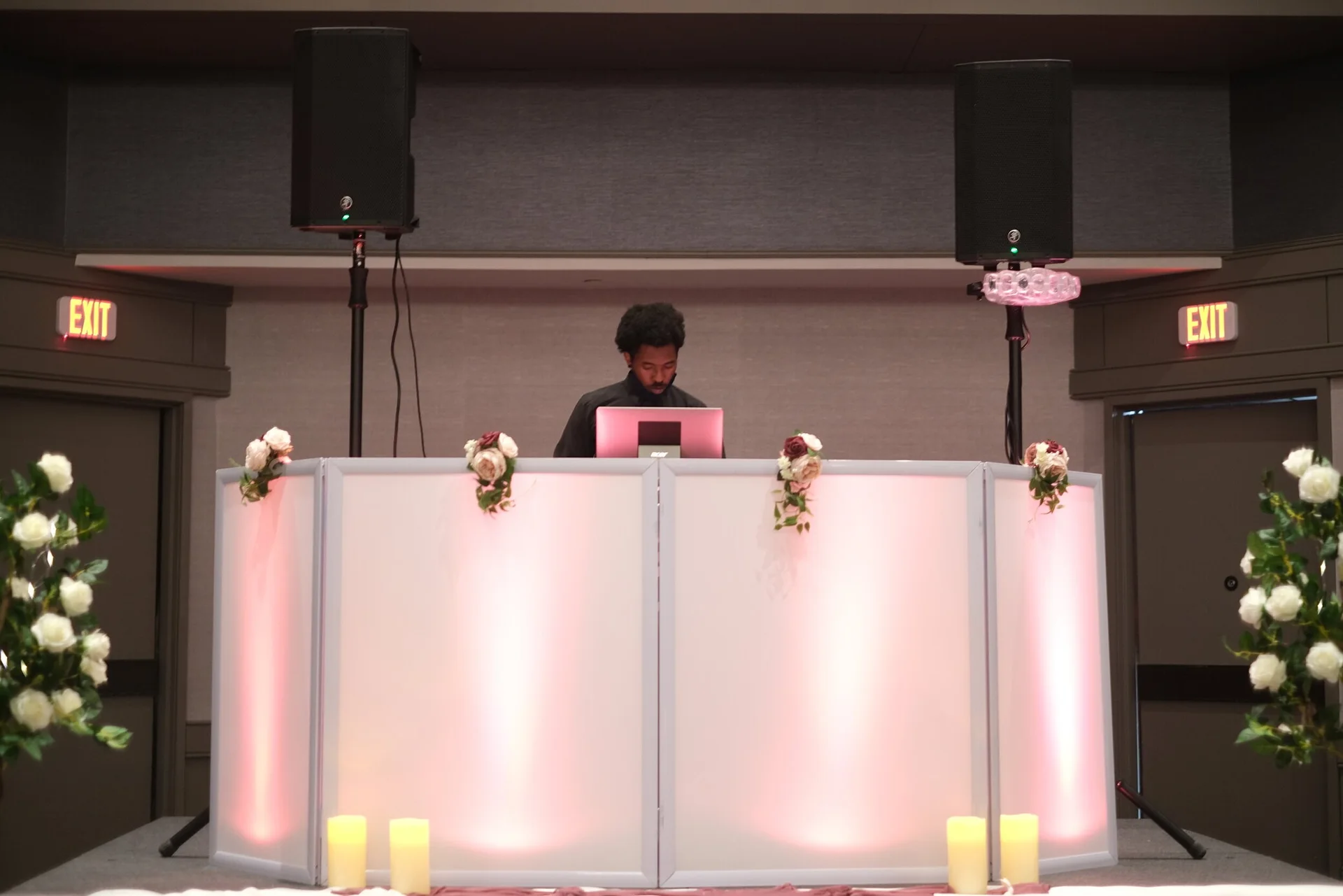
Here’s what a lot of couples miss: they’ll obsess over flowers and linens for months and never once ask a vendor how the vows will actually be heard. Sound is invisible until it goes wrong — and then it’s the only thing anyone remembers. A quick conversation up front prevents the whole problem.
Mistake #5: no backup when gear fails
Gear is machinery, and machinery can fail. A speaker cuts out, a cable dies, a laptop freezes at the worst possible second. The mistake isn’t that something can break — it’s showing up with no plan when it does. A DJ with a single speaker and one music source is one bad moment away from silence at your reception.
So I ride with backups every time. A spare speaker, spare mics, a second music source, extra cables. If something acts up, you’ll likely never know, because the fix happens in seconds while the party keeps going. “The sound cut out and never came back” is a horror story I refuse to be part of.
This is one of the clearest reasons to hire a pro over a friend with a Bluetooth speaker. The pro plans for the bad day you hope never comes. If you’re weighing your options, there’s more honest advice in more wedding planning tips on the blog.
How a pro tunes a room before guests arrive
All of these fixes come back to one habit: setting up early and tuning to the real room. An empty hall sounds bright and echoey; a room full of people, linens, and clothing soaks up that echo and changes everything. If a DJ sets levels in an empty room and walks away, the sound will feel off once the crowd arrives.
So I arrive well ahead of your first guest, place the speakers, and tune to the actual space — its size, its ceiling, its hard or soft surfaces. Then I re-check once people are in the room and adjust as it fills. That two-step tuning is why a professionally run reception sounds effortless. It isn’t effortless; it’s just prepared.
Want to know who’s behind the decks doing all this? You can meet your DJ and see how I approach every wedding before you ever book.
The simple fix for all of it
If there’s one thread through every one of these wedding sound mistakes, it’s this: they all come from guessing instead of planning. Too loud, too soft, dead mics, no backup — each one traces back to someone who didn’t prepare for the room, the moments, or the what-ifs. Fix the planning and you fix the sound.
That’s the whole job, honestly. I show up early, tune the room, test the mics, plan for outdoors and multiple spaces, and carry backups so your day sounds as good as it looks. You get to be a guest at your own wedding instead of worrying whether Grandpa can hear the toast.
Planning a wedding around Metro Detroit and want the sound handled by someone who sweats these details? My Detroit wedding guide covers how the whole day comes together. Reach out and let’s make sure every word and every beat lands exactly the way you pictured.