Polish Wedding Polka & Traditions in Detroit
Detroit is polka country, and it always has been. If your family roots run through Hamtramck or you grew up here in the western suburbs, chances are the Polish wedding polka is baked right into your idea of a great party. So let’s talk about it. I’ll walk you through the polka, the apron dance, the grand march, and the little customs that make a Polish-American reception feel like home — plus how I keep grandma and your college friends on the floor for all of it.
In this article
What makes a Polish reception feel like home
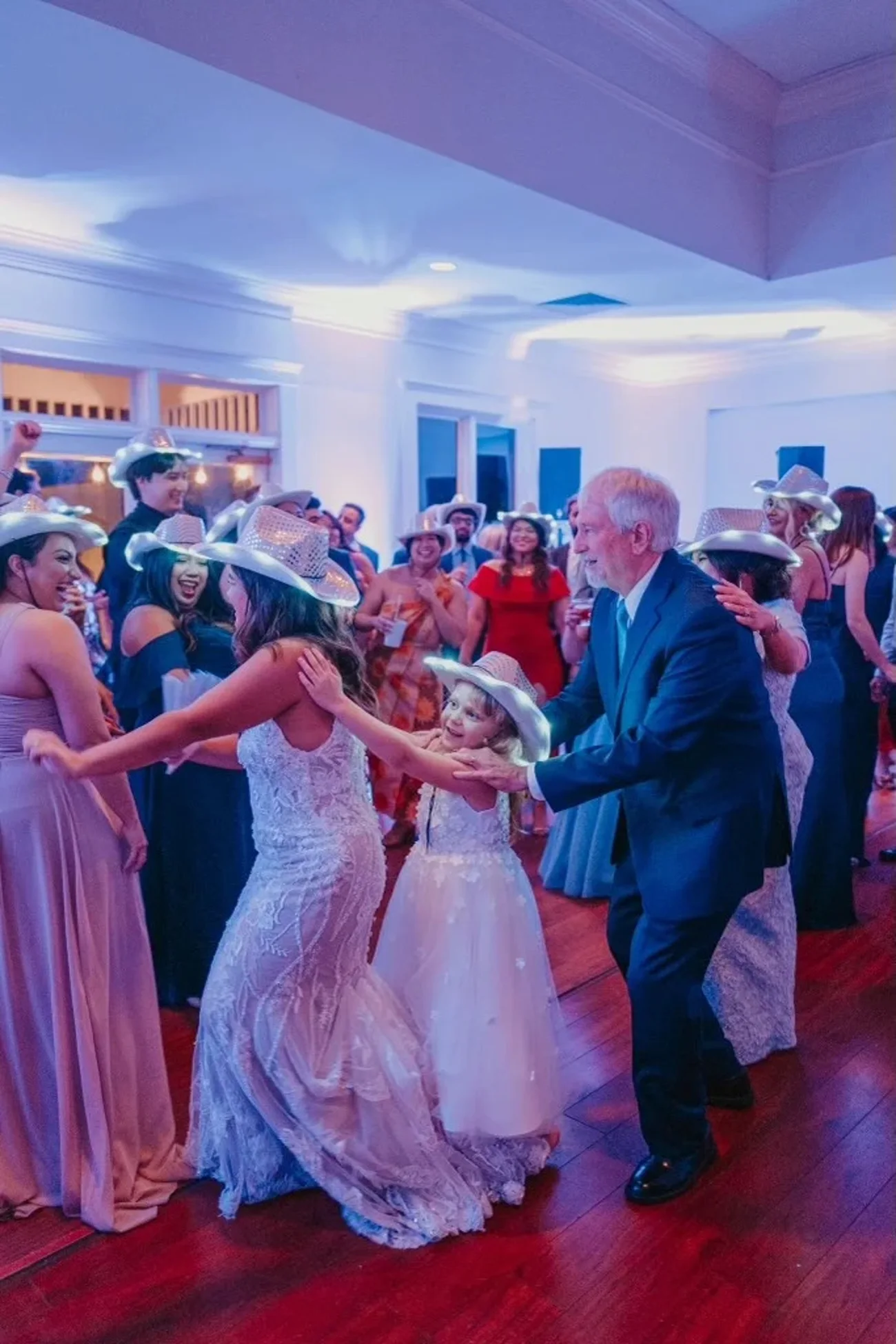
Here’s the thing about a Polish-American wedding: it’s warm, it’s loud, and nobody sits down for long. Food keeps coming, drinks keep flowing, and the older folks dance every bit as hard as the young ones. That’s the whole spirit, and a good DJ leans into it instead of fighting it.
Metro Detroit holds one of the biggest Polish communities in the country, so these customs never really faded here. I’ve played receptions where three generations knew every word to the same accordion tune. When you honor that heritage, the room lights up in a way you can feel.
So my job isn’t to modernize your culture into something unrecognizable. It’s to respect the traditions and mix them with the music your friends actually request. Do both well, and you get a night that feels timeless and current.
The polka, explained (and why it still works)
Let’s clear something up first. The Polish wedding polka isn’t a single song — it’s a whole style, a fast two-step in 2/4 time built around accordion, brass, and a bouncy beat. You count it “one-two, one-two,” and once the rhythm grabs you, your feet basically move on their own. That’s the magic.
In the Detroit area, a lot of the polka you’ll hear leans “Polish-style,” which is punchier and brassier than the smoother Slovenian sound from other regions. If you want to hear how deep this tradition runs, the Grammy folks even recognized a dedicated polka category for decades — that’s how much of a staple it became in American-Polish communities.
Why does it still land in 2026? Because it’s participation music. You don’t watch a polka; you do a polka. When I drop one at the right moment, aunts grab uncles, kids spin in circles, and suddenly the floor is full without me saying a word. Not many songs can pull that off.
A polka isn’t a song you play at people. It’s a song you play with them — the whole family, all at once, feet flying.
One quick tip from experience: pace it. A polka set is high-energy, so I usually run two or three in a row, then give the crowd a breather before the next round. Back-to-back-to-back with no break, and even the die-hards need to sit down for water.
The apron dance and the dollar dance
Now for the tradition that surprises a lot of my couples: the apron dance, sometimes called the money dance or dollar dance. Here’s how it works. The bride wears an apron, guests line up, and each person pins a little money to it (or tips the maid of honor holding a purse) for a quick spin with the bride or groom. It’s fun, it’s personal, and it funds the honeymoon one dance at a time.
The music underneath it matters more than people expect. You want something upbeat and rolling so the line keeps moving — a mid-tempo polka or a familiar waltz does the trick. If the song drags, the line stalls; if it’s too frantic, nobody gets their moment. I read the line length live and stretch or shorten the set to match.
Some families pair the apron dance with the “unveiling” or oczepiny, the old custom where the bride’s veil comes off and she symbolically joins the married women. Not every couple keeps that part, and that’s completely fine. You pick which traditions matter to you, and I build the timeline around your choices — never a template I reuse for everybody.
Key takeaway: The apron dance is as much about music pacing as it is about tradition. Keep the tune rolling and the line moving, and every guest gets their moment with the couple without the floor ever going quiet.
The grand march and other customs
If your family runs a full traditional reception, you might do the grand march — the Wielki Marsz — where the DJ or bandleader calls the whole room into a winding parade around the floor. Couples snake into lines, split off, form arches, and end up in one giant celebration. Done right, it’s the most joyful chaos of the night, and it gets literally everyone up.
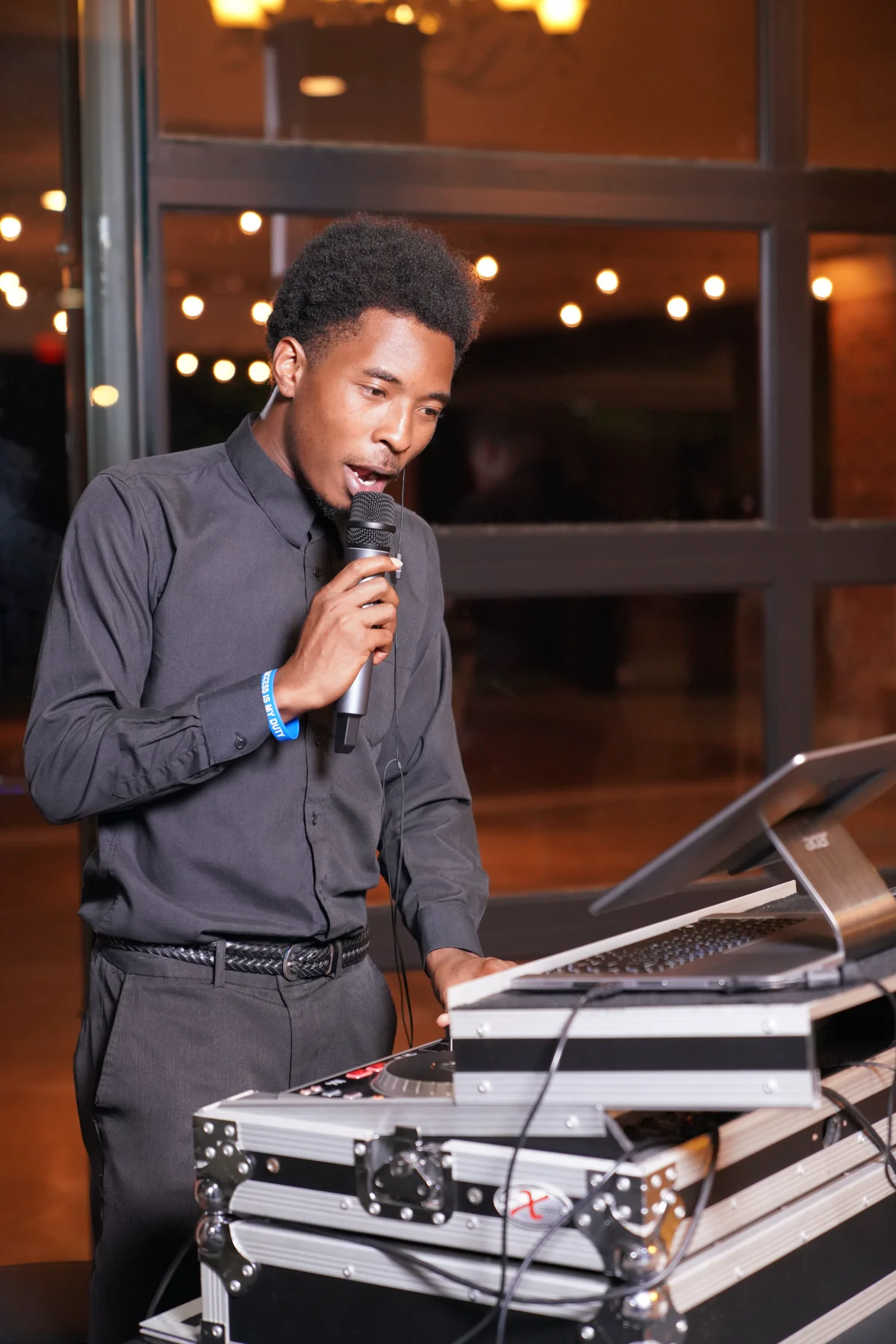
Calling a grand march takes a steady voice and clear cues, which is exactly the kind of thing you want a seasoned emcee handling. I keep the instructions simple, the energy high, and the music driving so nobody gets lost. For a look at how I run the mic and the room from start to finish, my wedding day breakdown lays out the whole flow.
Beyond the march, you’ll often see the bread-and-salt greeting from the parents, a toast with a shot of something strong, and of course the “Sto Lat” song — the Polish “may you live a hundred years” cheer that doubles as a birthday and celebration anthem. I keep all of these ready and cue them at the moments that feel natural, not forced.
Building a Polish-American playlist that works
Here’s what a lot of couples miss: you don’t have to choose between “Polish tradition” and “modern party.” The best receptions weave both together so smoothly that nobody notices the switch. That blend is the whole art of the night.
My approach is layered. I keep a strong bench of classic polkas and Polish favorites for the traditional moments, then bridge into Motown, disco, and today’s hits as the night builds. According to The Knot’s reception timeline guide, energy peaks and dips are normal across a reception — so I use the cultural dances as anchors and fill the space between them with crowd-pleasers everyone knows.
You bring me the must-plays and the family favorites, including any specific polkas your grandparents love. I fill the gaps live based on what the floor is telling me. That way the traditions get their spotlight and the party never loses steam. If you want more planning help while you map your day, there are plenty of wedding tips waiting on the blog.
Keeping every generation on the floor
The real challenge at a Polish-American wedding isn’t the polka — it’s the age range. You’ve got grandparents who want the accordion and cousins who want the newest chart-topper. My job is making both groups feel like the night was built for them, because it was.
The trick is sequencing. I’ll run a polka set to light up the elders, then slide into a Motown block that bridges the generations, then hit the current hits while the older crowd catches their breath. When it’s timed right, the floor never fully empties — it just shifts who’s leading the charge.
I also read the room in real time instead of clinging to a printed list. When the older folks start drifting toward their tables, I pull them back with a familiar favorite. When the energy spikes, I ride it hard. A locked Spotify playlist can’t do that. A DJ watching your crowd can.
Planning your Polish wedding music with a local DJ
So how do we actually pull this off for your day? It starts with a real conversation. You tell me your family’s traditions, your favorite polkas, your do-not-play list, and the vibe you want. Then I build a timeline that honors the culture and keeps the party rolling.
Being local helps more than you’d think. I know the Metro Detroit venues, I know how a Polish-American crowd likes to celebrate, and I’ve called plenty of grand marches and apron dances around the Livonia area. That experience means nothing gets improvised on your night — the cues, the pacing, and the transitions are all planned in advance.
And I only take one wedding a day, so your celebration gets my full focus from setup to send-off. If you want a feel for how I handle receptions across the metro, my Detroit wedding guide covers the big picture, and you can always get to know me before you book. Great dates fill fast in wedding season — so if you have one in mind, let’s check it while it’s still open.