Chaldean Wedding DJ in Sterling Heights
A Chaldean wedding is a whole event — big, loud in the best way, and packed with family from the first khigga to the last song. If you’re hunting for a Chaldean wedding DJ in Sterling Heights, you already know the stakes: the music has to honor the traditions and keep three generations on the floor. Sterling Heights is home to one of the largest Chaldean communities anywhere, so this is a room I love. Here’s exactly how I run the night.
In this article
What a great Chaldean DJ actually does
Let’s be honest about what makes this different. A Chaldean wedding DJ isn’t just pressing play on a party playlist. The night has a shape — the grand entrance, the khigga line dancing, the toasts, and the modern dancing later — and the DJ has to guide all of it while respecting what each moment means to your family.
That takes more than good gear. It takes knowing when to hand the room over to the live players, when to bring the recorded set back in, and how to keep your grandparents and your college friends dancing to the same song. When it’s done right, the night flows so smoothly nobody thinks about the DJ at all. They just never leave the floor.
Here’s the good news. In a community as big as Sterling Heights, these celebrations happen every weekend, and a DJ who’s worked them knows the rhythm cold. As The Knot notes on cultural weddings, the customs are the heart of the celebration — so you shouldn’t have to teach your DJ your own traditions. You should hire one who already gets it.
Leading the khigga line
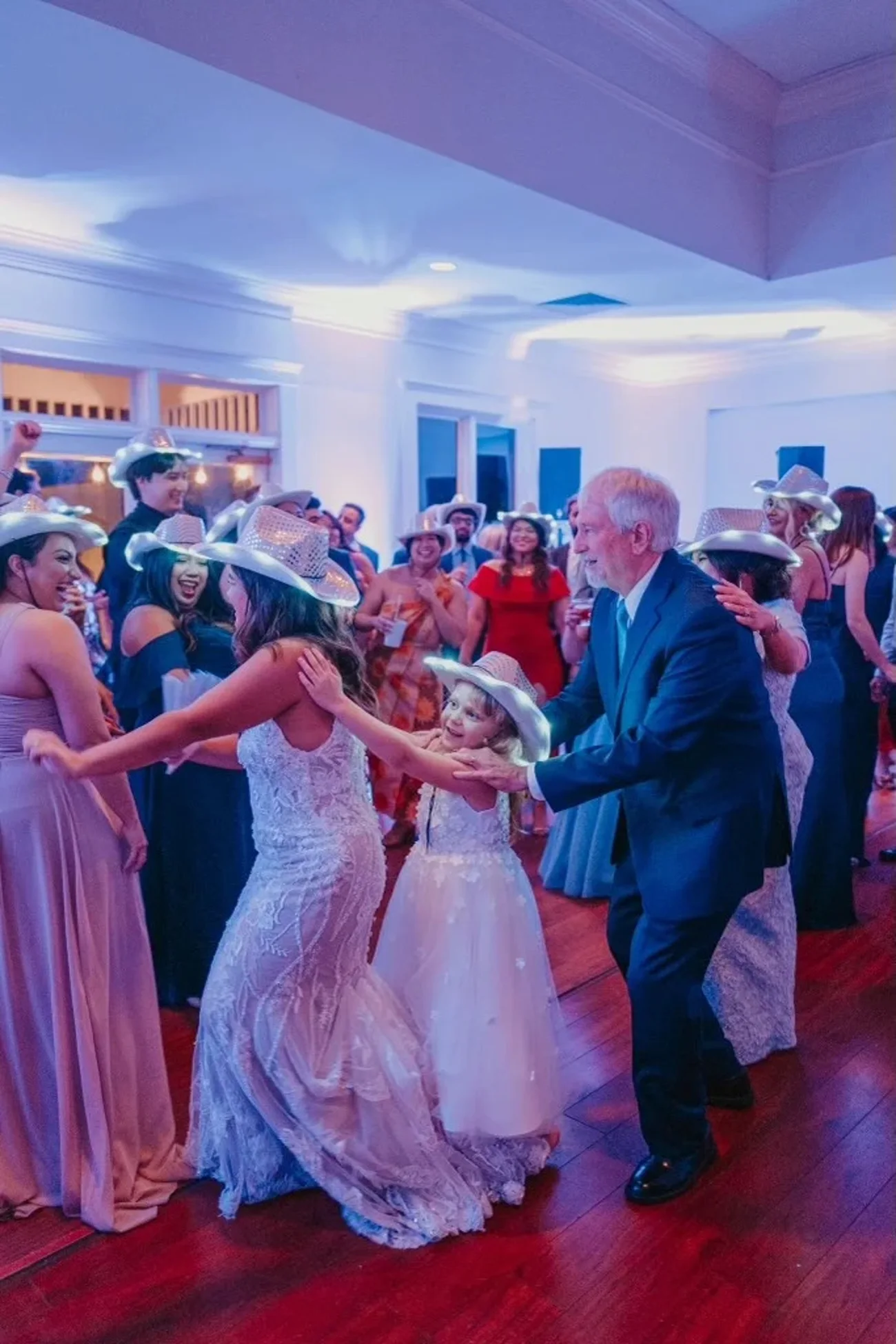
The khigga is the heartbeat of the reception. Those long, shoulder-to-shoulder line dances are where the whole family comes together, and getting them right is the DJ’s most important job of the night. Start it well and the floor fills instantly. Fumble the tempo and the energy stalls.
Here’s how I handle it. I keep the khigga sets flowing at the right pace, read when the line is peaking versus when it needs a fresh song, and use the mic to pull people in without ever talking over the moment. The line should feel effortless from the inside, and that only happens when the person driving it knows the music and the crowd. I keep the classics ready and cue them in the right order, so it builds instead of stalling.
Key takeaway: The khigga makes or breaks a Chaldean reception. Right tempo, right song order, and smart mic work keep the line long and the whole family — every generation — on the floor together.
Zurna, drum, and live players
Here’s what a lot of couples miss: many Chaldean weddings feature live zurna and drum, and the magic is in how the DJ and the live players share the room. When it’s coordinated, the handoffs are seamless and the energy never dips. When it’s not, you get awkward gaps, feedback, or two sound sources fighting each other.
The way I handle it is planning and clean audio. Before your date, we sort out who plays when, how the live players plug into the system, and how I’ll bring the recorded set back in after their set. Live acoustic instruments in a big hall need careful mic placement and level control, and that’s on me. Done right, the zurna and drum sound huge and the transitions are invisible. That’s the goal every time.
If your family isn’t bringing live players, no problem at all. I keep a deep library of the zurna and drum tracks that carry the khigga, so the traditional energy is there whether the music is live or recorded. Either way, we talk it through beforehand so you know exactly how that part of the night will feel. Nothing about your celebration should be a surprise to you — only to your guests.
The best moments happen when the live players and the DJ feel like one team. My job is to make every handoff invisible, so the energy only ever goes up.
Mixing tradition with the modern set
A Chaldean reception isn’t only tradition — there’s a whole modern party inside it too. Later in the night, the younger crowd wants Arabic pop, American hits, hip-hop, and the current dance-floor favorites. The trick is weaving those in without losing the older guests who came for the khigga.
I do that by reading the floor live and blending eras on purpose. A run of traditional line dances, then a modern set, then back again as the room asks for it. When the older crowd starts to drift toward their tables, I’ll drop a khigga classic that pulls them right back. When the younger crowd takes over, I ride that energy hard. You tell me your must-plays and your no-list up front, and I fill the gaps in the moment so it’s your celebration, not a template.
Sound and mic work for a big hall
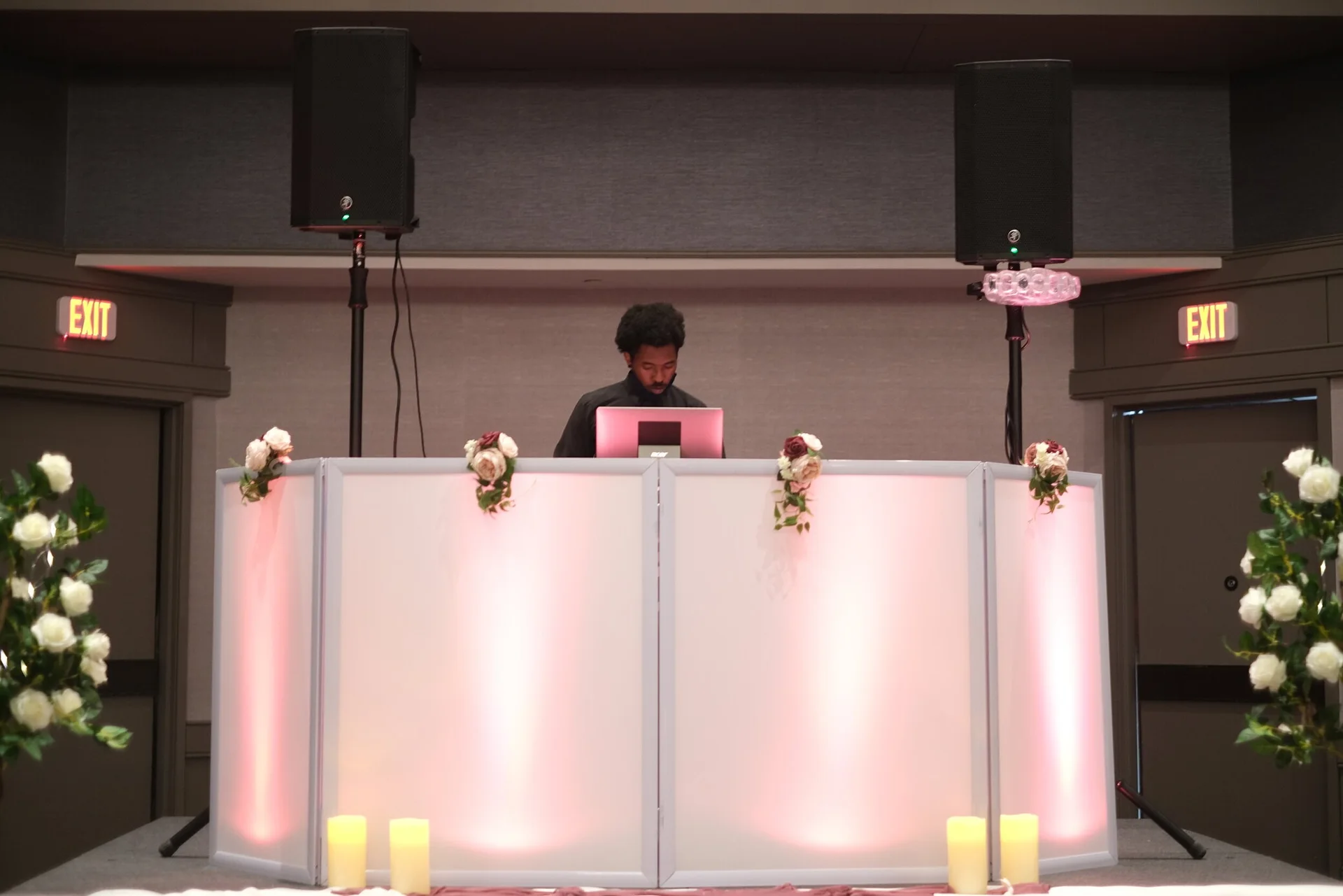
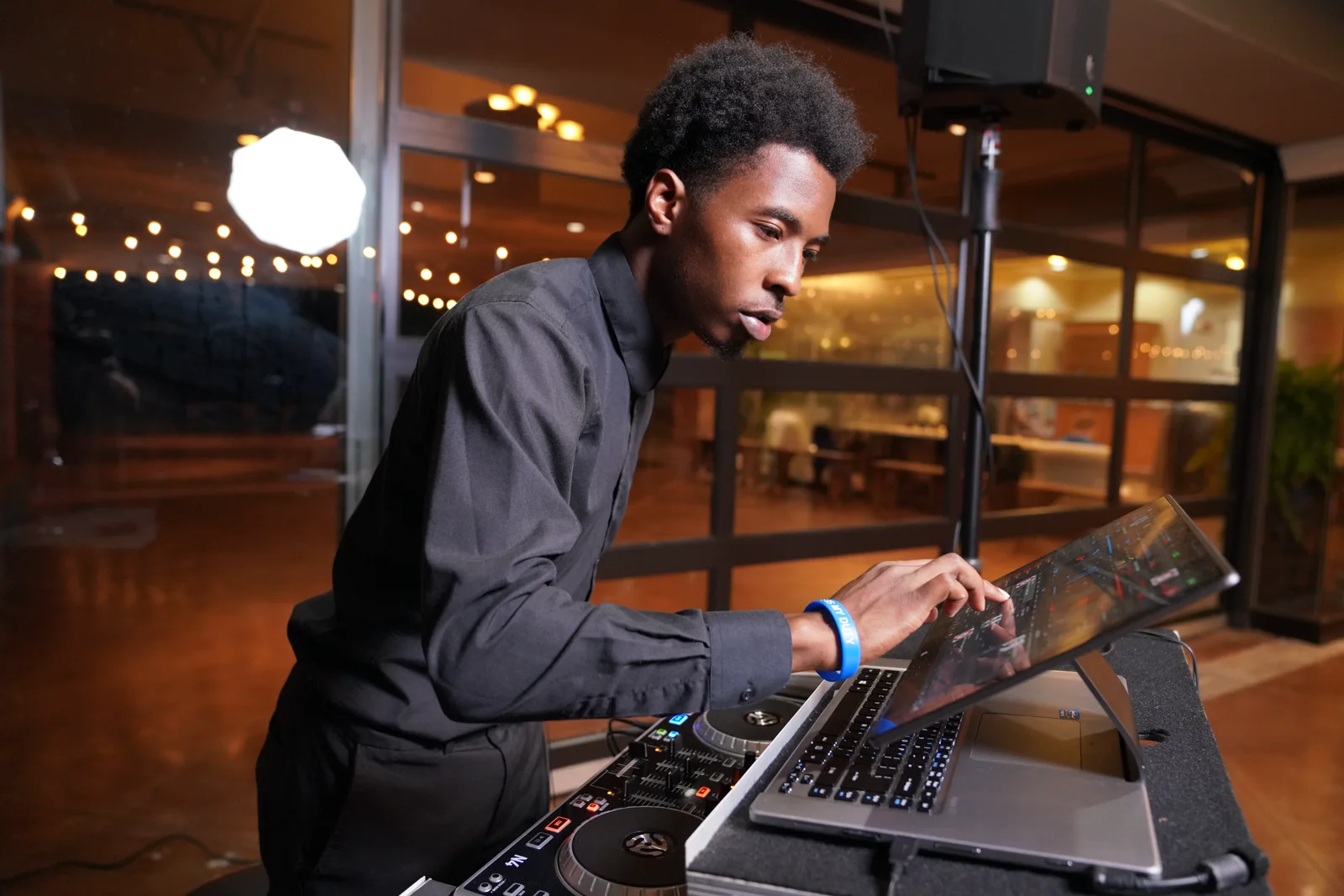
Chaldean weddings are often big — hundreds of guests in a large banquet hall. Big rooms are wonderful, but they swallow sound if you’re not careful. Cranking the volume just turns the khigga into a wall of noise and sends the elders out to the lobby. The real trick is even coverage, so the front table and the back corner hear the same clean mix.
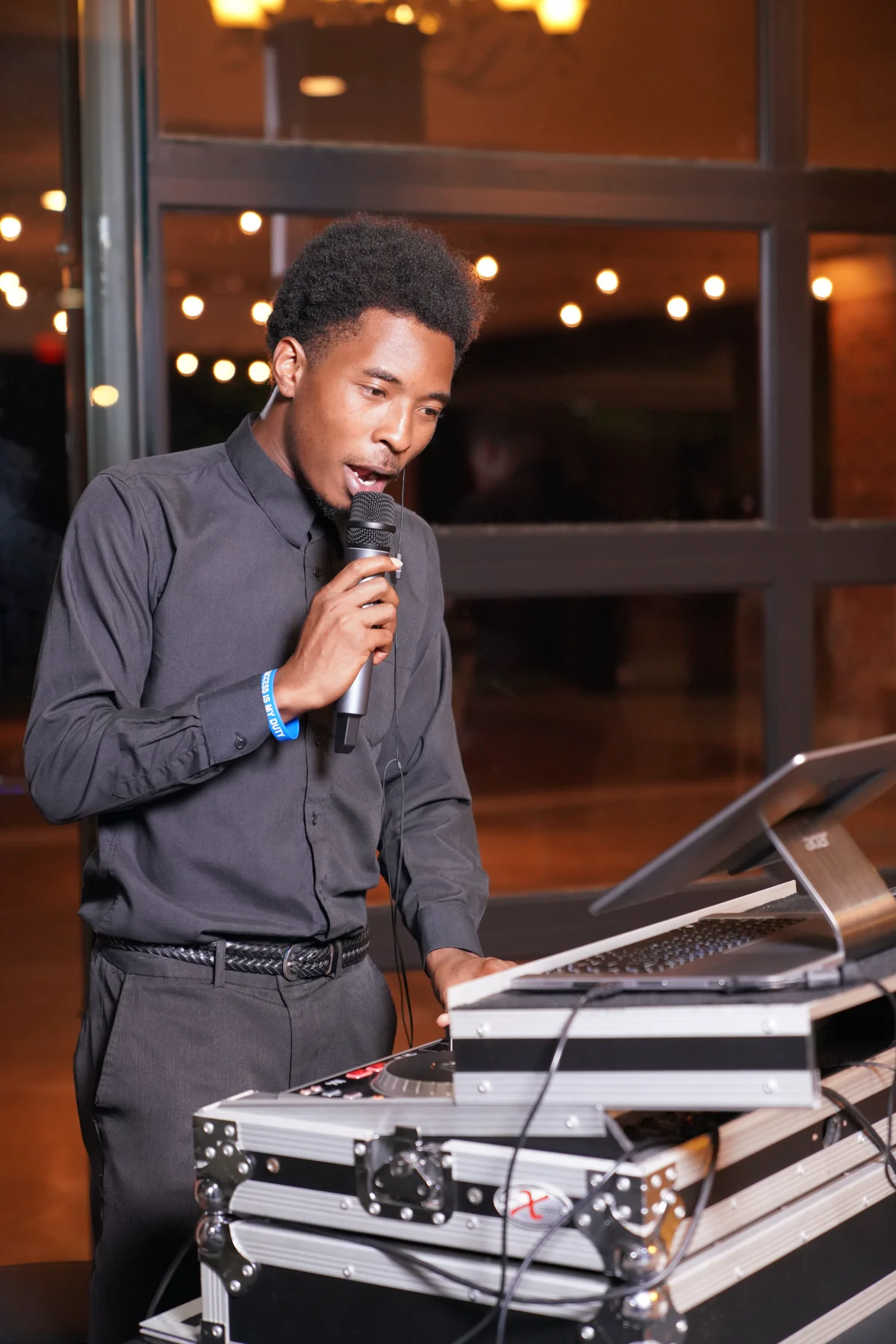
For a Sterling Heights reception, I run a system sized to the hall and set it up two hours early to tune it to the actual room. Mics get the same care — wireless handhelds for the toasts, the blessings, and the announcements, with tested backups before the doors open. A dead mic during a heartfelt speech is a memory nobody wants, so I bring spares every time.
A timeline that honors the traditions
Big receptions run on food and family, so the music has to move in sync with both. Nothing kills momentum like calling everyone up for a khigga two minutes before dinner service lands. I coordinate with the venue’s catering team on timing before your date, so every moment lands where it should.
Here’s how I usually pace it. Grand entrance with energy, opening khigga while the room is fresh, then dinner with warm background music that lets people talk. After the plates clear, the toasts and blessings, then we open it all the way up — more khigga, the live players, and the modern set until the last song. Because I only take one wedding a day, your timeline gets my full attention. If you want the full picture of how a reception flows, my breakdown of how we run your day walks through every piece in order.
Booking your Sterling Heights DJ
There are plenty of DJs in Metro Detroit, and a lot of them are good. So why do Sterling Heights families keep calling me for their Chaldean weddings? It comes down to respect and preparation. I take the time to learn what each moment means to your family, and I show up ready for a big, tradition-rich night instead of improvising it.
When you hire me, you get over a decade behind the decks, a 5.0 Google rating to back it up, and a plan that covers the khigga, the live players, the modern set, sound, and timeline before the day arrives. According to WeddingWire, the details of cultural celebrations are exactly where couples most want a vendor who already understands the customs — and that’s the whole idea here. For more planning help, browse more wedding tips anytime.
Most of all, I plan with you, not at you. For a feel of how I run receptions across the area, my Sterling Heights wedding rundown covers the whole picture, and you can always meet your DJ before you book. Dates fill fast in wedding season, so if you have one in mind, let’s check it while it’s still open.