
The Biggest Mistake Couples Make on DJ Budget
The most common DJ budget mistake isn’t overspending. It’s the opposite — treating entertainment as the line item you trim when the flowers run over. It makes total sense on a spreadsheet. Then the reception happens, the floor never fills, and guests start yawning at 9:15. Here’s the uncomfortable math: entertainment is one of the smallest slices of a wedding budget and one of the biggest drivers of how the night actually feels. Let’s look at what under-funding it really costs, and how to fix it without spending more overall.
In this article
The mistake, plainly stated
Couples build a budget in a pretty predictable order. Venue and catering first, because those are the huge numbers. Then photography, because photos last forever. Then attire, flowers, rentals, invitations. Entertainment usually shows up somewhere near the bottom, funded with whatever’s left.
That order isn’t crazy. But it produces a strange result: the vendor most responsible for the four hours your guests will actually experience gets the smallest attention and the leftover dollars. That’s the DJ budget mistake in one sentence.
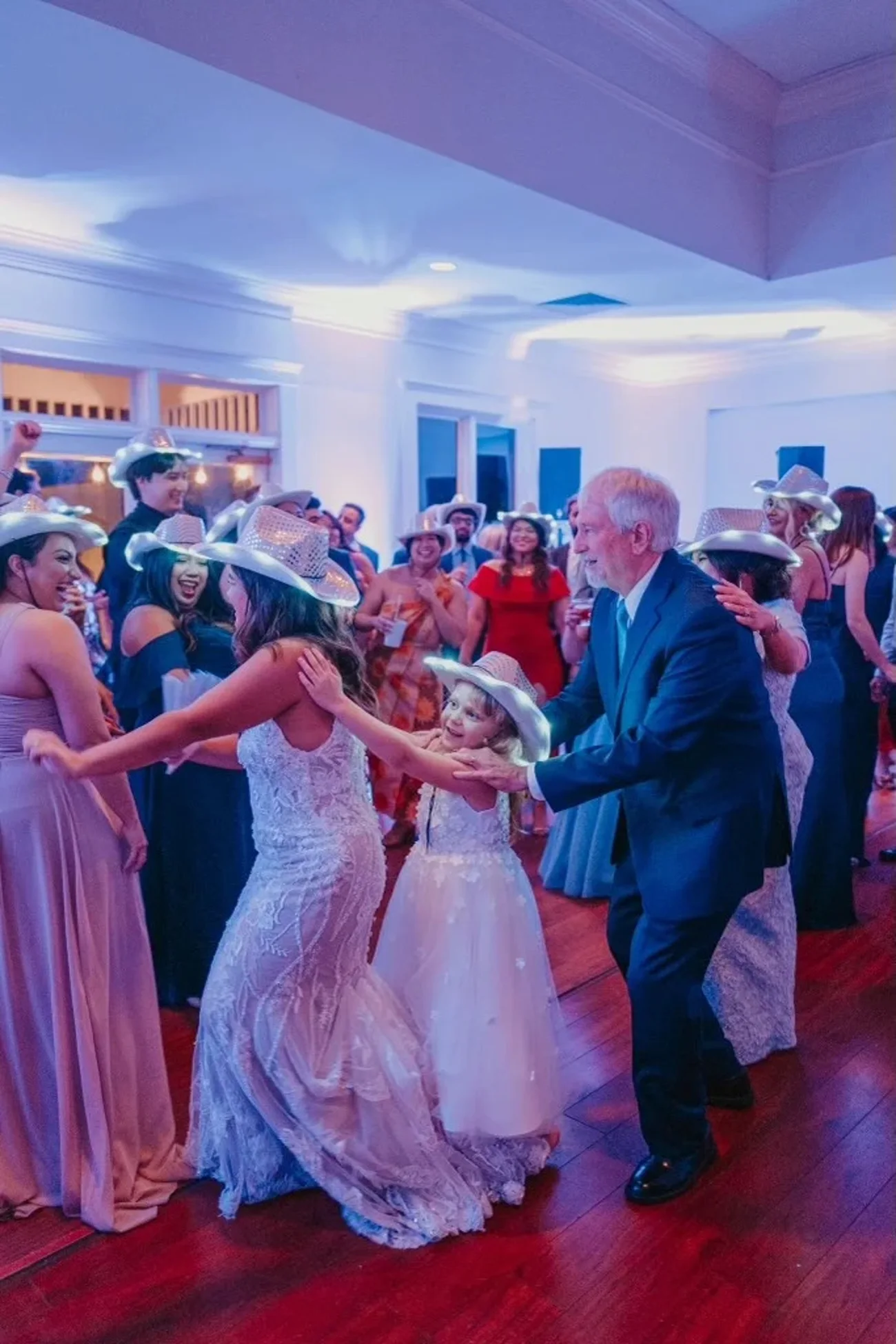
Think about what your guests will describe afterward. They won’t remember the linen color or the invitation font. Somebody will say “the food was great.” Everyone will say “that party was so much fun” — or they won’t say anything at all. Those four hours are the product.
I’m not here to tell you to spend more overall. Weddings are expensive enough. I’m saying the order of your priorities is worth a second look before you sign anything.
The budget math nobody shows you
Let’s put real numbers on it. Say your wedding budget is $35,000, which is in the normal range for metro Detroit. Venue and catering will typically eat 40 to 50 percent of that. Photo and video take another 12 to 15 percent.
Entertainment, meanwhile, usually lands somewhere between 5 and 10 percent. So on a $35,000 wedding, the DJ is a $1,750 to $3,500 decision. Compare that to what you’ll spend on flowers that get thrown out the next morning, and the picture changes fast.
National vendor surveys back this up. The Knot’s annual wedding cost study consistently shows entertainment as one of the smaller categories by dollar, even though couples rank the reception among the most memorable parts of the day. That gap is exactly where the mistake lives.
Here’s the reframe I’d offer. Divide your DJ price by your guest count. A $2,400 DJ at a 150-guest wedding costs $16 per person for a five-hour party with sound, mic work, and a host running the whole show. Almost nothing else on your budget delivers that many hours per dollar.
What under-funding actually costs on the floor
So what does a DJ budget mistake actually look like on the night? It’s rarely a disaster. It’s a slow leak, and that’s what makes it hard to see coming.
The music is technically fine but never quite right — a slow song at the wrong hour, a floor-filler played to an empty room. Announcements are mumbled or too loud. There’s a two-minute gap of silence after dinner while people wonder what’s happening. Each one is small. Together they drain the room.
Then comes the part couples describe to me most often: guests started leaving at 9:30. Not because they were tired. Because nothing was pulling them to stay. A dance floor holds people the way a good conversation does — when the energy drops, the room empties, and it’s almost impossible to get back.
The saddest version is when everything else was beautiful. Gorgeous venue, incredible food, stunning photos — and a reception nobody talks about. That’s what under-funding entertainment buys you, and it’s an expensive kind of savings.
Nobody has ever told me their wedding was ruined by the flowers. Plenty have told me the party never got going.
Why the cheapest quote gets expensive
Here’s what a lot of couples miss when they compare quotes. Two DJs can list the same hours and the same equipment and still be doing completely different jobs.
A budget quote often means one person, one set of gear, no backup, and no planning time. If a speaker fails at 8 p.m., the night is over. If the timeline shifts, nobody adjusts. That risk doesn’t show up on the invoice, but you carry it all night.
An experienced DJ prices in things you never see: backup gear in the van, a spare wireless mic, a site visit, two or three planning calls, and hours spent building and editing your song list. That’s real work happening before the day, and it’s most of what you’re actually paying for.
The other quiet cost is reading the room. Anybody can press play on a playlist. Knowing that the floor is about to cool and pivoting three songs early — that’s judgment built over hundreds of weddings. My wedding DJ services page lays out exactly what’s included so you can compare apples to apples.
Key takeaway: Entertainment is usually 5–10% of a wedding budget but drives most of what guests remember. Divide any DJ quote by your guest count before you judge it, and always ask what backup gear and planning time are included — that’s where cheap quotes hide their risk.
How to fix your budget without spending more
Good news: fixing this rarely means increasing your total budget. It usually means moving money, and there are a few easy places to find it.
Flowers are the classic one. Cutting elaborate centerpieces in half often frees $800 to $1,500, and honestly most guests don’t notice. Favors are another — a large share get left on the table at the end of the night. Trimming the bar from top-shelf to a good middle tier saves real money too, and almost nobody comments.
You can also adjust the wedding itself. A Friday or Sunday date lowers venue costs meaningfully across metro Detroit. Trimming ten guests off a $95-per-plate dinner saves nearly a thousand dollars by itself. Any of those moves can fully fund the difference between an okay DJ and a great one.
One more approach: bundle. Booking sound, lighting, and mic work with one vendor is almost always cheaper than piecing it together, and it means one person is responsible when something needs adjusting. Fewer vendors, fewer gaps.
Timing helps too. Couples who lock entertainment eight to twelve months out get better dates and steadier pricing than couples shopping six weeks before a September Saturday. Late bookings almost always cost more, because the good calendars are already full and you’re choosing from what’s left. Book early and you’re picking, not settling.
And if the number still won’t stretch, be honest with your DJ about it. I’ve built plenty of leaner packages that dropped a lighting add-on and kept the sound, the mic work, and the planning intact. That’s a much better trade than cutting the parts that hold the night together. Any DJ worth hiring would rather help you prioritize than quietly hand you a thinner version of the same price.
Questions that reveal real value
Price alone tells you very little. These five questions tell you a lot, and they take about four minutes to ask.
First: what backup equipment do you bring? A real answer includes a spare speaker, a spare mic, and a second laptop or controller. Second: how many weddings have you done at my venue or venues like it? Experience in a similar room shortens the learning curve.
Third: how do we plan the music together? Look for an actual process — a planning form, a call, a chance to review the timeline. Fourth: who is actually showing up on my date? Some companies sell you one person and send another. Get the name in the contract.
Fifth, and my favorite: tell me about a night that went sideways and what you did. Everybody has one. How a DJ answers that question tells you more about their judgment than any price sheet ever will. WeddingWire’s vendor question checklist is a good place to build the rest of your list.
Setting a smart number in Grosse Pointe
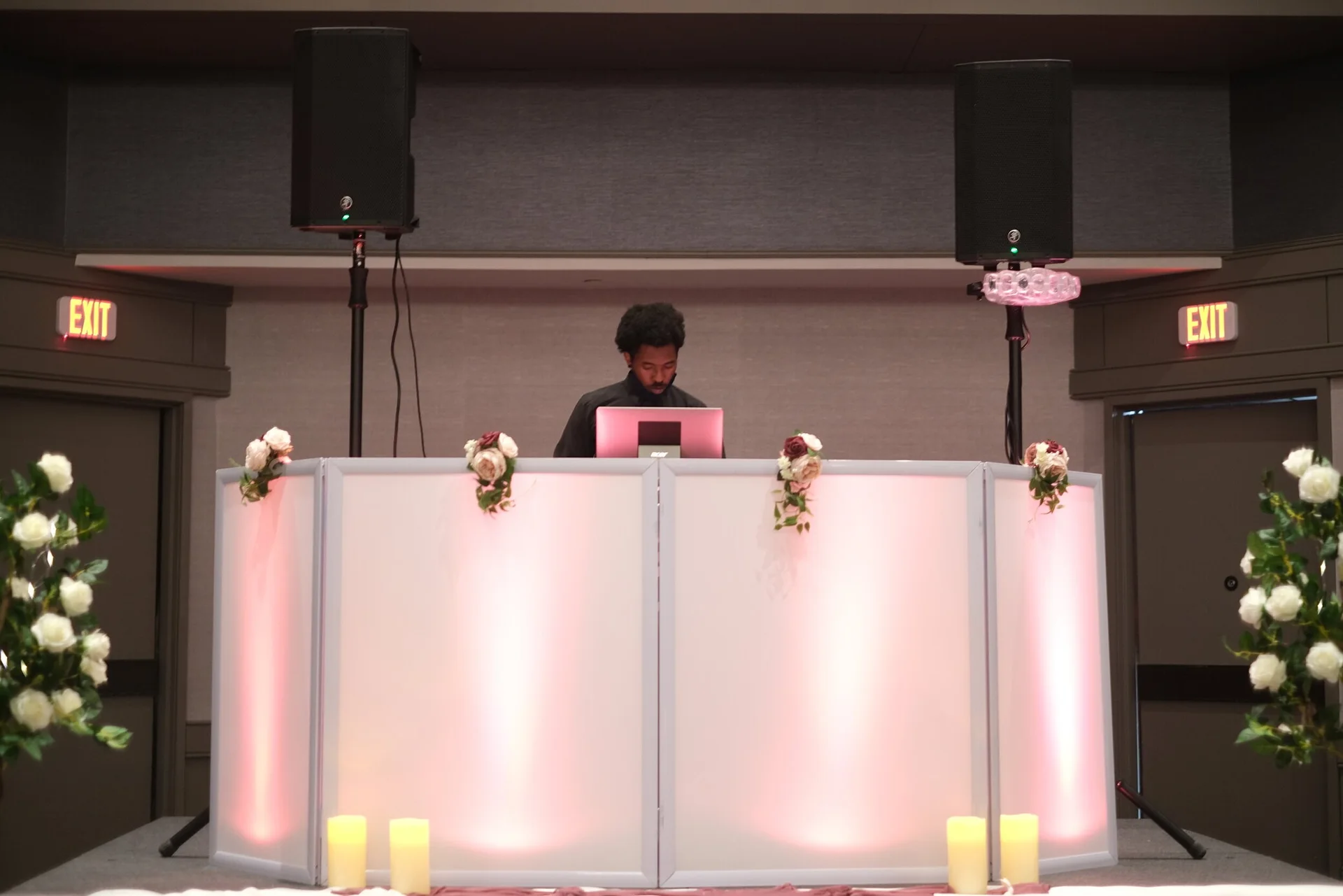
Grosse Pointe weddings tend to be beautiful and well-planned, and the rooms along Lakeshore and near Kercheval reward a setup that matches the space. Historic halls and lakeside clubs often have high ceilings, hard surfaces, and long floor plans — all of which need real sound, not a starter rig.
For a wedding in that range, plan on entertainment landing around 8 to 10 percent of your total budget. That’s the band where you get a full setup, backup gear, planning time, and someone experienced enough to keep a formal room loose. Under-funding it in a big, hard-surfaced hall is where the problem shows up loudest.
None of this means you need the most expensive DJ you can find. It means you should decide your entertainment number on purpose, early, before flowers and rentals quietly absorb it. A number chosen deliberately beats a number left over.
Do that one thing and the whole night changes. Your floor fills, your guests stay past 10, and the reception becomes the part everybody brings up at Thanksgiving. For more planning help, browse our other wedding guides, see the full run of show in my Grosse Pointe wedding guide, or meet your DJ and we’ll talk numbers honestly.