Skipping Cocktail Hour: Good or Bad Idea?
Thinking about skipping cocktail hour at your wedding? You’re not alone — more couples ask me about it every year. Some want to save money, some want a shorter day, and some just don’t love the idea of a whole hour of standing around. The honest answer is: it depends. Cutting that hour can be a smart move or a real headache, and which one comes down to your plan. Let’s walk through the real pros and cons so you can decide with confidence.
In this article
What exactly is cocktail hour for?
Before you cut something, it helps to know its job. Cocktail hour does three things at once. It gives guests a drink and a bite while they mingle, it covers the time you’re off taking photos, and it lets the venue flip the ceremony space into the reception if you’re using one room for both.
That last one is bigger than people realize. If your ceremony and reception share a space, someone needs time to move chairs, set tables, and reset the room. Cocktail hour is when that happens, usually in another area. Cut the hour and you still need to solve that puzzle somehow.
So when couples ask about skipping cocktail hour, my first question back is always: what’s the reason, and what’s your room situation? Those two answers usually point straight to whether it’s smart for you or not. There’s no one-size answer here, and that’s actually good news — it means you get to build the day around your priorities.
It also helps to know what guests expect. Most people assume there’s a gap between the ceremony and dinner, and they use it to grab a drink, find the restroom, and say hi to folks they haven’t seen in a while. That built-in breather is part of why weddings feel relaxed. Take it away without a replacement and the day can feel a little breathless, even if everything runs on time.
When skipping cocktail hour is a good idea
Let’s start with the wins, because there are real ones. If your ceremony and reception are in totally separate spaces — or even different venues — and there’s a natural travel gap anyway, a formal cocktail hour can feel like padding. In that case, trimming it keeps the day moving.
Skipping it can also help your budget. That hour often means extra bar time, passed apps, and sometimes extra staff. Cut it and you might save a nice chunk you’d rather spend on the dance floor or the food. For a smaller, tight-knit wedding where everybody already knows each other, a long mingle hour can feel unnecessary too.
Then there’s pacing. Some couples want a shorter, punchier day — ceremony, straight into dinner, then dancing. If that’s your vibe and your logistics allow it, going lean can make the whole night feel focused and lively. As wedding pros at Zola’s planning hub point out, the best timeline is the one that fits your actual celebration, not a template.
When cutting it backfires
Now the flip side, because skipping can absolutely go wrong. The most common trap is the photo gap. If you still want those classic couple-and-family portraits after the ceremony, your guests need somewhere to be and something to do while you’re gone. Cut cocktail hour and you’ve created a black hole of guests standing around, checking phones.
Room flips are the other big one. If you’re using a single space for both the ceremony and dinner, the staff has to reset it — and that takes time whether or not you call it cocktail hour. Skip the buffer and you risk guests watching the crew stack chairs, which never feels great.
Here’s what a lot of couples miss: cocktail hour isn’t only a break, it’s the social glue of the day. It’s when your college friends meet your work friends and the two families finally chat. Cut it entirely and people go straight from sitting at the ceremony to sitting at dinner, with no free-mingle time at all. Some crowds barely notice. Others feel the day never quite loosened up.
Skipping cocktail hour isn’t automatically good or bad — it’s only as smart as the plan you put in its place.
Key takeaway: Skipping cocktail hour works best when your ceremony and reception are separate, you’re not doing a long photo session, and your room doesn’t need a flip. It backfires when guests are left with nothing to do during photos or a room reset. Solve those two things first.
But what about photos?
This is the question that decides it for most couples, so let’s tackle it head-on. If you want a full set of post-ceremony portraits, you need roughly 30 to 60 minutes away from your guests. Something has to fill that window, and “nothing” is not a plan.
There are two smart fixes. One, do a first look and knock out most photos before the ceremony, so you can join guests right after. Two, keep a light version of cocktail hour — drinks and music, minus the fancy passed apps — just to cover the photo window. Both let you trim time without leaving guests stranded.
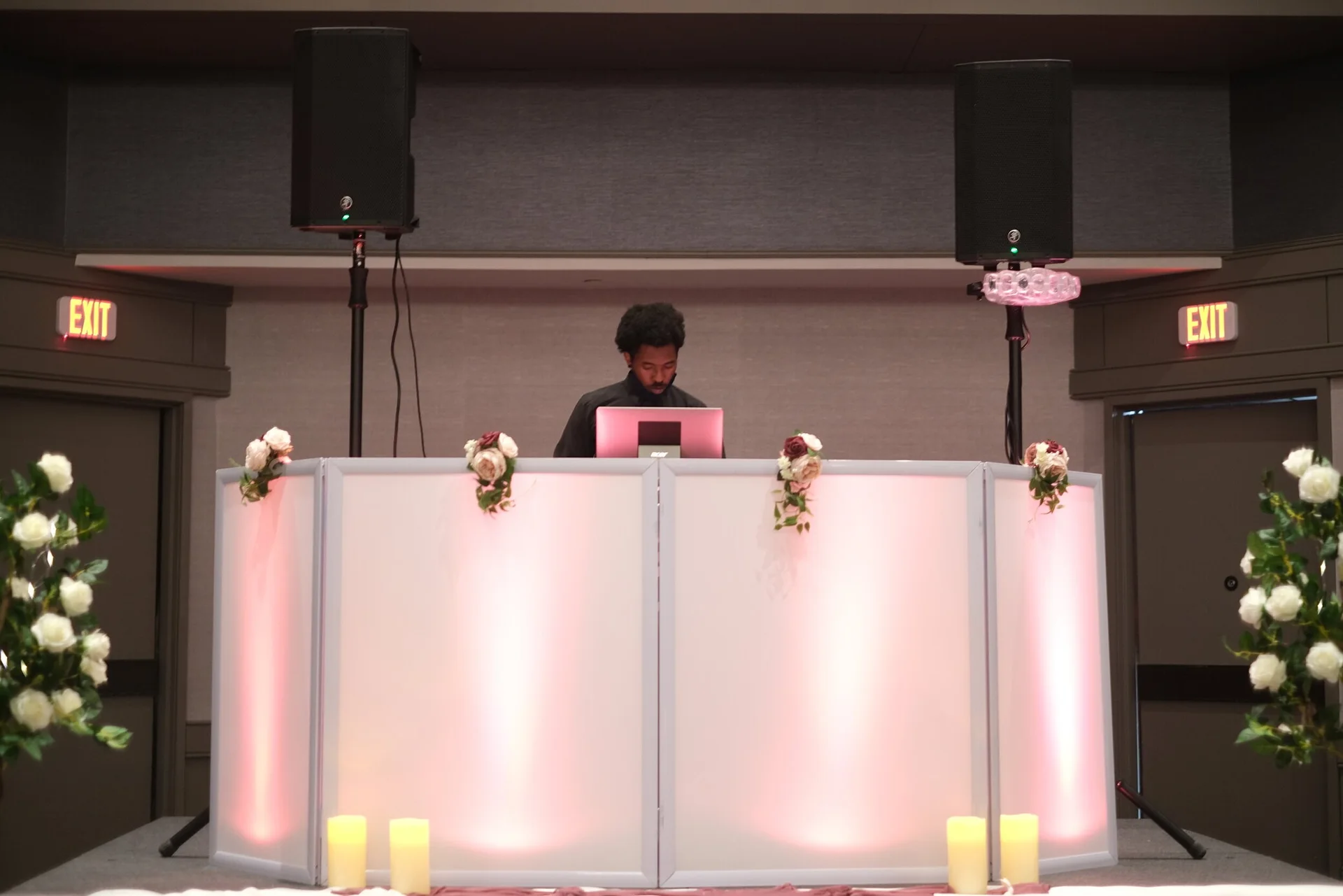
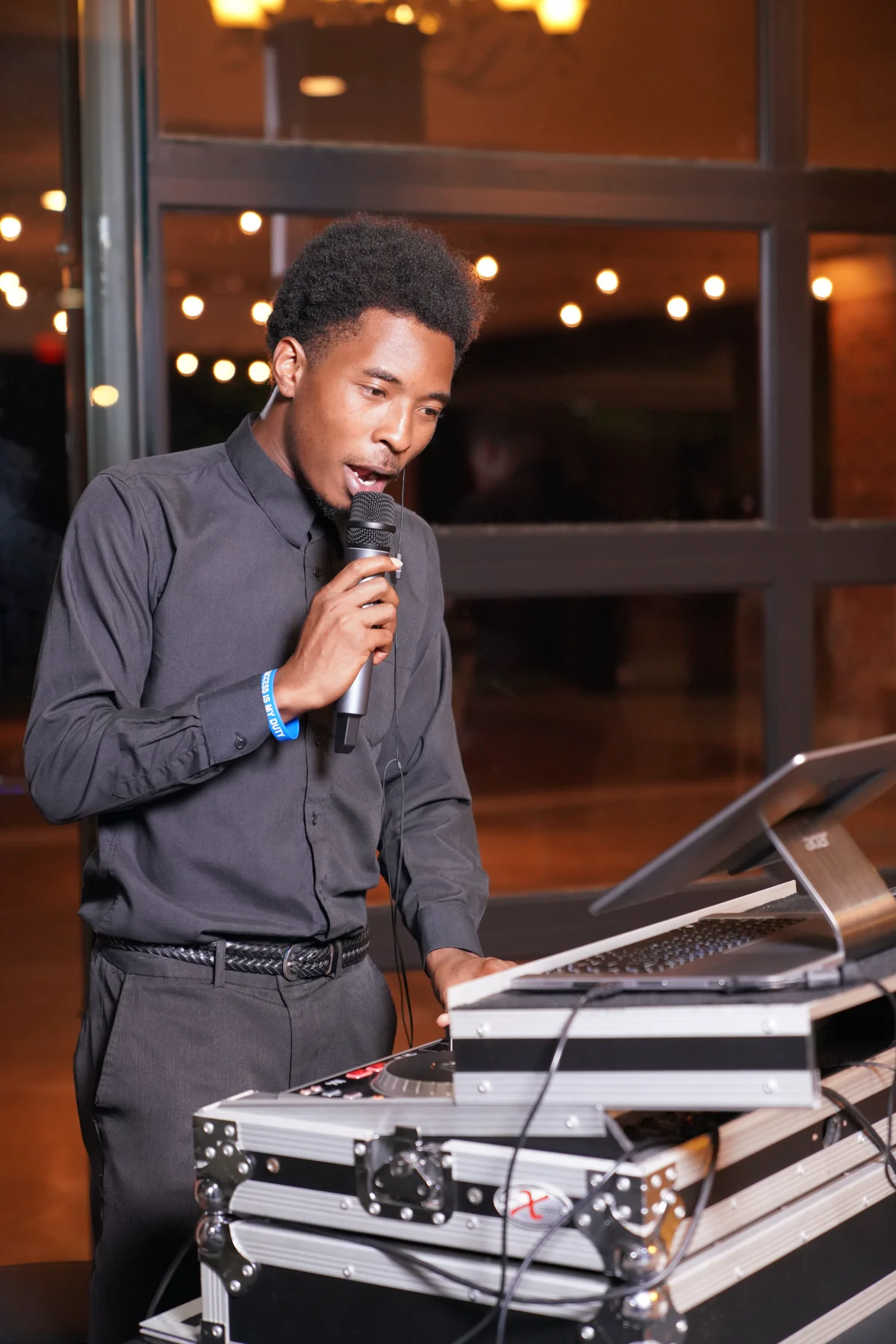
Music matters a ton here. Whatever you call this stretch, someone needs to keep the room warm and comfortable while you’re away. A good DJ holds that energy with the right songs and a friendly word or two, so the gap feels like a relaxed pause instead of an awkward wait. If you want the full picture of how I run a reception, my wedding DJ services page breaks it down.
How to fill the gap if you keep it short
Say you decide to trim cocktail hour to 30 minutes instead of cutting it. Smart move for a lot of weddings. Now the goal is to make that shorter window feel full and fun, not rushed. This is where a little creativity pays off.
Lawn games, a signature drink, a small live element, or a fun photo spot all give guests something to do with a short window. Even just great music and a warm room does the trick. The point is to give people a reason to relax and chat instead of glancing at the clock waiting for dinner.
A shorter hour also changes the music plan. With less time, I go straight for warm, easy crowd-pleasers rather than a slow build — there’s no time to waste getting the room comfortable. Every song earns its spot. That kind of tailoring is exactly why a live DJ beats a fixed playlist when your timeline gets tight.
Drinks help a shorter window feel generous, too. A single signature cocktail — something that ties to you two — gives guests a fun thing to grab and talk about without a full bar setup. Pair that with a snack table and easy music, and 30 minutes feels like plenty. The goal is a relaxed pause, not a race to the tables.
Keeping the flow smooth either way
Whatever you decide, the real trick is protecting the flow of the day. A wedding lives or dies on its rhythm, and any gap — photos, a room flip, a travel break — is a spot where energy can leak out. The fix is making sure someone owns those transitions.
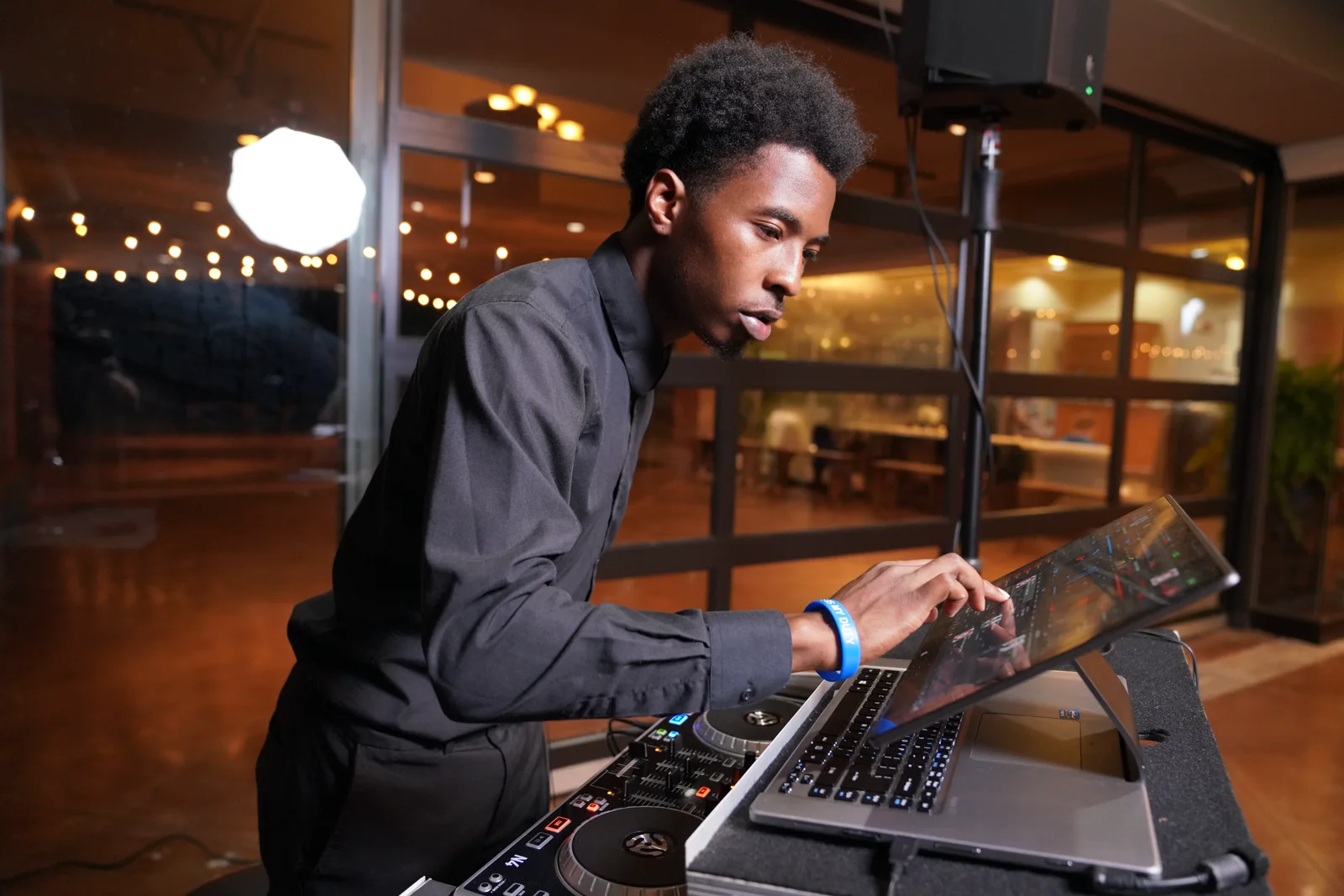
That’s a big part of my job as your MC. I keep guests informed with a friendly word so nobody’s left guessing what’s next, I hold the room with the right music, and I bridge cleanly from one moment to the next. Whether you keep a full cocktail hour, trim it, or skip it, the goal is the same: the day should feel effortless to your guests. Guides at The Knot agree that the smoothest weddings plan every gap on purpose, not by accident.
Deciding for your Sterling Heights wedding
So how do you make the call for your own day? Start with three questions: Are your ceremony and reception in the same room? Do you want a long photo session? And what’s your budget priority? Your answers point straight to the right choice.
Then talk it through with your DJ and planner early. Whether you’re celebrating at a banquet hall near Lakeside, out by the Clinton River, or in a backyard off Dodge Park, a pro can help you weigh the trade-offs for your exact setup. Want more ways to fine-tune your timeline? Browse more wedding tips whenever you like, and my Sterling Heights wedding guide covers the full reception flow.
At the end of the day, there’s no wrong answer — only a right answer for you. Skip it, trim it, or keep it, as long as you’ve got a plan for the gap and someone to hold the energy, your day will flow beautifully. If you’d like a hand thinking it through, you can meet your DJ and we’ll build a timeline that fits your celebration.