Wedding DJ Cost Rochester Hills: Real 2026 Prices
You open five DJ websites in a row, and every single one says the same maddening thing: “contact for pricing.” Ugh. So let’s skip the runaround. Here’s the honest truth about wedding DJ cost Rochester Hills couples actually pay in 2026 — real dollar figures, exactly what pushes the price up or down, and how to spend smart without gambling on the one day you can’t redo.
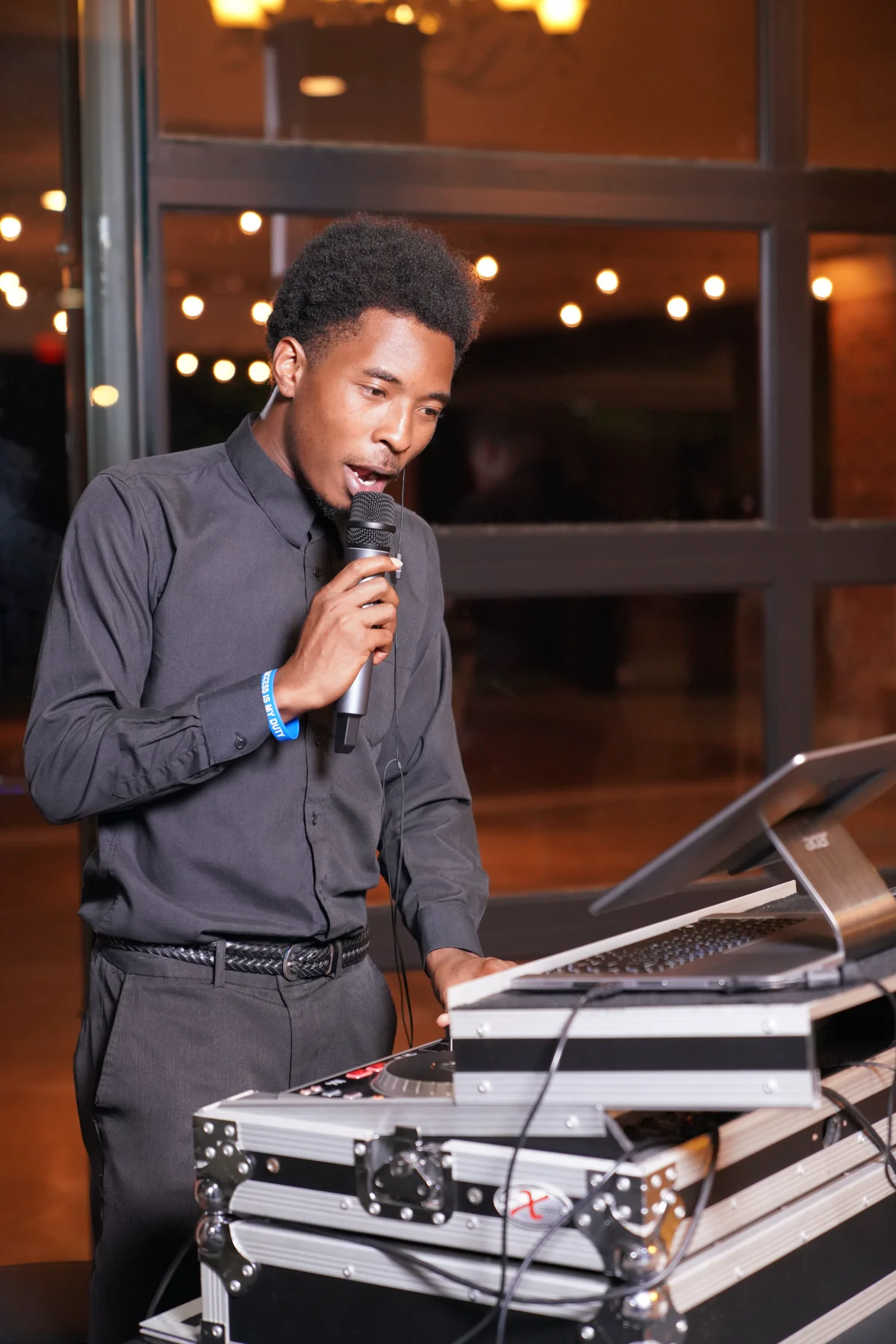
I’m Tevin, and I’ve been spinning weddings across Oakland County for over a decade — ballrooms, garden estates, and hotel rooms all around Rochester Hills. Because I quote real prices out loud, couples ask me about money all the time. So let’s talk about it like friends: plainly, kindly, and with actual numbers.
In this article
What does a wedding DJ cost in Rochester Hills?
Let’s start with the number you came here for. In 2026, the wedding DJ cost Rochester Hills couples can expect runs roughly $1,000 to $2,500, with most landing right in the middle. That range holds whether your reception is downtown Rochester, out by Meadow Brook, or in a hotel ballroom off M-59.
National data backs this up. The Knot’s cost research pegs the average wedding DJ around $1,500, and WeddingWire’s pricing guide lands in the same neighborhood. Oakland County sits close to that number — a touch friendlier than Chicago or the coasts, which is good news for your budget.
Here’s a quick map of what you’ll find in our market:
- $400–$800 — a hobbyist or brand-new DJ, often part-time. Fine for a backyard party. Risky for a once-in-a-lifetime day.
- $900–$1,500 — an experienced full-time pro with real gear, a backup plan, and MC skills. This is the sweet spot.
- $1,600–$2,500+ — a premium DJ or a big multi-op company with add-ons baked in.
So when a quote comes in way under $700, that’s not a steal — it’s usually a signal. We’ll get to why in a minute.
What actually drives the price?
Two DJs can quote you $1,000 and $2,000 for the “same” wedding. So what’s the difference? It’s rarely the music files — it’s everything around them. Here’s what moves the number.
Experience. A DJ who’s read 500 dance floors knows when to drop the throwback and when to pivot. That instinct is the whole ballgame, and it costs more because it’s worth more.
Hours of coverage. A 6-hour reception costs less than an 8-hour day that includes your ceremony and cocktail hour. More time on-site, more money. Simple.
Gear and redundancy. Pro speakers, wireless mics, and — this is big — a backup system in the car. If a speaker dies during your first dance, a pro swaps it in 90 seconds. That safety net isn’t free.
Season and date. A Saturday in September books faster and prices higher than a Friday in February. Michigan’s wedding season runs hot from May through October, so popular dates go early.
Add-ons. Uplighting, a photo add-on, extra speakers for a big ceremony — each one adds a clear line item. Good DJs itemize these so you’re never surprised.
Key takeaway: You’re not paying for a Spotify playlist. You’re paying for a decade of dance-floor instinct, gear that won’t quit, and a backup plan for the one day you can’t redo. That’s where the money goes — and it’s the best money you’ll spend on the reception.
How many hours do you really need?
Here’s what a lot of couples miss: they guess their hours, then either overpay for time they won’t use or run out of music right when the party peaks. Let’s fix that.
Most Rochester Hills receptions need 6 to 8 hours of DJ coverage. The math is friendlier than you’d think. Walk it through with me:
- Ceremony — 30 to 45 minutes, plus prelude music as guests arrive.
- Cocktail hour — 1 hour of easy background sound while photos happen.
- Dinner — 1 to 1.5 hours, softer volume, announcements, toasts.
- Dancing — 3 to 4 hours, which is where a great DJ earns every dollar.
Add setup and breakdown, and a full day lands around 8 hours. If your ceremony is offsite — say, a church, then a reception at the Royal Park Hotel near downtown — you may only need DJ coverage for the reception. That’s where a 6-hour package fits perfectly.
So don’t buy hours you won’t use. But don’t cut it so close that the floor is packed and the music stops at 10 p.m. sharp. Build the timeline first, then match the hours to it.
Skan the DJ’s real packages
Enough about the market — let me show you my actual prices, because you shouldn’t have to email a stranger just to learn what a DJ costs. Here’s exactly what I charge in 2026, all in.
- Silver · 6 Hours — $999. Ceremony and reception, MC services, industry-standard sound, a fully custom playlist, dance-floor lighting, two wireless mics, and setup two hours before you walk in.
- Gold · 8 Hours — $1,299. Everything in Silver, plus extended coverage, dedicated cocktail-hour sound, extra timeline planning, and a priority date-hold. This is the one most couples pick.
Notice there are no “contact for pricing” games and no hidden setup fee tacked on later. The price you see is the price you pay. I quote it this way on purpose, because trust starts with transparency — and you’ve got a hundred other vendors to worry about. Want the full rundown of what’s included and how the day flows? My wedding DJ service page lays it all out in order.
The best DJ money you’ll ever spend isn’t on more hours. It’s on the right person for the ones you’ve got.
Add-ons: uplighting and extras
This is where couples either overspend or skip the one thing that would’ve made their photos pop. So let’s be smart about it. Add-ons should solve a real problem, not pad a bill.
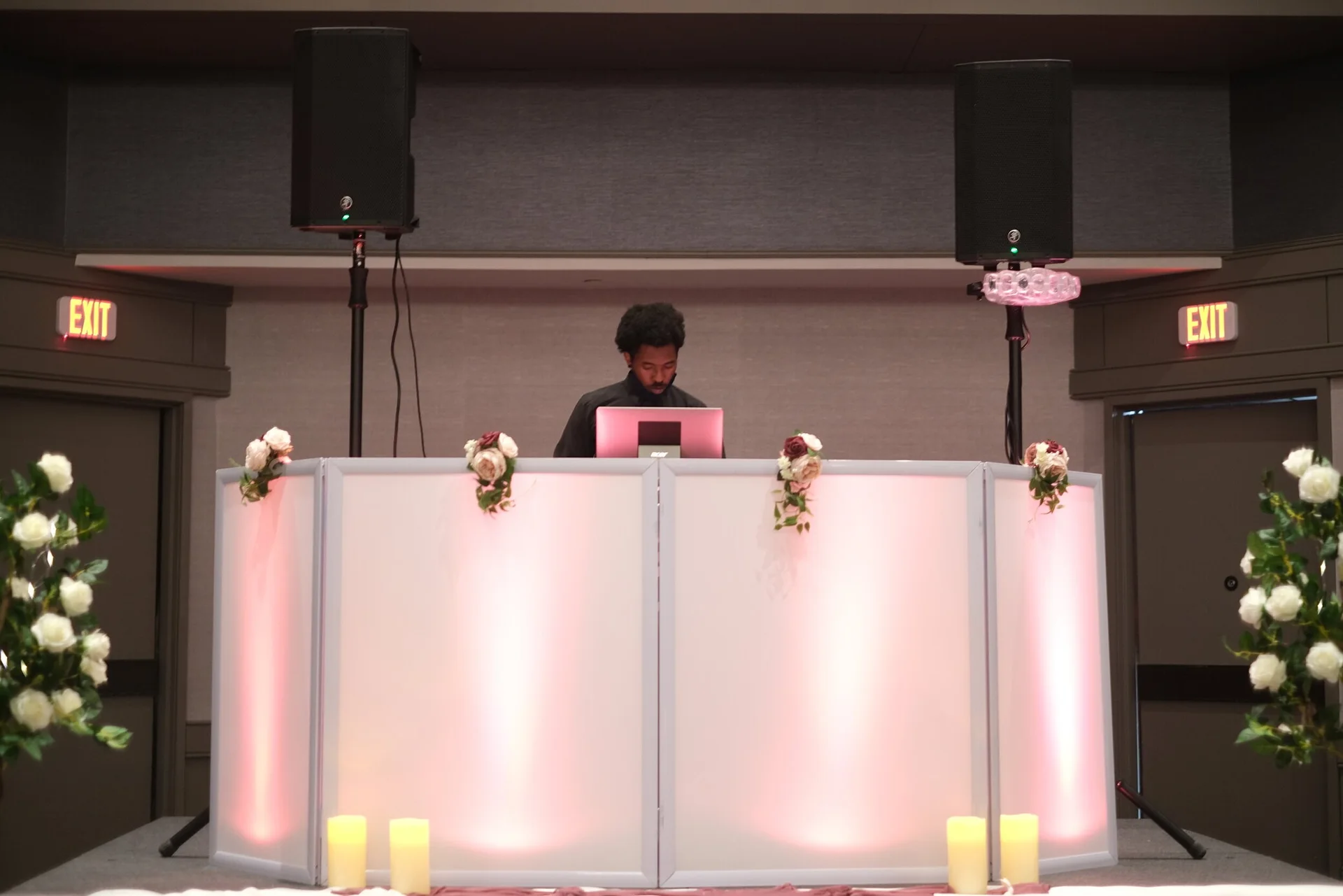
Uplighting — from $399. This is the highest-impact upgrade in the business, full stop. Wireless, battery-powered lights wash your walls in any color you want — blush, deep purple, warm amber. A plain hall becomes your hall the second they switch on. In a grand space like the ballrooms near Meadow Brook, uplighting turns good bones into a showstopper.
Other extras you might see quoted around town:
- Ceremony sound for an offsite or outdoor “I do” — often $150–$300 if it’s a separate location.
- Extra speakers for a large guest count or a spread-out venue.
- A dance-floor monogram or projected names — a fun little touch.
My advice? Prioritize uplighting first. Dollar for dollar, nothing changes the room and the pictures more. If you want to see a full color-by-color breakdown, I share more ideas in these planning guides. Everything else is gravy.
Cheap DJ vs. pro DJ: the hidden cost
Now for the part nobody likes to say out loud. A $500 DJ isn’t really $500. Sometimes the cheapest quote becomes the most expensive lesson.
Here’s the thing: a low quote usually means a part-timer with one speaker, no backup, and no MC training. When the gear fails at a wedding, there’s no redo. When the DJ can’t read the room, your uncle clears the floor with the wrong song and it never recovers. That’s the hidden cost — not dollars, but the memory you were paying to protect.
A pro is your quiet insurance policy. Backup gear in the trunk. A calm voice on the mic. The instinct to feel the room drift and pull it back before you even notice. You pay a bit more up front so you never think about the DJ again — which is exactly how it should be.
Quick gut-check: if a quote is under $700 for a full wedding, ask two questions — “Do you carry backup equipment?” and “How many weddings did you do last year?” The answers tell you everything. Silence tells you more.
How to budget for your DJ
Let me tell you about a couple I’ll call Dana and Ryan. They booked a reception near downtown Rochester, right by the Paint Creek Trail, and came to me nervous about money — their venue had eaten most of the budget, like it does for a lot of couples.
So we kept it simple. They took the Gold package for the 8-hour day, added uplighting to turn the room warm and pink for photos, and skipped everything else. Total spend on entertainment and lighting: under $1,700. Their floor stayed packed from the first song to the last, and they still talk about it. That’s the whole point — smart beats expensive every time.
Here’s how I’d think about your DJ budget:
- Set the floor at $999. That’s a real professional with real gear. Below it, you’re gambling.
- Match hours to your timeline, not the other way around. Most local weddings land on the 8-hour Gold.
- Add uplighting before anything else. It’s the best photo-per-dollar you’ll find.
- Book early. Prime Saturdays from May to October go fast — sometimes a year out.
Want the full picture of what a booking with me actually looks like, from first call to last dance? Here’s what to expect on your Rochester Hills wedding day, start to finish. And if you’d like to meet your DJ before you decide, that’s exactly how I like to begin — a friendly chat, no pressure.