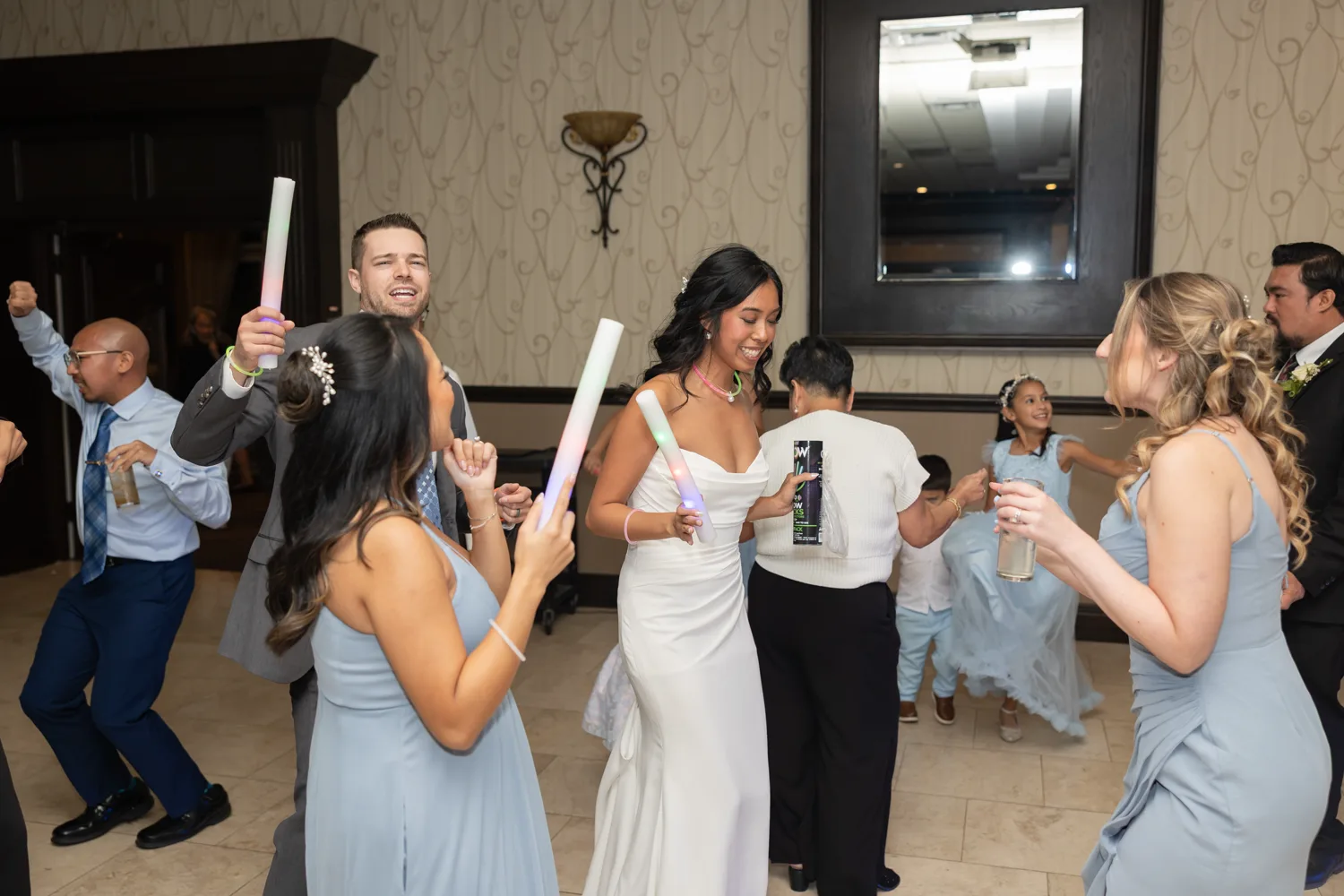
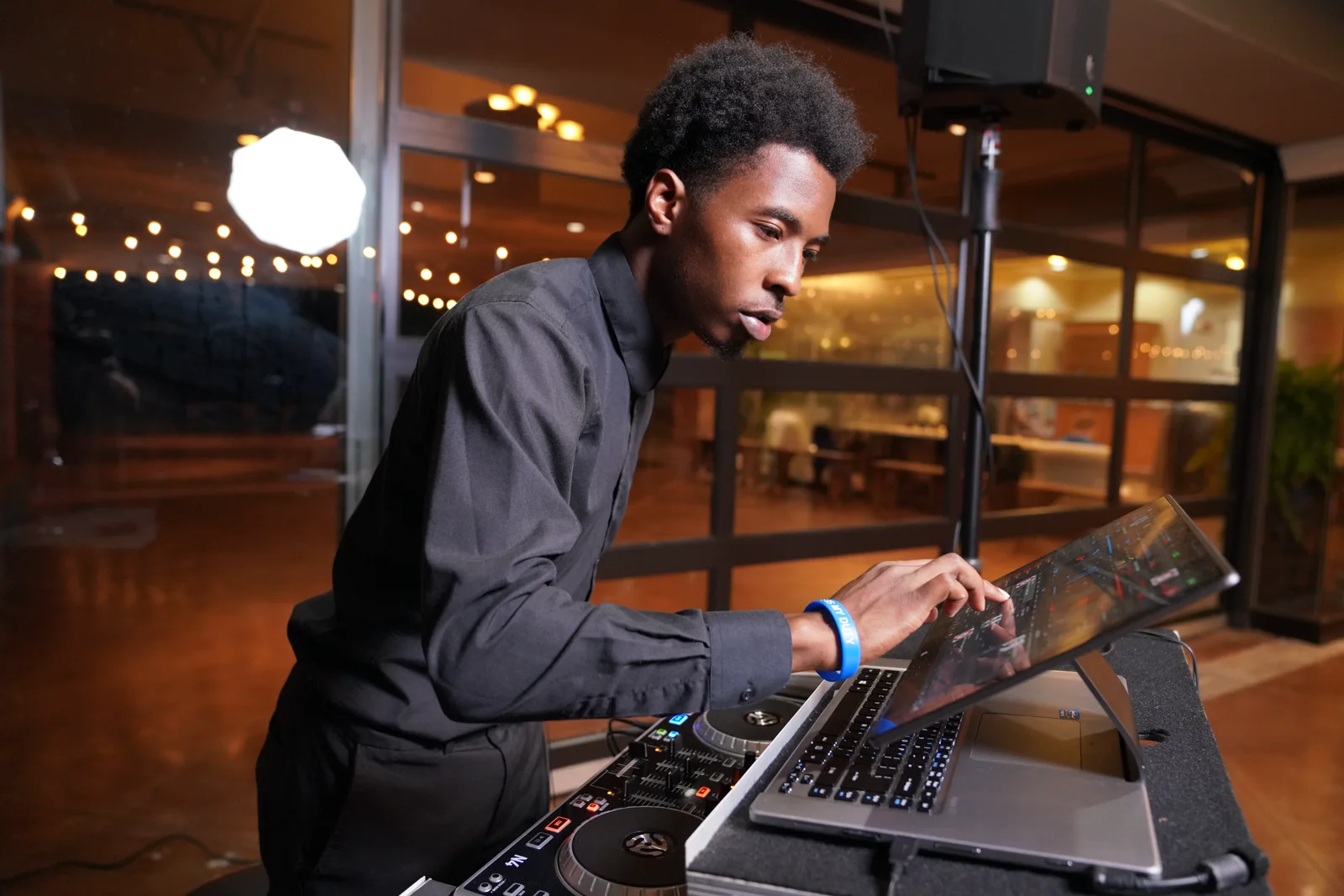
Why the Dance Floor Empties (and Fixes)
One minute the floor is packed, the next it’s a ghost town. If you’ve ever watched a dance floor empties moment happen in real time, you know the sinking feeling — a great song ends, people drift to their seats, and suddenly the room feels flat. Here’s the good news: a sudden crowd exit almost always has a clear cause, and every cause has a fix. Let me walk you through why floors clear out, what a DJ is watching for, and how to turn a dead floor back into a full one before anyone even notices it dipped.
In this article
Why the floor clears in the first place
Let’s start with the truth: a floor rarely empties for no reason. When you see a dance floor empties in seconds, something triggered it. Maybe the song changed to a genre half the room doesn’t know. Maybe the last track ran too long. Or maybe it’s just been 40 minutes and people need water. Once you know the cause, the fix gets easy.
Think of a dance floor like a campfire. It needs steady fuel, or it fades. Every song is a log. Drop the wrong one on, and the flames die down fast. That’s not bad luck — it’s a signal. A good DJ reads that signal and adjusts before the room goes cold.
The most common triggers fall into three buckets: the wrong song, bad timing, or a hard stop with no bridge into the next moment. Nail those three, and empty floors mostly disappear. Miss them, and you’ll be staring at a lot of empty parquet.
The wrong-song trap
Here’s the mistake I see most. A DJ rides a hot streak, then reaches for a song they love instead of one the room loves. The crowd was with them — and then, gone. One off song can undo three great ones.
Genre whiplash is the usual culprit. You go from a wall-to-wall pop hit straight into a deep album cut nobody recognizes, and the floor thins out in ten seconds. People don’t dance to songs they don’t know. They dance to songs that feel like theirs.
Tempo matters too. Jump from an upbeat anthem to a slow ballad with no warning, and you’ve basically told everyone to sit. That can be the right call at the right moment. But if you didn’t mean to clear the floor, that sudden drop in speed will do it every time.
The fix is simple but takes discipline: play for the crowd in front of you, not the playlist in your head. According to The Knot’s reception song guide, the floor-fillers that never miss are the shared hits everyone already knows by heart. When in doubt, give the people a song they can sing.
Timing and the natural energy dip
Not every empty floor is a mistake, though. Some are just biology. After 30 or 40 minutes of dancing, bodies need a break. People want water, a bathroom, a quick chat with grandma. That dip is normal — the trick is planning around it instead of panicking through it.
A smart DJ builds those breaks into the night on purpose. You ride a big dance block, then ease into a slower moment or a special dance while people rest. Then you build right back up. The floor breathes. It fills, empties a little, and fills again — and that rhythm is healthy.
The problems start when the dip lands at the wrong time. If the floor empties right after dinner when energy should be climbing, that’s a red flag. But if it thins out for a couple minutes mid-way through a long night, relax. It’ll come back if you set up the next wave right.
An empty floor isn’t a verdict — it’s a question. A good DJ hears it and answers with the very next song.
So don’t read every quiet moment as failure. Read it as feedback. The room is telling you what it needs, and your job is to give it — a breather, a throwback, or a beat that pulls everyone back up.
Key takeaway: Floors empty for three main reasons — the wrong song, awkward timing, or a hard stop with no bridge. All three are fixable in real time. Play for the room, plan for natural breaks, and always have the next crowd-pleaser cued and ready.
Reading the exit before it happens
Here’s what a lot of couples miss: the best DJs don’t fix an empty floor — they stop it from ever emptying. It’s all about reading the early signs. People check their phones. A few edge toward the bar. The back of the crowd stops moving. Those are the first cracks.
When I catch that, I don’t wait for the song to finish. I mix in the next track early, drop a request I know the couple loves, or grab the mic for a quick shout-out that pulls attention back to the middle of the room. Small moves, made early, keep the floor from ever going quiet.
This is exactly why a live DJ beats a phone playlist. A playlist can’t see the room drifting. It plays the next song no matter what. A person watching real faces can pivot in a heartbeat — and that one skill is the difference between a floor that dips and one that dies.

How a DJ reverses a dead floor
Say it already happened — the floor’s half empty and the energy’s gone. Now what? First, don’t chase it with another slow song. That only sinks it deeper. You need a known winner, something the whole room recognizes in the first two seconds.
My go-to reversal is a generational bridge. I’ll drop a song the older crowd loves, get them up, then roll into a track the younger guests can’t sit through. Suddenly you’ve got two generations on the floor at once, and the room feels full again. If you want the full picture of how I run a reception from start to finish, that page breaks down the flow, the mic, and the music.
A mic moment helps too, used sparingly. A quick “Let’s get everyone out here for this one!” gives permission to the folks who were on the fence. Then the beat does the rest. The key is confidence — if the DJ sounds sure the party’s about to pop off, the room believes it.
Preventing empty floors from the start
The real win is prevention. Most of that happens before the night even begins, in the planning. When you tell your DJ your must-plays, your do-not-plays, and the songs that mean something to your people, you’re handing them the map to a full floor.
Guest mix matters too. A crowd of college friends dances differently than a room heavy on family. A DJ who knows your crowd ahead of time can plan the arc so the energy climbs at the right moments. The couples over at WeddingWire’s reception music hub say the same thing — a night that’s planned around the actual guest list fills the floor far more reliably than a generic set.
And leave room to improvise. The best-planned night still needs a DJ who can read the room and change course. Structure gets you 80 percent of the way. The last 20 percent is live instinct — and that’s what keeps the floor from ever going cold.
Planning your Livonia reception
So how do you pull this together for your own day? Start by picking a DJ who actually mixes live and reads the room, not one who just presses play on a set list. Ask how they handle a floor that starts to thin out. Their answer tells you everything.
Whether you’re celebrating near Laurel Park, out by Newburgh Road, or at a banquet hall right in the heart of Livonia, the same rules hold: play for the crowd, plan for the natural dips, and keep the next winner cued. For more ideas across every part of the night, browse more reception tips whenever you like.
At the end of the day, a full floor isn’t magic — it’s attention. Somebody watching, adjusting, and caring whether people are dancing. If you’d like a hand making yours the kind of party nobody wants to leave, you can meet your DJ and we’ll build a plan around your crowd. And if you want the local playbook, my Livonia wedding guide covers the whole night in detail.