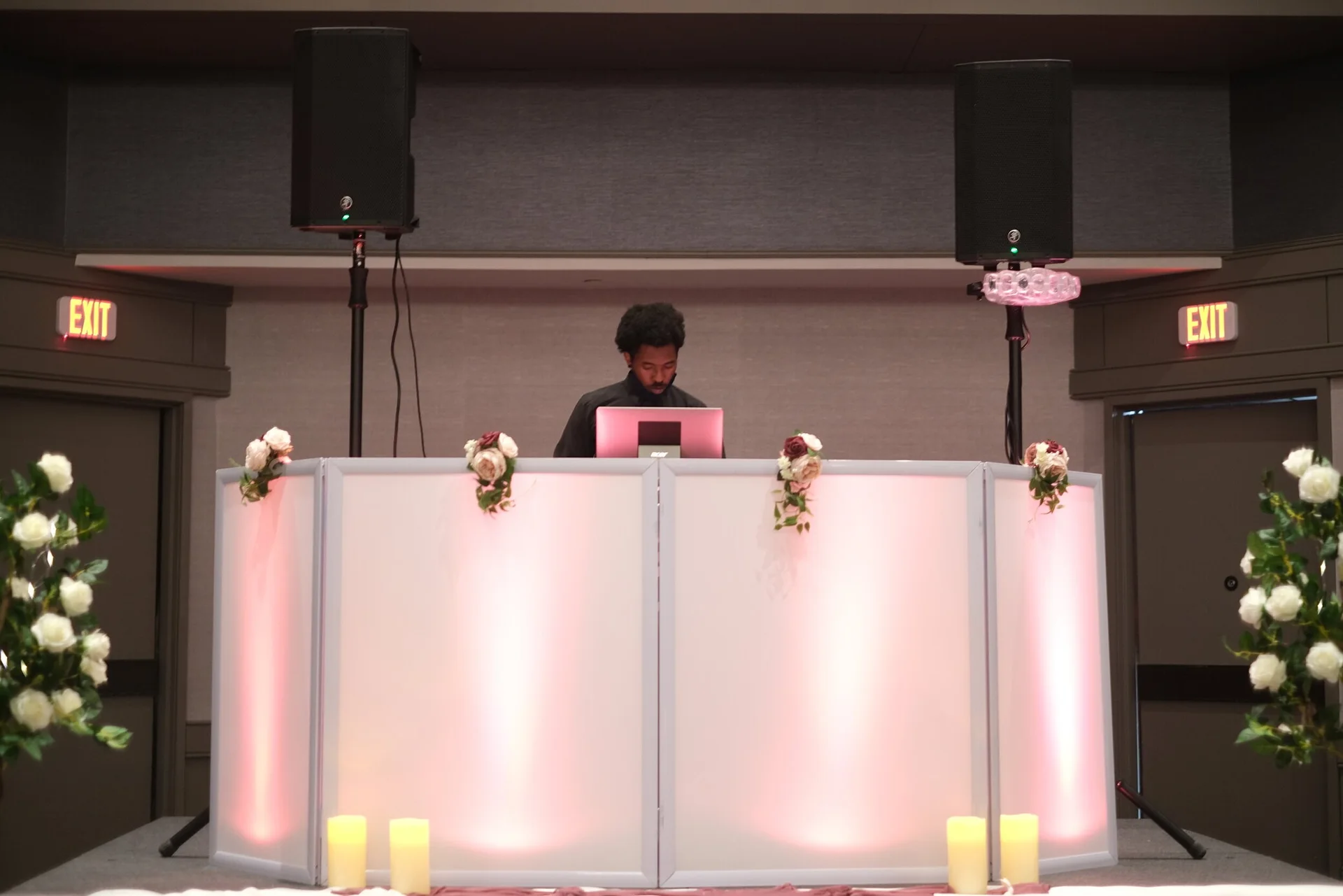
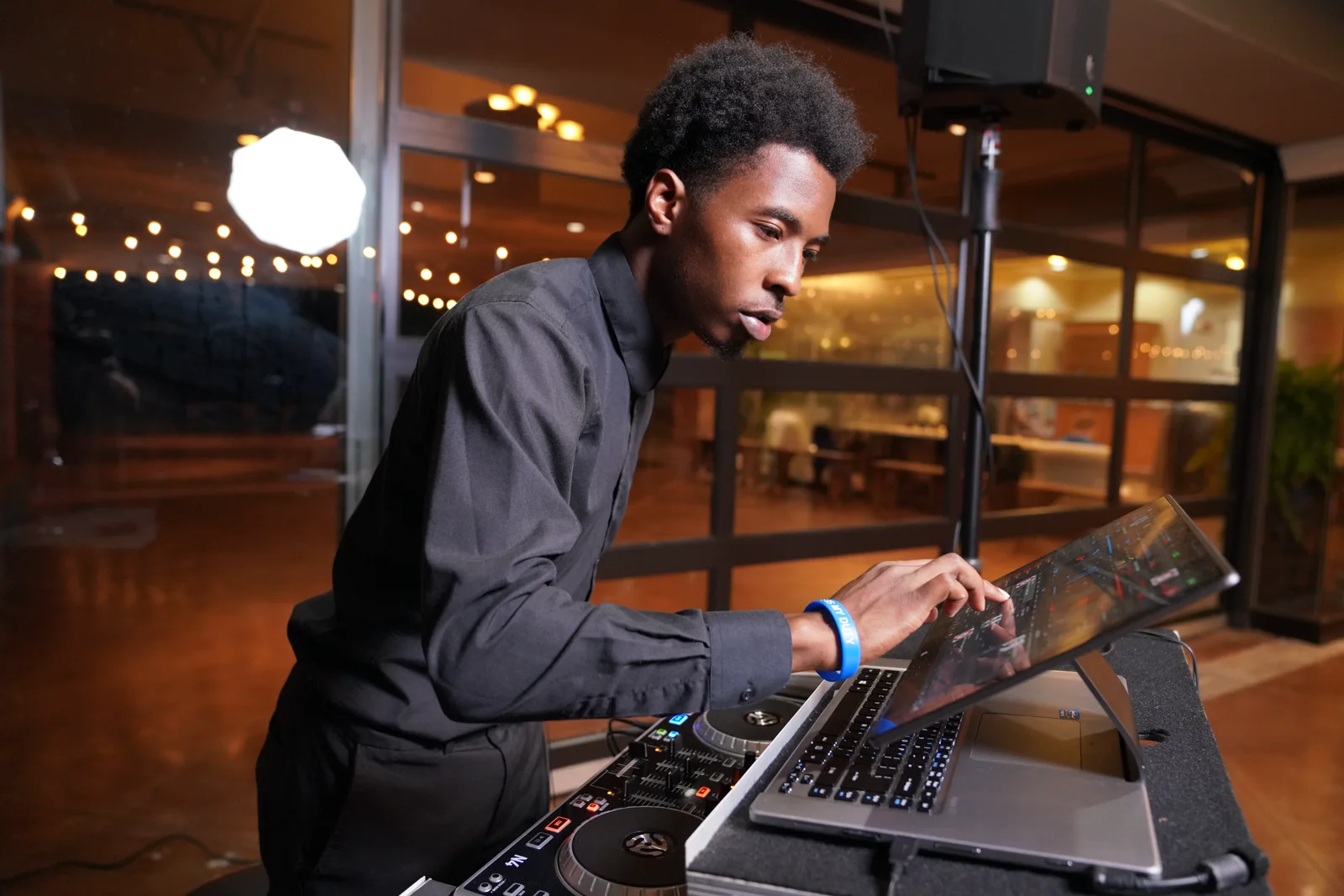
When to Fire Off Each Special Effect
Here’s the thing most couples don’t hear until it’s too late: your special effects are only as good as your FX timing. A cold spark fountain costs the same whether it fires at the perfect second or a beat too early — but only one of those makes the whole room gasp. So this post isn’t about which effects to buy. It’s about when to fire each one during your Royal Oak wedding, so every moment lands like it was built for the movies.
In this article
Why timing beats how much you spend
Let’s clear one thing up first. You could book every effect on the menu — sparks, fog, lasers, the works — and still land flat. Why? Because effects don’t create energy on their own. They amplify a moment that’s already happening. Fire one into a quiet, half-seated room and it just looks like a machine doing a trick.
Good FX timing works the other way around. You wait for the crowd to lean in, and then you hit them right at the peak. That’s when a single spark fountain feels worth ten. So before you add up the cost of effects, think about the beats of your night — the entrance, the first dance, the floor going wild. Those are your targets.
Here’s a simple rule I live by: an effect should punctuate a feeling, not manufacture one. Sparks say “look at this couple right now.” Fog says “the world just got a little magic.” When you match the effect to the emotion, cheap looks expensive and small looks huge.
The grand entrance: your first big spark
Your entrance is the single best spot for a cold spark moment. The lights drop, the room turns to the doors, and your names hit the speakers. That’s a captive crowd with every eye pointed the same way. Fire your sparks the instant you step through, and you get the gasp-then-cheer that people talk about for weeks.
But the timing has to be tight. Fire too early and you’re sparking an empty doorway. Fire too late and you’ve already walked past the frame. So I cue the sparks to the exact bar of the song where your name lands — not a second before, not after. That precision is the whole game.
One more tip: keep the entrance effect to one big hit. Don’t stack fog, lasers, and sparks all at once. Pick the loudest tool — usually sparks — and let it own the moment. If you want that warm glow around the room too, that’s what a good room glow package is for, and it can already be running before you walk in.
First dance: let light do the talking
Now flip the mood completely. Your first dance is soft, close, and personal — the opposite of a spark blast. So this is not the moment for pyro. Sparks here would fight the feeling instead of framing it.
Instead, this is where lighting quietly shines. A slow fade to warm amber, a soft spotlight on the two of you, maybe a gentle haze so the beams look like they’re floating. That haze is a big deal, and folks always underrate it. It turns plain light into visible ribbons that wrap around your dance without stealing the spotlight.
According to The Knot’s wedding lighting guide, lighting is the detail guests feel without noticing — it sets the emotion of a room before anyone can name why. Your first dance is exactly that kind of moment. Let light carry it, and save the loud stuff for later.
Sparks grab attention. Light holds emotion. Knowing which one a moment needs is the whole art of FX timing.
Cake and toasts: keep it quiet
Here’s a mistake I see a lot: couples want an effect on every single moment. But some moments are better bare. Toasts are about words, and cake cutting is a quick, sweet beat — neither one needs fog rolling across the floor.
What these moments do need is clean, bright light so the photos come out right. A photographer will thank you for good light and quietly curse a fog machine that hazes up a cake shot. So during toasts and cake, I bring the room lights up, kill the effects, and keep it simple.
That restraint actually makes your big effects hit harder later. If sparks have been firing all night, the crowd stops noticing them. Save them for two or three peak beats, and each one keeps its punch. Less really is more here.
Key takeaway: Match each effect to the emotion of the moment. Sparks for the entrance and the floor peak, soft light and haze for the first dance, and nothing at all for toasts and cake. Good FX timing means firing rarely and firing right.
The dance-floor peak: where FX earn their keep
Here’s what a lot of couples miss: the biggest effect moment of the night usually isn’t a scheduled event at all. It’s that wild stretch about an hour into open dancing when the floor is packed and the crowd is screaming the words to a song everyone loves. That is where a spark hit or a fog blast pays for itself.
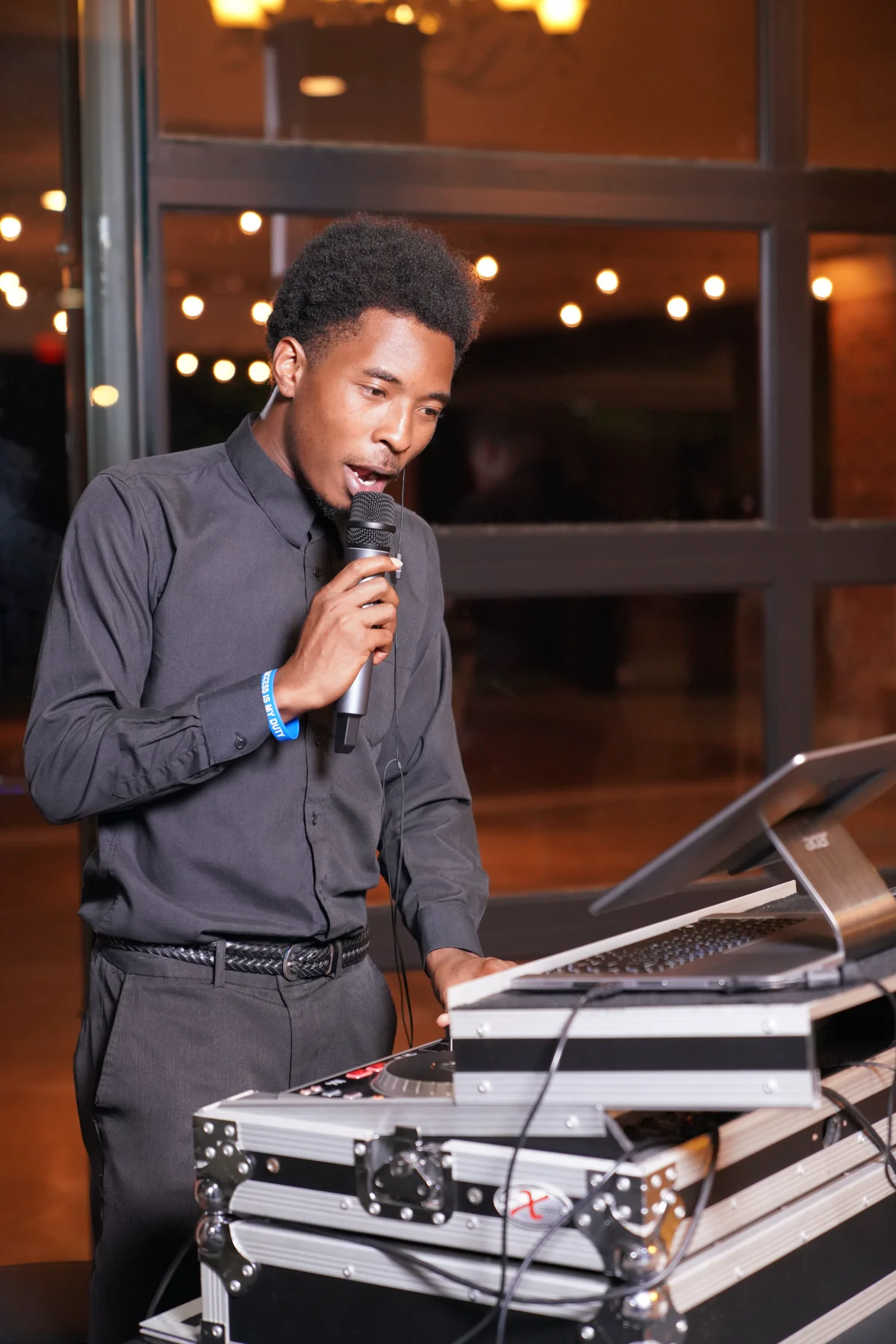
I watch for it. When the room hits that boiling point, I drop the effect right on the beat of the chorus. Sparks up, lights strobing, the whole floor loses it. You can’t schedule that on a timeline — you have to feel it live. A phone playlist never will.
So on the dance-floor peak, my FX timing goes fully by ear. I keep the effects loaded and ready, then fire when the energy tells me to. That single well-read moment is often the one guests bring up at brunch the next morning.
Last song and send-off: the big finish
Every great night needs a closer. Your last song is your final effect window, and it’s a strong one because the whole room knows the party’s ending. That bittersweet energy is real, and you can frame it beautifully.
For the last song on the floor, I’ll often go big — a final spark hit as the chorus lands, so the night ends on a high instead of a fade. Then, if you’re doing a sparkler or spark-fountain send-off outside, that’s a second finish, softer and more romantic, perfect for the photos as you two walk out.
The trick is spacing. Don’t blow your whole effects budget in the first hour. Save one strong hit for the close, and your guests leave on a peak. People remember how a night ends almost more than how it starts.
One scheduling tip worth stealing: line the final spark up with the moment your last song’s chorus lands, not the very end of the track. That way the effect fires on a high note while people are still singing, instead of fizzling into an empty outro. The reception-timeline planners at Zola’s reception timeline guide push the same idea — build every big beat around a peak, then let the energy roll into the next one. Match your effects to those peaks and the whole night feels like it was scored on purpose, because it was.
Building your FX timeline in Royal Oak
So how do you put this all together? Start by listing the four or five moments that matter most to you — usually the entrance, first dance, the floor peak, and the send-off. Then match one effect to each, and leave the quiet moments quiet. That’s a clean plan.
Whether you’re celebrating downtown near Main Street, out at one of the banquet halls off Woodward, or anywhere around Royal Oak, the timing rules stay the same: fire rarely, fire on the beat, and let the crowd’s energy tell you when. If you want to see how a full reception flows start to finish, my guide for couples booking a Royal Oak wedding DJ walks through the whole timeline.
At the end of it all, effects are the exclamation points, not the sentences. The story is you two and a room full of people who love you. My job is to punch up the right beats and stay out of the rest. Want more reception ideas? Browse more wedding tips any time, or meet your DJ and we’ll map your effects to your exact timeline.