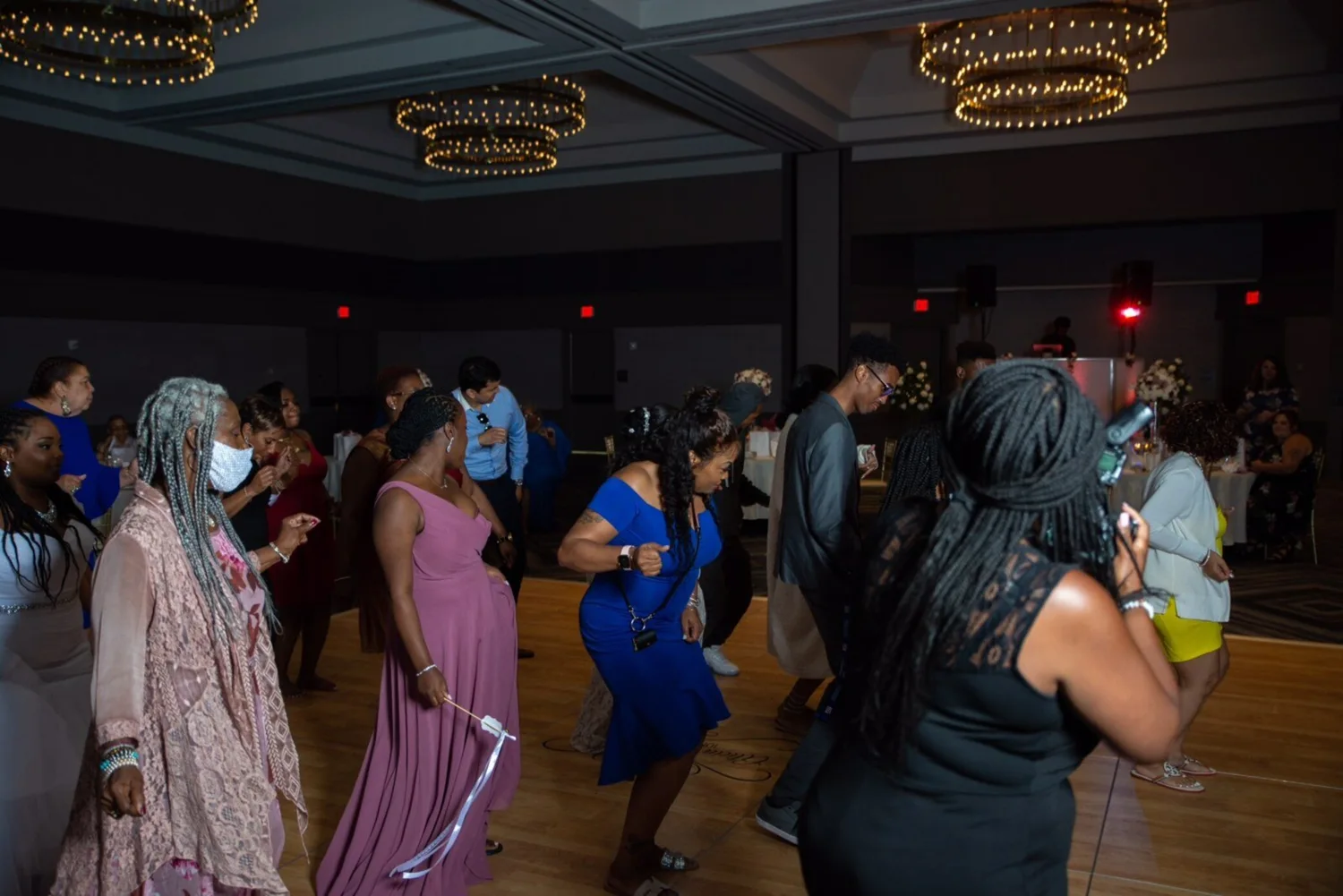
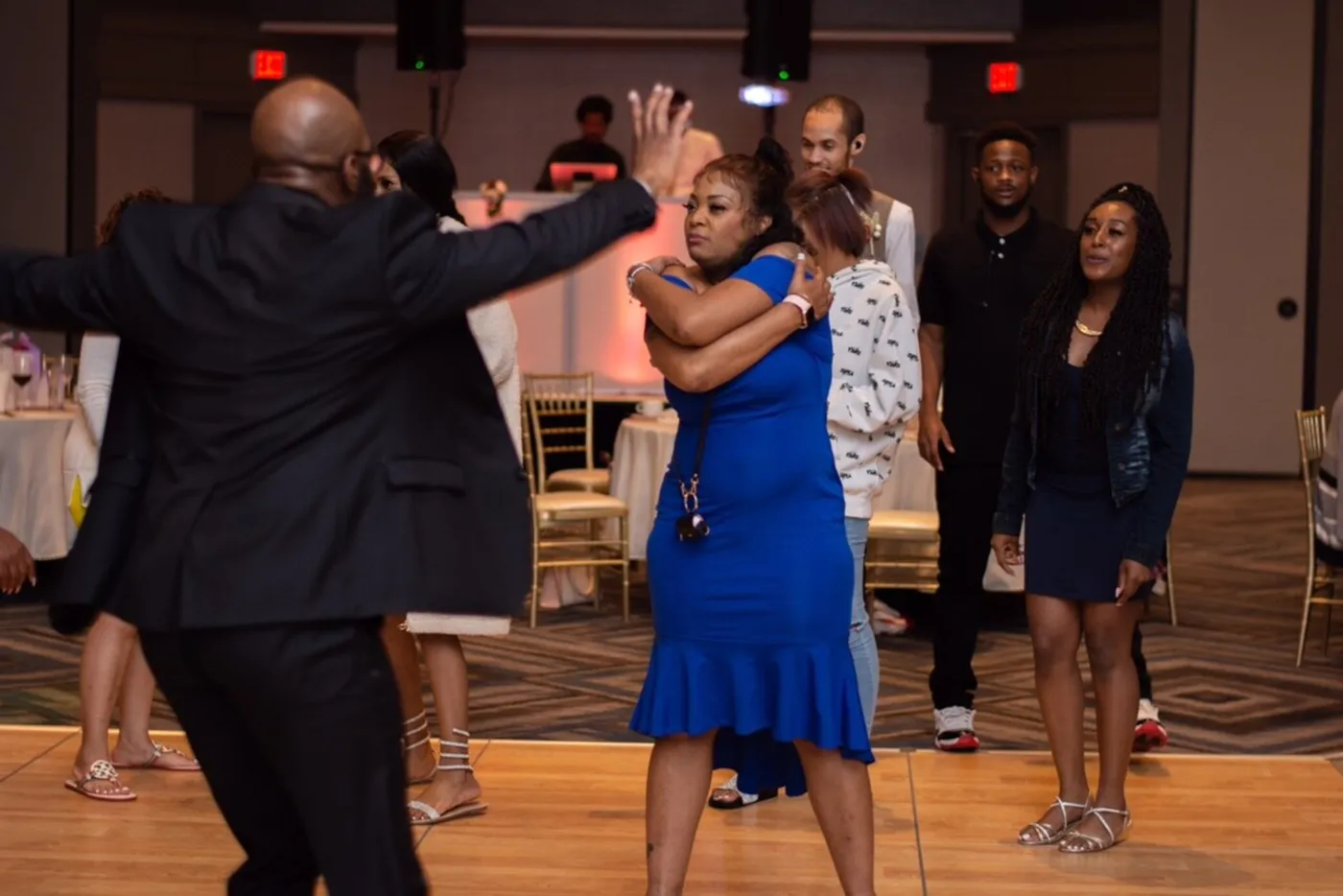
What Dance Floor Lighting Adds to Your Quote
You get your DJ quote, and there it is: a line for lighting that bumps the total. So what is the real dance floor lighting cost, and is it worth it? Short answer — yes, when it’s done right, and no, you don’t have to guess. Effect lighting is almost always priced as an add-on, which is actually good news. It means you only pay for the glow you want. Let’s break down what that add-on covers, what makes the number move, and how to spend smart for your Royal Oak celebration.
In this article
Why lighting is priced as an add-on
Here’s the thing most couples don’t realize. Your DJ package pays for the sound, the mic work, and the person reading the room. Lighting is a separate kit — extra fixtures, extra setup time, extra teardown at midnight. So it lands as its own line rather than getting baked into one big number.
That split works in your favor. Because the dance floor lighting cost is broken out, you can see exactly what you’re paying for and dial it up or down. Want just a warm wash on the walls? Easy. Want a full dance floor that pulses with the beat? Also easy, for a bit more. You’re in control of the glow and the budget.
Think of it like ordering dinner. The entrée is your DJ. The lighting is the side you add because it makes the whole plate better. Nobody forces it on you, but almost everybody’s glad they said yes once they see the room light up.
What the line actually covers
So what are you really buying? A lighting add-on usually bundles a few different pieces, and knowing them helps you read any quote you get.
Uplighting is the big one. These are fixtures set around the room’s edges that wash the walls in color. They turn a plain banquet hall into a space that feels designed just for you. Dance floor effects are the moving lights — beams and washes that shift with the music and give the floor its energy. Accent pieces might include a spotlight for your first dance or a soft glow on the head table.
Setup and labor are folded in there too, even if you don’t see them listed. Someone hauls the gear, runs the cables, aims each fixture, and comes back to break it all down. That time is part of the price, and it’s why a real setup beats a phone plugged into a speaker every single time.
Curious what a full glow looks like before the room fills? Our room color and glow page walks through the whole setup with photos, so you can picture it in your own venue.
What drives the price up or down
Not every lighting quote lands in the same spot, and that’s normal. A handful of things move the number, and once you know them, no quote will surprise you.
Room size is number one. A cozy 80-guest room needs fewer fixtures than a 250-seat ballroom. More wall to cover means more lights, and more lights means more cost. How many effects you want matters next. Simple uplighting is one price; adding moving dance floor beams, a monogram, or haze for those beams to cut through nudges it higher.
Then there’s the venue itself. Some rooms have power right where you need it and easy load-in. Others need long cable runs or have rules about where gear can go. According to The Knot’s wedding lighting guide, the room’s layout and access are two of the biggest hidden factors in any lighting price.
Lighting isn’t decoration you tack on at the end — it’s the difference between a room people sit in and a room people can’t wait to dance in.
One more driver: whether the lighting reacts to music or just glows steady. Sound-active dance floor effects need more gear and more skill to run well, so they cost a little more than a set-and-forget color wash. Both look great; they just serve different vibes.
Rough ranges you’ll see
Let’s talk real numbers, because vague answers help nobody. Across Michigan, basic uplighting for an average room tends to run somewhere in the $300 to $600 range as an add-on. That’s your wall wash — the color that makes every photo look richer.
Step up to a package with moving dance floor effects, and you’re often looking at $600 to $1,200 depending on room size and how many fixtures it takes. Add specialty pieces like a custom monogram or heavy haze for beam effects, and the top of that range climbs a bit more.
These are ballparks, not promises — every room and every wish list is different. But they give you a frame so you can tell a fair quote from a fishy one. If a number looks way below these, ask what’s actually included. Cheap lighting usually means fewer fixtures and a duller room.
Key takeaway: Dance floor lighting is priced as an add-on so you only pay for what you want. Room size and the number of effects drive the cost most. Expect roughly $300–$600 for uplighting and $600–$1,200 for a full effects package — and always ask what’s included.
Is dance floor lighting worth it?
Here’s what a lot of couples miss when they’re staring at that add-on line. They picture lighting as decoration — a nice-to-have, like extra flowers. But lighting does something flowers can’t: it changes how the whole night feels and how packed your floor gets.
A dark, flatly-lit dance floor makes people self-conscious. They can see every face watching, so they hang back. Add a warm wash and some moving color, and suddenly the floor feels like its own little world. People loosen up. They dance longer. Your photographer catches richer, moodier shots you’ll frame for years.
I’ve watched the same crowd sit on their hands under bright banquet lights, then flood the floor the moment I switched the room to a glow. Nothing about the guests changed — only the light did. That’s why I tell couples lighting is one of the highest-impact dollars in the whole budget. Budgeting experts at WeddingWire’s budget guide put lighting among the upgrades couples say made the biggest difference on the day.
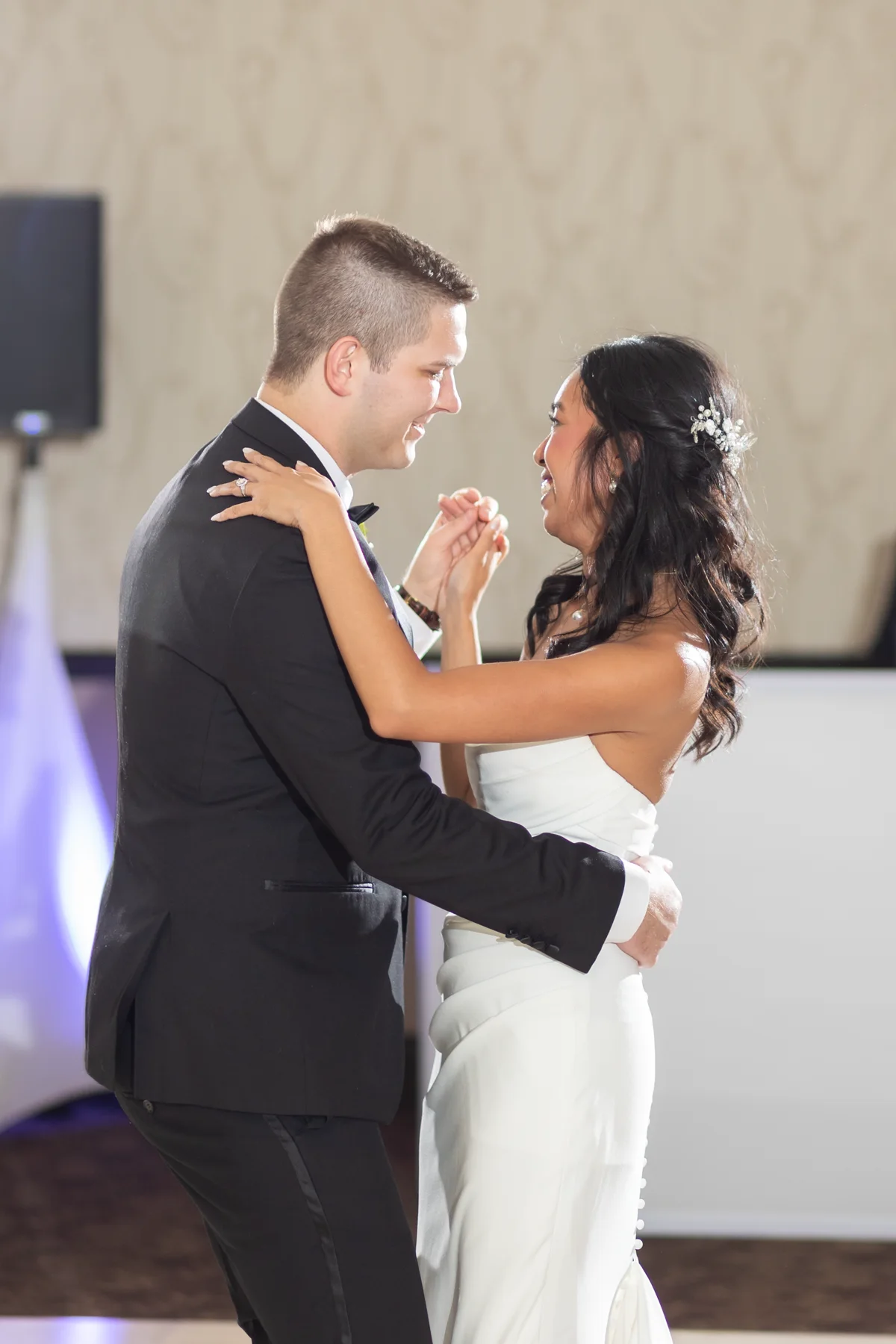
How to spend smart (and save)
Good news: you don’t have to buy every effect to get the payoff. A few smart choices stretch your budget a long way.
Start with uplighting if you can only pick one thing. It covers the most wall, shows up in every photo, and transforms the room for the least money. You can always add dance floor effects on top later if the budget allows. Next, match your colors to your palette instead of chasing a big fixture count — two well-chosen hues beat ten random ones.
Another saver: bundle your lighting with your DJ instead of hiring a separate lighting company. One team, one setup, one point of contact means less coordination and usually a better price. It also means the lights and the music are run by the same person, so they actually work together. Want the full rundown on packages and what pairs well? Browse more planning tips whenever you’re ready.
Planning it for a Royal Oak wedding
So how does this play out for a real Royal Oak celebration? Start with your venue’s size and layout — a loft space off Main Street lights differently than a big hall near Woodward. Tell your DJ the room, and a fair lighting quote falls right into place.
Then decide your priority. If your dream is a packed, glowing floor, put your dollars into uplighting plus dance floor effects. If you mostly want gorgeous photos and a warm mood, a solid uplighting wash may be all you need. There’s no wrong answer — just the one that fits your night. For a wider look at how the music and lights come together across the metro, my Royal Oak wedding guide covers the full picture.
At the end of it, the goal isn’t to spend the most on lighting. It’s to spend it where it counts, so the room feels alive and your guests never want to sit down. If you’d like a plain, no-pressure quote built around your room, you can meet your DJ and we’ll map it out together. Real glow doesn’t have to break the budget — it just has to be aimed by someone who knows the room.