What a Corporate Emcee Actually Does
When you hire a corporate emcee, you’re not just booking someone to read names off a card. You’re bringing in the person who keeps your whole event sharp, on time, and worth every guest’s evening. A gala, an awards night, a product launch — these live and die by their pacing. Yet a lot of companies don’t fully know what the role covers until the night’s already underway. So let’s clear it up. Here’s what a corporate emcee really does, and why hosting a business event is a different animal from hosting a wedding.
In this article
The role in one sentence
Here’s the simplest way to put it: a corporate emcee is the person who makes sure your event feels professional, moves at the right pace, and never has an awkward silence. That’s the whole mission. Everything else is detail.
Think of the emcee as the connective tissue of the night. Speakers come and go, the room shifts from dinner to awards to networking, and someone has to carry the energy across every transition. That’s the host’s job — to make the seams disappear so the evening feels like one smooth event, not a stack of separate parts.
And when it’s done well, you barely notice it. The mark of a great host isn’t flash. It’s a night that runs so cleanly your guests leave impressed without quite knowing why. That “why” is almost always the emcee.
What the job covers, hour by hour
So what does a corporate emcee actually do across an evening? More than most people expect. Let’s walk the night from the top.
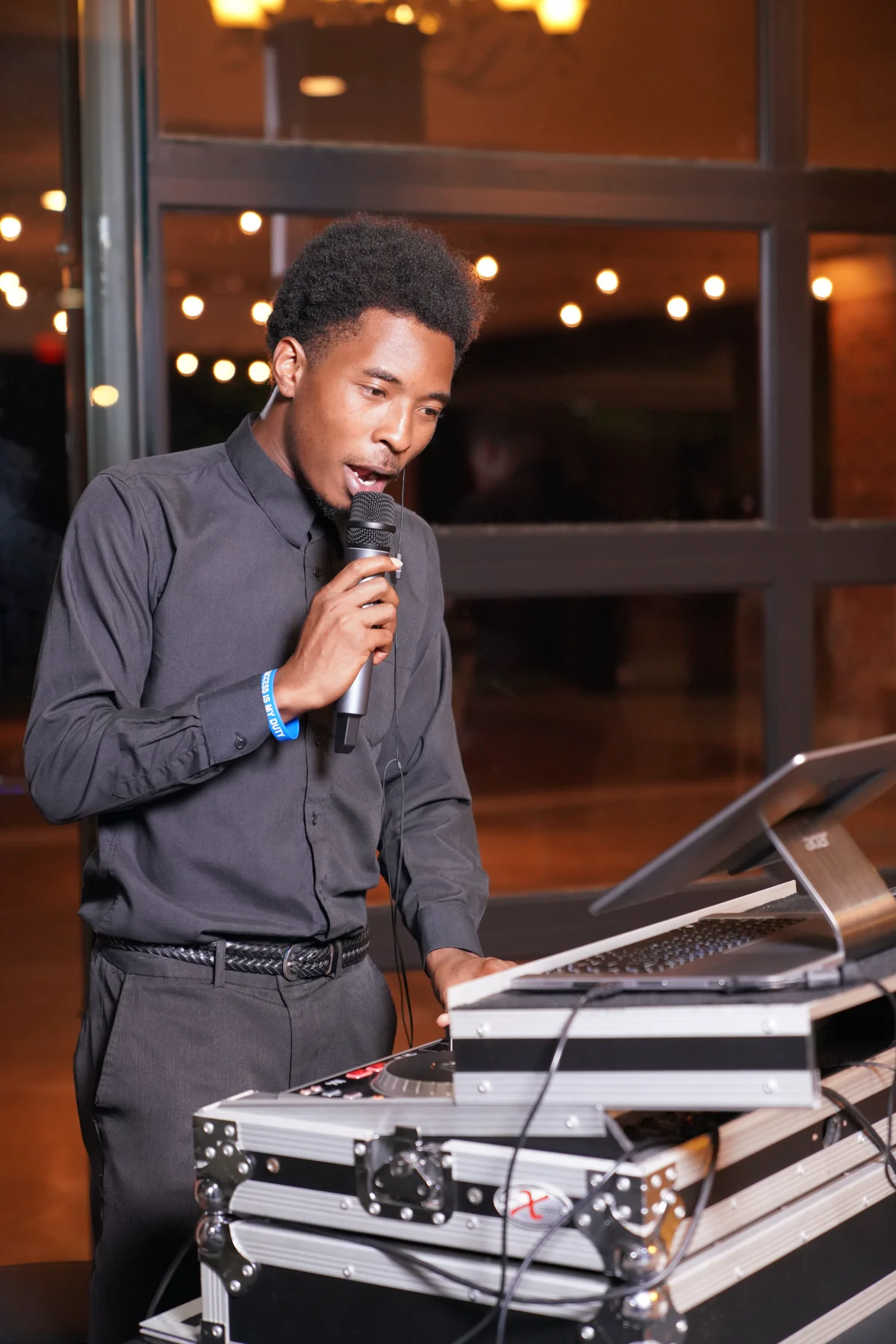
Before doors open, I review the run sheet with your team, check name pronunciations, and confirm cues with the AV crew. Nothing rattles a room like a mangled executive’s name, so I get those right first.
As guests arrive, I set the tone — a warm welcome, clear direction to seats, and the right background music to fill the room without drowning out conversation. First impressions land in the first ten minutes.
Through the program, I introduce each speaker with energy, keep the schedule on track, and cover any gaps if a presenter runs long or short. When something slips, I adjust on the mic so guests never feel the bump.
At the close, I land the night cleanly — a thank-you, a clear call to whatever’s next, and a smooth handoff into networking or an after-party. A strong finish is what people remember on the drive home.
That’s a full evening of steady work, most of it invisible. According to Harvard Business Review on setting clear expectations, the events that feel effortless are the ones where roles and cues were nailed down long before the doors opened.
How it differs from a wedding
Now here’s the part people ask about most: isn’t this just wedding hosting in a suit? Not quite. The two share DNA, but the goals are different, and that changes how you host.
A wedding is built on emotion. The pacing can breathe, the tone is personal, and a few happy tears are the point. A corporate event runs tighter. The tone stays polished, the schedule is firmer, and the room is often judging the company behind the event — so the host has to make the brand look sharp, not just have fun.
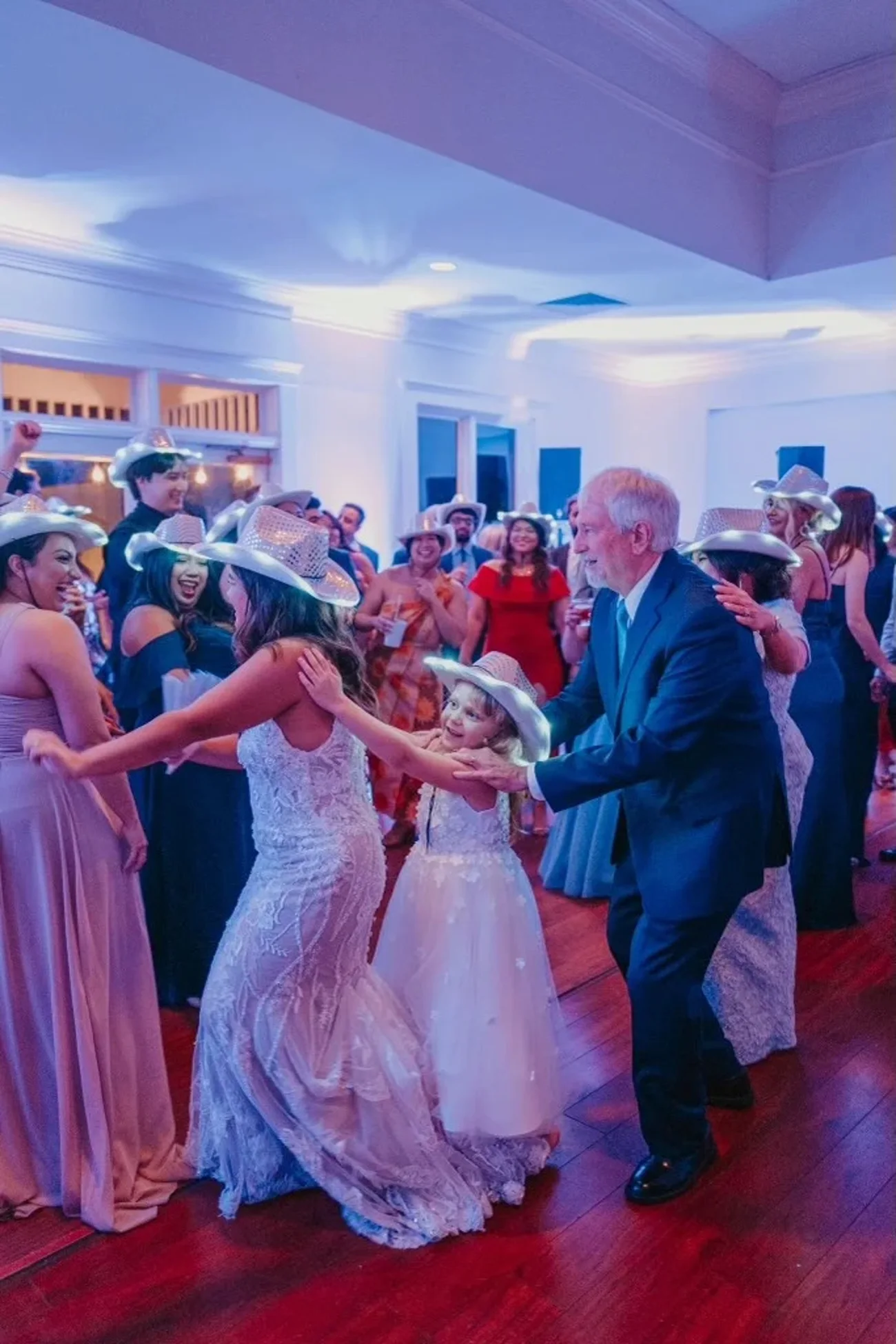
Energy works differently too. At a wedding, I’m building toward a packed dance floor. At a gala, I’m balancing energy with respect for the program — keeping the room engaged during a CEO’s speech is a different skill than filling a floor at 10 p.m. Both take a live read of the crowd, but the target is not the same. You can see how I handle the business side on my corporate and events page.
A wedding host makes the night feel personal. A corporate host makes the company look sharp. Same mic, different mission — and knowing the difference is the whole job.
Script versus improv
Corporate events lean on scripts more than weddings do, and for good reason. When you’re introducing sponsors, executives, and award winners, the exact wording matters. A title said wrong or a sponsor missed can be a real problem, so I stick to the approved copy for those beats.
But a script alone makes a night feel stiff. Here’s what a lot of planners miss: the best corporate emcees blend a tight script with live warmth. I’ll read the sponsor line exactly as written, then add a genuine, unscripted beat around it to keep the room human. That mix — precise where it counts, loose where it helps — is what keeps a formal night from feeling like a reading.
And when the schedule slips, which it always does, the script bends. A presenter runs ten minutes over, and I trim my own segments to claw the time back. The audience never sees the math. They just feel a night that stayed on track.
Key takeaway: A corporate emcee runs the whole flow of an event — prep, pacing, introductions, and a clean close — while keeping the company looking polished. It’s tighter and more scripted than a wedding, but it still lives or dies on a real-time read of the room.
Running an awards segment cleanly
Awards nights are where a good host really shows their value. This segment has a hundred small ways to go wrong: a name mispronounced, a winner caught off guard, dead air while someone crosses a long stage. Any of them can flatten the energy fast.
So I plan this part in detail. I get every winner’s name phonetically, I keep a bit of music or warm patter ready for the walk-up, and I keep introductions brief so the spotlight stays on the honoree, not the host. When a winner freezes at the mic, I step in gently to fill and hand it back — no one feels stranded.
The result is an awards run that feels celebratory instead of clunky. Winners feel honored, the room stays engaged, and your leadership looks like they run a tight, classy event. That’s exactly the impression a company wants its people and partners to leave with. Research from Harvard Business Review on employee recognition shows how much a well-run moment of praise sticks with people.
What to look for when you hire
So how do you pick the right host for your event? A few things separate a pro from someone who just owns a microphone. Look for these when you’re deciding.
Preparation. A real pro asks for your run sheet, your name list, and your goals well before the event. If they’re not asking questions, that’s a red flag. The homework is where the smoothness comes from.
Range. You want someone who can be crisp and formal for the awards, then warm and easy during the reception. A one-note host can’t carry a full evening. Ask how they’d handle both ends of the night.
Calm under pressure. Ask what they do when a speaker no-shows or the AV drops. Their answer tells you everything. A steady host treats problems as normal and solves them without breaking stride — and that calm is worth every dollar.
Booking one for your Novi event
Ready to line one up for your own event? Start early, and start with your goals. Are you honoring people, launching something, or thanking a team? The answer shapes how the night should feel, and a good host builds the whole flow around it.
Whether your event is at a hotel ballroom near Twelve Oaks or a conference space off Grand River, the fundamentals hold: a clear run sheet, a prepared host, and a real read on the room. Want more planning ideas across every kind of event? Browse more event tips, and my Novi event guide covers the local side in more detail.
At the end of the day, a corporate emcee is the difference between an event that merely happens and one your guests actually enjoy. The role is bigger than the mic — it’s the whole feel of the night. If you’d like to talk it through, you can meet your host and we’ll build a plan that makes your company shine.