Wedding Timeline Mistakes That Cause Dead Air
Most reception energy doesn’t die because the music is bad. It dies because of wedding timeline mistakes — those quiet, awkward gaps where nobody knows what’s happening and the room slowly drifts to the bar. The good news? Every one of these gaps is easy to fix once you know where they hide. Here are the timeline slip-ups I see most often, and exactly how we plan around them so your West Bloomfield reception never flatlines.
In this article
Why dead air kills a reception
Let’s define the enemy first. “Dead air” is any stretch where the party stops moving — no music that fits the moment, no clear next step, just guests looking around wondering what to do. It feels harmless in the moment. It isn’t.
Momentum at a wedding is fragile. Once people sit down, check their phones, or wander outside, it takes real work to pull them back. So the biggest wedding timeline mistakes aren’t dramatic disasters — they’re small gaps that quietly drain the room. Fix the gaps, and the energy takes care of itself.
Here’s the encouraging part: you don’t need a perfect, minute-by-minute military schedule. You just need a plan that flows, plus a DJ paying attention so nothing stalls. That combo is what keeps a floor full from dinner to last call.
The cocktail-hour-to-dinner gap
Here’s a classic. Cocktail hour ends, guests get invited to find their seats, and then… nothing happens for fifteen minutes while the couple finishes photos. The room goes quiet, the energy sags, and you’re starting dinner from a cold start.
The fix is simple: plan a bridge. I keep warm, upbeat music going as guests are seated, so there’s never silence between cocktail hour and the grand entrance. If photos are running behind — and they often do — I stretch that music smoothly instead of leaving a hole.
Timing the grand entrance matters too. Bring guests in, get them seated, then hit the entrance while the room is full and buzzing. Do it too early and half the tables are empty. Do it too late and the excitement’s already fizzled.
Dragging out dinner and speeches
Dinner is a natural low-energy stretch, and that’s fine — people need to eat and talk. The mistake is letting it sprawl with no shape. Six back-to-back toasts, a slideshow, and a long buffet line can turn a pleasant meal into an hour that quietly kills the party’s pulse.
So I help you cap the speeches, usually three to four heartfelt ones, and space them so they don’t all land at once. I also sync announcements with the kitchen, because calling everyone to attention two minutes before the entrée arrives just frustrates hungry guests. According to The Knot’s reception timeline guide, tight, well-placed toasts keep dinner feeling warm instead of endless.
The trick is to keep dinner cozy but moving, so when the plates clear, guests are relaxed and ready — not restless and checked out. A good rhythm here sets up everything that follows.
Most receptions don’t lose energy because the party was bad — they lose it in the quiet gaps nobody planned for. Close the gaps and the floor stays full on its own.
Key takeaway: Dead air almost always hides in the transitions — cocktail-to-dinner, dinner-to-dancing, and the end of the night. Plan a music bridge for each one and the momentum never breaks.
Sneaking off for sunset photos
Golden-hour photos are gorgeous, and I’d never tell you to skip them. But here’s what a lot of couples miss: if you both disappear for twenty-five minutes right when the dancing gets going, the floor cools off fast. The party follows the couple, and when the couple’s gone, so is the energy.
The fix is timing and communication. We schedule those photos during a natural lull — often the back half of dinner — so you’re not pulling yourselves away from a hot dance floor. And I keep a strong set running while you’re out, so the room stays warm and ready for your return.
When you walk back in, I’ll often drop a crowd favorite to snap the energy right back up. Little moves like that turn a risky gap into a non-event. Want the full playbook on how I map a day like this? My guide to how we run your day breaks it down piece by piece.
Stacking too many formalities in a row
First dance, parent dances, cake cutting, bouquet toss, garter, a special dance for the grandparents — each one is lovely. Stack them all back to back, though, and you’ve built a twenty-minute block where guests are just watching, not dancing. That’s a momentum killer disguised as tradition.
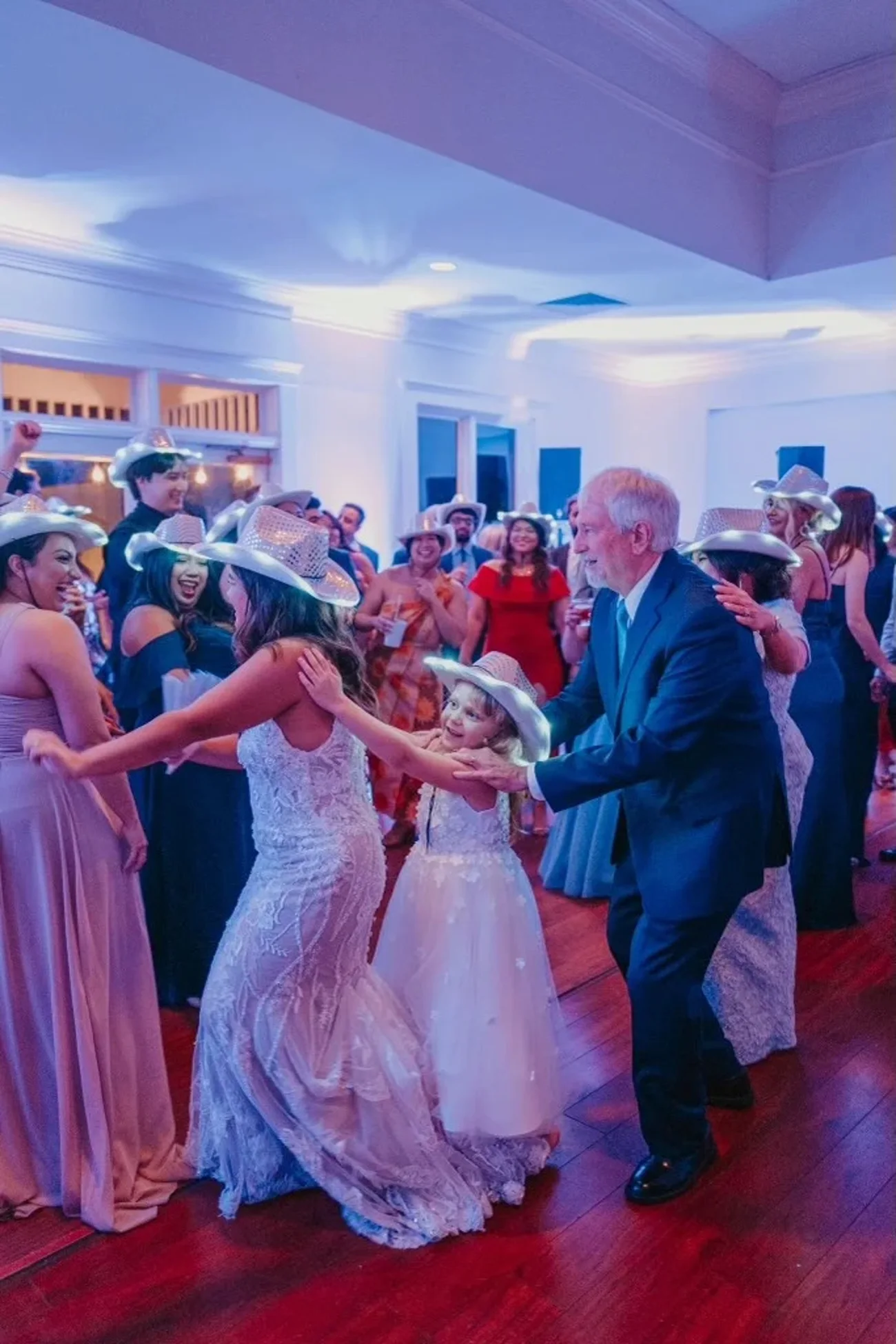
The better move is to spread the formalities out. I like to do the first dance and parent dances early, open the floor, then sprinkle the cake cutting and any fun extras between dance sets. That way every guest gets pulled back onto the floor instead of parked in a chair as a spectator.
We decide together which traditions you actually want, and which you’re fine skipping. Not every couple needs a garter toss, and cutting one or two extras can keep the night flowing. It’s your day — we build it around what matters to you.
Ending the night with no plan
The last twenty minutes deserve as much thought as the entrance, yet they’re often an afterthought. A vague ending — music just kind of trailing off while people drift out — leaves the night feeling like it fizzled instead of finished.
So we plan the closer. Maybe it’s a big sing-along everyone knows, a last-dance moment just for the two of you, or a sparkler send-off timed to the final song. Whatever it is, I build toward it so the energy peaks at the end instead of leaking away.
A strong finish is what guests remember on the drive home. It’s a small piece of planning that pays off big. If you want a sample framework to start from, Zola’s reception timeline template lays out a clean hour-by-hour shape. For more of these practical breakdowns, browse more planning tips on the blog anytime you’re mapping out your day.
How a DJ keeps the timeline tight
Here’s the honest truth: even a perfect paper timeline meets reality on the day, and reality always shifts. Photos run late, the kitchen speeds up, a toast goes long. The value of an experienced DJ is reading those changes live and adjusting so guests never feel a bump.
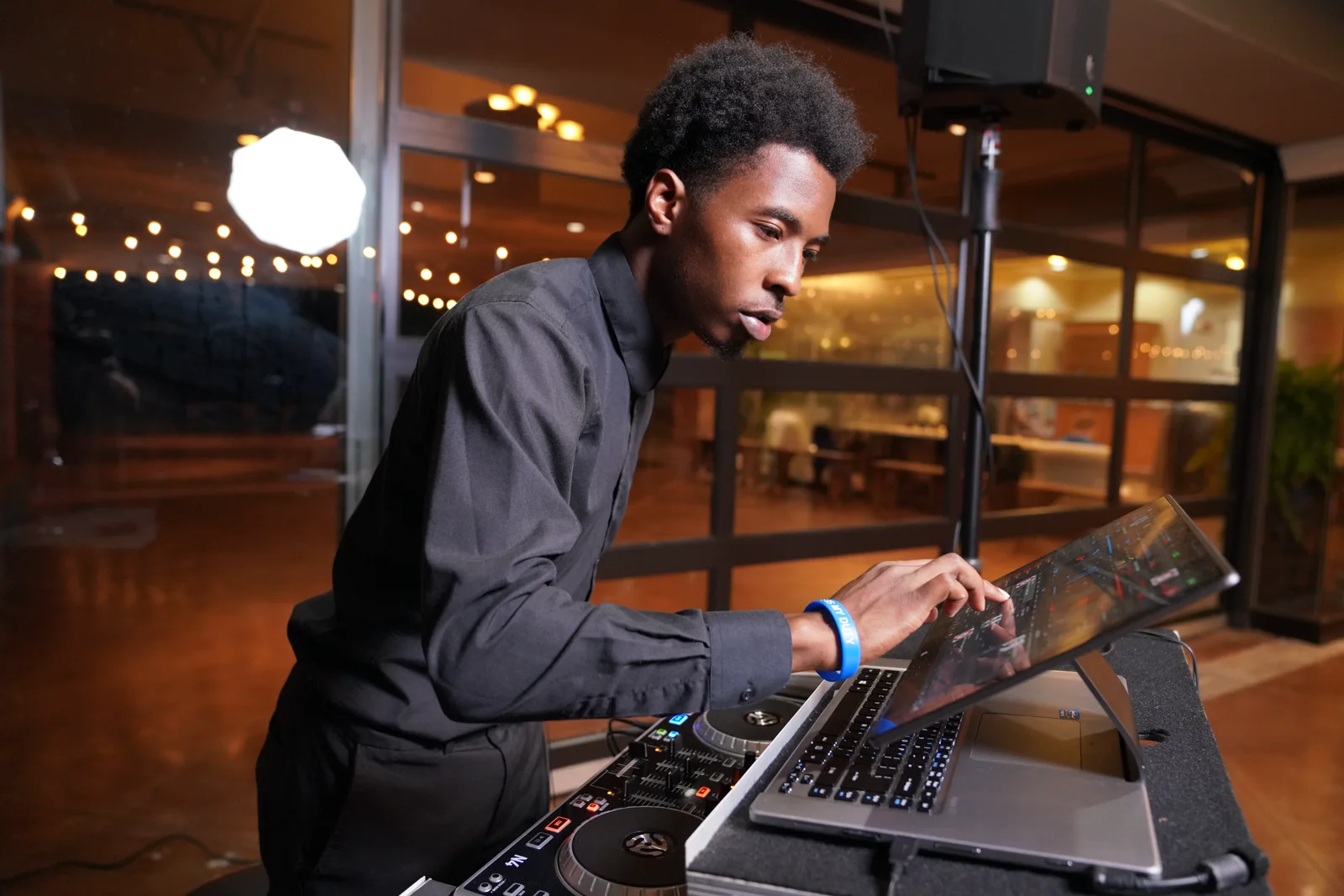
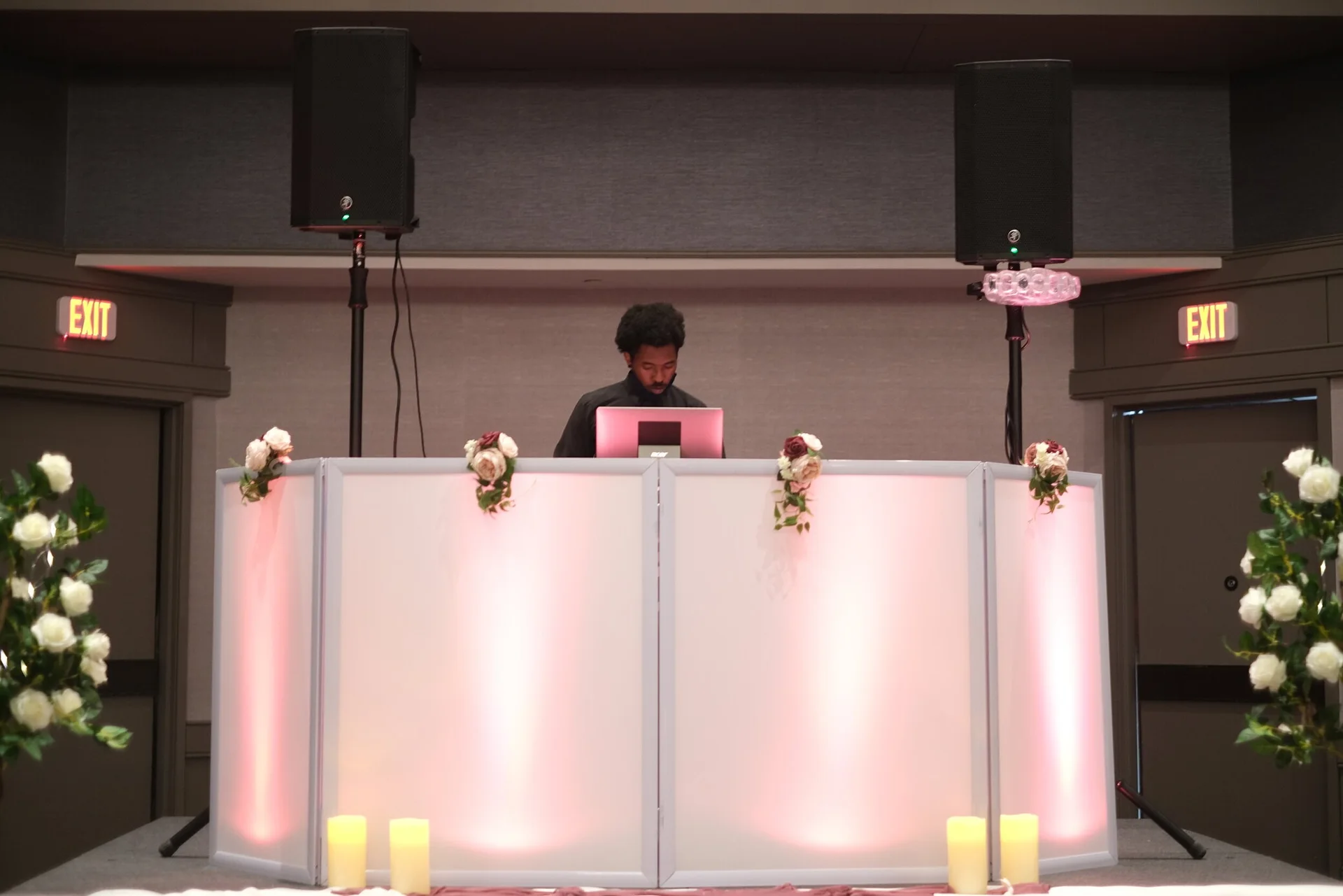
Because I only take one wedding a day, your timeline gets my full attention — I coordinate with your planner, photographer, and caterer ahead of time so we’re all on the same page. Then on the day, I watch the floor and slide pieces around as needed, keeping music flowing through every transition.
That’s really the whole job: protect the momentum, close the gaps, and make the night feel effortless. If you’re celebrating close to home, my West Bloomfield wedding guide covers local venues and details, and you can always meet your DJ before you book. Dates fill fast in wedding season, so if you have one in mind, let’s check it while it’s open.