Vendor Coordination: DJ, Venue and Caterer
Here’s a secret most couples never see on their wedding day: the reason a great reception feels effortless is vendor coordination happening quietly in the background. Your DJ, your venue manager, and your caterer are all working off the same clock. When that clock lines up, dinner lands hot, the toasts hit on time, and the dance floor opens right when the room is ready. When it doesn’t, you get long silences and a cake that comes out during the best song of the night. Let me walk you through how the whole team stays in sync — and why your DJ is usually the one holding it together.
In this article
Why vendor coordination makes or breaks the night
Think about the last wedding you went to that dragged. Chances are it wasn’t the food or the music. It was the gaps — the long, quiet stretches where nobody knew what came next. Those gaps almost always come from vendors who weren’t on the same page.
Good vendor coordination erases those gaps. When the DJ knows the caterer is two minutes from serving salads, the music shifts. When the venue needs the room flipped by a certain time, everyone plans backward from it. The result feels smooth to you, but it’s really just careful teamwork nobody in the crowd notices.
The flip side is rough. Picture the caterer clearing plates while the DJ is still waiting on a cue that never comes. Or the first dance starting before the photographer is back in the room. Small misses like these add up fast, and they’re the difference between a night that hums and one that stalls.
Why the DJ becomes the timeline captain
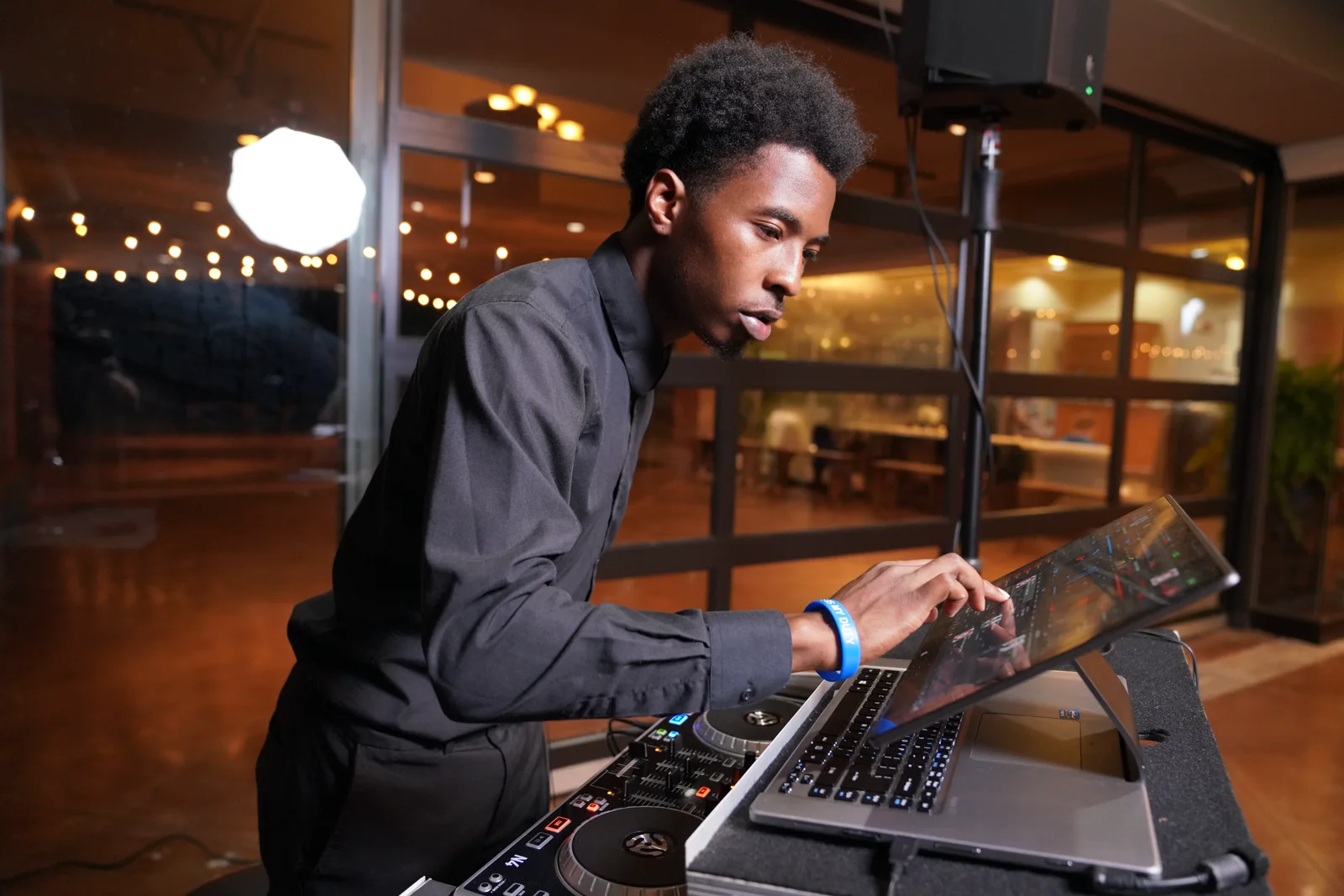
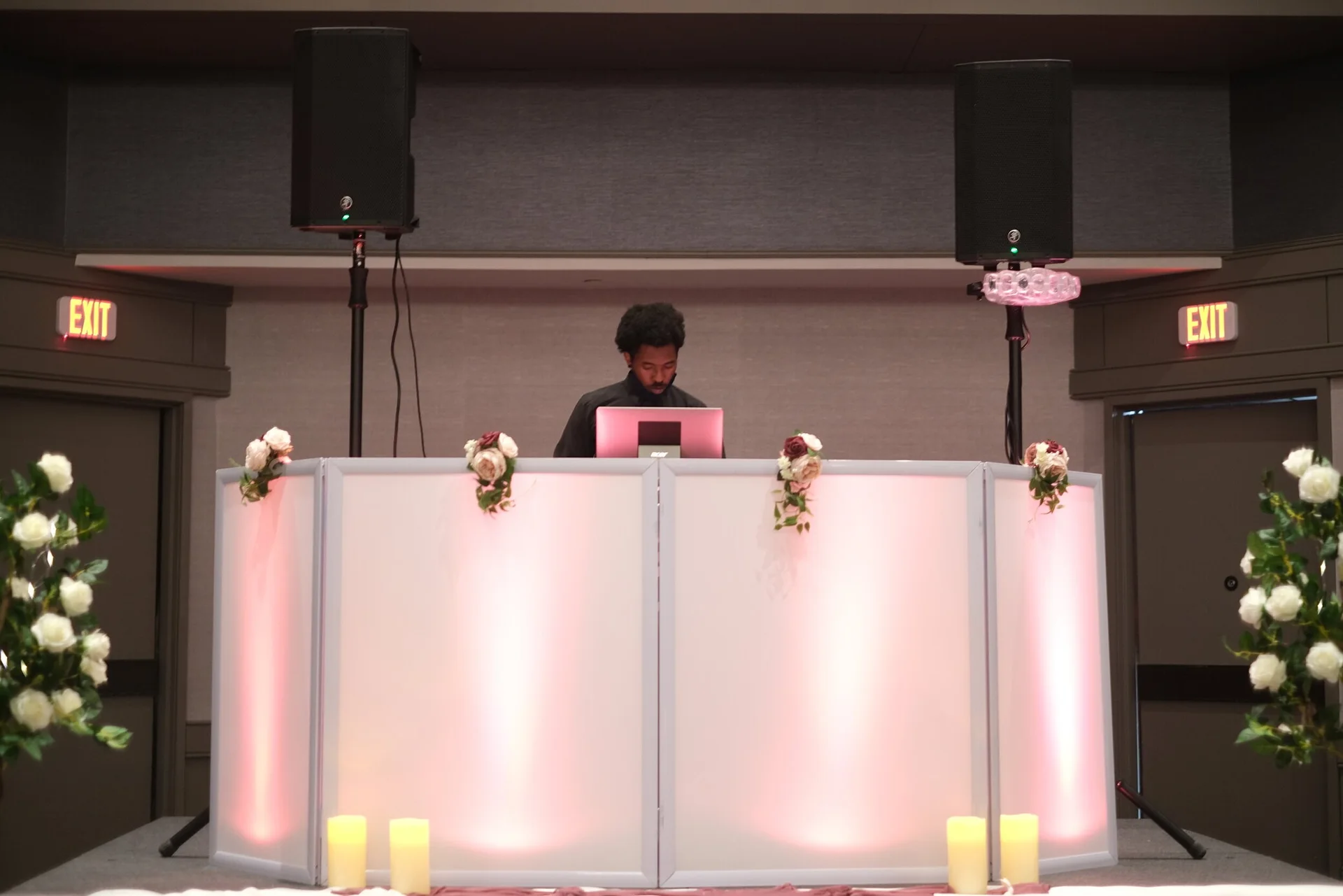
So who keeps everyone lined up? On most wedding days, it’s the DJ. We’re on the mic, we’re watching the room, and we’re the one voice every guest hears. That makes us the natural hub for the whole team.
Here’s how it plays out. Before your grand entrance, I check with the caterer that food is plated. Before toasts, I make sure your maid of honor has her drink and the photographer is set. Before the first dance, I catch the venue’s eye to dim the lights. Each cue is small, but strung together, they keep the night moving like clockwork.
A DJ who plans this well is worth their weight in gold. We’re not just picking songs — we’re the traffic cop for your timeline. If you want the full picture of how that works start to finish, our wedding entertainment services page breaks down the mic work, the planning, and the flow.
According to The Knot’s reception timeline guide, the couples who stress least on their day are the ones whose vendors shared one clear schedule. That’s the whole idea — one plan, everyone reading from it.
Syncing with the caterer on meal timing
Food and music are best friends when they’re timed right. The caterer needs to know when to start plating, and I need to know when to pause announcements so people can eat. When we sync up, dinner comes out hot and nobody’s talking over a mouthful of steak.
Here’s the rhythm I like. Salads go out as guests find their seats. I keep the music low and warm so people can chat. Then, right as plates clear, the caterer gives me a quiet nod, and I bring the energy back up for toasts or the next dance. It’s a simple handoff, but it only works if we talked first.
The buffet versus plated question matters too. A plated dinner runs on a tighter clock, so cues need to be sharp. A buffet is looser, but you still want music that pulls tables up in an order that doesn’t jam the line. Either way, a quick chat with the caterer beforehand saves a dozen little headaches later.
The best receptions aren’t run by one hero — they’re run by a team that agreed on the plan before a single guest walked in.
Key takeaway: Vendor coordination is really just three people agreeing on one timeline before the day starts. The DJ usually leads the cues, the caterer signals meal timing, and the venue sets the hard deadlines. Get those three talking early, and the whole night flows.
Working with the venue and its rules
Every venue has its own rulebook, and smart vendors respect it. Some have a hard music curfew. Some need the room cleared by a set time. Some have a house sound system I need to plug into instead of my own. None of it is a problem — as long as we know about it early.
Here’s what a lot of couples miss: the venue coordinator and your DJ are on the same team, not competing for control. A good venue manager knows the building, the power, and the timing better than anyone. I lean on that knowledge every time. When I arrive, my first stop is always the coordinator, so we’re aligned before the doors open.
Take a place like a downtown Royal Oak venue off Main Street. Parking, load-in, and curfew all shape the timeline. A DJ who’s played the room before already knows the quirks, but even on a first visit, one honest conversation with the venue clears up ninety percent of the surprises.
The one meeting that ties it all together
If there’s one thing I’d tell every couple, it’s this: get your key vendors on one timeline document a few weeks out. It doesn’t need to be fancy. It just needs to list what happens, and when, so everyone’s reading from the same page.
I build this with my couples during a planning call. We map the entrances, the toasts, the meal, the special dances, and the open-floor time. Then I share it with the venue and caterer so nobody’s guessing. That single sheet of paper is the quiet hero behind every smooth reception I’ve ever played.
The best part? Once it’s set, you get to forget about it. You’re not chasing vendors or watching the clock. You’re dancing with your grandmother while the team runs the plan in the background. That’s the payoff for doing the work up front — and it’s why our couples browse more wedding planning tips before the big day to get every piece lined up.
Common timing mistakes (and how to dodge them)
Let me save you some grief with the mix-ups I see most. First: skipping the vendor meeting. Couples assume everyone will “figure it out” on the day. They usually don’t, and that’s when gaps appear.
Second: cramming too much into the timeline. When you stack toasts, dances, and a slideshow back to back, one delay knocks the whole thing over. Leave a little breathing room between big moments, and the night bends instead of breaking.
Third: forgetting the photographer in the plan. Nothing stings like a first dance that starts while the photographer is grabbing a lens. I always confirm they’re in the room before I hit play. One quick glance saves a memory you can’t get back.
Last one, and it’s a big one: no single point of contact. If three vendors are each waiting for someone else to call the shot, you get silence. Pick one person — usually the DJ — to run the cues, and the whole team relaxes. According to WeddingWire’s planning experts, a clear point person is the single biggest predictor of a reception that stays on schedule.
Planning it for your Royal Oak wedding
So how do you pull this together for your own day? Start early, and keep it simple. Book vendors who are used to working as a team, then get them talking a few weeks out. That one habit does more for your night than any upgrade you could buy.
Whether you’re celebrating near downtown Royal Oak, out toward Woodward Avenue, or at a spot in greater Oakland County, the playbook is the same: one timeline, one point of contact, and honest conversations before the day. Do that, and your reception runs like it was rehearsed — even though it wasn’t.
At the end of it all, vendor coordination isn’t about control. It’s about giving you a night where you never have to think about logistics, because the team already handled them. If you’d like a hand building that plan, you can meet your DJ and we’ll map your timeline together. And if you’re just getting started, our Royal Oak wedding guide covers the whole day from ceremony to last call.