The Transition From Formalities to Party
Every reception has one moment that decides how the whole night goes. It’s the formalities to party pivot — the switch from the structured stuff (entrances, toasts, first dance, dinner) into the loud, sweaty, everyone-on-their-feet part people actually came for. Nail that pivot and the floor fills in seconds. Fumble it and you get that awkward stretch where the DJ is playing bangers and nobody’s dancing. I’ve built my whole approach around getting this one moment right, so let me show you exactly how it’s done.
In this article
What the big transition really is
Let’s define it clearly. The first half of your reception is scripted — grand entrance, welcome, first dance, parent dances, toasts, dinner. Everyone’s seated, and the mood is warm but calm. The second half is open dancing, wide open and loud. The formalities to party transition is the seam that stitches those two halves together.
Here’s why it deserves its own name. That seam is fragile. If there’s a gap — even 30 seconds of dead air or a limp song choice — the energy you built during toasts leaks right out of the room. People check their phones, head to the bar, or start saying goodbye. The trick is to pour the formal energy straight into the party with no spill.
Why this moment trips up so many weddings
So why do so many receptions stall right here? Usually it’s a hard stop. The last toast ends, the DJ says “okay, let’s dance,” and then… silence, while people wonder if it’s really time. That pause is a killer. Nobody wants to be the first one out there alone.
Another common miss is bad ordering. If dinner ends and there’s a long lull before dancing, the room cools down. By the time the music comes up, half your guests have mentally clocked out. The energy has to keep climbing, not dip and try to recover.
The third trap is DJs who wait for permission. They stand back hoping the crowd will just wander onto the floor. Real talk: crowds don’t self-start. Somebody has to give them a reason and a moment to move, and that somebody is your host on the mic.
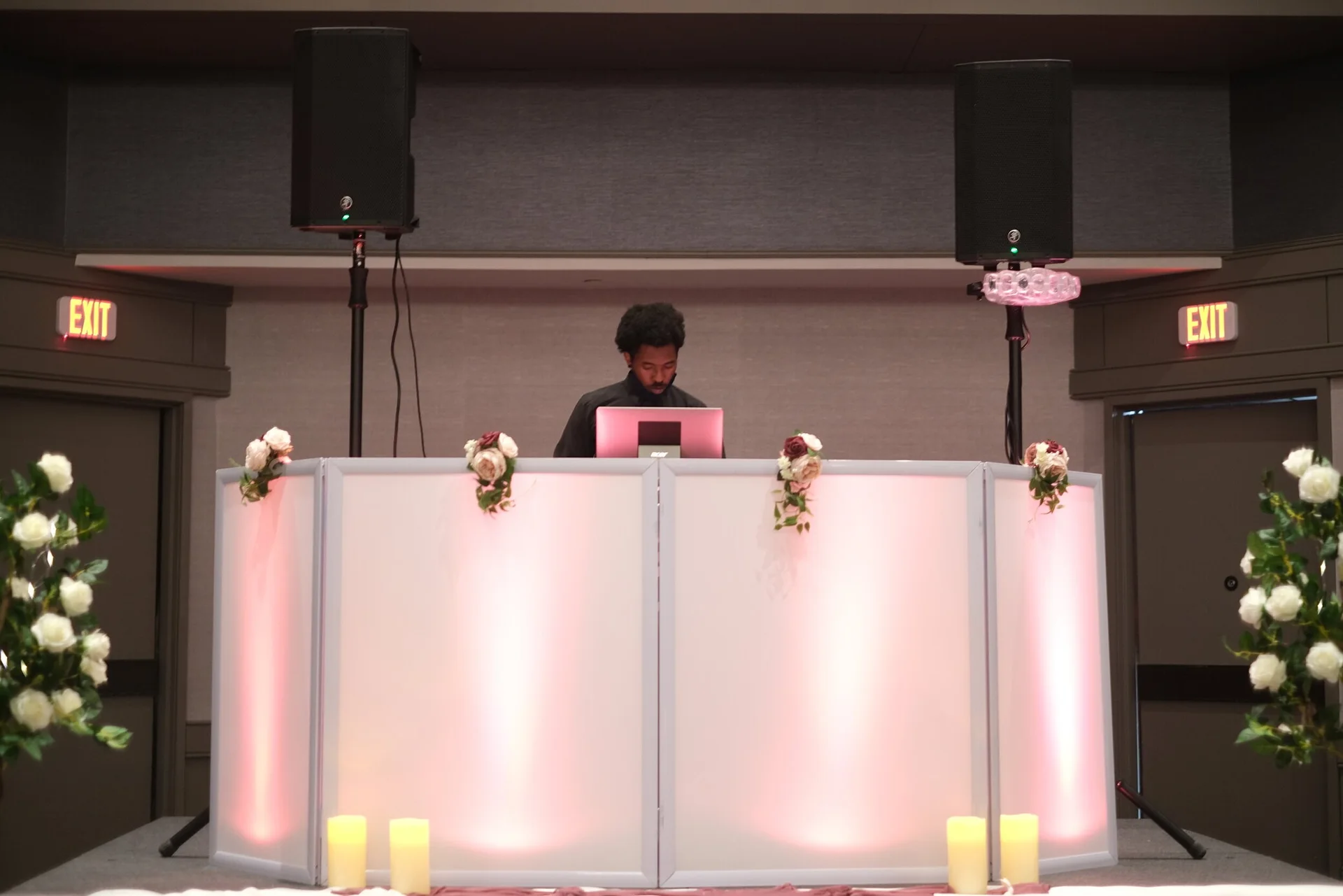
There’s also a lighting piece people forget. If the room stays bright and flat when dancing opens, guests feel like they’re on display. Dimming the house lights and bringing up color at the exact moment the floor opens tells the room, without a word, that it’s party time now. That visual cue does half the work of getting people up — it’s the same reason a concert dims the lights before the band walks out.
According to The Knot’s reception music research, the song that opens the floor matters as much as the first dance itself. Get that pick right and the pivot practically runs itself.
The bridge song that opens the floor
This is my secret weapon. I don’t just “start the dance set.” I plan one specific bridge song that pulls people up. It’s usually a crowd-wide anthem — something three generations all know and love. The kind of song where the whole room shouts the first line.
Here’s how the handoff works. The last formality wraps — say, the toasts. I keep the mic warm, invite everyone up “to get this party started,” and drop the bridge song right on that cue. No gap, no dead air. The music and the invitation land together, and suddenly the floor isn’t empty anymore.
The song choice depends on your crowd, and that’s the whole point — it’s built around your people, not a template. A younger group might pivot on a current hit. A multi-generation family might jump on a Motown classic that gets grandparents and cousins up at the same time. Either way, that first song does the heavy lifting. Our full wedding entertainment approach is built around picks like these.
The party doesn’t start when the music gets loud. It starts the second the right person says “come on up” — and the right song is already playing.
Key takeaway: The formalities-to-party transition works when there’s no gap. Order your formal moments so energy climbs, pick one bridge song the whole room knows, and pair it with a warm invitation on the mic. Do that, and the floor fills before the first chorus ends.
Ordering the formalities so the pivot lands
The order of your formal moments is a bigger deal than most couples realize. Done well, each one nudges the energy up a notch, so by the time dancing opens, the room is primed. Done poorly, you get peaks and valleys that leave the crowd confused about the vibe.
Here’s an order I love. Grand entrance to kick things off hot. First dance early, while the room is full and attentive. Toasts during or right after dinner, so nobody’s dancing on an empty stomach. Then parent dances that flow straight into the open floor. Each step feeds the next.
One flexible option: some couples do the first dance right at the grand entrance, then move it straight into a few upbeat songs before dinner. It’s a bold pivot, but it tells the room from minute one that this is a dancing wedding. There’s no single right answer — the best order is the one that fits your crowd and your venue’s timeline.
Reading the room in real time
Here’s what a lot of couples miss: no timeline survives contact with a real dance floor. The plan is a starting point, not a script carved in stone. A great DJ reads the room minute by minute and adjusts.
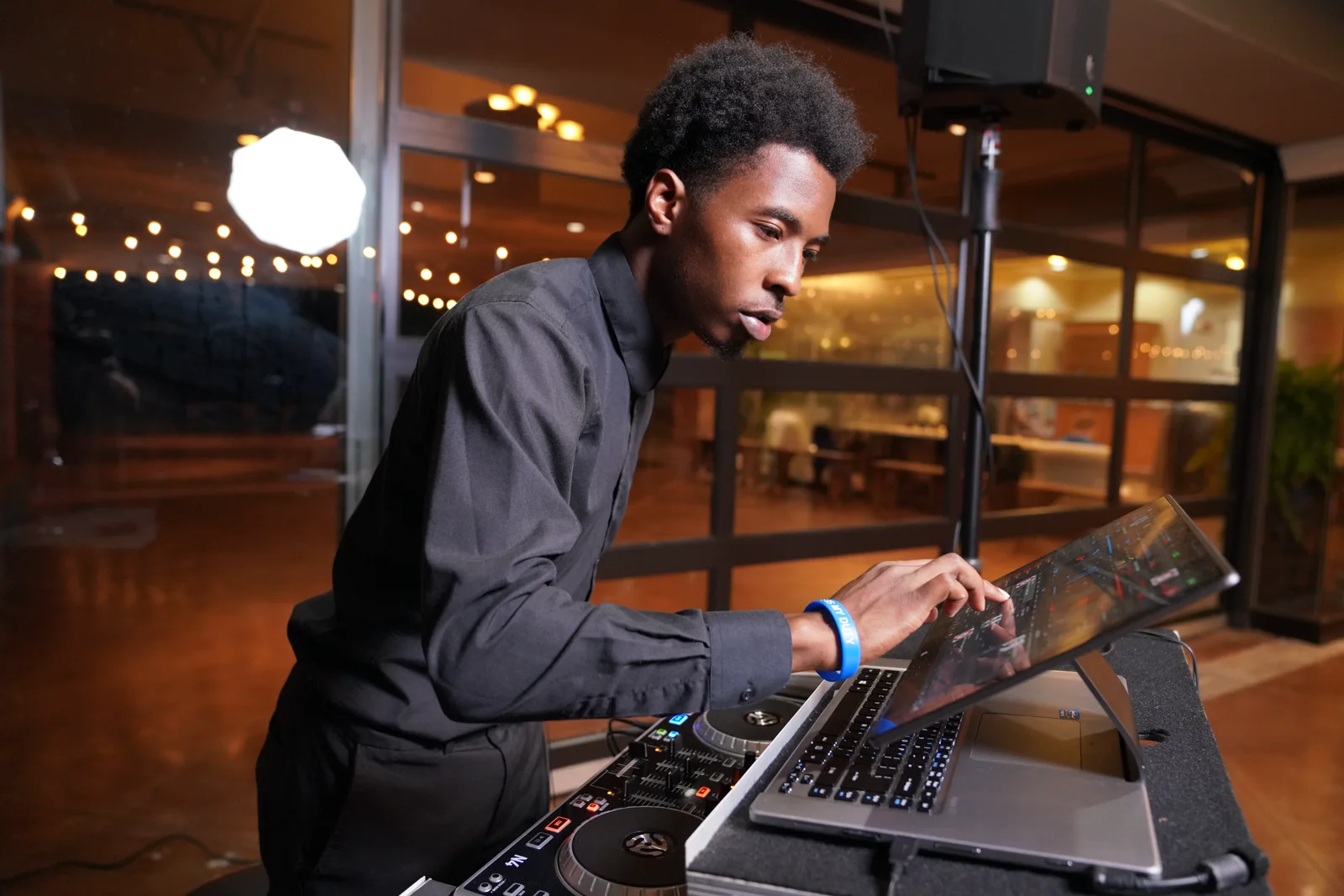
Say the toasts run long and the room’s a little sleepy. I might skip straight to the biggest floor-filler instead of easing in. Or say the crowd is already buzzing during dinner — then I open the floor a touch early and ride that wave. This is the part a phone playlist simply can’t do. It can’t feel the room shift.
That live read is the whole reason to hire a pro. I’m watching feet, faces, and the bar line the entire night. When I see the moment, I take it. If you want a sense of how I plan and then adapt, our couples pick up more reception planning tips before they ever book.
Here’s a small example of that read in action. At one reception, the plan had the parent dances right after toasts. But the toasts got emotional and the room was quiet and misty-eyed — not the mood to jump straight into an upbeat set. So I stretched a slow, warm song to let the room breathe, then eased the parent dances in, and only then hit the floor-filler. Same plan, better timing. That flexibility is exactly what turns a good night into one people remember.
Keeping the party going once it starts
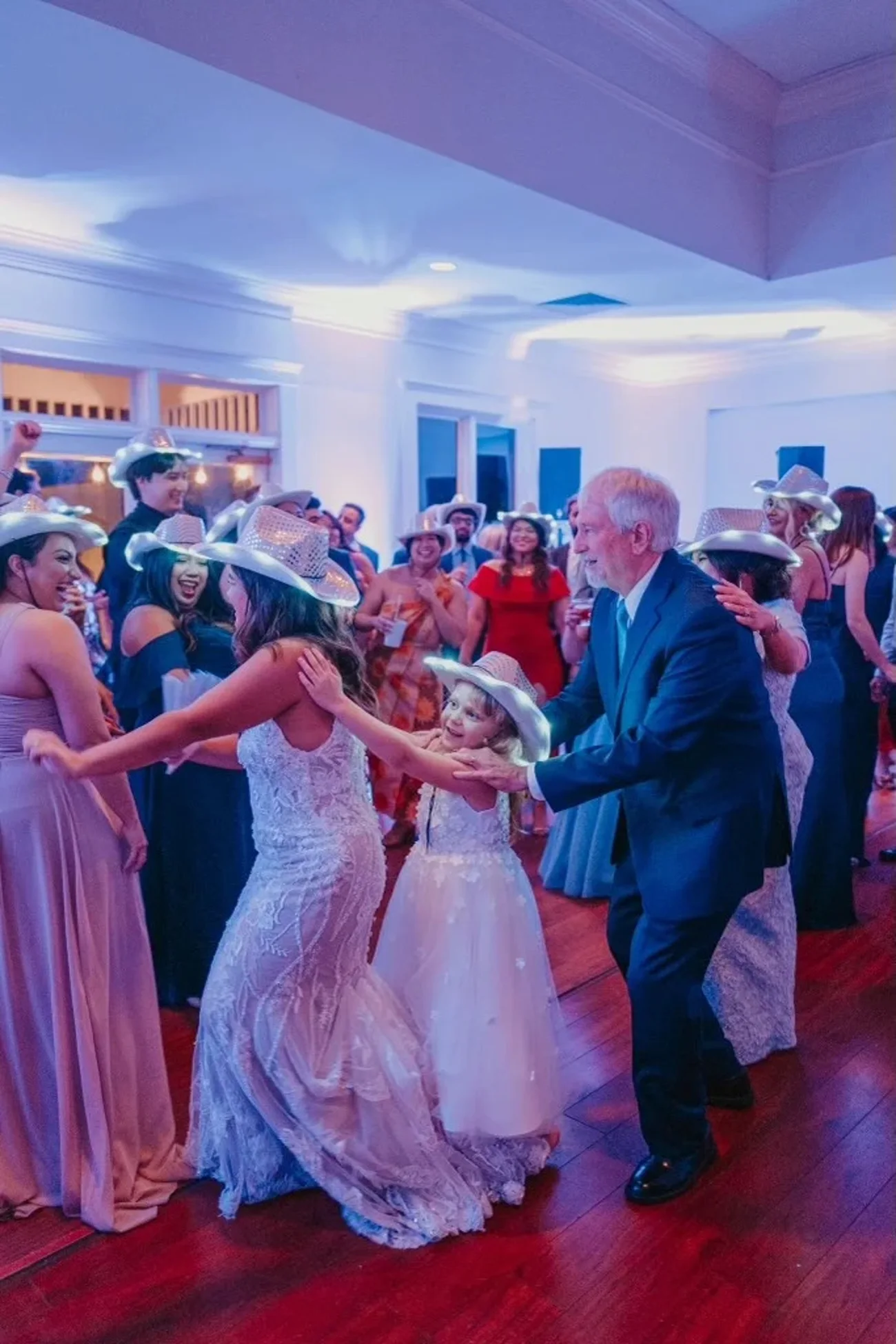
Opening the floor is only half the job. The other half is keeping it packed once you’ve got it. A lot of nights start strong and then fade because the DJ loses the thread after the first few songs.
My rule is simple: never give the crowd a reason to sit down. That means smart transitions between songs, no long slow stretches early, and reading when to drop a guaranteed hit if the energy dips. I space the sure-things out so I always have one in my back pocket for a lull.
I also mix eras and styles so nobody feels left out. A wedding crowd spans ages, and the goal is to keep everyone finding “their song” often enough to stay up. According to WeddingWire’s song data, the receptions guests rate highest are the ones that jump between decades instead of parking in one. Keep the room guessing, and they’ll keep dancing.
Planning it for your Shelby Township wedding
So how do you set this up for your own night? Start by talking through your must-dance songs and your crowd with your DJ. That conversation is where the pivot really gets built — long before the day itself.
Whether you’re celebrating near Stony Creek Metropark, out by the M-53 corridor, or at a banquet hall in greater Macomb County, the plan holds: order your formalities so energy climbs, pick a bridge song your whole room knows, and trust your DJ to read the moment and pull the trigger.
At the end of the day, this one transition is where a good wedding becomes a great one. It’s the difference guests talk about for years. If you’d like help mapping it out, you can meet your DJ and we’ll build your flow together. And for the bigger picture, our Shelby Township wedding guide covers the whole day start to finish.