Sweet 16 Party Games and Dance-Floor Hype
Great sweet 16 party games do one job: they keep teens on their feet and off their phones. That sounds simple, but anyone who’s thrown a party for sixteen-year-olds knows the truth — a quiet room full of arms-crossed teens can happen in a heartbeat. The good news? A handful of well-timed games and hype moments flips that fast. Here’s how to keep the birthday crowd dancing all night, and how a DJ runs the games so nobody feels put on the spot.
In this article
Why teens stall out (and how to fix it)
Teens want to have fun, but almost nobody wants to be the first one dancing. That’s the whole problem in one sentence. The floor stays empty not because they’re bored, but because being first feels like standing on a stage alone.
So the fix isn’t more begging on the mic — it’s giving them a reason to move that isn’t “dancing.” That’s exactly what good sweet 16 party games do. A game gives the crowd a shared excuse to stand up, laugh, and cluster together. Once they’re up and smiling, the shift into real dancing happens almost by itself.
Here’s the mindset that helps: think of games as the warm-up, not the main show. They lower the pressure and melt the ice, so the music can do the rest. Skip them and you’re asking shy sixteen-year-olds to be brave with no runway. Nobody should have to be that brave at a birthday party.
Sweet 16 party games that actually land
So what actually works with a teen crowd? A few games win almost every time, and none of them need a rulebook or a pile of props. Simple always beats complicated here.
The Coke & Pepsi dash. Split the room into two teams facing each other. On each call — “Coke!” “Pepsi!” — partners race to strike a pose or swap sides. It’s fast, silly, and gets the whole floor up and moving in under a minute. Teens love the chaos of it.
The birthday shout-out wall. Ahead of the party, friends text me a quick memory or inside joke about the birthday teen. I read a few on the mic through the night and let the room guess who wrote them. It’s sweet, it’s funny, and it keeps everyone tuned in.
The prize grab. Tape a number under a few chairs. Every so often I call one, and that guest wins a small prize — a gift card, candy, or a goofy trophy. It costs almost nothing and keeps the whole room paying attention. According to The Knot’s guide to reception games, the games people remember are the ones that pull the whole crowd in without singling anyone out.
Music games that build the hype
Now for my favorites, since I’m a DJ — the music games. These are pure gold, because the beat does half the work of building energy for you. They’re also the smoothest way to slide from “game time” straight into “everybody dancing.”
Name That Song. I play the first few seconds of a track and teams race to shout the title. Load it with songs blowing up on their feeds right now and watch the room erupt. You can track those on the Billboard Hot 100, which is basically a crowd-sourced cheat sheet for a teen party.
The freeze dance. Old-school, and it works every single time. Music plays, everyone dances, the beat cuts, and anyone still moving is out. It sounds like a little-kid game right up until sixteen-year-olds are diving to freeze mid-move, cracking up. It’s the fastest way to fill a floor I know.
The dance-circle spotlight. The crowd forms a ring, and volunteers jump in the middle for a few seconds of showing off. Short, loud, and volunteer-only — over before anyone gets self-conscious. It rolls right into a floor-filler with zero cool-down.
The best sweet 16 game isn’t really a game — it’s an excuse to get a whole room of teens standing and smiling right before the biggest song of the night drops.
Big hype moments to plan around
Beyond games, a couple of planned hype moments give the night a shape teens remember. These are the beats they’ll post about, so make them count — and keep them short.
Two that always land: the grand entrance and the birthday spotlight song. For the entrance, I hype the crowd and bring the birthday teen in to their favorite track — it sets the tone in ten seconds flat. Later, I pull the room into a circle for one song that’s all about them, then blend straight back into open dancing so the energy never dips.
Here’s what a lot of parents miss: you don’t need a dozen big moments. You need two or three, spaced out, with dancing in between. Cram in too many and the night starts to feel like a schedule instead of a party. Trust the gaps — that’s where teens actually let loose.
Key takeaway: The sweet 16 games that work include the whole room at once, avoid solo spotlights, and flow straight into music. Keep them short, keep prizes small, and let every game build toward a packed dance floor.
When to play games during the night
Timing makes or breaks a game. Play one too early and the room’s still filling up. Play one too late and you’re interrupting a packed floor — the worst mistake you can make. Read the room and let the energy tell you.
Here’s the rhythm I like for a sweet 16. One light game early, while people are still arriving and getting food, to break the ice. Then a music-based game right after the birthday moment, to bridge into open dancing. Two well-placed games beat six crammed in every time. The party pros over at Zola’s expert advice hub say the same — a few well-timed moments beat a jammed schedule.
And you don’t have to script it to the minute. If the floor’s already packed, skip the game and ride the wave. If it’s dragging, that’s your cue to drop one in. A live DJ feels that shift and adjusts on the spot — a phone playlist just keeps rolling whether the room’s with it or not.
How a DJ keeps it from getting awkward
This is where a pro earns their keep. The difference between a game that pops and one that dies is almost always the person running it. A confident host with a mic makes teens feel safe to play along. A nervous one makes the whole room squirm.
When I run sweet 16 party games, I keep the mic work quick and warm. One-sentence rules, a beat going underneath so there’s never dead air, and I never force a shy guest into the spotlight. Wave me off and I move right along with a smile — that respect is exactly why the quiet kids join in three songs later. If you want the full picture of how I run parties and private events, that page breaks down the sound, the mic, and the flow.
I also read faces the whole night. If a game’s landing, I stretch it a beat. If it’s fizzling, I wrap it fast and slide into the next song like it was always the plan. Nobody clocks the pivot — they just notice they’re having a great time. Want more of how I build a floor start to finish? My Detroit dance-floor playbook covers the whole flow.
Planning your Northville sweet 16
So how do you pull this together for your own night? Start with the birthday teen’s crowd. A close-knit group of school friends plays differently than a big mixed guest list, so match the games to the vibe. Ask the guest of honor what she’d actually enjoy — that answer is half the plan.
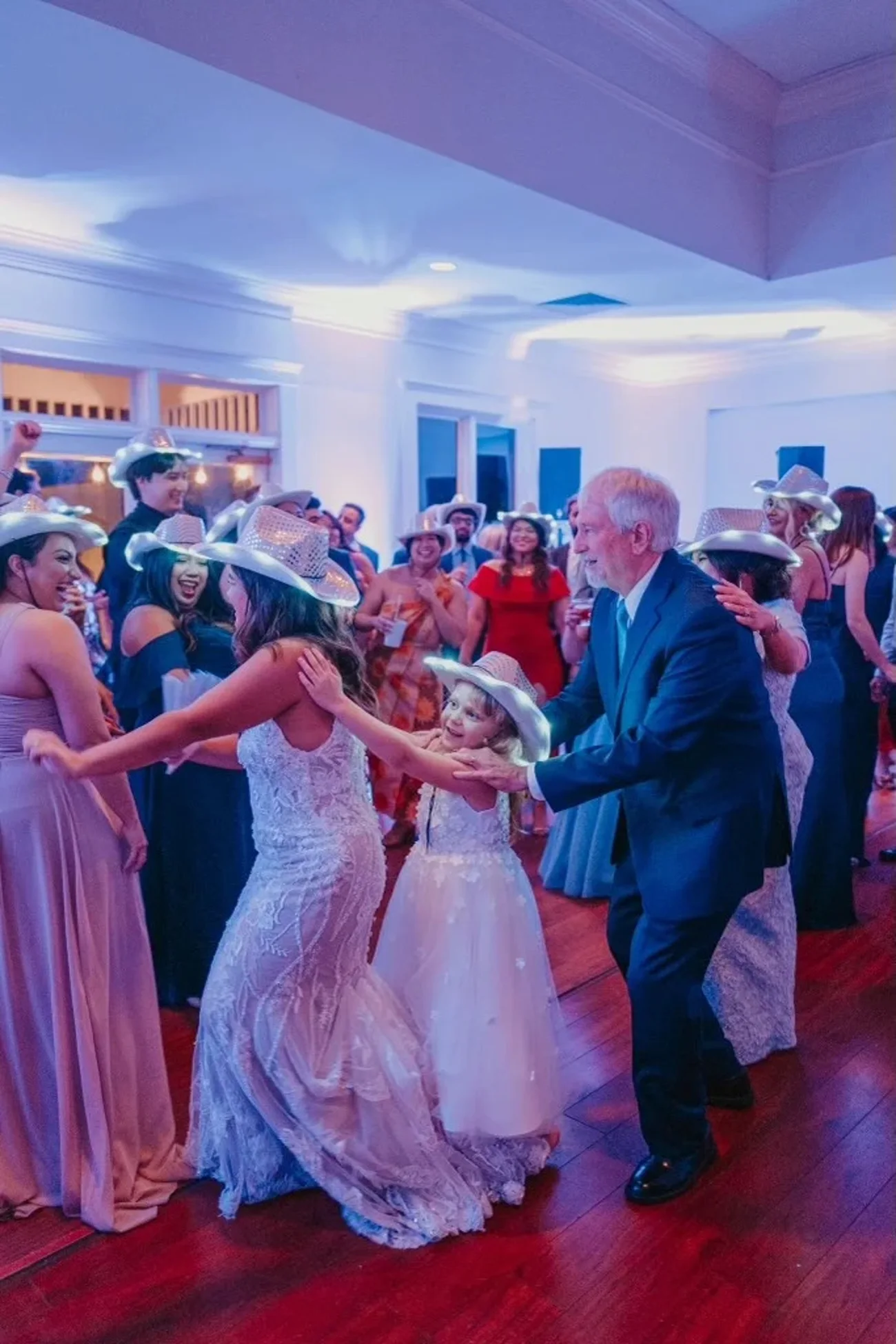
Then keep it simple. Pick two or three games, line up small prizes, and let your DJ run the rest live. Whether you’re celebrating downtown near Main Street, at a hall out by Sheldon Road, or in a big backyard, the same rules apply: include everyone, keep it short, and build toward the dance floor. Colored room lighting in her theme colors takes the whole thing up a notch, too.
At the end of the day, the goal isn’t the games. It’s a room full of teens too busy laughing and dancing to check their phones. That’s the win. If you’d like a hand making it happen, you can meet your DJ and we’ll build a plan around the birthday crowd. And if you want more ideas across every kind of celebration, browse more party tips whenever you like.