South Indian Wedding Music & Traditions
South Indian wedding music has a sound all its own — the bright call of the nadaswaram, the drive of the thavil drum, and reception playlists that swing from classic Tamil and Telugu hits to today’s dance-floor anthems. If your family roots trace to Chennai, Hyderabad, Bengaluru, or Kochi, your celebration deserves a DJ who honors those traditions and still packs the floor. Here’s how it all fits together, and how I plan it for couples across Troy and Metro Detroit.
In this article
How South Indian weddings sound different
If you grew up with North Indian weddings full of bhangra and dhol, a South Indian celebration will feel familiar and fresh at the same time. The rituals are often longer and more sacred, and the music leans on classical roots. So the vibe isn’t “party from minute one” — it builds, and the payoff is huge.
The signature sound is the nadaswaram, a reed instrument that fills a room, usually paired with the thavil drum. That live pairing carries the ceremony. Then the reception opens the doors to everything from beloved film songs to current hits. Good South Indian wedding music respects both worlds, so nobody feels like their favorite part got skipped.
That’s the real balance a couple wants. Honor the tradition your grandparents traveled to see, then give your friends the dance floor they showed up for. A DJ who understands both can do both without a hitch.
Ceremony music: nadaswaram and thavil
The ceremony is the heart of a South Indian wedding, and it’s usually where live music shines. Many families bring in a nadaswaram-and-thavil duo for the mandap rituals, because that sound is tied to the sacred moments — the kanyadaanam, the mangalsutra, the saptapadi steps around the fire.
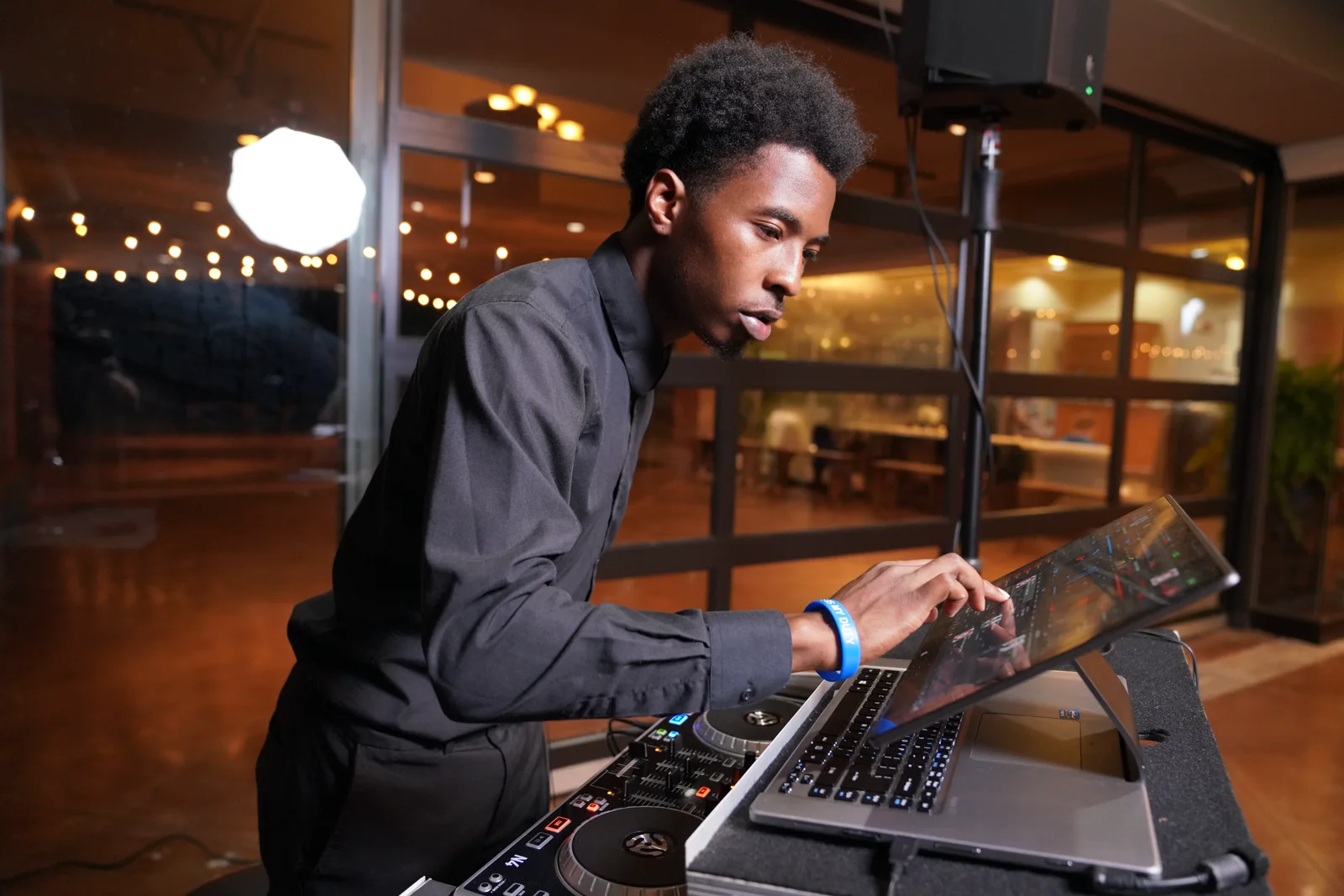
My role during the ceremony is often support, not spotlight. I make sure the live musicians are heard clearly, handle any recorded shlokas or family requests, and keep mics ready for the priest and the emcee. When live players and a DJ work together, the sound has to be balanced so neither one gets buried. I sort that out with them ahead of time.
Here’s a small thing that matters a lot: timing the transitions between rituals so there’s never dead silence. A ceremony can run long, and quiet gaps make guests restless. So I keep gentle music ready to bridge those pauses without stepping on the sacred moments. The Knot’s overview of Indian wedding traditions is a helpful primer if your guests are new to the customs.
Tamil, Telugu, Kannada and Malayalam flavors
“South Indian” isn’t one single playlist — it’s at least four rich film-music worlds, and the difference matters to your guests. A Tamil crowd lights up for a different set than a Telugu one, and a Malayali family has its own favorites entirely. So I ask early which languages and regions matter most to you.
Tamil weddings often want the big Ilaiyaraaja and A.R. Rahman classics alongside current Kollywood hits. Telugu families frequently ask for Tollywood dance numbers that get the whole room moving. Kannada and Malayalam couples have their own must-plays too, and mixing them thoughtfully makes every side of the family feel seen.
The mistake to avoid is treating it all as interchangeable. When I build your set, I lean into your specific background instead of a generic “Bollywood” playlist. That attention is what makes aunties come up to the booth smiling — they heard their song, not just an Indian song.
South Indian wedding music isn’t one playlist — it’s Tamil, Telugu, Kannada, and Malayalam worlds, each with its own anthems. Knowing the difference is how you make every family feel at home.
Key takeaway: Ask your DJ to build around your specific region and language, not a one-size-fits-all “Indian” set. The right Tamil, Telugu, Kannada, or Malayalam hits are what make guests feel truly celebrated.
Reception music: classics meet the dance floor
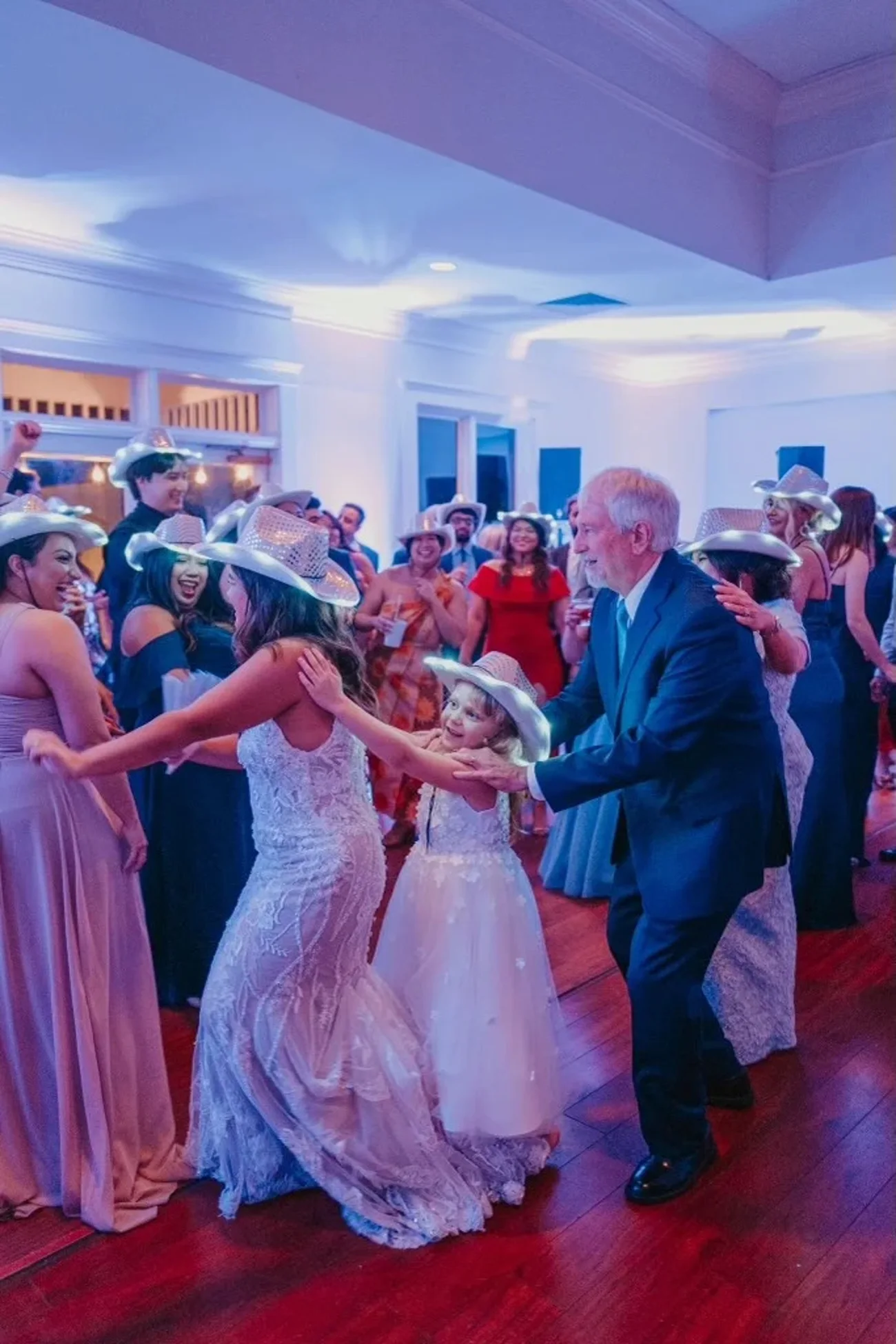
Once the rituals wrap and dinner winds down, the reception is where the party opens up. This is my favorite stretch, because it’s where tradition and modern energy shake hands. I usually start with beloved film classics the whole family knows, then build toward the current hits and dance tracks.
A smart reception set mixes eras on purpose. Older film songs pull the parents and grandparents up first. Then Tollywood and Kollywood dance numbers get the cousins moving. From there, I fold in the global pop and hip-hop your friends are waiting for, so the floor never thins out. If you want the full picture of how I structure a reception from entrance to last song, my guide to how we run your day walks through every beat.
Requests are part of the fun here. South Indian weddings tend to have a lot of them, and I welcome it — but I filter through your do-not-play list first, so nothing lands that you didn’t want. It stays your night, not a free-for-all. If you’re still shaping the flow, Zola’s Indian wedding timeline guide is a helpful reference for the bigger picture.
Keeping every generation dancing
Here’s what a lot of couples miss: a South Indian wedding guest list can span four generations, and they all came to celebrate. The challenge is keeping grandparents, parents, and twenty-somethings on the floor without losing anyone. The gift is that when it clicks, the energy is unreal.
The way I do it is by reading the room live and weaving eras together. When the older crowd starts drifting to their tables, I drop a classic that pulls them right back. When the energy spikes with the younger group, I ride it. A locked playlist can’t react like that — a DJ watching the floor can.
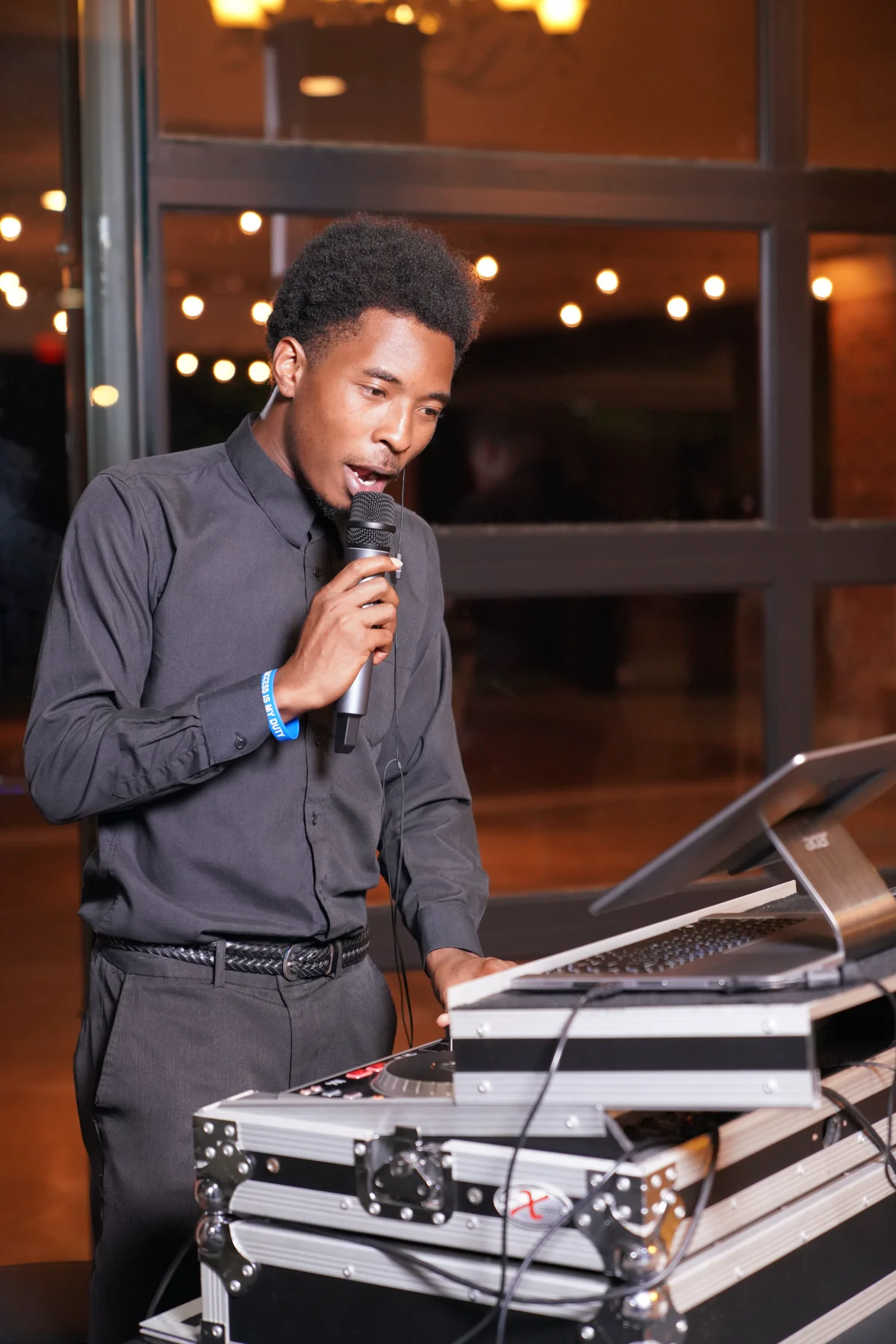
I also keep the emcee work clear and bilingual when it helps, so announcements land for every part of the family. When Grandma understands the introduction and the cousins hear their jam back to back, the whole room feels like one party instead of two.
Sound, mics, and the little details
This is the unglamorous stuff that quietly makes or breaks the night. South Indian ceremonies often need careful sound because of the live instruments and the priest’s chanting, and receptions need a system sized to the hall so the back tables aren’t left out.
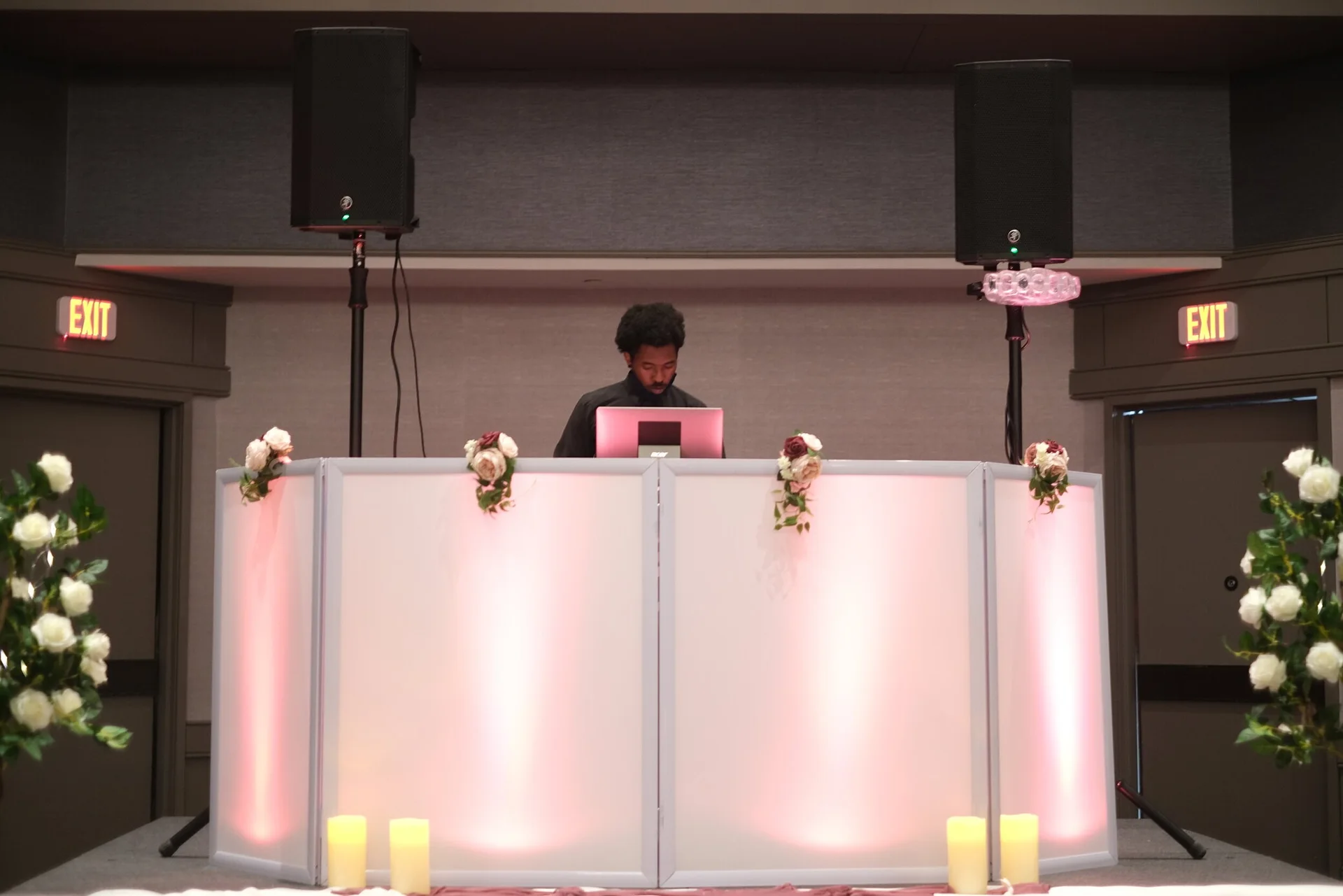
So I set up early and tune the room to the actual space, not a guess. Wireless mics for the priest, the emcee, and the toasts — with tested backups, because a dead mic during a blessing is the one thing you can’t redo. Coordination with any live musicians happens before your date, never on the fly.
Because I only take one wedding a day, your timeline gets my full focus. No rushed setup squeezed between other events, and full breakdown at the end so you never touch a cable. For more planning help, browse more wedding tips on the blog anytime.
Planning your music with your DJ
Every South Indian family celebrates a little differently, and that’s exactly why we plan together. You tell me your region and languages, your must-plays, the ceremony moments that matter, and your absolute no-list. Then I build the framework and fill the gaps live on the day.
We’ll also sort out the live-musician handoffs, the emcee language mix, and how much of the reception you want traditional versus modern. That prep is what makes the night feel effortless, like it was built just for your people — because it was. If you’re celebrating close to home, my Troy wedding guide covers local venues and details, and you can always meet your DJ before you book.
Dates fill fast in wedding season, especially the popular weekends. So if you have a date in mind for your South Indian celebration, let’s check it while it’s still open and start shaping the music that’ll have every generation on the floor.