
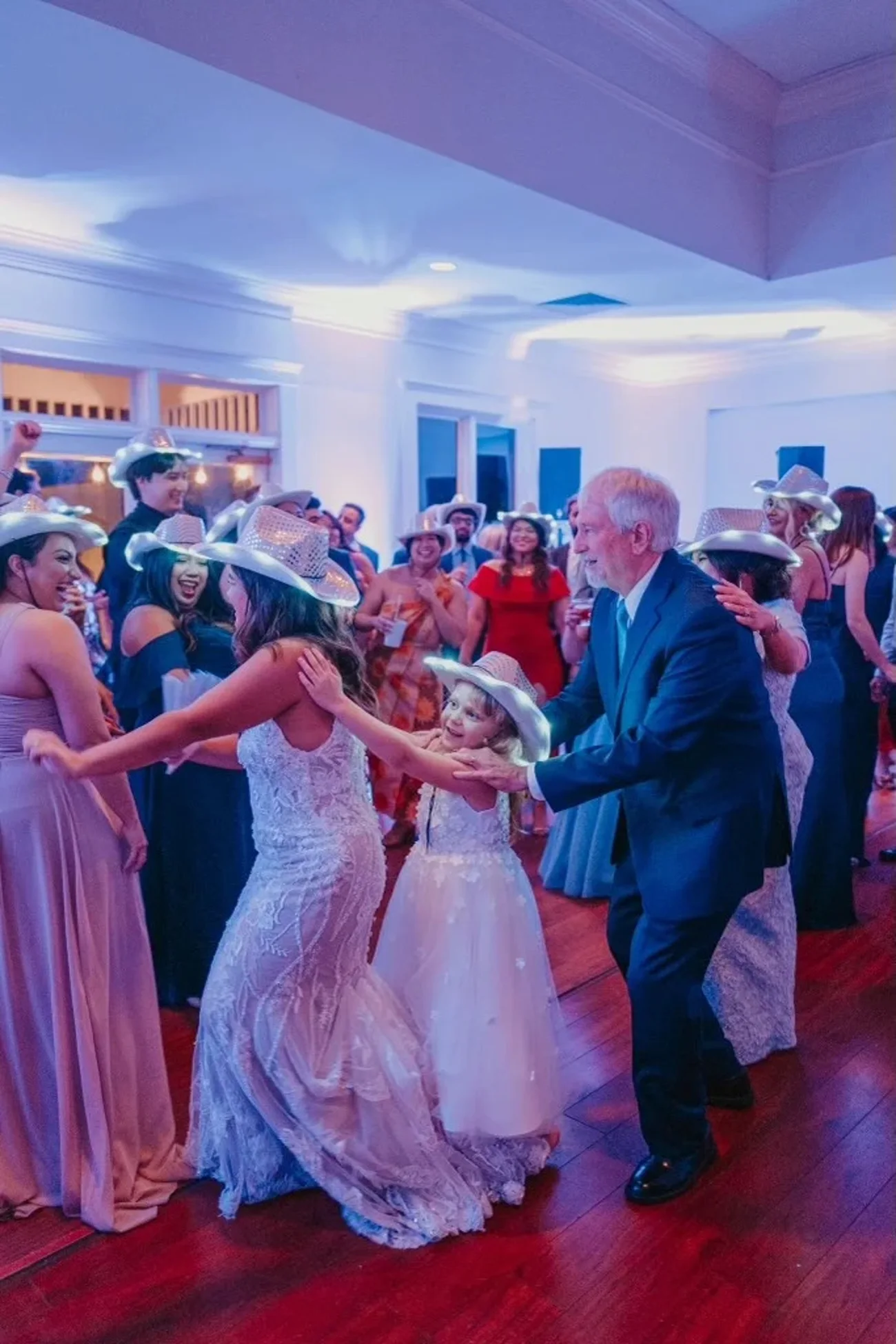
Sizing a Sound System to Your Guest Count
Picking the right sound system size is one of those things nobody thinks about until the music sounds thin or, worse, way too loud for grandma’s table. The truth is simple: the number of guests and the shape of your room decide how much speaker power you actually need. Too little, and the back of the room can’t hear a word. Too much, and you rattle the walls. So let’s break down how to match the gear to your crowd, room, and vibe — no engineering degree required.
In this article
Why speaker power even matters
Let’s start with the basic idea. A speaker’s job is to fill a space evenly, so the couple slow-dancing in the middle hears the same clean sound as the aunt way in the back corner. When the sound system size is wrong, that even coverage falls apart fast.
Here’s the part people miss: loud and clear are not the same thing. A small speaker cranked to its limit gets loud, sure, but it also gets harsh and muddy. You lose the punch in the bass and the crispness in the vocals. So the goal isn’t just volume — it’s headroom, meaning power to spare so the system never has to strain.
Think of it like a car engine. You don’t want to redline it just to keep up on the highway. You want enough under the hood to cruise easy. Speakers work the same way. Give them room to breathe, and every song lands full and clean all night.
There’s a comfort side to this too. Clean sound at a sensible volume feels good for hours, while a strained system wears people out and pushes them off the floor. So the right rig doesn’t just sound better — it keeps your guests dancing longer. That’s the quiet win most people never connect back to the speakers.
Matching power to your guest count
Now for the useful part. Guest count is your first clue, and it gives you a rough starting point before anything else. Here’s the shorthand I use after years of running rooms across metro Detroit.
Up to 75 guests. A single pair of powered speakers handles this beautifully. Think an intimate reception at a downtown Royal Oak loft or a backyard on a summer night. Clean, simple, plenty of punch.
75 to 150 guests. Now you want a bigger main pair, and often a subwoofer to keep the low end tight when the floor fills up. This is the most common wedding size, and it’s the sweet spot for a real dance party.
150 to 300 guests. Here you add more speakers spread around the room, so the sound reaches every corner without blasting the front tables. This is where a pro setup really earns its keep.
These aren’t hard rules — they’re a launch pad. The next few factors can shift a 120-guest party up or down a notch, so keep reading before you lock anything in.
The room changes everything
Two parties with the same guest count can need totally different setups. Why? The room. A space with high ceilings, hard floors, and brick walls bounces sound around like a racquetball court. A carpeted ballroom with drapes soaks it up instead.
Hard, echoey rooms actually need less raw power but smarter placement, because the walls do some of the work — and they can muddy your vocals if you’re not careful. Soft, absorbent rooms need a touch more power to push sound through all that fabric and warm bodies. Speaking of which, people themselves absorb sound, so a packed floor eats volume a half-empty room doesn’t.
Ceiling height matters too. A tall, open space lets sound spread up and away, so you aim speakers to cover people, not the rafters. That’s the kind of read a live pro makes on the spot when they walk your venue. According to The Knot’s DJ planning guide, matching gear to the specific space is one of the biggest things that separates a smooth night from a rough one.
Loud and clear aren’t the same thing. The goal is power to spare, so the system cruises all night instead of straining at the finish line.
Indoor vs. outdoor sound
Outdoor events flip the math. Inside, walls and ceilings reflect sound back toward your guests, so you get help for free. Outside, that sound just floats off into the sky and never comes back.
That means an outdoor party of 100 often needs the same power as an indoor party of 150 or more. Open air simply swallows volume. So if you’re dreaming of a ceremony in a Royal Oak park or a reception under a tent, plan for extra muscle — and extra speakers near the ceremony spot so vows carry over any breeze.
Wind and distance are the sneaky villains here. A gust can carry your first dance halfway to the parking lot. The fix is placing speakers closer to the crowd and pointing them right where people sit, not blasting across an open field and hoping for the best.
One more outdoor tip: keep a plan for shade and power. Summer heat and long extension runs can both cause trouble, so a pro scouts the outlets and the sun angle before setting up. Planning tools like Zola’s guide to hiring a wedding DJ put “visit the space first” near the top of the list — and for outdoor sound, that walk-through matters even more.
Key takeaway: Start with guest count, then adjust for the room. Hard rooms need smart placement over raw power, packed floors and outdoor spaces need more, and headroom beats sheer volume every single time.
Do you really need subwoofers?
Here’s what a lot of couples miss when they picture their reception: the thing that makes a dance floor feel alive isn’t the treble — it’s the low end you feel in your chest. That’s the subwoofer’s whole job.
For a cocktail hour or a dinner with soft background music, you honestly don’t need one. But the second you want a real dance party, a sub changes the game. It takes the bass load off your main speakers, which frees them up to keep vocals crisp while the low end thumps. Everything gets cleaner and bigger at once.
Do you need two subs? For most weddings under 200 guests, one well-placed sub does plenty. Bigger crowds or long, narrow rooms might want a pair to spread the punch evenly. It’s less about “more is better” and more about matching the feel you want to the space you’re in.
Placement is the other half of the sub story. A subwoofer tucked into a corner or against a wall actually gets a natural boost from the room, so a smart DJ uses that instead of fighting it. Little choices like that let one sub feel like two, which keeps your setup simple and your floor thumping.
Common sizing mistakes to skip
Let me save you some headaches. The most common mistake I see is renting one small speaker for a big room and hoping for the best. It never works — the front row gets blasted while the back row strains to hear the toast.
The opposite mistake happens too: hauling in a stadium-sized rig for 60 guests in a cozy room. Now you can’t turn it up without shaking the china, so all that power just sits there unused. Bigger isn’t automatically better; right-sized is better.
Another slip is forgetting about speeches. Your dance-floor volume and your toast volume are two different worlds, and a good system handles both without a scramble. If you want the full rundown on how the gear and the mic work together, my wedding DJ services page walks through exactly what shows up and how it’s set. And if you’d like more planning help, browse more wedding tips anytime.
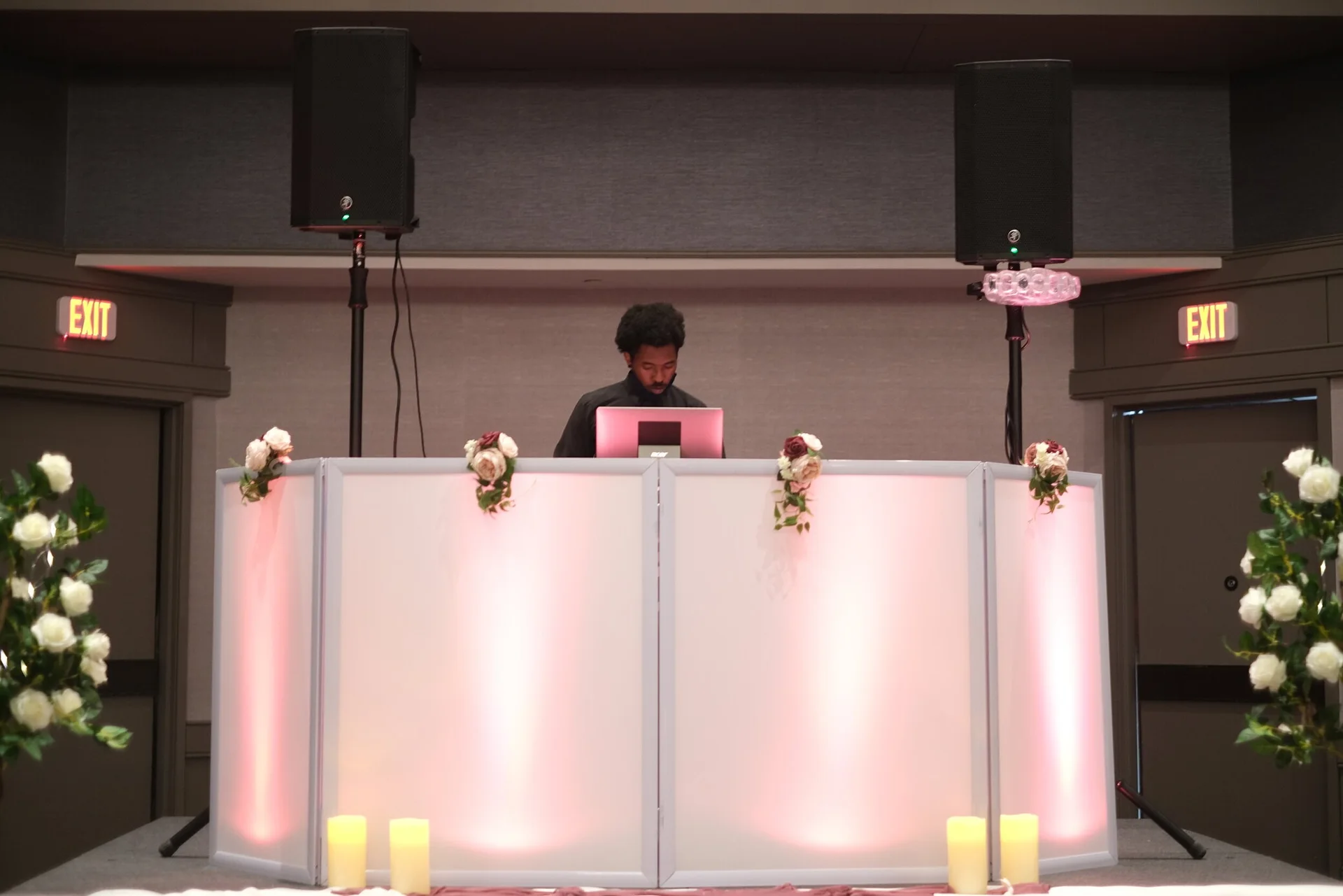
Planning it for your Royal Oak event
So how do you pull this together? Start by telling your DJ two things: your guest count and your venue. That alone gets you most of the way to the right sound system size. From there, a quick chat about the room, the floor plan, and whether you’re inside or out fills in the rest.
Whether you’re celebrating near Main Street, out by the Royal Oak Farmers Market, or in a tented backyard off Woodward, the same logic holds: match the power to the people and the space, and leave a little headroom. Get that right and nobody ever thinks about the speakers — they just dance.
It also helps to share your rough timeline. A cocktail hour, a dinner, and a dance party each want different volume, so knowing the flow lets your DJ set levels that fit each stretch. That way the toasts stay gentle, the dinner music stays easy to talk over, and the dance set still hits hard when it’s time. One system, dialed in for the whole night.
If you want a system dialed in for your exact room, take a look at my Royal Oak wedding guide for how the whole night comes together, or meet your DJ and we’ll map it out for your date. Great sound should feel effortless — that’s the whole point of sizing it right.