Sangeet Songs to Rehearse and Perform
The sangeet is the fun one. It’s the pre-wedding night where the two families dance at each other, and the best part is the performances everyone secretly practiced for weeks. But picking the right sangeet songs is trickier than it looks — a track that sounds amazing on your headphones can be a nightmare to choreograph, and the wrong tempo will leave your cousins counting steps instead of smiling. So here’s how I help Canton families build a set that’s genuinely easy to rehearse and impossible to sit through quietly.
In this article
What makes a song easy to perform
Let’s start with the secret nobody tells you. The best sangeet songs aren’t always the biggest hits — they’re the ones your family can actually learn. A great performance track has a clear, steady beat, an obvious chorus to hit your big moves on, and a length you can trim without losing the fun.
Why does that matter? Because Auntie learning a routine has to feel the count. A song that changes tempo three times or hides its chorus will trip up even good dancers. So I steer families toward tracks with a strong four-count groove — think classics like “Nagada Sang Dhol,” “London Thumakda,” or “Kala Chashma.” They’re familiar, they’re punchy, and the chorus practically tells your feet what to do.
Length is the other quiet killer. A full song runs four or five minutes, which is forever on a stage. Most performances feel best trimmed to 90 seconds to two minutes. As The Knot’s sangeet guide points out, this night is all about family showing off for each other — so a good DJ edits a clean cut that lets your routine peak and end on a high, instead of fizzling out while everyone waits for the track to finish.
Building the night group by group
A sangeet isn’t one performance — it’s a lineup. And like any good show, the order matters. I usually help families map it out so the energy climbs instead of peaking too early and flatlining.
Here’s a running order that works almost every time. Open with the bride’s side for a warm, crowd-pleasing number. Follow with the groom’s side answering back — a little friendly rivalry gets the room roaring. Then slot in the kids, the parents, and the couple, saving the biggest, loudest group finale for last. Each set should be short, so nobody’s routine overstays its welcome.
Between performances, I keep the floor alive with quick filler tracks so there’s never dead air while the next group lines up. That pacing is the difference between a tight, exciting show and a stop-start night where guests drift to the buffet. If you want a feel for how I keep any reception moving without gaps, my rundown of how we run your reception breaks down the whole flow.
Key takeaway: Pick songs your family can learn, trim them to two minutes, and order the night so the energy climbs to a group finale. Familiar beat plus short edit equals a performance that actually lands.
The couple’s dance: keep it simple
Every couple wants a showstopper. My advice? Aim for memorable, not complicated. The crowd isn’t judging your technique — they’re watching two people they love have fun together. A simple routine you nail beats a hard one you fumble every single time.
Great couple picks blend a romantic song with a fun one. Start slow with something like “Tum Hi Ho” or “Raabta” for the sweet opening, then surprise everyone by dropping into an upbeat number like “The Breakup Song” or “Cutiepie.” That switch always gets a cheer, and it’s easy to choreograph because the two halves feel completely different.
One more tip: build a moment where you pull family onto the floor at the end. It turns your solo into a party and takes the pressure off nailing every step. The best sangeet songs for a couple leave room for that kind of joyful chaos.
Nobody remembers whether you hit every move. They remember that you looked happy and pulled the whole family up to dance. Simple wins the sangeet.
Songs the little ones can nail
If there are kids in the family, put them early in the lineup — they’re guaranteed applause and they wake the room up. But little dancers need little songs. Short, bouncy, and impossible to mess up is the goal.
Tracks like “Gallan Goodiyaan,” “Radha,” or “Morni Banke” work beautifully because the beat is bright and the moves can stay big and simple. Keep their routine to a minute at most. A one-minute set that ends with a group bow will get louder cheers than a three-minute one where the youngest forgets the steps halfway through.
And here’s a bonus: when the kids perform first, they get their spotlight and then happily run around the rest of the night. Everybody wins. For more planning ideas across every kind of celebration, browse more party planning tips whenever you’re deep in the details.
The dance battle finale
Here’s what a lot of families miss: the single best way to end a sangeet is a dance battle between the two sides. It’s competitive, it’s hilarious, and it gets every guest on their feet. But it only works if the music is built for it.
I set up a battle as a fast-cut medley — 30 seconds of a bride’s-side anthem, then a hard switch to a groom’s-side banger, back and forth, building each round. Bhangra tracks like “Proper Patola” or high-energy hits like “Kar Gayi Chull” are perfect fuel. The bhangra style was built for exactly this kind of high-energy call-and-response, and the quick cuts keep both teams charged and the crowd screaming for their side.
The trick is the transitions, and that’s a DJ’s job, not a playlist’s. I watch the floor and time each switch to the moment the energy peaks, so the battle keeps climbing instead of stalling. Done right, it flows straight into open dancing, and suddenly the whole room is one big floor.
How your DJ ties it together
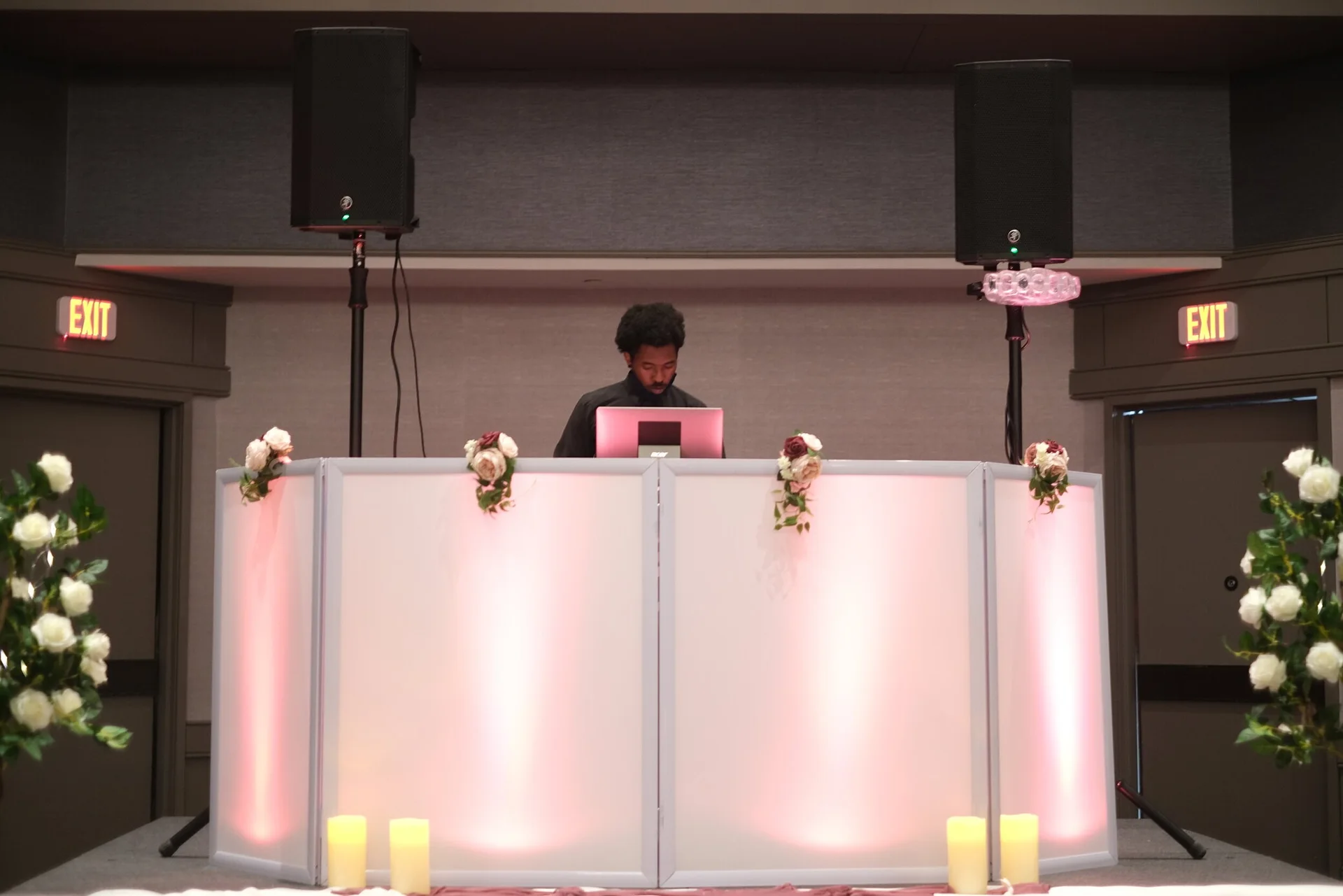
You could hand a venue a folder of MP3s and hope for the best. But a sangeet has too many moving parts for that. Someone has to cue each group, edit every track to the right length, handle the mic for announcements, and keep filler running between sets so the night never stalls.
That’s the real value of a DJ who knows these celebrations. I collect your song list weeks ahead, make clean edits for each performance, and build a cue sheet so every group knows exactly when they’re up. On the night, I read the floor and adjust — stretching the open dancing when it’s flying, tightening a set when the room needs a lift.
I also handle the bilingual side of things, blending Bollywood, bhangra, and current Western hits so every generation stays on the floor. If you’re planning a South Asian celebration anywhere around Canton or Metro Detroit, my Detroit wedding guide covers the whole picture from ceremony to last song.
Rehearsal tips that actually stick
Great songs still need a few rehearsals, so let’s make those painless. First, lock your final edits early — practicing to the full song and then switching to a two-minute cut a week before never goes well. Rehearse to the exact track you’ll perform to.
Second, keep the choreography to a handful of repeatable moves. Aunties and uncles aren’t training for a music video; they need three or four steps they can loop with confidence. A simple routine performed with a big smile always outshines a complex one done nervously.
Finally, do one full run-through in the actual shoes and outfits you’ll wear — saris and sherwanis move differently than gym clothes. Nail that, and your sangeet will feel effortless. Want a hand building your set? You can meet your DJ first and we’ll map the whole night together. Dates fill fast in wedding season, so if yours is set, let’s talk while it’s still open.