How to Read a Corporate Crowd (Not a Wedding)
Play the wrong song at the wrong moment and a wedding forgives you fast. Do it at a company event and the room folds its arms. Reading a corporate crowd is a completely different skill from reading a wedding, and knowing the difference is what separates a DJ who fills the floor from one who empties it. Here’s how the pros adjust energy, music, and the microphone for a business audience — and why it matters for your Shelby Township event.
In this article
Why a corporate crowd isn’t a wedding crowd
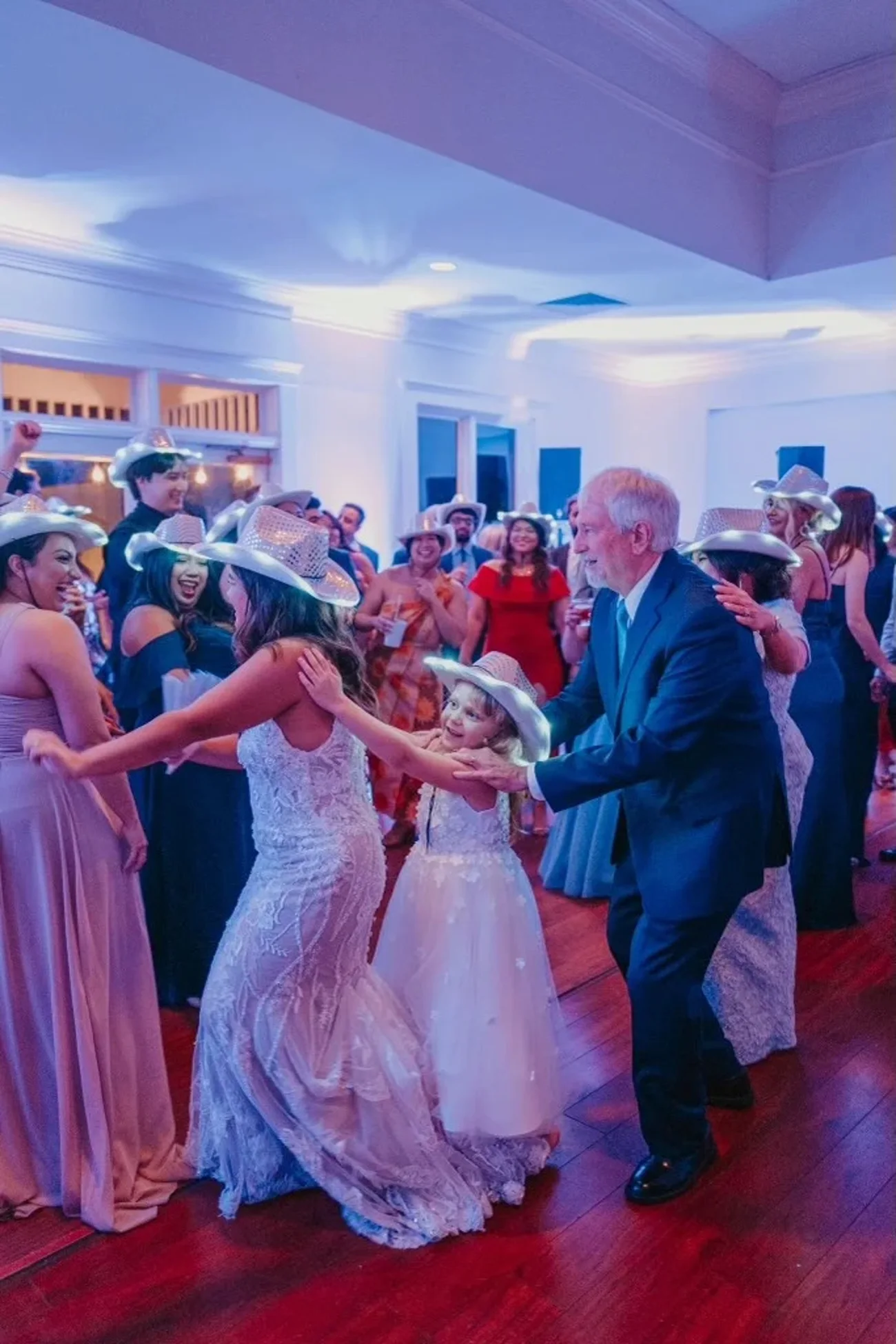
At a wedding, everyone already wants to celebrate. They came to dance, they love the couple, and one great song sets the whole room off. A corporate crowd is a tougher read. People are there partly for work, they may not know each other well, and the boss is usually watching. That changes everything about how you play.
So the warm-up is longer, the energy climbs more carefully, and trust has to be earned before the floor fills. Nobody wants to be the first one dancing in front of coworkers. My job is to make that first step feel safe, not forced. When it’s done right, the room loosens up on its own instead of being dragged.
Here’s the mindset shift. At a wedding I’m celebrating with family. At a company party I’m a guest reading a room full of professionals who need permission to let loose. Different rules, different pacing, same goal — a night people talk about at the water cooler on Monday.
None of this means corporate events are stiff. Some of the most fun parties I play are company nights that started quiet and ended with the whole staff on the floor. The difference is I never assume the energy — I build it. That patience is exactly what a strong company event DJ brings to the table.
The signals a pro watches for
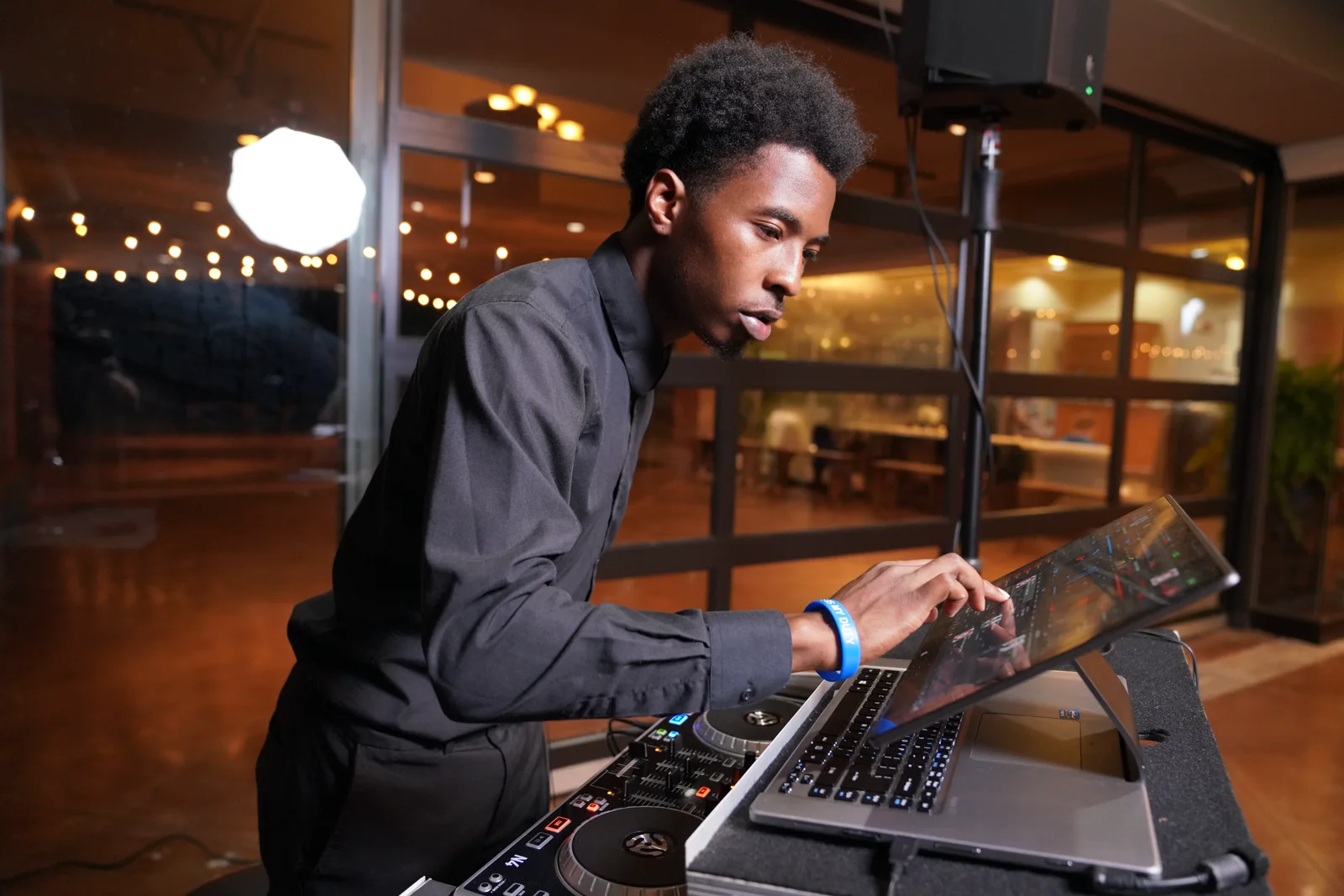
Reading a room is less about magic and more about paying attention. From behind the decks I’m constantly scanning for small signals. Are people still seated with drinks in hand, or are they up and mingling? Is the laughter loud and easy, or polite and quiet? Those clues tell me exactly where the room is and where it wants to go.
I watch the leadership, too. When the executives loosen up, the staff follows — so I look for that moment and ride it. I also watch the edges of the room, because the shy folks near the wall tell me whether the whole crowd is ready or just the outgoing few. You lead the room by the majority, not the loudest handful.
A wedding tells you what it wants. A corporate crowd makes you earn it. You read the room, you don’t assume it.
Body language beats requests here. At a wedding, requests flow all night. At a company event, people are shyer about approaching the DJ, so I have to read faces and feet instead of waiting for song requests that may never come. That’s a skill you only sharpen by working a lot of these rooms.
Building energy slowly, not all at once
The biggest rookie mistake is opening a corporate event at full blast. Drop peak-hour bangers during the networking hour and you’ll clear the room before dinner. Energy at a company party is a slow climb, not a light switch. You start low and warm, then build in steps that feel natural.
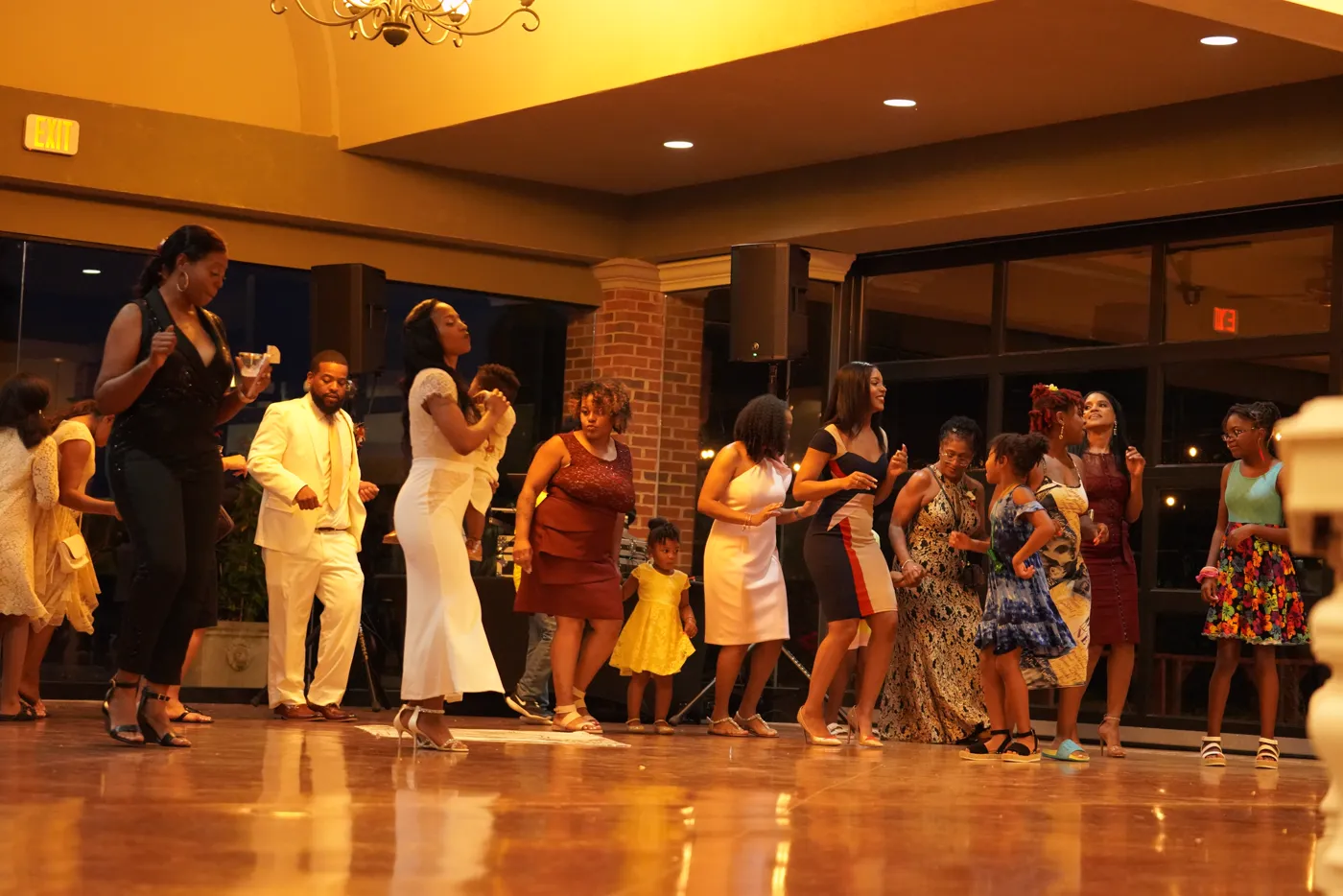
During arrival and mingling, I keep the music smooth and conversational — enough to set a mood, never enough to force a shout. Through dinner it stays comfortable so people can actually talk business and catch up. Then, once plates clear and the formal part wraps, I open the throttle. By that point the room trusts the night, and the floor fills fast.
Key takeaway: A corporate crowd needs energy built in stages, not blasted from the start. Read the signals, warm the room during mingling and dinner, and save the peak for after the formalities — that patience is what fills the floor at a company event.
Timing the peak matters most. Every company event has a natural window when the “official” part ends and people decide whether to stay and party or head home. Nail the music in that window and you keep the room. Miss it and the parking lot fills up. Reading that moment is the whole game.
Music that works across every department
A company crowd spans wide. You’ve got interns in their twenties and executives in their sixties, plus every taste in between. There’s no single genre that lands for everyone, so the trick is variety with a common thread — songs people across generations recognize and enjoy without cringing.
I lean on crowd-uniting hits: classic funk and Motown, well-loved pop, and dance floor staples that three generations all know. I steer clear of anything too niche or too edgy early on, because a company event is not the place to test the room with a deep cut. Familiar and fun beats clever every time here.
Clean versions are non-negotiable, too. A company party is still a professional setting, so every track is a radio-clean edit. According to research shared by Harvard Business Review, people act more guarded around colleagues and leadership than they realize — which is exactly why the music has to feel safe and inclusive, never risky.
Handling the mic with a business audience
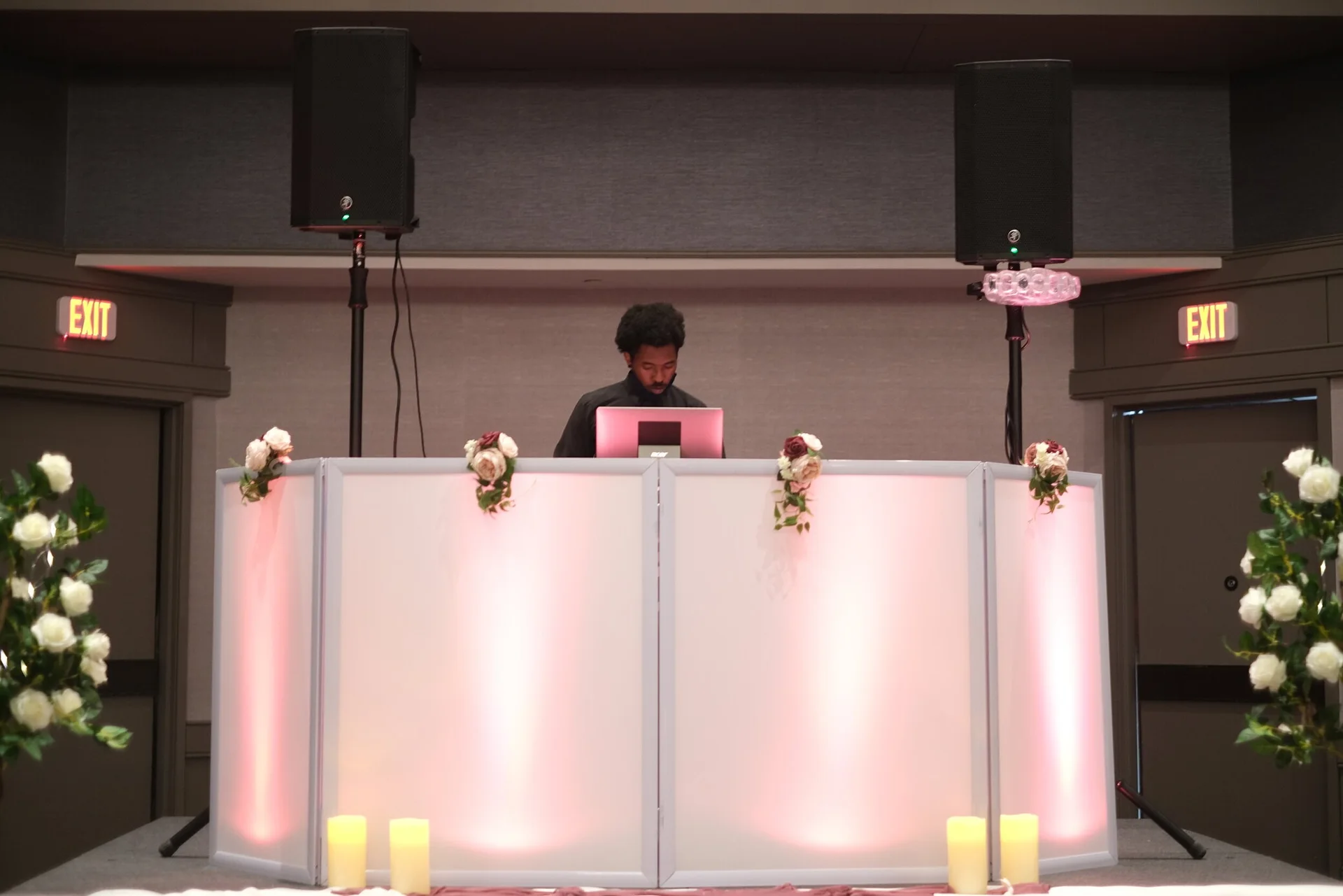
The microphone is where a lot of DJs lose a corporate room. A wedding emcee can be big and playful. A company event calls for a lighter, more polished touch on the mic — clear, warm, and brief. I make announcements crisp, hand off cleanly to speakers, and never talk over the room’s business moments.
There’s usually a program to respect: an award, a thank-you from leadership, a toast to a milestone. My job is to make those moments run smoothly and on time, then step back and let the music do the rest. Reading when to speak and when to stay quiet is as important as the songs I pick.
I also coordinate with whoever’s running the event so I know the flow before doors open. That prep means no awkward pauses and no stepping on a VP’s speech. If you want a feel for how I handle these details across events, browse more event tips on the blog anytime.
Common mistakes that kill the room
Let me save you some pain with the errors I see most. First, treating a company party exactly like a wedding — too much emcee hype, too fast, too soon. Second, blasting peak music during the mingling hour and scaring people back to their tables. Third, ignoring the older half of the room and playing only for the young crowd.
Another big one is not respecting the program. A DJ who rushes the awards or talks over leadership loses the whole room’s trust in one moment. And finally, playing it so safe that the energy never builds at all. Reading a corporate crowd means threading that needle — inclusive but never boring.
Why experience is worth it here
You can’t fake reading a room. It comes from working hundreds of them and learning what each type of crowd needs. A DJ who only plays weddings will treat your company night like a reception and wonder why the floor stays empty. A DJ who works both knows the difference cold. And the payoff is real — Gallup’s workplace research ties strong team morale to shared, positive experiences, and a night your staff actually enjoyed is exactly that.
When you hire me for a Shelby Township company event, you get someone who’s read every kind of room — and who plans your night around your people, your program, and your goals. If you want to see how I run events across the region, my breakdown of how I handle Detroit-area events shows the same read-the-room approach, and you can always meet your DJ first. Let’s make your next company party the one everyone remembers.