Prelude Music: What Plays as Guests Sit
Picture the first fifteen minutes of your wedding. The doors open, guests trickle in, and everyone finds a seat. What are they hearing? That’s prelude music — the songs that play while people settle before the ceremony starts. Most couples spend hours picking a first dance and forget this part entirely. That’s a shame, because the prelude sets the whole mood. Get it right and your guests feel calm, warm, and ready. Here’s exactly what to play as guests sit, how long it should run, and how a good DJ keeps it smooth from the very first note.
In this article
What is prelude music, exactly?
Let’s start simple. Prelude music is everything that plays from the moment your first guest walks in until the processional begins. It’s the background of that early window when people are hugging, chatting, and finding a chair. Nobody’s watching a big moment yet — they’re just arriving.
That’s why it matters more than you’d think. Silence in those minutes feels awkward. Guests lower their voices, glance around, and wonder if they’re early. A little music fixes all of that instantly. It fills the room, tells people they’re in the right place, and quietly signals, “relax, something lovely is about to happen.”
Here’s the thing most couples miss: the prelude isn’t about showing off your favorite songs. It’s about comfort. You want a warm, easy sound that lets people talk over it without straining. Think of it as the soft opening of your day, not the headline act.
How long does the prelude run?
Good question, and the honest answer is: longer than you expect. Most couples plan for guests to be seated 15 to 20 minutes before the ceremony. But people arrive early, and if you tell folks 3:00, plenty will roll in at 2:40. So your prelude usually needs to cover a solid 25 to 30 minutes of music.
That’s five or six songs, minimum. I always build in a little extra, too, because ceremonies rarely start on the dot. A late shuttle, a missing boutonniere, a photographer grabbing one more shot — it happens at almost every wedding. When the prelude has room to breathe, a short delay never feels like a problem. The music just keeps going and nobody notices.
My rule: plan 30 minutes of prelude even if you think you only need 15. Extra songs cost you nothing, and running out of music while guests wait in silence is the one thing you can’t undo in the moment.
The best songs to play as guests sit
So what actually works? After a decade of ceremonies, I lean on a few reliable buckets. You don’t need to overthink it — you just need songs that feel warm and stay out of the way.
Soft acoustic covers. Stripped-down versions of songs your guests already love. A gentle guitar cover of a pop hit gives people a flicker of recognition without pulling their attention from the conversation.
Instrumental film scores. Think the quiet, pretty stuff from movie soundtracks. It sounds expensive, sets a romantic tone, and almost nobody dislikes it.
Classic jazz or bossa nova. If your vibe is a little more grown-up and relaxed, easy jazz fills a room beautifully. It says “celebration” without ever getting loud.
Mix a few of these and you’ve got a prelude that feels intentional. For more inspiration, the ceremony music breakdown at The Knot’s ceremony song guide is a great place to browse before you lock anything in.
Instrumental or vocals?
This one trips a lot of couples up. Should the prelude have singing or not? My take: mostly instrumental, with a few soft-vocal songs sprinkled in.
Here’s why. Songs with big, front-and-center vocals pull focus. When a guest suddenly recognizes the words to a favorite tune, they stop talking and start listening — which is exactly what you want later, during the processional, not now while everyone’s still finding seats. Keep the heavy hitters for the aisle.
That said, a little vocal warmth is lovely. A hushed, unhurried voice in the background feels human and inviting. The trick is choosing songs where the voice is one more instrument, not the star. Save your show-stopper for the moment you walk in. You want that first big vocal to land when every head turns — not when Aunt Carol is still hunting for the ladies’ room. If you want a second opinion on song choices, WeddingWire’s ceremony music tips break down what works for each part of the service.
The prelude isn’t the moment guests remember — it’s the moment that makes every moment after it feel warmer.
Key takeaway: Prelude music should run about 30 minutes, lean mostly instrumental, and stay soft enough to talk over. Its whole job is to make the room feel warm and settled before the real moments begin.
Matching the mood to your venue
Where you’re getting married should shape what plays. A prelude that fits a garden feels different from one that fits a grand ballroom, and matching the two makes everything click.
Getting married outdoors in a place like the gardens near downtown Royal Oak? Lean light and airy — acoustic guitar, soft strings, a breezy feel that matches the open sky. In a historic church or a formal hall, richer instrumentals and a little classical warmth suit the room better. The music should feel like it belongs to the space, not fight against it.
Here’s a small trick I love: match the prelude’s energy to the ceremony you’re about to have. A short, joyful ceremony can handle a slightly brighter prelude. A traditional, emotional one wants something calmer and more tender leading in. When the two agree, guests feel the shift coming before a single word is spoken. If you want the full picture of how the whole day fits together, our complete wedding sound setup walks through every part from prelude to last dance.
How a DJ handles the sound live
This is where a pro really earns their spot. Choosing songs is the easy half. Playing them well — at the right volume, with clean fades and zero gaps — is the part that separates a smooth prelude from an awkward one.
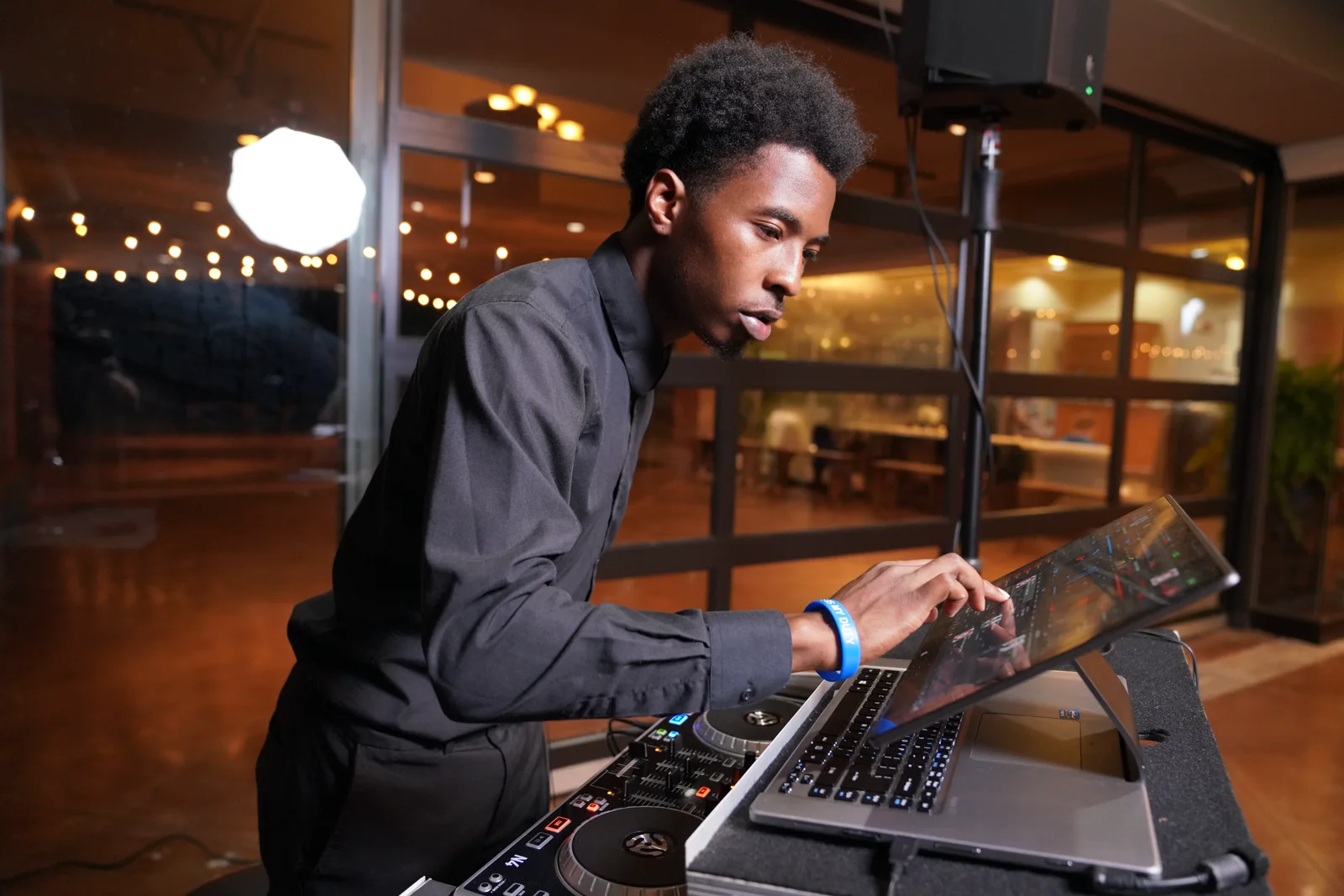
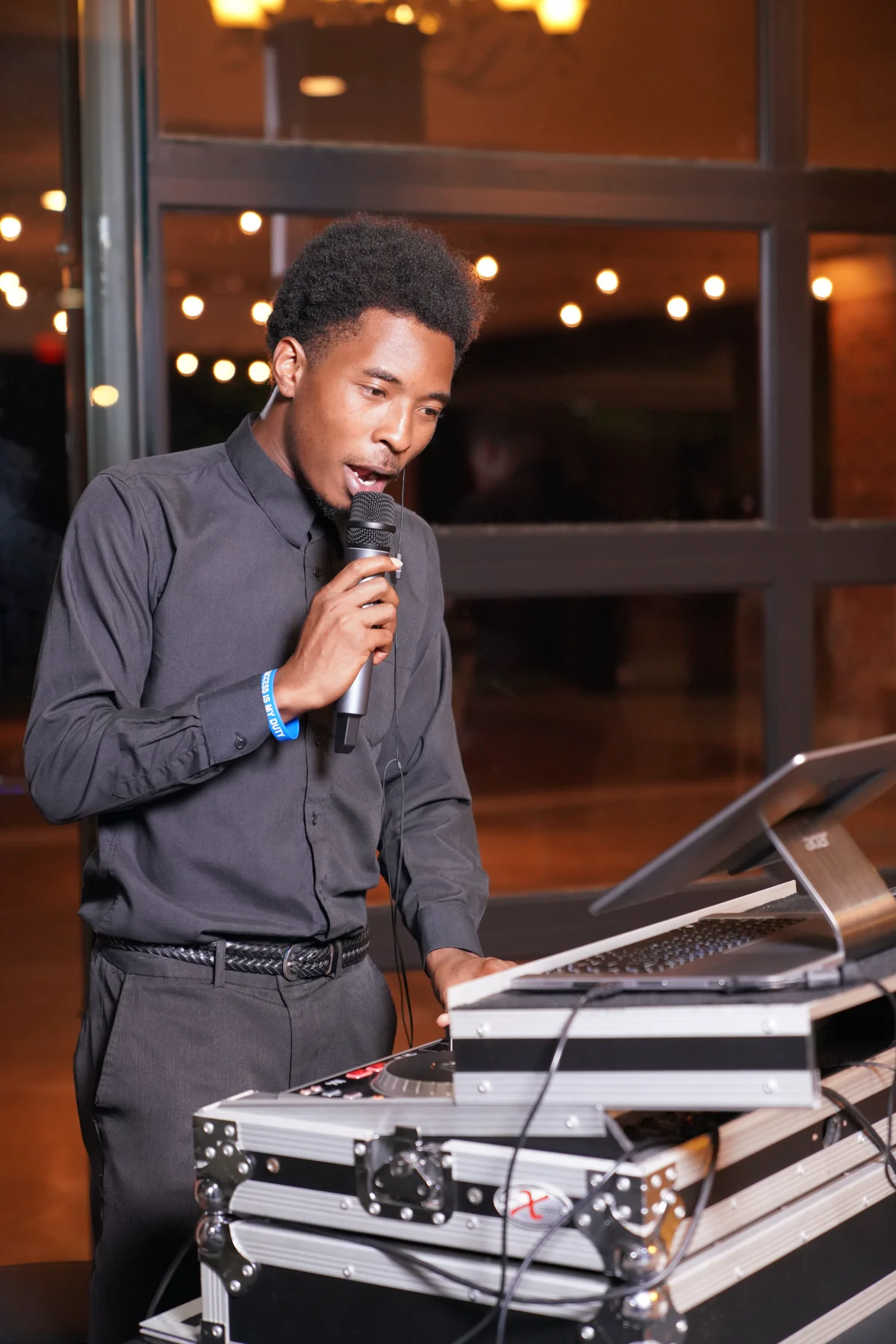
When I run a ceremony, I watch the room fill and adjust in real time. As more guests arrive and the chatter grows, I nudge the volume up so the music still holds the space. Right before the processional, I ease it down so the shift into your entrance song feels like a gentle build, not a jump-scare. Little moves like that are invisible when they’re done right — and glaring when they’re not.
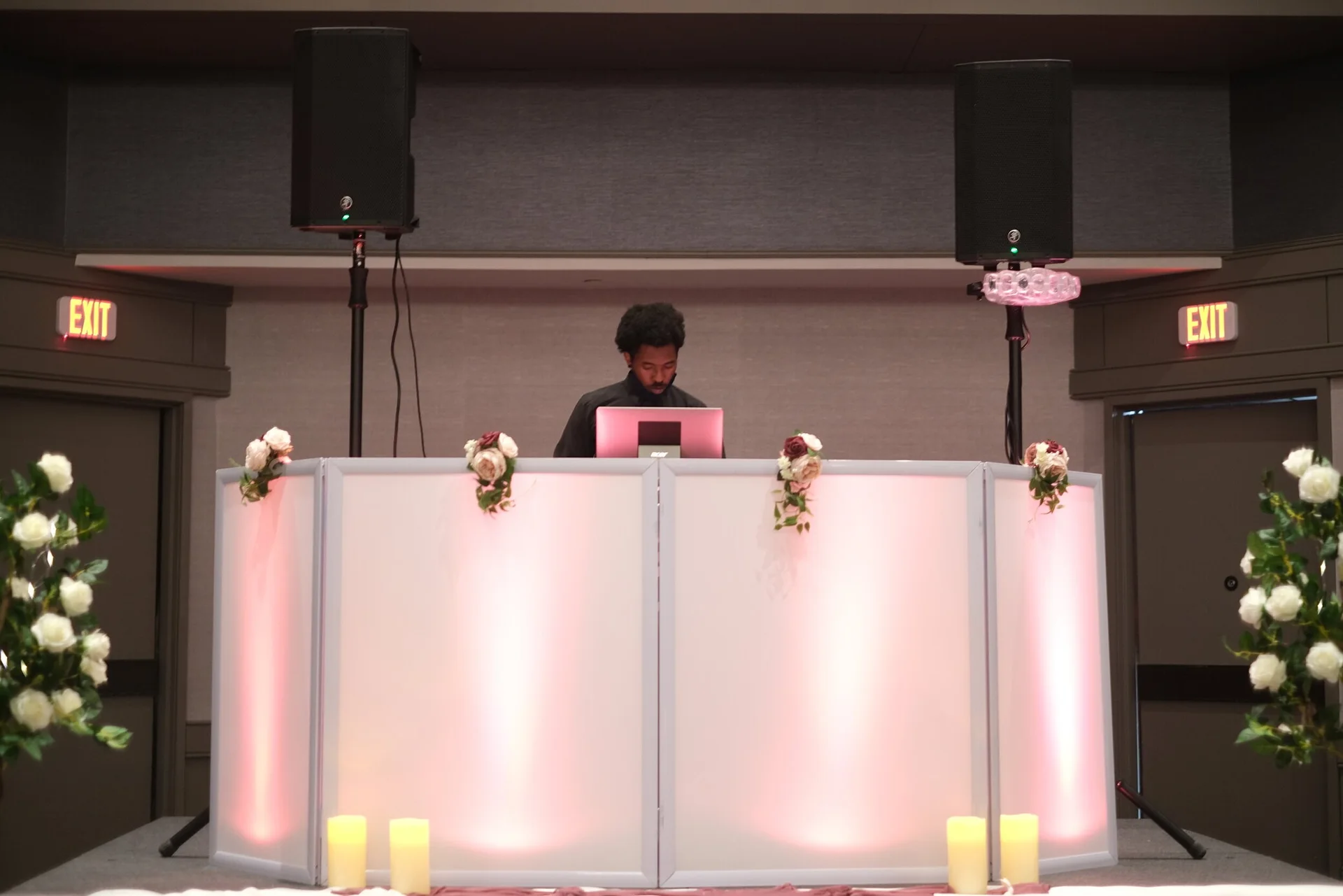
I also plan for the outdoors. Wind, open air, and distance eat sound fast, so a Royal Oak garden ceremony needs more speaker coverage than a small chapel. A phone plugged into a Bluetooth speaker just can’t hold a lawn full of guests. Getting this right is a big reason couples work with a real DJ for the ceremony, not just the reception.
Planning your Royal Oak prelude
So how do you pull this together? Start with a short list. Pick six or seven songs that feel warm and easy, and hand them to whoever’s running your sound. You don’t need to fill every second yourself — a good DJ builds around your picks and fills the gaps.
Then think about timing. Tell your DJ when the doors open and when you want the processional to begin. That window is your prelude, and knowing it lets us plan the right amount of music with a comfortable cushion. Whether you’re marrying near downtown Royal Oak, at a garden venue, or in a historic hall off Main Street, the plan is the same: warm, steady, and long enough to cover early arrivals.
The best part is how little you have to stress over it once the plan’s set. For a deeper look at every song moment in your day, our Royal Oak wedding guide covers the processional, recessional, and reception too. And if you want to keep reading, browse more ceremony tips whenever you like. A great prelude doesn’t need to be complicated — it just needs to make your guests feel at home before the big moment arrives.