Micing Your Officiant So Everyone Hears
Picture your ceremony for a second. The aisle looks perfect, your people are seated, and the officiant starts to speak — but the back three rows can’t hear a word. It happens more than you’d think, and it’s heartbreaking. The good news? Micing your officiant the right way fixes it completely, and it’s honestly not that hard once you know the tricks. Below, I’ll walk you through lav mics versus handhelds, exactly where to clip the mic, and how I set it all up so every guest hears every vow.
In this article
Why ceremony sound gets missed
Here’s the thing nobody tells you: outdoor and open-room ceremonies swallow sound. Wind, chatter, traffic, even a big tent — they all eat a soft-spoken voice alive. So the officiant sounds crystal clear standing three feet away, but grandma in row eight hears mumbles.
That’s why micing your officiant is the single best sound decision you can make. It’s not about being loud. It’s about being clear and even, so the words carry to the last chair without anyone straining. When the sound is right, guests lean in emotionally instead of leaning forward physically.
And let’s be real — the ceremony is the whole point. The party comes later. If people miss the vows, they miss the moment they drove out to see. A tiny mic saves the memory, and it costs almost nothing to add.
Lav mic vs handheld: which wins
So which mic should your officiant use? You’ve really got two solid choices, and each has a job it does best. Let me break them down.
The lavalier (lav) mic is the tiny clip-on. It’s my go-to for officiants because it’s hands-free, nearly invisible in photos, and it stays a steady distance from the mouth. That last part matters — steady distance means steady volume. No fading in and out while someone gestures.
The handheld mic is the classic. It’s great when the officiant is confident on a mic, or when you want to pass it around for readings and toasts. The catch is that people wave it around, and the volume swings every time it drifts from their chin. For a solo officiant who’s speaking the whole time, a lav usually beats it.
My honest take? Use a lav on the officiant and keep a handheld nearby for readers and any surprise speeches. That combo covers every voice without a fumble. If you want to see how this fits the rest of your day, my full wedding DJ service page lays out how the ceremony, cocktail hour, and reception all connect.
Where to clip a lav mic
Placement is where a lav mic sinks or swims. Clip it wrong and you get rustle, thumps, or a voice that sounds far away. Clip it right and it disappears while sounding full.
Aim for the center of the chest, about six to eight inches below the chin — roughly where a tie knot or the top button sits. That spot catches the voice evenly whether the officiant turns left to you or right to your partner. Too high near the collar and you get scratchy fabric noise. Too low and the voice goes thin.
Keep the mic clear of necklaces, lapel pins, and long beards, since anything brushing it makes a mess. Then run the cable down and out of sight, and clip the little transmitter pack to a belt or waistband. A quick sound check — have them read a sentence at normal volume — and you’ll know in ten seconds if it’s clean.
One more tip: if your officiant is wearing robes or a loose garment with no belt, a lav can still work clipped to the neckline. It just takes a minute of fiddling, which is exactly why we test everything before guests arrive.
Key takeaway: Clip the lav at the center of the chest, six to eight inches below the chin, away from jewelry and fabric that can rustle. Do a quick sound check, and the officiant sounds clear and even no matter which way they turn.
What about the couple’s vows?
Great question — and here’s what a lot of couples miss. The officiant’s lav often picks you up too, but not always well enough, especially if you’re speaking softly and standing a few feet away.
If your vows are personal and you’re worried about volume, we can add a second lav or place a discreet mic stand between you. Many couples love this because the guests get to hear the words you wrote, not just the officiant’s script. It turns a private moment into a shared one, which is the whole magic of saying vows out loud.
That said, some couples want their personal vows kept quiet and intimate. That’s completely fine too. Just tell me ahead of time, and I’ll set the sound to match — loud and clear for the officiant, softer and closer for your private words. It’s your call, and there’s no wrong answer.
The ceremony is the whole reason everyone drove out. A five-cent battery and a well-placed mic are what make sure they don’t miss a single word of it.
Common sound mistakes to avoid
Let’s talk about the traps, because a few small slip-ups cause most ceremony sound problems. Dodge these and you’re golden.
Skipping the sound check. This is the big one. A mic that worked yesterday can pick up interference today. Two minutes of testing beats a live surprise every time.
Dead batteries. Wireless mics die at the worst moment if nobody swaps in fresh batteries. I put in new ones before every ceremony — no exceptions. It’s a five-cent problem that ruins a priceless moment, so I never risk it.
One speaker in the wrong spot. A single speaker aimed at the front looks tidy but leaves the back rows out. Spreading sound evenly, or adding a second small speaker, keeps the whole crowd covered. The pros over at The Knot’s ceremony sound guide point out the same fix — even coverage matters more than raw volume.
Ignoring the wind. Outdoor ceremonies near the water get gusty fast. A little foam windscreen on the mic tames it, and I always pack extras for a Michigan lakeside afternoon.
How I set up mics before you walk
So what does it actually look like on the day? I show up early — usually 60 to 90 minutes before your ceremony start — so nothing feels rushed. That buffer is where the calm comes from.
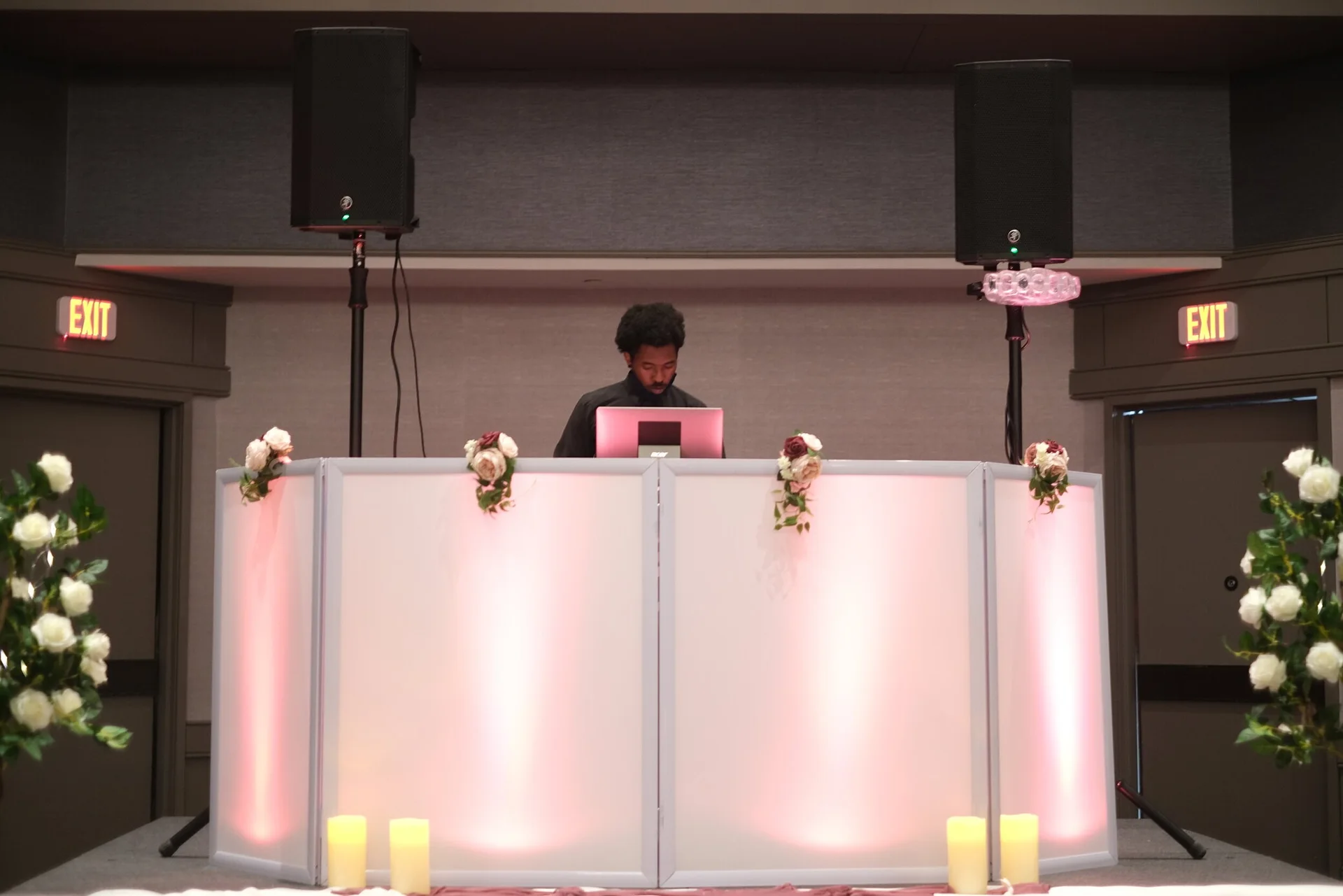
First, I place the speakers for even coverage and run a fresh battery into every wireless mic. Then I find your officiant, clip the lav, and run a quick, quiet sound check while guests are still parking. By the time your first song cues, I already know it’s clean. According to WeddingWire’s ceremony planning tips, that early setup window is what separates a smooth ceremony from a scramble.
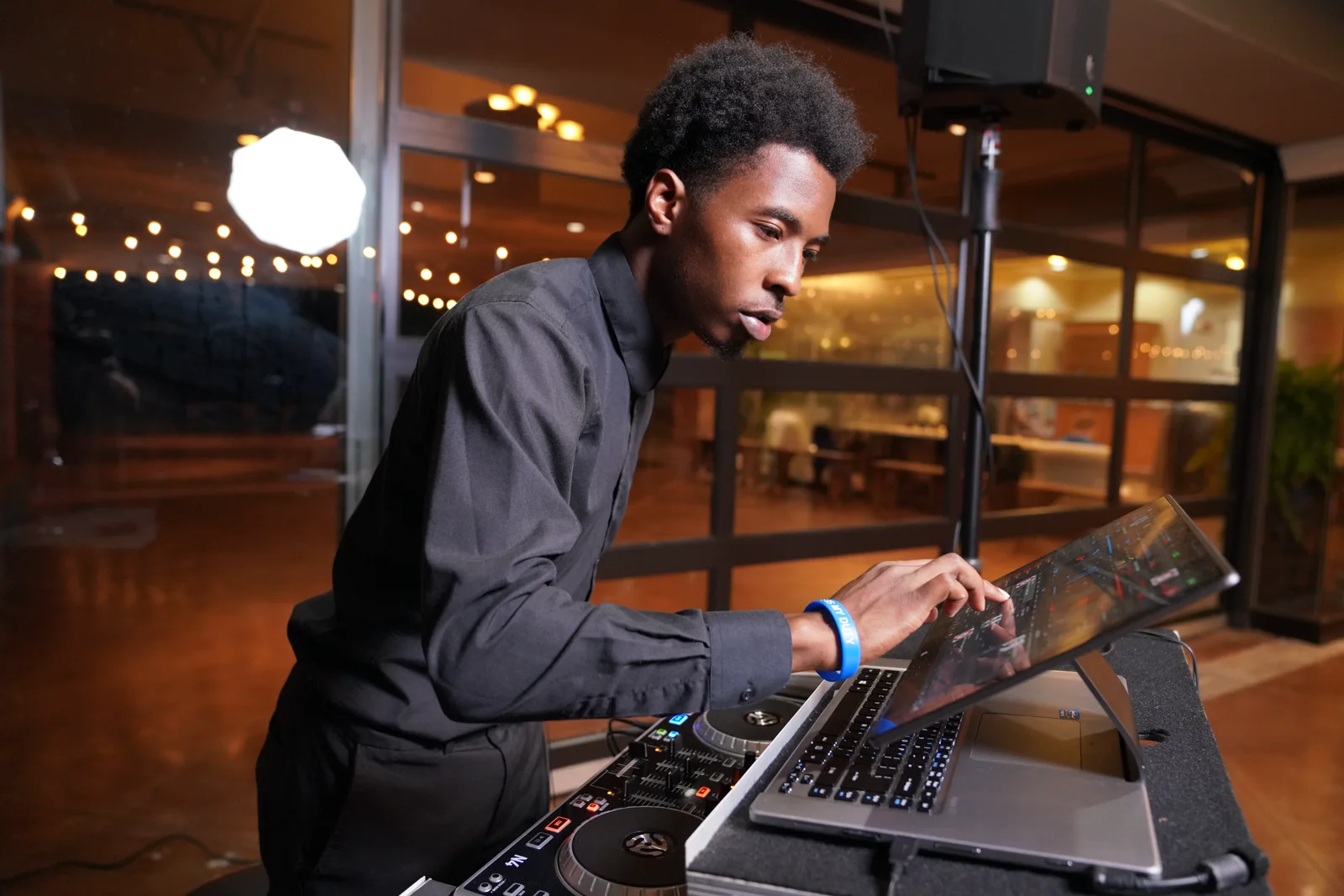
During the ceremony, I watch the levels the entire time and ride the volume by hand if a soft-spoken reader steps up or the wind picks up. You’ll never see me do it — that’s the point. All you and your guests notice is that every word lands. Curious who’s behind the booth? You can meet your DJ and see why couples trust me with the quiet moments as much as the loud ones.
Planning ceremony sound in Clinton Township
Ready to lock it in? Start by telling your DJ where you’re getting married and whether it’s indoor or outdoor. A ballroom off Hall Road needs different coverage than a garden ceremony near the Clinton River, so a quick heads-up lets me plan the gear.
Then share your rough order: who speaks, whether there are readings, and if you want your personal vows carried or kept close. With those details, I map out every mic before I ever load the car. Simple planning up front means zero surprises on the day.
At the end of it all, good ceremony sound is invisible when it works. Nobody claps for the mic — they just cry at the right moment because they heard every word. Want more help building your day? Browse more wedding tips anytime, see how the whole day comes together in our Clinton Township wedding guide, and when you’re ready, let’s make sure your ceremony sounds as good as it looks.