Lebanese Wedding Songs & Dabke Must-Plays
A Lebanese reception has an energy that’s hard to match — the drums, the line that snakes across the floor, the whole family up and dancing before dinner’s even cleared. Getting there, though, takes the right Lebanese wedding songs played in the right order. As a Dearborn-area DJ, that’s a floor I love. So here’s my honest must-play list, plus the timing tricks that keep a dabke line moving all night. Let’s build your set.
In this article
Start strong: the zaffe entrance
Every great Lebanese reception opens with the zaffe — the grand entrance that announces the couple with drums, sometimes live dabke dancers, and a wall of sound. It sets the tone for everything after, so it has to hit hard. This is not the moment to ease in.
Musically, the zaffe leans on big, driving tracks with heavy percussion. Songs like “Zaffe” numbers and up-tempo drum-forward pieces get the whole room on its feet before the couple even reaches the head table. The goal is instant electricity — guests clapping, phones up, the energy already peaking.
I plan the zaffe with you down to the timing, because it usually coordinates with live drummers or a dabke troupe if you’re hiring one. Getting the hand-off between the live players and my system seamless is half the job. When it’s smooth, that entrance becomes the moment everyone remembers.
Dabke: the heartbeat of the night
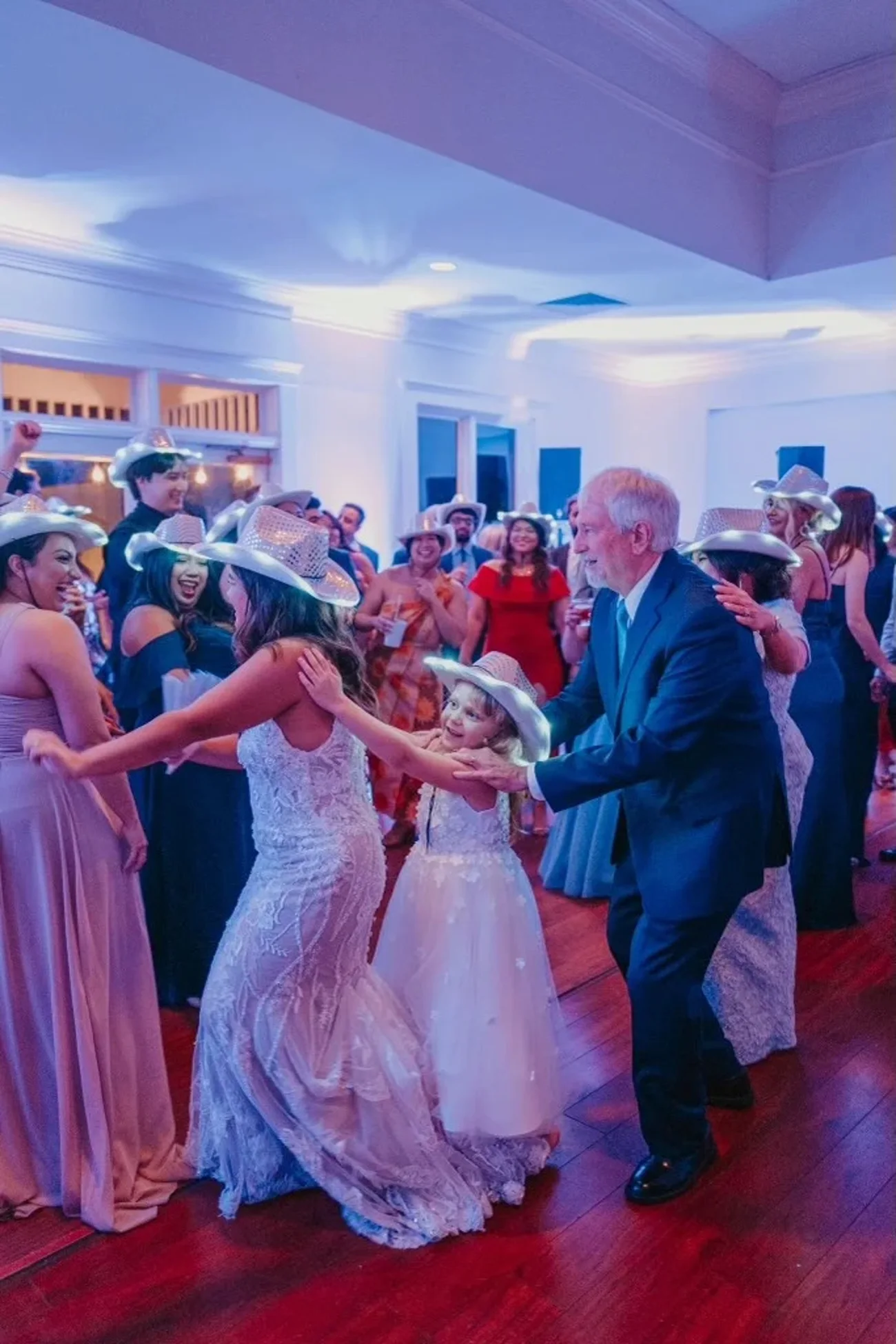
If there’s one thing a Lebanese wedding lives for, it’s the dabke — the joyful line dance where guests link shoulders and stomp in rhythm across the floor. It’s the heartbeat of the whole reception, and a DJ who understands it is worth their weight in gold.
The dabke has a specific feel: a strong, stomping beat, often led by the mijwiz or a driving derbake rhythm. As the Encyclopaedia Britannica entry on dabke explains, it’s a communal folk dance meant for everyone, not a performance for a few. So I keep the tracks coming so the line never has to stop and reform.
Here’s what a lot of couples miss: the dabke isn’t one song, it’s a run. You want several dabke tracks strung together with smooth transitions so the line grows longer and longer. Break the run with a mismatched song and the whole line scatters. Keep it flowing and it becomes the highlight of the night.
Key takeaway: The dabke isn’t a single song, it’s a continuous run of tracks blended together so the line never breaks. Keep the stomping rhythm flowing and the line grows all night; drop a mismatched song and it scatters. Smooth transitions are everything.
Classic Lebanese must-plays
Now for the songs. Some tracks are simply non-negotiable at a Lebanese reception because every generation knows them. The giants of Lebanese music — Fairuz for the tender, nostalgic moments, and Wael Kfoury for soaring romantic anthems — belong on any serious list.
For the dance floor, you reach for the party legends. Najwa Karam brings that unmistakable mountain-village energy, and songs like “Ana Wel Shog” or “Ma Bassmahlak” fill a floor fast. Add crowd-favorite dabke anthems and you’ve got a core that the aunties and uncles will cheer the second they hear the intro.
Don’t forget the sing-alongs. Certain Lebanese wedding songs are so beloved that the whole room belts every word — and those moments, when 200 people are singing together, are pure magic. I keep a running list of these and confirm your family’s favorites during planning, because every family has a few sacred ones.
Regional and family roots shape this list more than people expect. A family with village ties to the south of Lebanon might light up for different dabke anthems than one from the Bekaa or the mountains, and the older generation often has a handful of songs tied to memories no playlist would ever guess. So I ask early and I ask specifically. Those requests aren’t just filler — they’re frequently the tracks that pull your grandparents onto the floor and give you the photos you’ll treasure most.
Modern hits and pop crossovers
A great reception isn’t only classics, though. The younger crowd wants current Arabic pop, and there’s a deep, exciting well to pull from. Contemporary stars keep the energy fresh, and newer dabke-pop fusions bridge the traditional sound with a modern beat the cousins love.
Then there’s the crossover moment. Most Dearborn weddings I play are beautifully bicultural — guests who grew up on both Arabic music and American Top 40. So a smart set weaves in hip-hop, Latin, and pop hits alongside the Lebanese tracks, and the floor stays packed with everyone.
The art is the transition between worlds. Slamming from a dabke straight into a random English pop song jars the room. Bridging them with the right tempo and feel keeps the momentum rolling. If you want to see how I structure a full reception around moments like these, here’s how we run your whole day.
When the dabke line stretches across the whole hall and 200 voices sing the chorus back at you, you understand why these songs matter. That’s the moment we’re building toward.
Blending Arabic and English sets
Let’s talk balance, because it’s the question I get most from bicultural couples. How much Arabic, how much English? There’s no single right answer — it depends on your families and your vibe — but the goal is that nobody feels left out for long.
My approach is to move in waves. A strong run of Lebanese songs and dabke to honor the tradition and get the older guests going, then a wave of pop and hip-hop for the younger crowd, then back again. The room breathes together instead of splitting into two parties. According to The Knot’s guide to Arabic wedding traditions, honoring both sides of a blended celebration is exactly what makes these receptions so memorable.
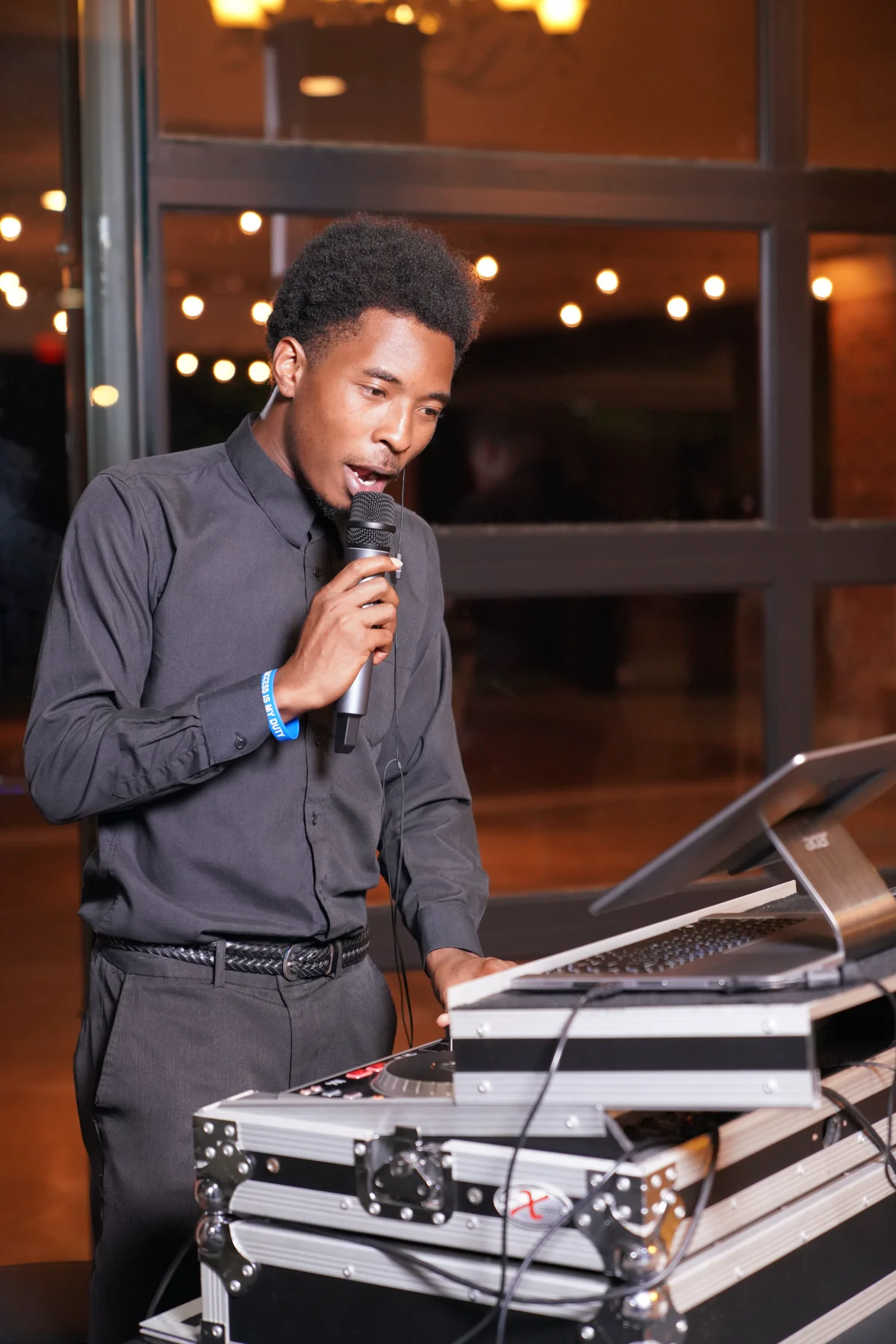
Announcements help too. A quick, warm bilingual note on the mic before a big cultural moment makes every guest feel included, whether they grew up in Beirut or Dearborn. That small touch keeps the whole room connected all night, and it’s part of every set I plan.
Timing the line so it never breaks
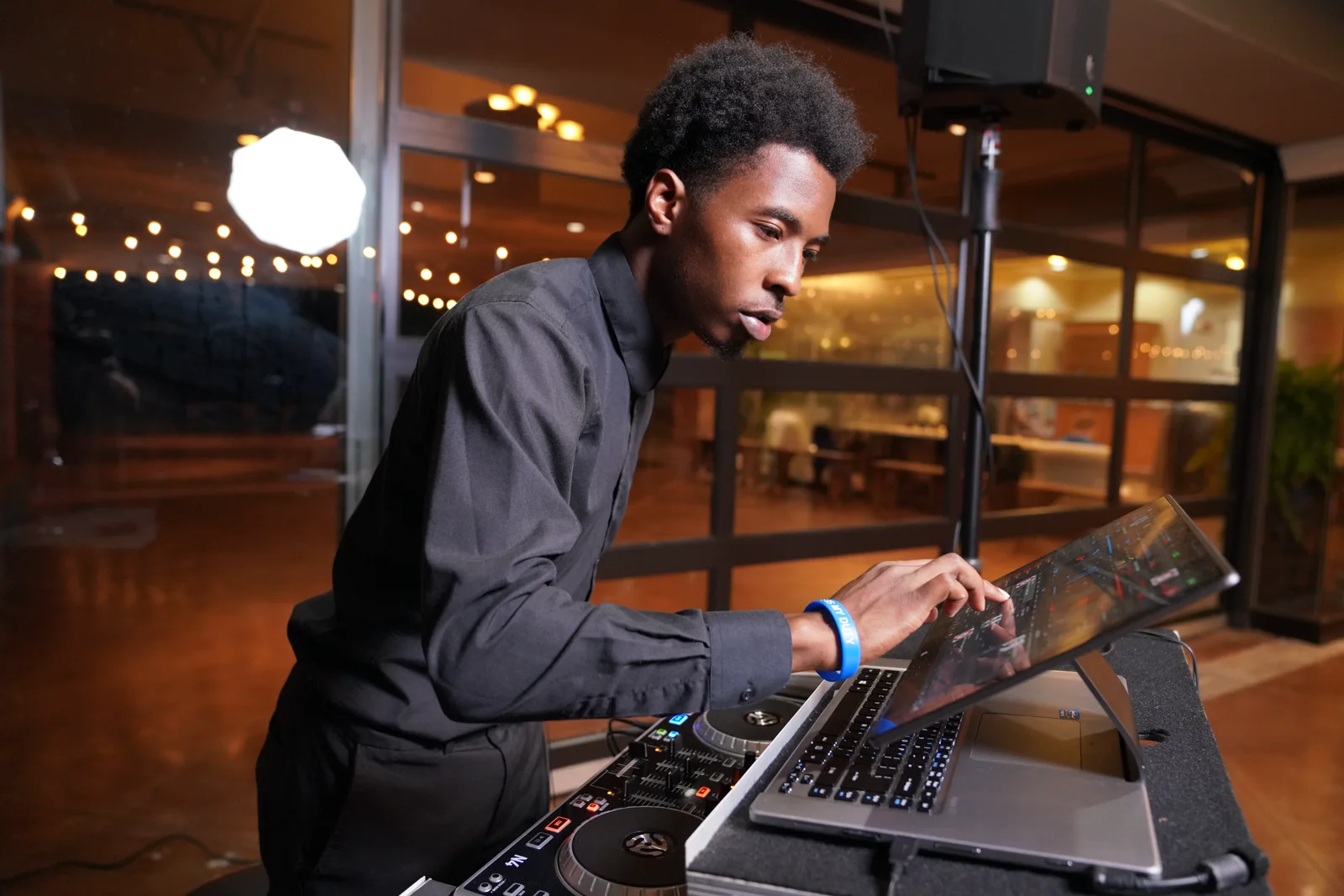
Great songs still need great timing. The dabke usually works best after guests have eaten and warmed up, so I read the room instead of forcing it too early. Push the big line dance before people are ready and it fizzles; catch the right moment and it explodes.
I also protect the peaks. Once a dabke run is rolling and the line is long, I don’t kill it with a slow song — I ride the energy and let it build. Then, when the moment’s right, I ease into a romantic classic so people can catch their breath before the next wave. That push and pull is the whole rhythm of the night.
And I coordinate with your family and any live musicians so the traditional moments land cleanly on the timeline. Nothing derails a reception like a schedule surprise. For more planning help across every part of your celebration, browse more wedding tips whenever you like.
Why a DJ who knows the culture matters
Here’s the honest bottom line. Anyone can download a playlist of Lebanese hits. But knowing when to play them, how to blend a dabke run, how to hand off with live drummers, and how to bridge Arabic and English sets — that only comes from experience with these floors. The songs are the easy part.
That’s the difference I bring to a Dearborn Lebanese wedding. I plan the set with you, I honor your family’s must-plays, and then I read the room live to keep the line moving and the energy climbing. It’s your culture and your celebration — my job is to serve it, not to guess at it.
If you’re planning a Lebanese reception and want it in the hands of a DJ who genuinely gets it, let’s talk. See exactly how I run a wedding day, and get to know your DJ before you book. Good dates fill fast in wedding season, so if you have one in mind, let’s check it while it’s open.