
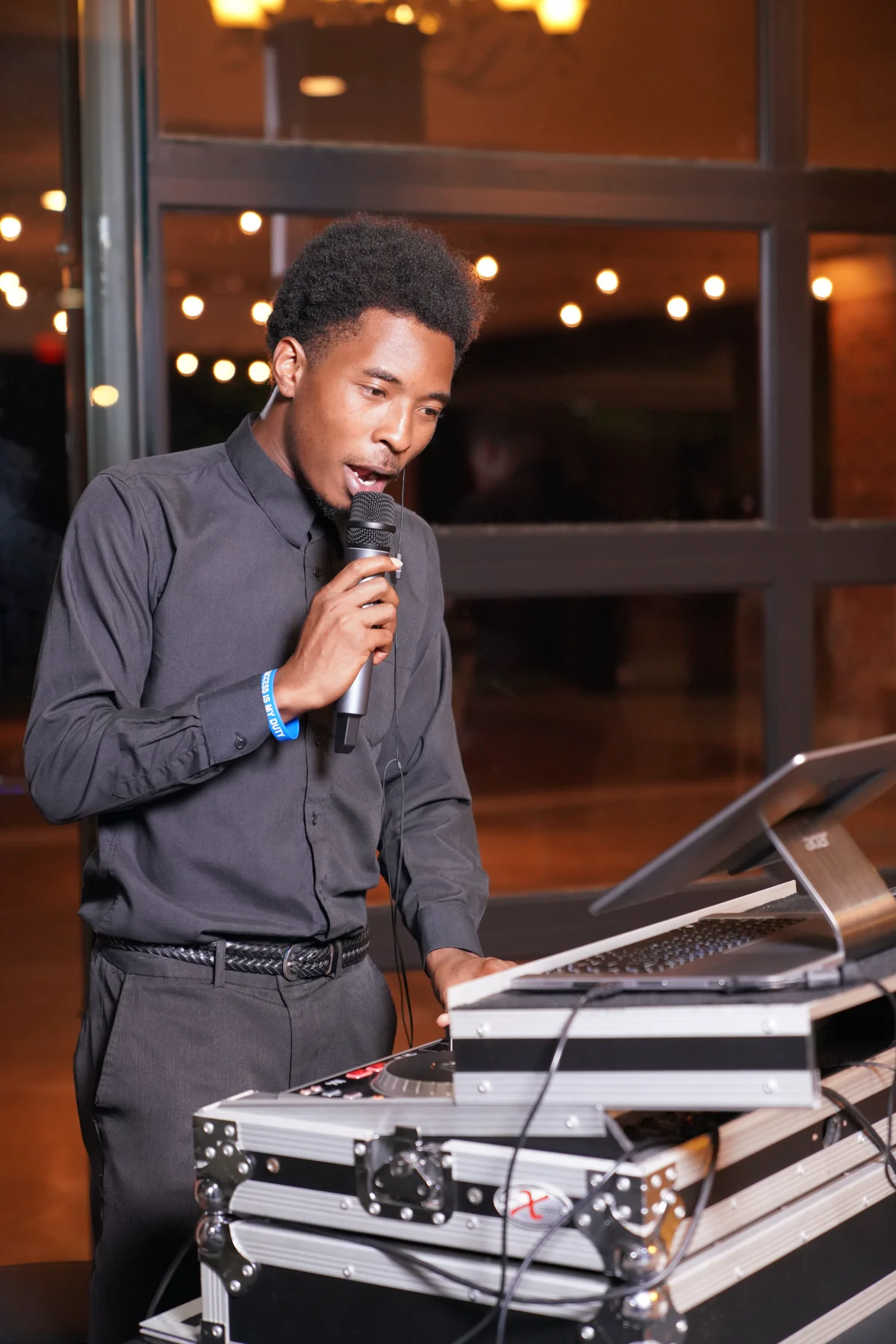
Kids at the Reception: Music & Timing Tips
Having kids at reception time is one of those choices couples worry about way more than they need to. Yes, a room full of six-year-olds can get loud. Yes, somebody’s toddler will melt down during the toasts — that’s practically a law of nature. But little guests also give you the best photos of the whole night, and they get grandparents onto the dance floor faster than any song I own. The trick isn’t keeping kids quiet. It’s giving them their own moments so they’re not fighting yours. Here’s exactly how I plan it.
In this article
Should you invite kids at all?
This one is completely your call, and both answers are fine. Adults-only receptions are common and nobody worth keeping will be offended if you’re clear and kind about it on the invitation. Plenty of couples go that route and love it.
But there’s a real upside to saying yes. Kids loosen a room. They dance before anybody else is brave enough, and once three kids are out there spinning, the adults follow within a song or two. I’ve watched a shy crowd of 140 people stay glued to their chairs until a seven-year-old started doing the worm. Problem solved.
Family logistics matter too. If half your guest list is traveling in and would need a sitter in an unfamiliar city, welcoming kids at reception time can be the difference between them attending and sending a card. That’s worth weighing.
A middle path works nicely too: invite kids to the ceremony and cocktail hour, then have a sitter take them upstairs or home after dinner. Wedding etiquette guides like The Knot’s guide to children at weddings lay out polite ways to word all of these on the invitation.
The timeline that keeps everybody happy
Here’s the single biggest thing I’ve learned: kids run on a completely different clock than your reception does. Your night peaks at 9:30. Their night peaks at 7:15 and then falls off a cliff.
So give them their peak early. I like to run a short kids’ block right after dinner service ends — about 15 minutes, four or five songs, before the formal dances if the schedule allows. Everybody’s fed, the floor is empty anyway, and the kids get a genuine turn instead of a leftover one.
Then plan for the fade. Most kids under eight are done by about 8:30. Their parents know it, and they’ll be quietly checking the time. If there’s a sitter handoff or a hotel room upstairs, build a natural exit point around 8:30 to 9:00 so parents can slip out and come back without missing the good stuff.
One more scheduling note: don’t schedule anything delicate right at 6:45. That’s the universal hungry-and-tired window. Toasts, first dances, and slideshows all land better either before dinner or after 8, when the little ones have either recharged or checked out.
Songs that get kids dancing (without going full birthday party)
Let’s be clear about the goal here. You want a few songs kids love that adults don’t hate. There’s a whole lane of music that does both, and it doesn’t include the chicken dance unless you actively want it.
My reliable picks: “Can’t Stop the Feeling,” “Best Day of My Life,” “Shake It Off,” “Happy,” and anything from a current animated movie that’s big that year. All of them are clean, upbeat, and parents will still sing along.
Then the participation tracks, which are the real winners. “Cupid Shuffle,” “Cha Cha Slide,” and the “Hokey Pokey” for the under-fives all come with instructions built in. Kids don’t need to know how to dance — they just need to be told what to do next.
What I’d skip: long slow songs during the kids’ block, anything with lyrics you’d have to explain, and more than about 20 minutes of kid-focused music total. Past that, adults start drifting to the bar and you lose the room. Short and punchy beats long and thorough every time.
The goal isn’t to entertain the kids all night. It’s to give them fifteen great minutes so the other four hours belong to everyone.
Volume, lights and little ears
Here’s what a lot of couples miss until it’s happening: reception volume is genuinely loud for small kids. A packed dance floor commonly runs somewhere around 95 to 100 decibels, and the CDC’s guidance on noise and hearing puts that in the range where long exposure isn’t great for anybody, let alone a four-year-old.
The fix is easy and costs nothing. First, ask your DJ to keep dinner and cocktail hour genuinely quiet — conversation level, not background-concert level. Second, make sure there’s a spot in the room, or just outside it, that’s a good 20 feet from the speakers where a kid can sit and be comfortable.
Third, a tip I give every couple with young families coming: put a small basket of kids’ ear muffs near the entrance. They cost about ten dollars a pair, parents are stunned that you thought of it, and it lets a two-year-old stay in the room instead of out in the hallway.
Lighting deserves a mention too. Strobes and fast-moving effects can genuinely upset young kids and anyone light-sensitive. I keep strobes out of my shows entirely unless a couple asks for them, and I’ll always give a heads-up before any big effect. A good DJ should be happy to do the same — it’s a simple thing to ask about when you book your reception music and MC plan.
Key takeaway: Give kids a short, real turn early — about 15 minutes of their music right after dinner — keep dinner volume conversational, and build a natural exit around 8:30. Do those three things and little guests add to your night instead of competing with it.
Set up a kids’ corner — it’s worth it
If you’ve got more than about six kids coming, give them a home base. It doesn’t need to be fancy or expensive. One table off to the side, away from the speakers, does the trick.
What goes on it: coloring books and crayons, a few small puzzles, some stickers, and a couple of quiet toys. Skip anything with its own sound. Add a basket of simple snacks that aren’t messy, because kids get hungry on a schedule that has nothing to do with when dinner is served.
If your budget allows, hiring one sitter for every six or so kids is the best money you’ll spend on guest experience. Parents actually relax. And relaxed parents stay on the dance floor, which is exactly what you want at 10 p.m.
A few venues can offer a side room for this, which is even better — a quiet space where a tired kid can lie down. Ask during your venue tour. It’s not a standard question, so most people never think to ask, but the answer often surprises you.
Handling the big moments with kids in the room
Toasts are the tricky one. A three-minute speech is roughly two minutes and fifty seconds longer than a toddler’s patience. So keep toasts tight, do them right after the first course lands, and give parents a quiet heads-up so they can time a bathroom trip.
Flower girls and ring bearers deserve their own plan. They’re nervous, they’re in stiff clothes, and they’ve usually been awake since 6 a.m. Give them something to do right after their moment — a snack, a job, a seat with a familiar adult — and you’ll avoid the classic mid-ceremony wander.
The parent dances often bring the softest kid moment of the night, honestly. Little ones drift onto the floor during those songs and nobody minds. I’ve stopped announcing people off the floor during slow dances entirely. Let it be sweet. Your photographer will thank me.
And the bouquet toss? Kids love it and will absolutely try to join. That’s fine — just decide in advance whether you want them in it so nobody’s improvising with a microphone in their hand.
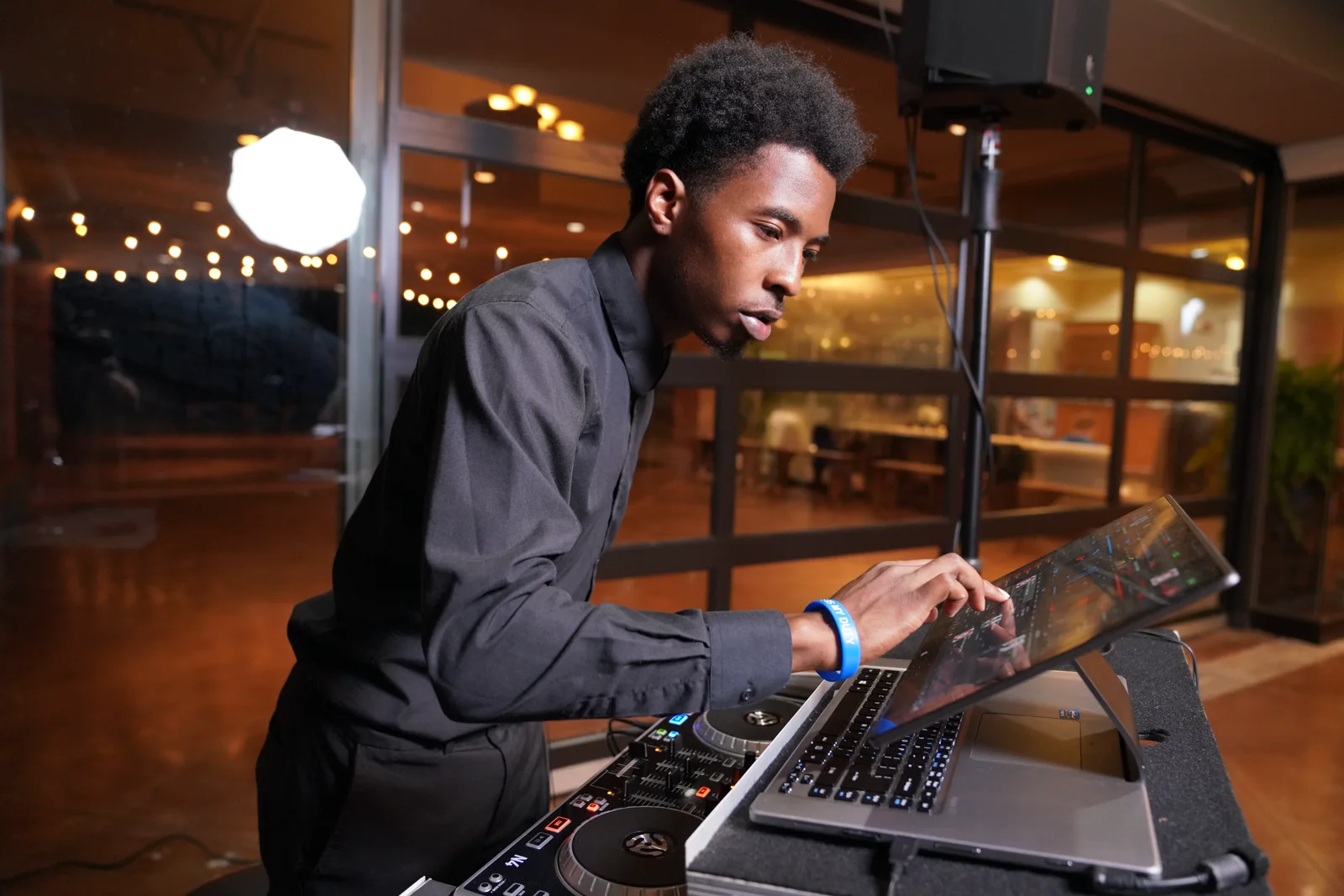
Planning it at a Grosse Pointe venue
Grosse Pointe weddings tend to be family-heavy, and the local venues handle it well. Lakefront spots along Lake Shore Road, the historic halls near the Village, and the club rooms around Kercheval mostly have side rooms, lounges, or outdoor terraces you can borrow for a quiet corner.
Two things worth asking on your tour. One: is there a room with a door where a tired kid can rest? Two: how close is the parking to the exit? Parents leaving at 9 p.m. with a sleeping four-year-old will remember either answer for years.
If your reception has any outdoor space and it’s summer, use it. Kids self-regulate much better with somewhere to run, and a lit terrace right off the ballroom means parents can watch them and still hear the music. Just check the sunset time — on Michigan summer evenings it’s still bright out past 9, so outdoor space stays usable much later than you’d expect.
Above all, don’t overplan this. Kids at a wedding are not a problem to solve — they’re guests with a shorter battery. Give them a turn, keep the volume kind, and let the rest happen. If you want more planning help, there’s plenty in the rest of the wedding tips, and my Grosse Pointe wedding guide maps out a full night hour by hour. Prefer to talk it through? You can meet your DJ and we’ll build a timeline that works for every age in the room.