Indian Wedding Music by Ceremony: A Novi DJ Guide
An Indian wedding isn’t one party — it’s a whole run of them, and the Indian wedding music shifts with every single event. The mehndi glows one way, the baraat roars another, and the reception is a different beast entirely. Get the music wrong for the moment and the energy drops; get it right and the whole celebration flows like a river. Here’s how I match the sound to each ceremony for couples across Novi, event by event.
In this article
Why the music changes with each event
Here’s the big idea, and it’s simple. Each event in an Indian wedding has its own mood, its own guest list, and its own attire — so the Indian wedding music has to match all three. The soft henna morning and the high-energy baraat aren’t asking for the same songs. Treating them the same is the fastest way to flatten a moment.
Think of it the way you think about outfits. You wouldn’t wear the same thing to the mehndi and the reception, right? The music works exactly like that. It dresses each event for the occasion — casual and warm here, formal and precise there, wild and joyful when it’s time to dance.
So when I plan with a couple, I don’t ask for one playlist. I ask for the feel of each event, the songs your family loves, and the cultural moments that can’t be missed. Then I build a sound plan per event, not one big mix I hope stretches across three days.
Mehndi: warm, relaxed, colorful
The mehndi is the henna celebration, and the mood is soft and joyful. Guests are seated, chatting, getting their hands decorated, and soaking up the color of the day. So the music stays warm and mid-tempo — folk favorites, mellow Bollywood, a little Punjabi flavor bubbling under the conversation.
This isn’t a floor-packing moment, and that’s the point. Push the volume too hard here and you’re fighting the vibe instead of setting it. My job is to keep the energy bright but easy, so the room feels alive without anyone raising their voice to be heard.
Toward the end, though, I’ll often lift the tempo. As the henna sets and folks loosen up, a few livelier tracks can turn a relaxed afternoon into an early dance. Reading that shift is the whole skill — knowing exactly when the room is ready for more.
Sangeet: the performance night
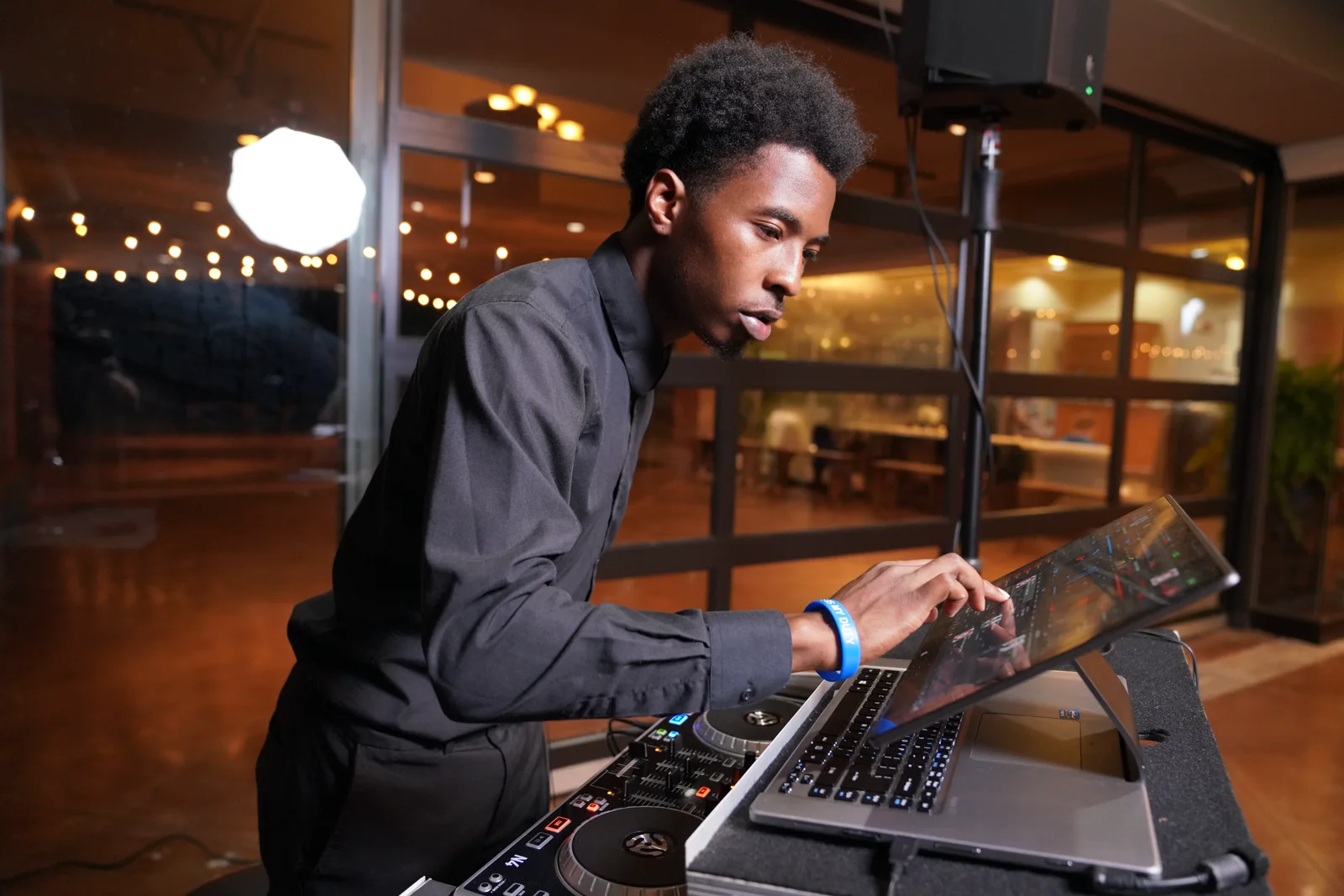
The sangeet is the show, and it’s one of my favorite events to run. Families prepare choreographed dances, friends put together surprise routines, and both sides basically compete to bring the house down. That means the music has to be planned to the second, because every performance needs its own track cued and ready.
Here’s where a pro really earns their keep. I collect every performance song ahead of time, edit them to the right length, and build a running order with the family so nothing stalls between acts. A dead thirty seconds while someone hunts for a song can kill the momentum of a whole night. I don’t let that happen.
After the performances, the sangeet turns into a party. That’s when I open the floor with the big Bollywood and bhangra hits everyone’s been waiting for. According to The Knot’s guide to Indian wedding events, the sangeet is where families bond most through music — so I keep it moving from the first performance to the last dance.
Key takeaway: The sangeet lives and dies on preparation. Every performance song needs to be collected, edited, and cued in order ahead of time — a DJ improvising here will stall the whole night.
Baraat: the loudest, happiest parade
The baraat is the groom’s grand arrival, and it is pure joy on wheels. Picture a moving party — the groom on a horse or in a car, family and friends dancing in front, dhol drums pounding, everyone hyped. The music here is loud, driving bhangra, built to make people dance in the street.
The trick with a baraat is power and portability. It usually happens outside or moving toward the venue entrance, so I bring a mobile, battery-powered rig that stays crisp even outdoors, where sound loves to disappear. If there’s a live dhol player, I mix right alongside them, locking the recorded beat to the live drum so it hits as one wall of energy.
Timing matters, too. The baraat can’t run long or the schedule slips, but it can’t feel rushed either — it’s a highlight. So I coordinate with the family and the venue on the route and the clock, then ride the energy right up to the entrance.
A baraat is the one time a wedding is supposed to spill into the street. My job is to make sure the beat is loud enough, and joyful enough, to pull every guest into the dance.
The ceremony: respectful and precise
After all that energy, the ceremony asks for the opposite — calm, respect, and precision. Depending on your family’s traditions, there are specific moments that call for specific sounds, from the bride’s entrance to the key rituals at the mandap. This is not the place to guess.
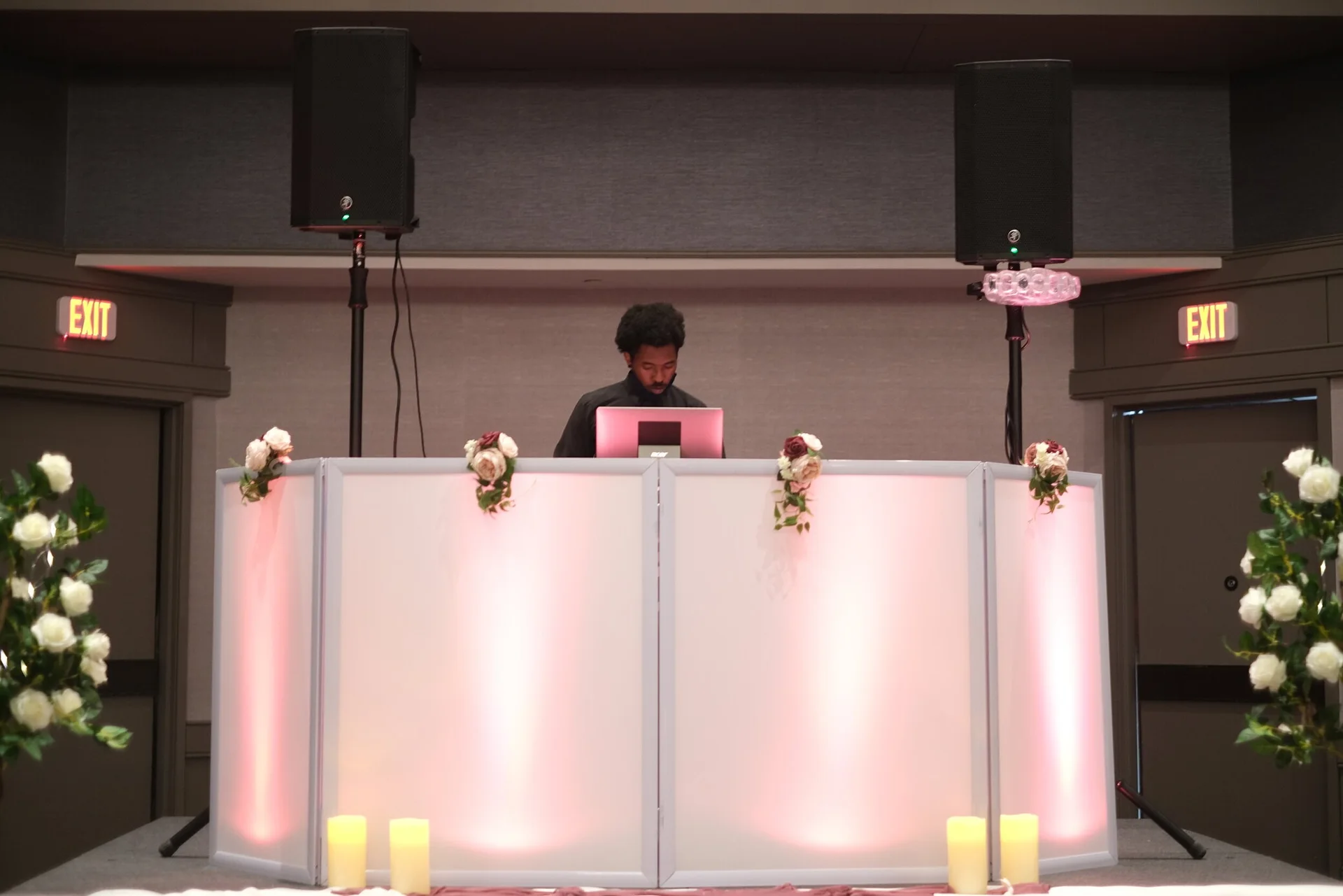
So I plan the ceremony music down to the cue. Which song plays for the entrances, when it fades, where the live elements or chants take over — all mapped out with you and, when there is one, the priest or officiant. Clean wireless mics matter enormously here so vows and blessings carry to every seat without a hint of feedback.
Volume is gentle and supportive, never overpowering. The ceremony is the heart of the whole celebration, and the sound should hold the moment, not steal it. Done right, guests barely notice the audio — they just feel every part land the way it should.
The reception: fusion, all night
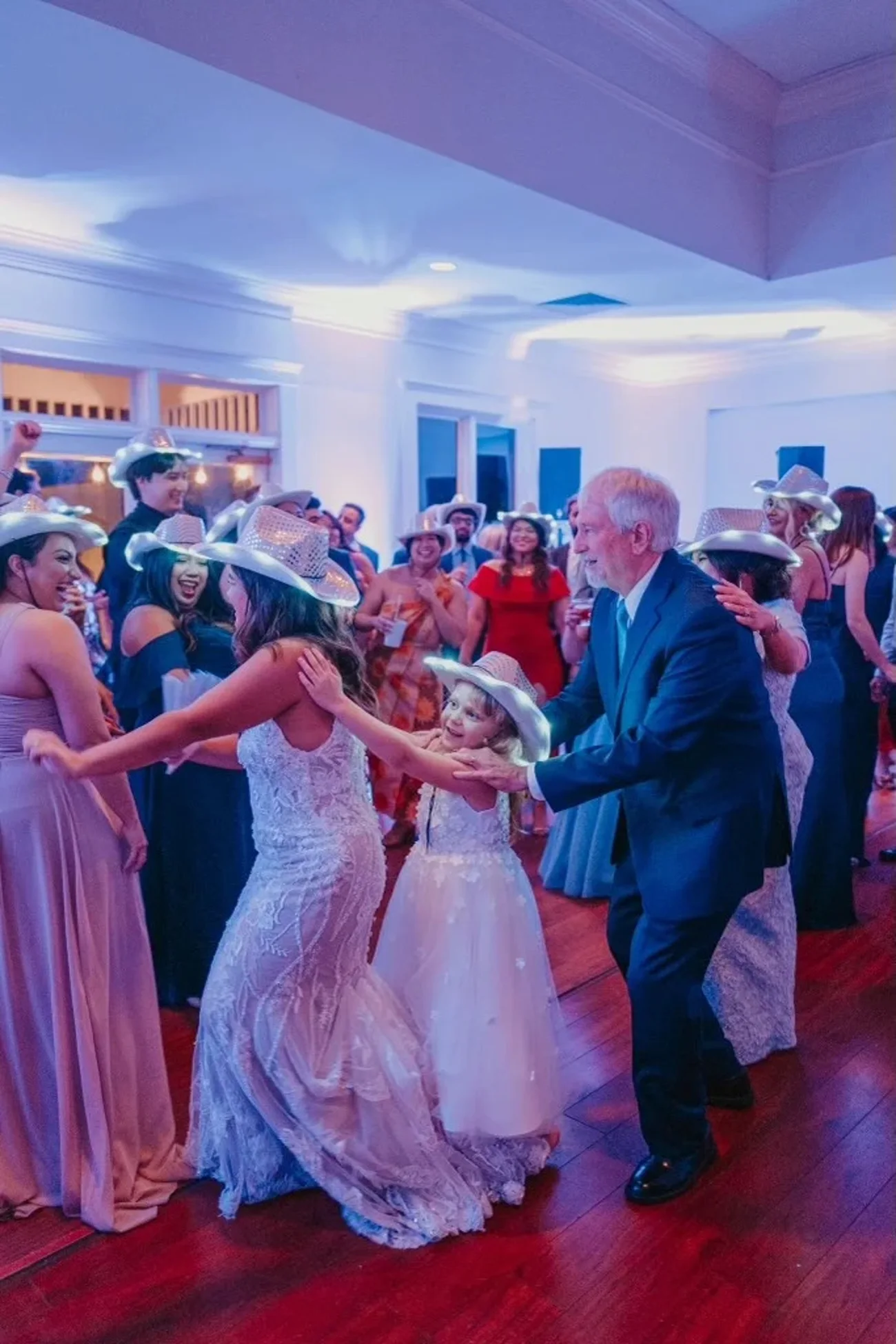
Now we let loose. The reception is where Indian wedding music becomes a true fusion — Bollywood and bhangra sitting right next to hip-hop, Top 40, and whatever your crowd came to dance to. In Novi, plenty of celebrations blend two cultures on one floor, and the mix has to honor both.
Here’s what a lot of couples miss: the magic isn’t playing everything, it’s the transitions. Sliding from a bhangra anthem into a current hit without breaking the beat is what keeps grandparents and cousins on the floor at the same time. That’s a live skill, read moment to moment — not a locked playlist running on autopilot.
I plan the big beats with you first — your must-plays, your no-list, the family favorites — then I fill the gaps by watching the room. If you want to see how I structure a full reception, my breakdown of how we run your reception walks through every piece, and you can browse more wedding tips anytime.
Planning your Novi celebration
Novi is a great home base for a big multi-event wedding. The Suburban Collection Showplace and other large halls around town are built for the scale these celebrations need — room for the baraat, space for hundreds of guests, and the flexibility to run a ceremony and reception under one roof.
Whatever venue you choose, the plan is the same: match the music to each event, prepare every cue in advance, and keep the energy flowing from the first henna song to the last reception track. That’s how a multi-day Indian wedding feels like one seamless celebration instead of five separate parties.
If you’re planning a Novi wedding and want a DJ who takes the cultural moments as seriously as the dance floor, I’d love to talk. You can see how I DJ weddings around Novi and meet your DJ before you book. Tell me about your events, and I’ll build a sound plan that fits your family, your traditions, and your night — every single day of it.