
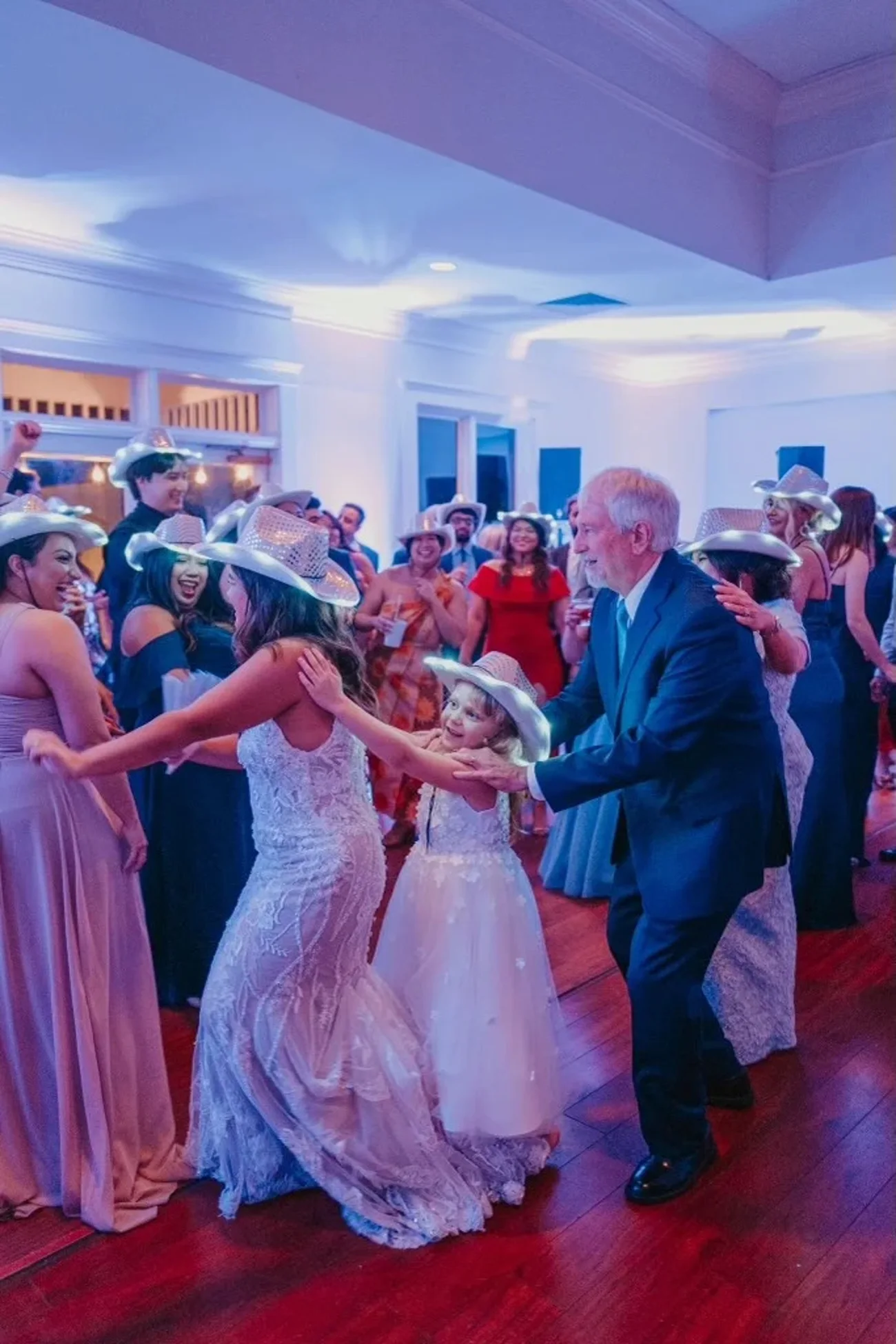
House Party Sound Without Angry Neighbors
You want a packed living room, not a knock on the door at 10 p.m. Good house party sound is all about balance — enough punch to fill the room and get people moving, but aimed and tuned so it doesn’t leak across the whole street. The good news? You can have a loud, alive party and friendly neighbors. It just takes a few smart choices about where the speakers point, how you set the volume, and when you ease off. Here’s how I keep a Royal Oak house party thumping without earning any glares over the fence.
In this article
Why “loud” is the wrong goal
Most people think a great party means cranking the dial to the top. But here’s the truth: past a certain point, louder doesn’t feel better — it just feels harsh. When the music is too loud, guests stop talking, ears ring, and the fun actually drops. So the goal was never “loud.” The goal is full and clear.
Great house party sound fills every corner of the room at a level where people can still shout a joke to a friend and dance at the same time. That sweet spot sits lower than you’d guess. And bonus: a party tuned to that level barely bothers the folks next door. You get the energy without the complaints.
Think of it like seasoning food. A little salt makes everything pop. Too much ruins the plate. Volume works the same way — you want it dialed to the point where the room feels alive, then you stop. Chasing “more” past that only costs you.
Where to place your speakers
Placement matters more than power. A modest speaker aimed well beats a huge one aimed wrong every time. So before you even touch the volume, look at where your sound is pointing.
Point speakers into the room, not out a window or at a shared wall. Aim them across the dance area toward soft stuff — couches, curtains, people — because soft surfaces soak up sound instead of bouncing it outside. Keep them off the floor too. Lifting a speaker to ear height on a sturdy stand or table spreads sound evenly so you don’t have to crank it to reach the back.
One more trick: pull speakers a few feet away from walls. A speaker jammed into a corner pumps extra boom straight through the drywall to your neighbor. A little breathing room keeps the bass in your room where it belongs.
See the idea? You’re shaping the sound, not just blasting it. When the sound is aimed into the party instead of out the walls, everyone inside hears more and everyone outside hears less. That’s the whole win.
Setting a volume that carries, not blasts
Now for the dial. Here’s a simple test I use: stand at the far corner of the room and try to talk to someone next to you. If you can chat with a raised voice but not a full shout, you’ve nailed it. If you’re screaming, back it off a notch.
Set your level early, before guests arrive, and mark it. Then as the room fills, nudge it up just a hair — because bodies absorb sound, so a packed room needs a touch more than an empty one. But resist the creep. Volume tends to climb all night as people ask for “just a little louder.” Hold the line, and your ears (and your neighbors) will thank you.
Sustained loud music can also wear on hearing over a long night. The CDC’s guide to noise and hearing is a good reality check on how quickly high volume adds up — another reason the smart level is lower than most people run.
The best party sound isn’t the loudest in the room — it’s the level where nobody’s straining to hear and nobody outside can tell there’s a party at all.
Taming the bass (the real culprit)
Here’s what a lot of hosts miss: it’s almost never the music that annoys neighbors — it’s the bass. High notes fade fast in the air, but deep bass travels through walls, floors, and the ground itself. That thump-thump you feel two houses down? That’s your subwoofer, not your playlist.
So the fastest way to keep the peace is to ease the low end down a notch. Trim the bass just slightly and the party still feels full inside, but the rumble stops leaking out. Most people can’t even tell the bass dropped — they just notice the room sounds cleaner.
Also, keep the subwoofer off shared walls and away from the floor near a neighbor’s unit if you’re in a townhouse. Set it on a rug or a soft pad instead of bare hardwood. Little moves like that stop the vibration from traveling. Control the bass, and you’ve solved 90% of the noise problem right there.
Key takeaway: Aim speakers into the room, set volume at a “raised voice, not a shout” level, and trim the bass a hair. Do those three things and your house party sounds full and alive inside while staying quiet enough outside to keep every neighbor happy.
Keeping neighbors on your side
The best noise-control trick has nothing to do with speakers. It’s a heads-up. A quick note or knock a day before — “Hey, we’re having some folks over Saturday, we’ll wrap up by 11” — buys you enormous goodwill. People are far more forgiving when they’re warned and included.
Even better, invite the closest neighbors to swing by. A neighbor at your party never files a complaint about your party. And if someone can’t make it, giving them your number so they can text you instead of calling the city is a small move that pays off big. When I run a private event, that kind of neighbor-first thinking is baked into how I handle parties and private gatherings from start to finish.
Keep the outside quieter, too. Windows and doors closed on the party side make a huge difference — open windows are basically speakers pointed at the street. Close them once dancing starts and the leak drops fast.
Handling the late-night curfew
Most Michigan towns, Royal Oak included, get stricter about noise after 10 or 11 p.m. That’s not a party-killer — it’s just your cue to shift gears. Plan for it instead of getting caught off guard. If you want the exact hours for your street, the City of Royal Oak lists its noise rules right on the city site.
Here’s my rhythm. Peak energy and the loudest, bassiest songs go in the earlier window when the rules are looser. Then as the clock nears curfew, I ease the level down and slide into songs that carry the room on vocals and vibe more than pure bass. The party keeps going — it just gets a little smoother and a little quieter, and nobody feels cut off.
If you want the room to keep dancing late, dim the lights and lean on singalong tracks near the end. People will belt out a favorite at half the volume and love it just as much. For more ideas on pacing a night from first song to last call, browse more party tips anytime.
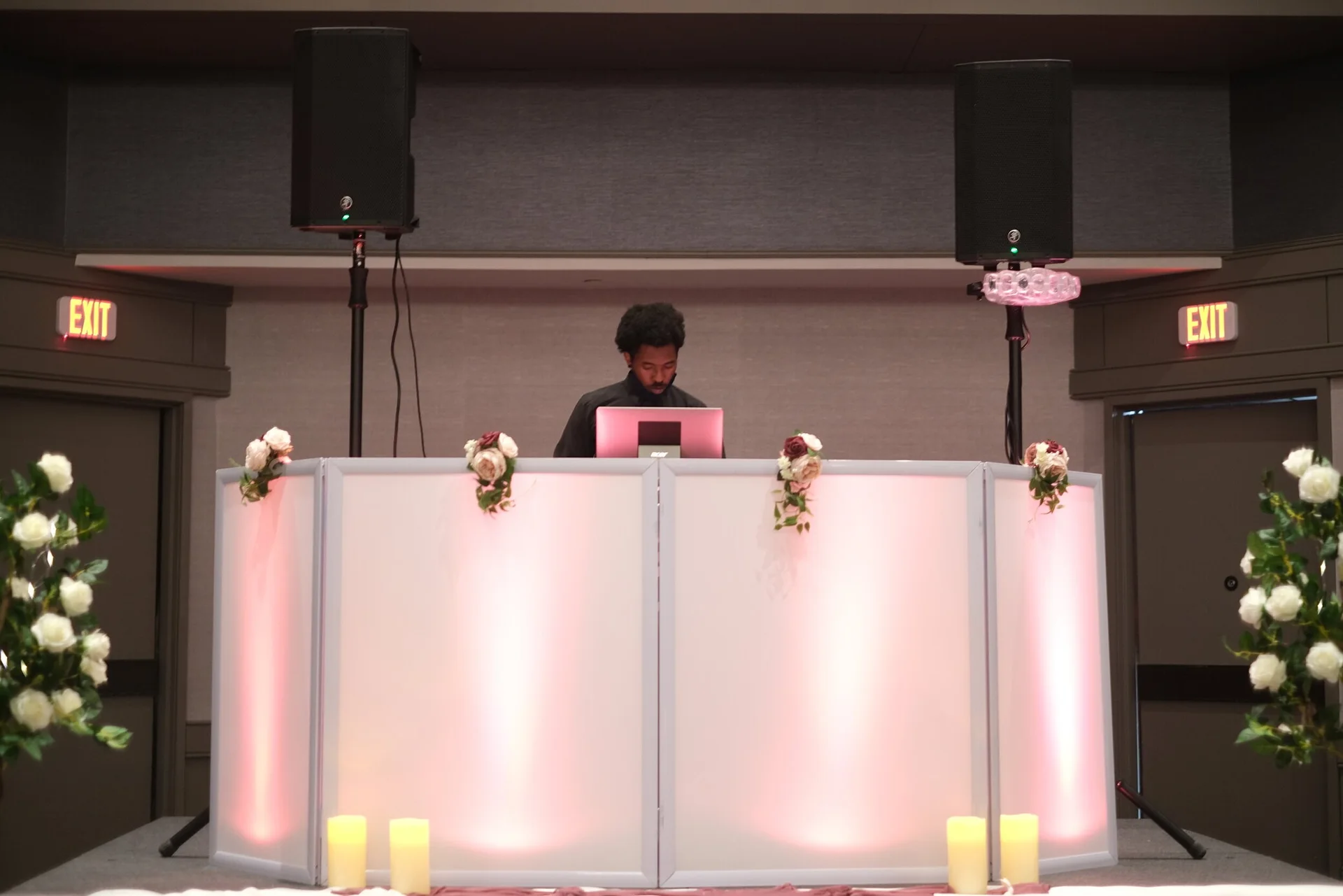
Planning your Royal Oak party
So how do you tie it all together? Start with the room. Figure out where the crowd will gather, aim your sound into that space, and set the level before anyone shows up. Give the neighbors a heads-up, plan your curfew shift, and keep an eye on that bass all night.
Whether you’re hosting near downtown Royal Oak, off Woodward, or in a quiet stretch by Normandy Oaks, the same playbook holds: full sound inside, calm street outside. Handle those basics and you get the party you wanted without a single awkward conversation the next morning.
Want the whole thing run for you so you can actually enjoy your own party? That’s what I do — dial in the sound, read the room, and keep it all in the friendly zone. Feel free to meet your DJ or check my Royal Oak event guide to see how I plan a night that thumps and keeps the peace at the same time.