Homecoming Dance Entertainment and Lighting
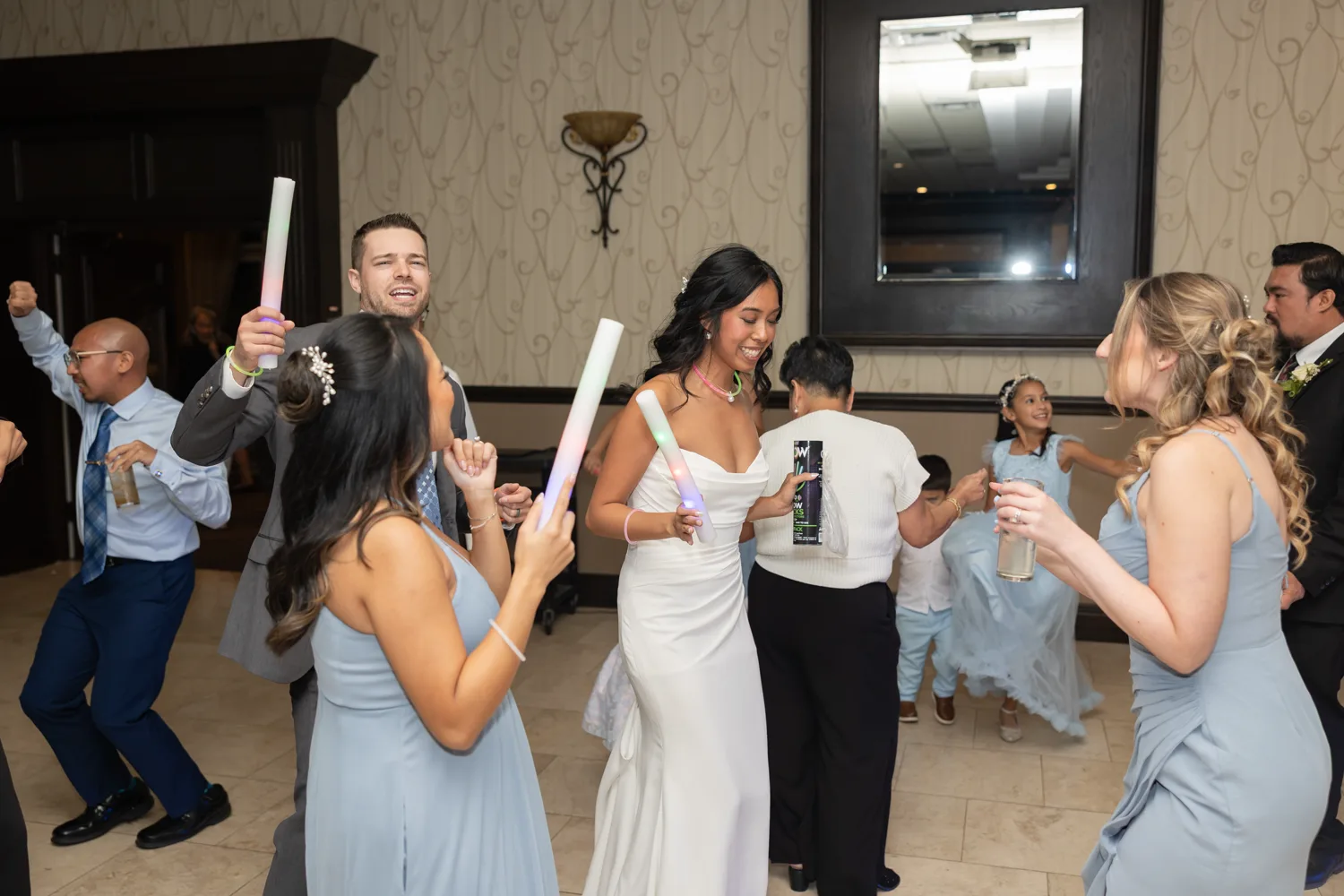
Great homecoming dance entertainment is the difference between a gym full of kids on their phones and a floor packed until the lights come up. You want students dancing, laughing, and posting videos the next morning — not standing in awkward clumps by the bleachers. The good news? You don’t need a huge budget to pull that off. You need the right DJ, smart lighting, and a plan that keeps the energy climbing all night. Here’s how to build a homecoming that kids in Clinton Township actually rave about.
In this article
What makes homecoming entertainment actually fun
Here’s the honest problem with a lot of school dances: they feel like a formal event, not a party. Bright overhead lights stay on, the music is a random shuffle, and nobody wants to be the first one dancing. So kids hang back and wait for something to happen. It usually doesn’t.
Good homecoming dance entertainment flips that on its head. It gives students a reason to move within the first ten minutes. That means the lights drop, the sound hits, and a song everybody knows comes on right away. Get those first few minutes right and the rest of the night takes care of itself.
Think of the night in three parts: arrival, peak, and last dance. Each one needs a different energy. Arrival is easy sing-alongs while kids find their friends. Peak is wall-to-wall floor-fillers. The last dance is that big, slow, everybody-hug-your-friends moment they’ll remember for years. A pro plans all three on purpose.
Why the DJ is the heart of the night
A phone plugged into a speaker can play songs. It can’t read a room. That’s the whole difference. When 300 teenagers walk in with different tastes, somebody has to feel the crowd and steer it — and a playlist on shuffle simply can’t.
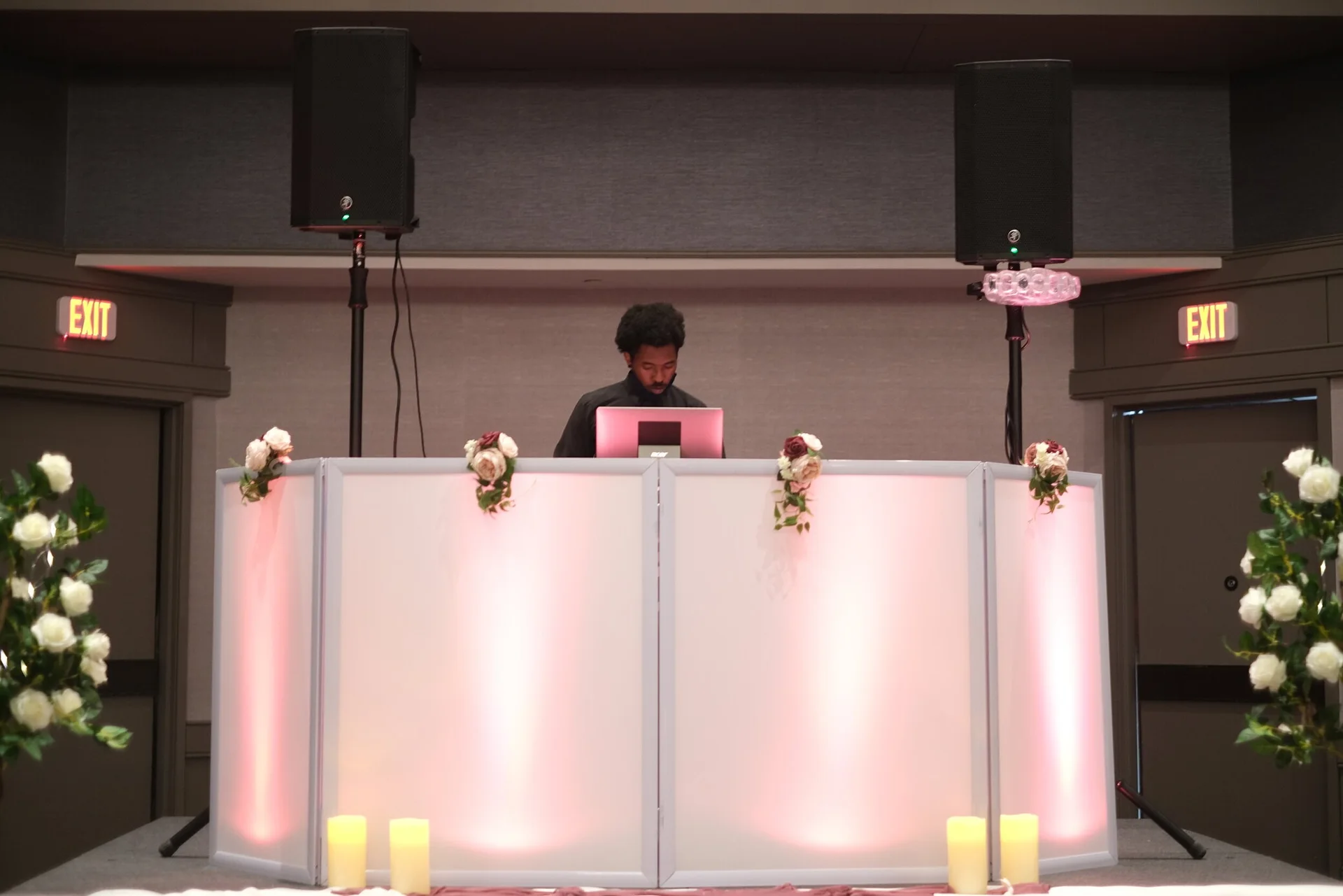
When I run a school dance, I watch the floor constantly. If a song empties it, I switch fast and nobody even notices the pivot. If a track is landing, I ride it and stack another banger right behind it. That live read is why a real DJ keeps kids dancing when an auto-playlist would have lost them ten minutes in.
The mic matters too, but with a light touch. A quick shout-out to the football team or a “let’s see the seniors up front” gets kids hyped without turning it into a talent show. I keep it short and warm. Nobody wants a host who won’t stop talking — they came to dance, so I let the music do most of the work.
Lighting that turns a gym into a scene
Let’s talk about the biggest cheap upgrade you can make: the lights. A school gym is a bright, echoey box. Leave the overheads on and it feels like a pep rally. Kill them, add color, and the same room feels like a real venue. That single change does more for the vibe than almost anything else.
Two tools do the heavy lifting. First, uplighting lines the walls in your school colors and washes the whole room in a glow. Second, a couple of moving dance lights over the floor pulse to the beat and give kids that concert feeling. If you want the full breakdown of how color changes a room, our room-lighting service page walks through it with photos.
You don’t need a fog machine and lasers everywhere to make it work. In fact, too much gear can feel like a haunted house. A clean setup — warm uplighting around the edges, a few beams on the floor, and the overheads off — hits the sweet spot. As The Knot’s lighting guide notes, well-placed color does more for a room than piles of gear. It looks amazing in photos, too, which, let’s be real, is half of why homecoming exists now.
Turn off the overhead lights and glow the walls in your school colors, and a plain gym instantly feels like a place kids want to be seen.
Building a playlist students love
Music is where school dances live or die. The trick is balance. Play only brand-new hits and you lose the kids who love throwbacks. Play only oldies and the floor clears. So I mix current chart songs with a few crowd-proof classics that every generation knows by heart.
Before the dance, I love getting a request list from the student council or the class officers. They know their crowd better than anyone. I take that list, weed out anything with rough lyrics, and build a flow around it. When kids hear a song they asked for, they lose their minds — in the best way.
Want a shortcut for finding what’s hot right now? Check the Billboard Hot 100 the week before your dance and pull a handful of the clean radio edits. Pair those with a few timeless sing-alongs and you’ve got a night that works for freshmen and seniors alike.
Key takeaway: The best homecoming nights combine three things — a live DJ who reads the room, color lighting that transforms the gym, and a playlist that blends today’s hits with crowd-proof classics. Nail those and the floor stays packed until the lights come up.
Keeping it safe and school-appropriate
Schools have rules, and honestly, they should. Nobody wants explicit lyrics blasting at a 9th-grade dance. Here’s the thing though: keeping it clean doesn’t mean keeping it boring. Almost every hit song has a radio edit that hits just as hard without the rough words.
When I DJ a homecoming, I only run clean versions, and I clear my music approach with the school ahead of time. That way there are no surprises for the teachers chaperoning — and no awkward mid-song scramble to skip a track. It also builds trust, so the staff lets me do my thing and keep the energy up.
Here’s what a lot of dance committees miss: the chaperones set the tone as much as the music does. If the adults look relaxed and are smiling, kids feel free to cut loose. A DJ who keeps things clean and upbeat makes the whole room, students and staff, comfortable at the same time. That’s the quiet secret behind a smooth night.
Timing the night so energy peaks
A homecoming usually runs two to three hours, and the energy shouldn’t be flat the whole way. It should build like a good story. Start a little softer while everyone arrives and takes photos. Then climb toward a peak in the middle, and land on a big emotional moment at the end.
My rough map looks like this. The first 30 minutes are fun, familiar songs at a friendly volume. The middle hour is the peak — back-to-back floor-fillers, the biggest lighting looks, maybe a quick group-dance moment. The last stretch cools down with a couple of sing-alongs and one final slow song that sends everybody home glowing.
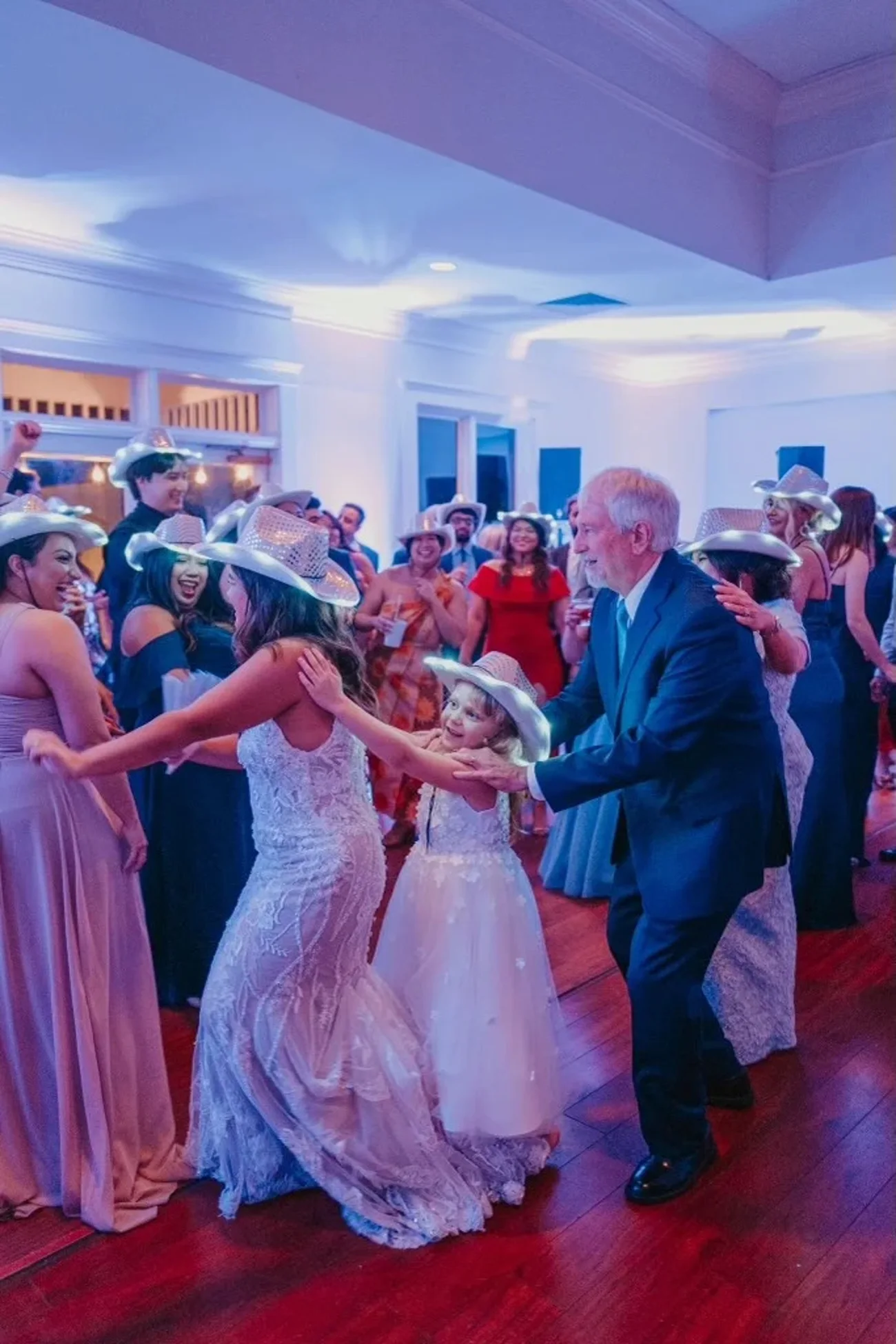
Why does the order matter so much? Because energy that only goes up eventually burns out, and energy that stays flat never catches fire. A planned arc keeps kids engaged from the first song to the last. If you’re hungry for more ways to keep a crowd moving, browse more party tips anytime.
Planning your Clinton Township homecoming
So how do you actually pull this together? Start early, because good DJs book up in the fall fast. Once you’ve locked a date, decide on your look: school colors for the uplighting, a photo spot near the entrance, and a rough vibe for the music. Share those details with your DJ and you’re most of the way there.
Whether your dance is in the school gym off Cass Avenue or a rented hall nearby in Macomb County, the same playbook works: drop the lights, glow the room, mix new hits with classics, and let a live DJ steer the energy. Keep it clean, plan the arc, and the night runs itself. Homecoming happens for the whole community, so treating it like a real event pays off.
If you want a hand making it happen, you can meet your DJ and we’ll build a plan around your school and your crowd. And if you’re also thinking about a wedding, graduation, or family party down the road, my Detroit event guide covers how I run a full night start to finish. Homecoming only comes around once a year — let’s make this one count.