Garba Raas Night: A DJ’s Gujarati Guide
A garba raas night is one of the most joyful evenings a DJ ever gets to play. Colorful chaniya cholis, spinning dandiya sticks, four generations circling the floor at once — when it’s done right, it feels electric. But here’s the thing: it only feels that way when the music, the tempo, and the timing are handled by someone who gets the tradition. As a Canton-area DJ, that’s exactly what I plan for. Let me walk you through how a great garba night actually flows.
In this article
Garba and raas: what’s the difference?
Let’s clear this up first, because the two words get blended together. Garba is the circular dance, done with clapping and graceful hand movements as everyone moves around a center point. Raas, often called dandiya raas, uses the paired sticks that click together in rhythm with a partner. Most nights weave both, which is why folks just say garba raas night.
Both come from Gujarat and are rooted in Navratri, the nine-night festival. At a wedding, a garba raas night usually happens a day or two before the ceremony — a big, warm, come-one-come-all celebration for both families. It’s less about a polished performance and more about everyone joining in.
That’s the spirit to protect. This isn’t a show people watch. It’s a floor people fill. As the Encyclopaedia Britannica entry on garba notes, the dance has always been a communal circle, and honoring that circle is the DJ’s real job all night.
The flow of the night, step by step
A garba raas night has a natural shape, and a good DJ rides it. Early on, guests arrive, grab their dandiya sticks, and warm up. So I open with familiar, mid-tempo garba tracks that invite people in without overwhelming them. Nobody wants a sprint before dinner.
As the circle fills, I move into classic raas songs and let the pairs form for dandiya. This is the heart of the evening — big, rhythmic, and social. Then, as the night peaks, the tempo climbs into fast garba and remix territory, where the floor turns into a blur of color and spinning.
Toward the end, I’ll pull it back with one or two beloved traditional numbers so the night lands on a warm, familiar note. That arc — welcome, build, peak, land — is what separates a memorable garba night from a random playlist on shuffle.
Little breaks matter along the way, too. A garba raas night is a marathon, not a sprint, and even the most energetic dancers need a breather. So between the big peaks, I’ll ease into a slightly slower, sing-along favorite that lets people catch their breath without leaving the floor. Then, once they’ve recovered, I lift the tempo right back up. Managing those valleys is just as important as the peaks — skip them and the crowd burns out early; time them well and people dance an hour longer than they planned to.
Tempo is everything: slow to fast
Here’s what a lot of couples miss: garba lives and dies by tempo. The dance literally speeds up as the night goes on, and the crowd expects it. Start too fast and you exhaust everyone by 9pm. Stay too slow and the energy never lifts. The build has to be deliberate.
So I map the night in tempo stages. Gentle to start, steady through the raas, then faster and faster as the circle catches fire. The gradual acceleration is the payoff — that moment when the dhol picks up and the whole floor spins together is the memory people talk about for years.
Mixing matters here too. A hard stop between songs breaks the trance and empties the circle. I beat-match and blend so the rhythm never drops, which keeps feet moving from one track into the next. If you want to see how I pace an entire celebration from arrival to the last song, my full breakdown of the night lays it out in order.
Key takeaway: A garba raas night is a tempo journey — open gentle, build through the raas, then accelerate into fast garba at the peak. Smooth, beat-matched transitions keep the circle intact; hard stops empty it.
The songs that pack the circle
You want the floor moving, so the song choices have to be crowd-tested, not obscure. Timeless garba favorites like “Dholida,” “Chogada,” “Nagada Sang Dhol,” and “Kamariya” get people up instantly — the second the intro hits, hands go in the air. These are the anchors of the night.
Then I layer in dandiya classics and a few well-loved Bollywood garba crossovers so the younger crowd stays locked in. Mixing eras is the trick: a traditional number the aunties adore, then a modern remix the cousins have been waiting for. Nobody sits down when the rotation respects everyone.
The key is balance and your input. You tell me your family’s must-plays and the tracks that mean something to you, and I build the backbone around those. Then I fill the gaps live, reading which songs the circle answers to. A garba floor tells you what it wants — you just have to be watching.
Regional favorites matter here as well. Families with roots in different parts of Gujarat often have their own beloved folk numbers, and playing one of those can light up a whole corner of the room that had been quietly waiting for it. So during planning I ask about the songs that carry meaning for your parents and grandparents, not just the current hits. Those older tracks are frequently the ones that get the biggest cheer of the night — and they’re the moments your elders will thank you for.
A garba floor talks to you. When the dhol drops and the circle tightens, you feel the whole room breathe together. My job is to keep that feeling going all night.
Running a safe, fun dandiya raas
Dandiya is the highlight, but it needs a little structure to stay fun. With sticks clacking and pairs rotating fast, I keep announcements clear so newcomers know the basic step and which way the circle turns. A quick, friendly heads-up keeps first-timers from feeling lost.
Space and lighting help too. A well-lit floor with room to swing keeps everyone safe, especially the kids darting through the circle. Warm uplighting in your event colors also makes the whole hall feel festive on camera without blinding anyone mid-spin. It’s a small touch that photographs beautifully.
Volume is the last piece. Loud enough to feel the dhol in your chest, but never so loud that families can’t hear each other laugh between songs. According to The Knot’s guide to Indian wedding traditions, the social side of these nights matters as much as the dancing — so I protect the conversation as carefully as the beat.
Keeping every generation on the floor
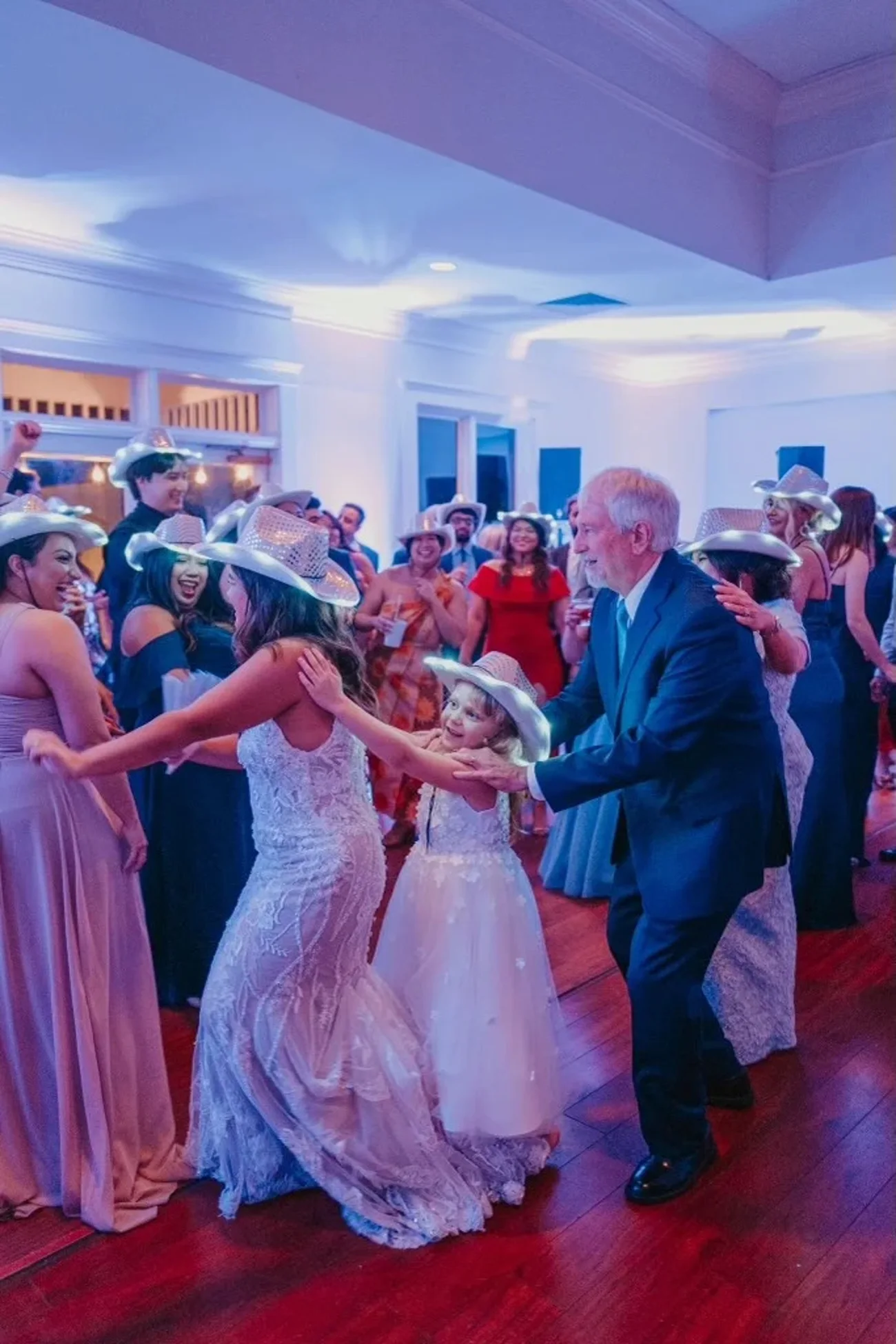
The best part of a garba raas night is that everyone dances — grandparents, parents, teens, little kids. That’s also the challenge. A song that lights up the college crowd might lose the elders, and vice versa. Bridging those groups is the whole art.
I do it by rotating deliberately: a traditional track that honors the older guests, then a remix that pulls the younger ones back in, keeping both invested. When it’s balanced right, nobody feels like the night left them out. Four generations circling together is the picture everyone came for.
I also plan around dinner and any rituals with your family and planner, so the dancing never gets cut off mid-peak by a schedule nobody warned me about. Coordination behind the scenes is what makes the night feel effortless out front. For more planning help across your whole celebration, browse more wedding tips anytime.
Why the DJ makes or breaks it
Here’s the honest truth. A garba raas night can be unforgettable or awkward, and the difference is almost always the DJ. Someone who just presses play on a playlist will lose the tempo build, cut songs at the wrong moment, and let the circle break. The energy leaks out and never comes back.
A DJ who knows the tradition does the opposite. I read the circle, I ride the tempo, I blend so the rhythm never stops, and I keep every generation moving. That’s not luck — it’s planning plus live reading, and it’s what I bring to every Canton celebration I play.
If you’re planning a garba raas night and want it handled by someone who genuinely loves these floors, let’s talk it through. See how I run your whole celebration start to finish, and get to know your DJ before you book. Good dates fill fast, so if you have one in mind, let’s check it while it’s open.