Fitting Toasts and Cake Into Reception Flow
Toasts and cake are two of the sweetest parts of a wedding — and two of the easiest ways to kill a good reception flow if you drop them in the wrong spot. Slot them badly and you watch the dance floor empty, the energy sag, and half the room drift to the bar. Place them well, and they actually lift the night. I’m Tevin, and after hundreds of Michigan receptions, I’ve learned exactly where these formalities belong. Here’s how to fit toasts and cake in without ever losing your momentum.
In this article
Why formalities stall the party
Here’s the trap. Toasts and cake feel like “breaks,” so couples treat them like breaks — and breaks are exactly what stops a party cold. Once people sit down for a speech or wander off for cake, the floor goes quiet, and getting a room dancing again is harder than getting it started the first time.
The fix is to stop thinking of these moments as pauses. In a smart reception flow, every formality either builds toward the dancing or sits inside a natural break, like dinner. You never want a formality landing in the middle of a packed floor. That’s the one rule that saves your energy every single time.
Think of your reception as a wave. It rises, peaks, and you protect that peak. Toasts and cake belong on the way up or during a natural dip — never at the top.
When to schedule the toasts
Let’s start with toasts, because timing them is the biggest win. The sweet spot is during dinner. People are already seated, they have a drink in hand, and their attention is easy to hold. You don’t have to pull anyone off a dance floor, because nobody’s dancing yet.
I like to spread them out a touch. One or two toasts as salads or plates land, then the rest between courses. That keeps the room engaged and stops five speeches from blurring into one long stretch. It also gives your speakers a natural cue instead of a nervous cold open.
What you want to avoid is toasts after dancing has started. Once that floor is hot, a speech is a bucket of cold water. The wedding pros at The Knot’s reception timeline guide agree — dinner is the natural home for speeches because the room is already still and listening.
The best time to cut the cake
Now for cake. The old tradition was to cut it near the end of the night, right before guests leave. Honestly? That’s outdated for most weddings. It signals the party’s over and sends people to the door early.
My favorite move is to cut the cake right after dinner, as a bridge into open dancing. It gathers everyone for a quick, sweet moment, then I roll straight into a floor-filler while dessert gets served. The crowd’s already up and gathered — so you turn a formality into the launchpad for the party.
If you’d rather cut it later, that’s fine too — just don’t make it the closer. Tuck it into an existing pause so it doesn’t create a fresh one. The goal is always the same: no dead stops on a hot floor.
A formality should never feel like a full stop. Slot it on the way up or inside a natural break, and it lifts the night instead of pausing it.
See the pattern? Both toasts and cake work best when they sit inside a moment the room is already still — dinner — or when they hand directly off into music. That’s the whole secret to protecting your energy.
Key takeaway: Put toasts during dinner and the cake cut right after, as a bridge into dancing. Keep both away from a packed floor. Every formality should either sit in a natural break or lead straight into music — never create a fresh pause.
A reception order that keeps energy up
So how does it all fit together? Here’s an order I trust for a smooth reception flow: grand entrance, first dance, then dinner with toasts woven between courses. After dinner, the cake cut, then straight into open dancing. Parent dances can slot in right before the floor opens, so they build the mood instead of interrupting it.
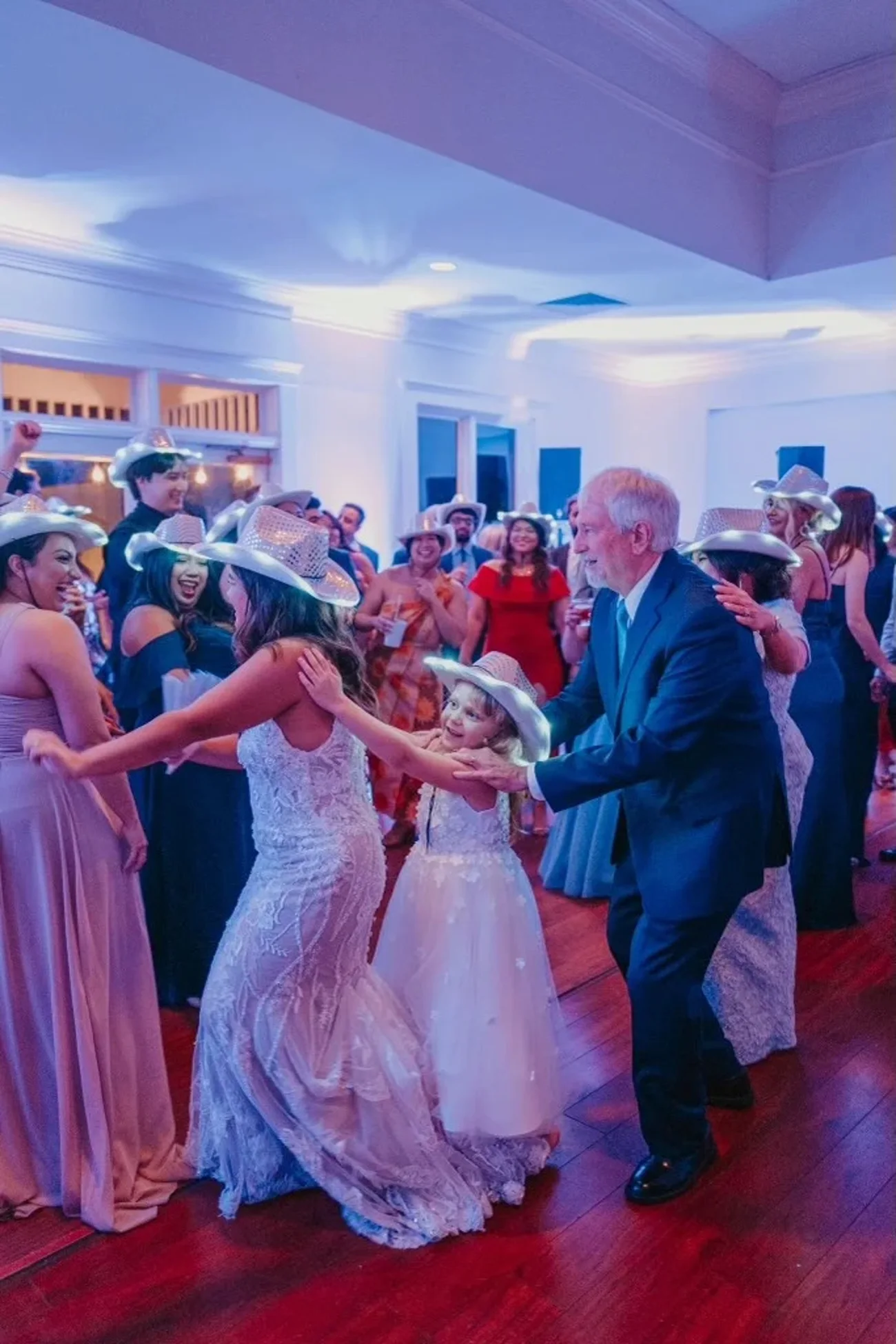
The logic is simple. Front-load the quiet, seated moments while people are eating, then clear the deck so the back half of the night is pure dancing with no interruptions. Once that floor opens, I try hard not to stop it. Here’s what a lot of couples miss when they build their timeline: I’ve seen a perfectly fun party lose thirty minutes of dancing because a bouquet toss, a garter toss, and a late cake cut all got stacked at 9 p.m. We spread those out, and the floor never emptied once.
If you want the full breakdown of how I map a night start to finish, my wedding DJ page walks through the whole timeline and how I keep it moving.
Keeping speeches from running long
Let’s talk about the thing everyone fears — the toast that never ends. A rambling speech can drain a room fast, no matter how well you timed it. So set your speakers up to win before the day even arrives.
Ask each speaker to keep it under three minutes and to practice out loud once. Give them a gentle heads-up on the order so nobody’s caught off guard. A little structure keeps toasts warm and tight instead of long and loopy.
On the day, I help too. I hand off the mic with a warm intro, keep soft music under the room during transitions, and if a speech runs long, I bring the music up gently to signal a wrap. It’s respectful, it’s smooth, and it keeps the whole thing feeling intentional. WeddingWire’s toast guide has a solid checklist for speakers if you want to share one ahead of time.
How your DJ ties it all together
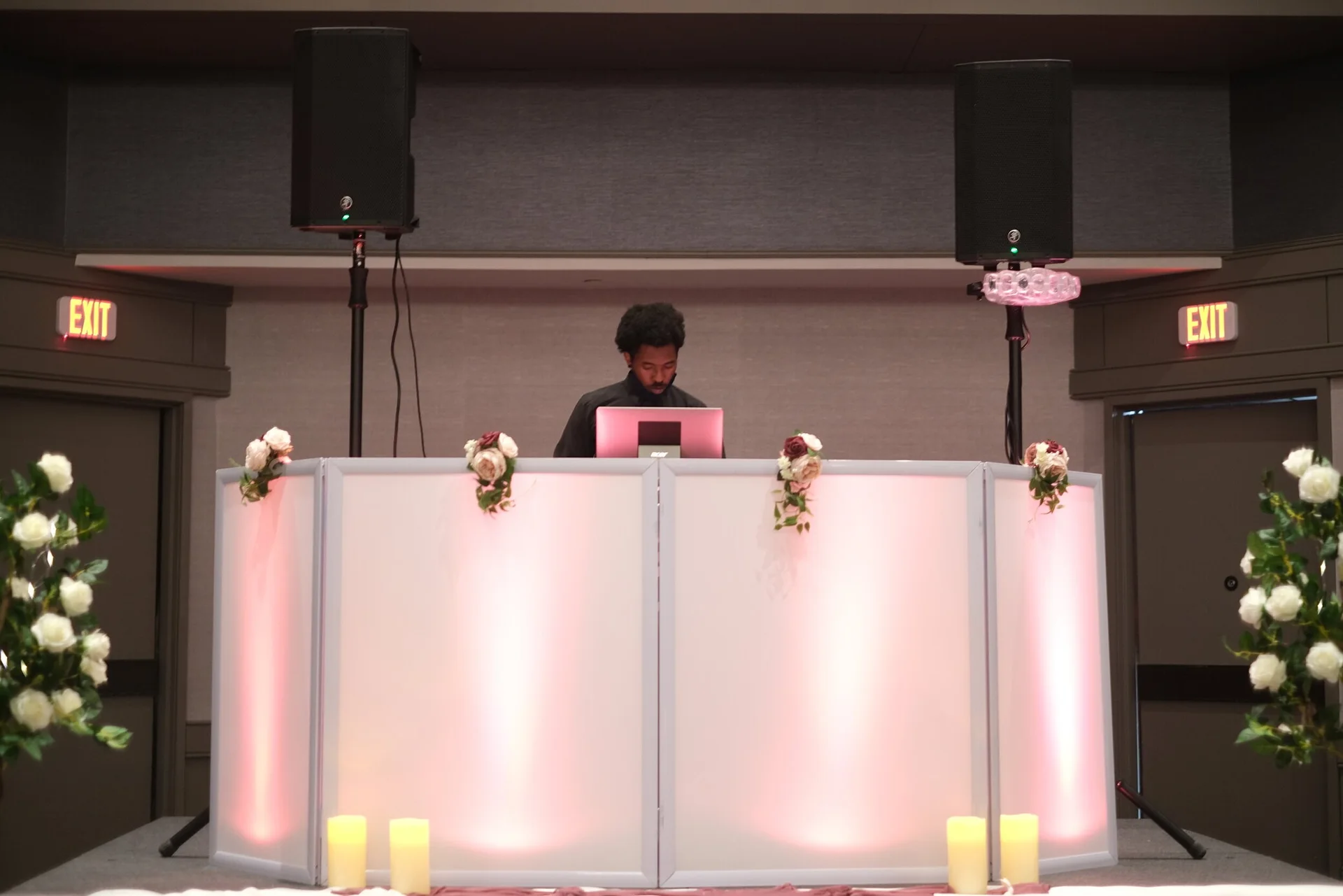
This is where a good DJ earns their keep. The formalities aren’t just events on a list — they’re transitions, and transitions are where energy is won or lost. A pro treats every handoff like a mini production.
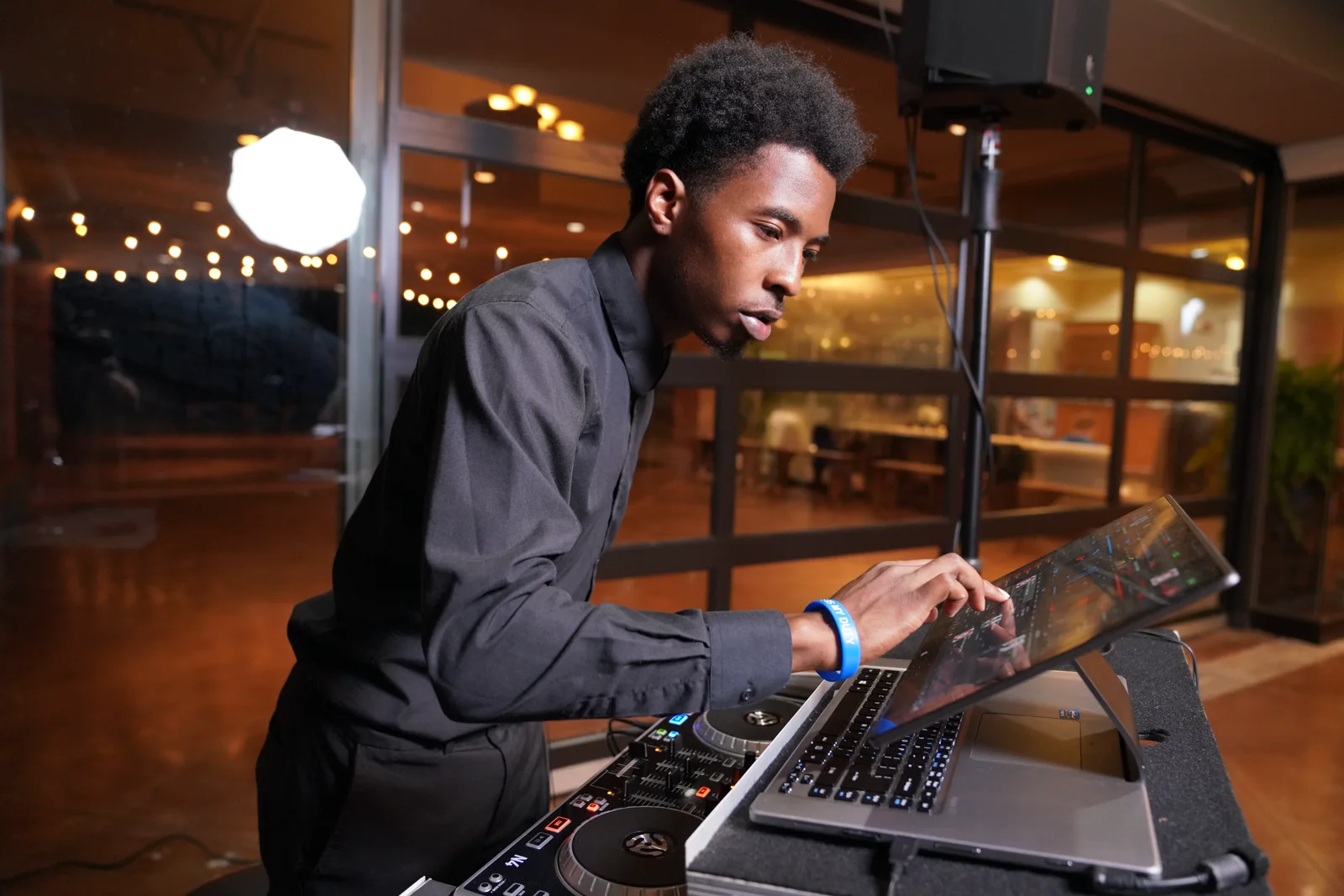
When I run a reception, I cue each moment so nothing feels abrupt. Soft, warm music under the toasts. A clean, upbeat track the second the cake is cut. A smooth build from the parent dances into open dancing. Nobody in the room notices the mechanics — they just feel a night that never drags.
I also read the room live. If dinner’s running late or the toasts wrapped early, I adjust on the fly so the flow still lands. A printed timeline is a great start, but a real reception breathes, and a live DJ can breathe with it.
Planning your Bloomfield Hills reception
Every venue shapes the flow a little differently, and Bloomfield Hills has some beautiful ones — from country-club ballrooms to elegant estate spaces off Woodward. A room with a separate dinner area versus one open hall changes exactly when I’d cue the cake or the toasts. I scope that ahead of time so your timeline fits the space, not the other way around.
My process is easy. We build your reception order together, place the toasts and cake where they protect your energy, and I handle every transition live on the day. If you’d like more planning help, browse more wedding tips anytime, or see how I run the whole night in my Bloomfield Hills wedding guide.
Bottom line: toasts and cake should add to your night, not stall it. Place them with intention and your reception stays warm from the first dance to the last song. If you’d like a hand mapping your timeline, you can meet your DJ and we’ll build a flow that keeps everyone on the floor.