
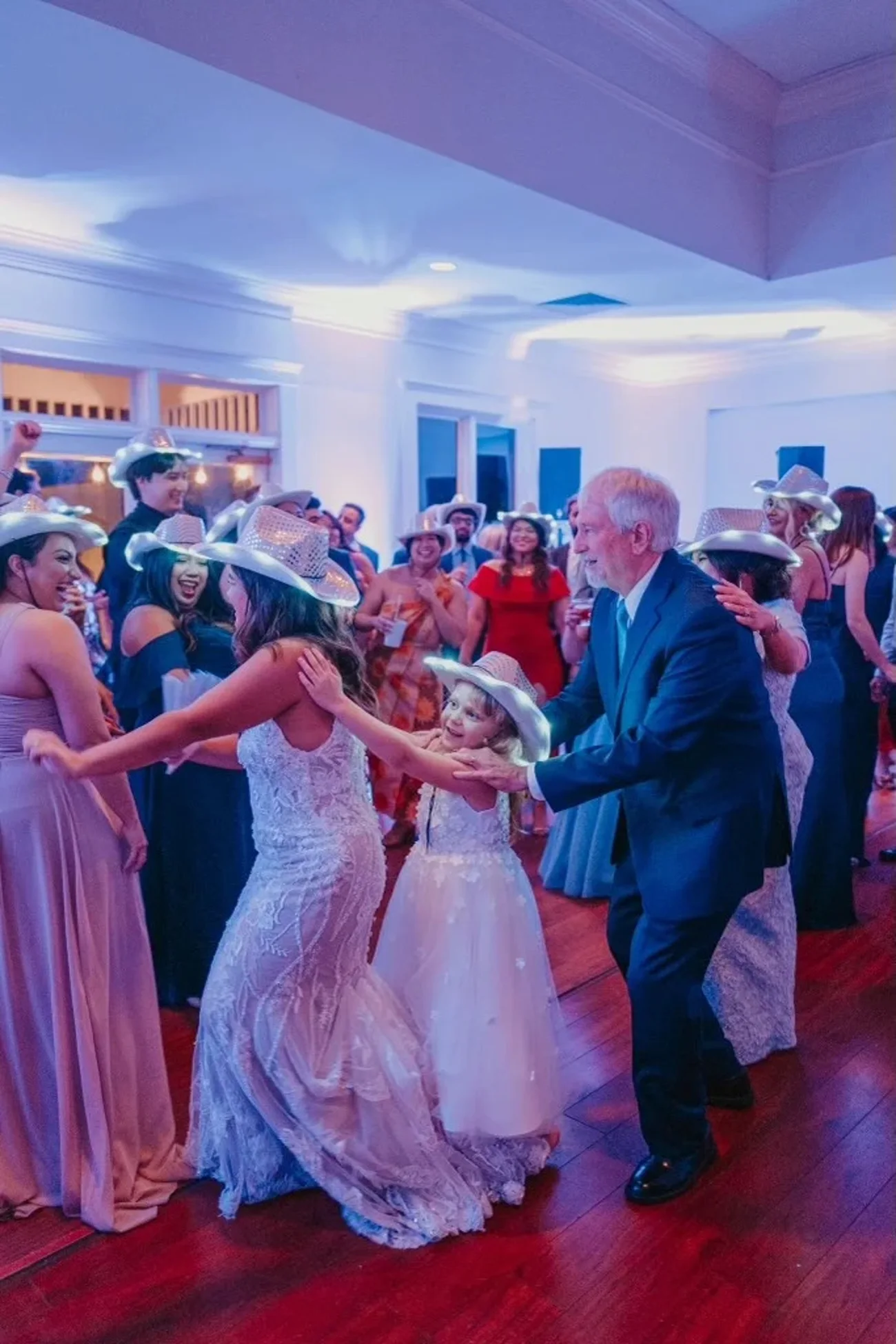
Do You Need a Generator for Your Event?
Dreaming of a barn wedding, a backyard party, or a ceremony in an open field? Then you need to ask one quiet-but-critical question: where does the power come from? A generator for DJ gear is what keeps the music, the mic, and the lights alive when there’s no outlet in sight. It sounds like a small detail, but it’s the difference between a night that flows and a night that goes silent at the worst moment. I’ve powered plenty of off-grid events around Rochester Hills, so let me answer the questions couples ask me most.
In this article
When do you actually need a generator?
Let’s answer the big one first. You need a generator any time your event happens somewhere without reliable wall power nearby. That covers more places than couples expect, so it’s worth thinking through early.
The usual suspects: open fields, large tents, remote barns, public parks, and big backyards where the nearest outlet is a long extension cord away. If your dream venue is beautiful but rustic, odds are good you’ll want a generator for DJ equipment and everything else that plugs in. Better to know now than to discover it the week of your wedding.
Here’s the flip side, so you don’t panic: most traditional venues — ballrooms, halls, hotels, established barns that host weddings — already have plenty of power. If you booked a place that runs weddings every weekend, you almost certainly don’t need to think about this. The generator question is really for the off-grid dreamers.
How much power does a DJ setup use?
People picture a DJ rig sucking down massive power, but the truth is friendlier than that. A standard setup — speakers, mixer, laptop, a couple of microphones — is surprisingly light on juice. It’s less than a hair dryer for most of the night.
Where the numbers climb is everything else at your event. Add a coffee station, warming trays for the caterer, string lights, a photo booth, and uplighting, and suddenly the whole site is asking for real power. So the honest answer is: the DJ alone barely sips, but the DJ plus the rest of the party adds up fast. That combined total is what actually decides your generator.
This is why I always ask what else is plugging in. If I’m the only thing needing power, a small quiet unit does the trick. If I’m sharing with the caterer and the lighting, we plan bigger. Getting this math right up front is the whole ballgame — and it’s exactly the kind of detail I sort out for you.
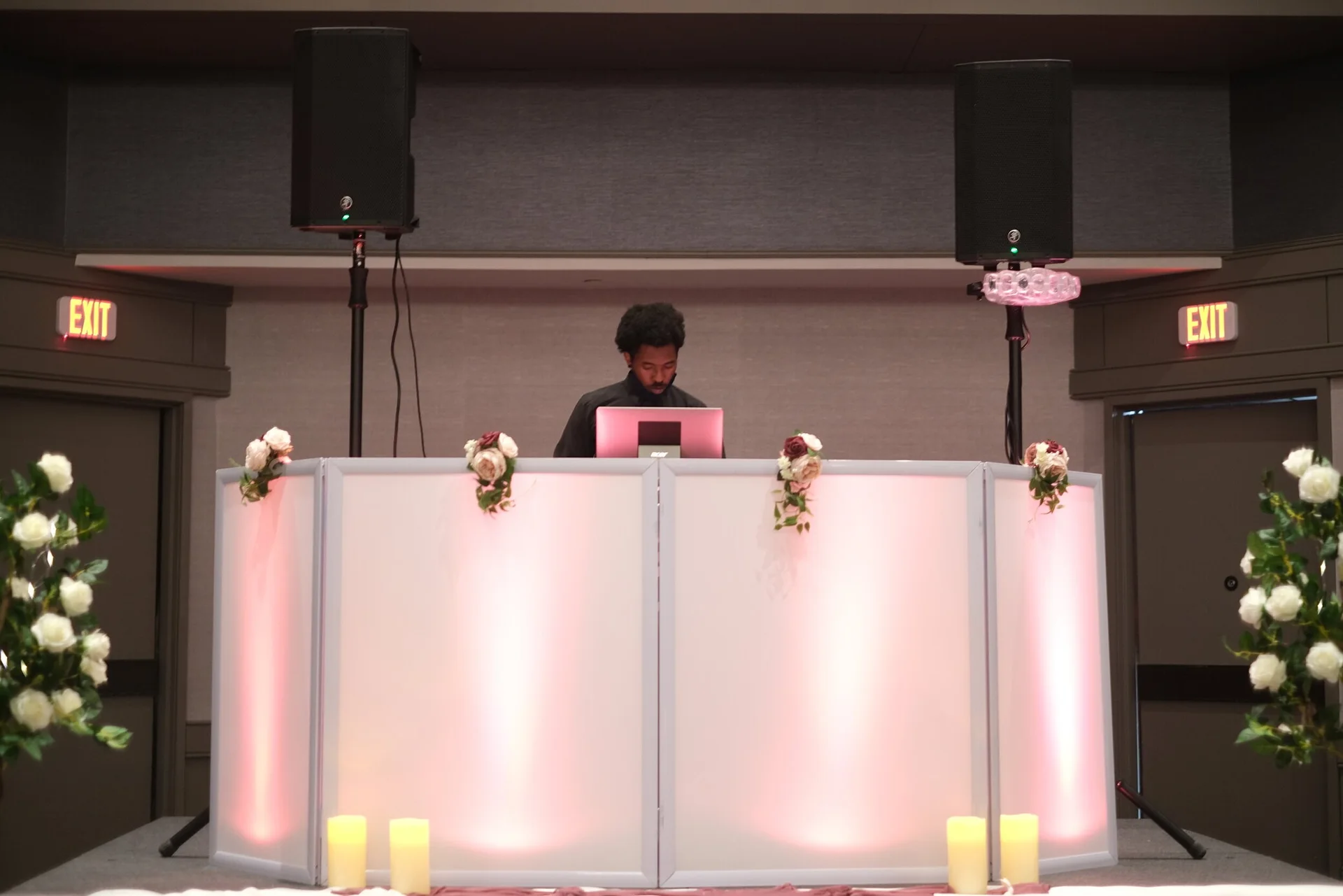
See that whole rig? It runs clean on modest power. The bigger question is always what’s sharing the circuit. Safety experts at Ready.gov stress planning your total power load before an event, not after, so nothing gets overloaded when it matters.
Doesn’t the venue have power already?
Great question, and the answer is “sometimes, but check the details.” A venue can technically have power and still not have the right power in the right spot. This trips people up constantly.
Here’s what a lot of couples miss: a barn might have a single outlet by the door, but your dance floor is 80 feet away in the middle of the space. Or a park pavilion has power, but it’s on a breaker that trips the moment the caterer fires up a warmer. Available power and usable power aren’t the same thing. So the real move is to confirm not just if there’s power, but how much and exactly where.
I always ask venues three things: how many circuits, how many amps, and where the outlets actually are. Those answers tell me instantly whether we’re fine or whether a generator saves the night. For the full rundown of how I handle sound and power at every kind of celebration, my wedding DJ service page walks through what’s included.
Available power and usable power aren’t the same thing — a single outlet 80 feet from the dance floor is the same as no power at all.
Key takeaway: You need a generator for DJ gear whenever your venue lacks reliable power right where the party happens — tents, fields, remote barns, and big backyards. The DJ alone sips power; it’s the caterer, lighting, and extras that decide the size. Always confirm how much power there is and exactly where.
What size generator is right?
Bigger isn’t automatically better here, so let’s right-size it. The goal is a unit that comfortably covers your total load with a little headroom, without being an oversized, roaring monster you didn’t need.
For a DJ setup alone, a small portable inverter generator is plenty and stays whisper-quiet. Once you add lighting, a photo booth, and catering equipment, you step up to a mid-size unit or sometimes two smaller ones spread across the site. The trick is adding up everything that plugs in, then choosing a generator rated a bit above that number so it never strains.
Why the headroom? Because a generator run at its absolute limit gets loud, hot, and unreliable — exactly what you don’t want during your first dance. A little breathing room keeps it quiet and steady all night. This is genuinely worth getting right, so lean on whoever’s coordinating your vendors to nail the total.
Won’t a generator be loud and smelly?
This is the fear I hear most, and I get it — nobody wants a lawnmower growling through their vows. The good news: modern inverter generators are dramatically quieter than the old jobsite units you’re picturing.
A quality inverter generator hums at about the level of a normal conversation, and placed 40 or 50 feet away behind a barn or a hedge, guests simply won’t hear it over the music. Distance and placement do most of the work. So the horror-movie image of a roaring engine is really just an old, cheap generator problem, not a modern one.
Fumes matter too, and here’s the serious part: generators must always run outdoors, well away from tents and people, never enclosed. Carbon monoxide is no joke. The CDC’s carbon monoxide guidance is clear that generators belong outside in open air, a safe distance from where anyone gathers. A pro knows this cold and places the unit correctly, so it’s both quiet and completely safe.
Fuel is the last piece people forget. A generator running a full reception needs enough gas to last the whole night, plus a little extra for setup and teardown. Nothing kills a party faster than an engine sputtering out during the last dance because it ran dry. So part of a good power plan is simply making sure someone is watching the fuel and has a topped-up can nearby. It’s not glamorous, but it’s the kind of small detail that separates a night that flows from one that stalls.
Who provides and runs it?
So whose job is the generator, anyway? The answer depends on your event, and it’s worth sorting early so nobody assumes someone else has it covered.
For a big off-grid wedding, the generator is often rented separately — sometimes through your tent or event-rental company, since they’re already powering the whole site. For smaller parties where the DJ is the main draw on power, I can often bring a quiet unit that covers my gear myself. The key is deciding this in advance, not the day of.
My rule: never leave power to chance or assume it’ll “probably be fine.” A five-minute conversation about outlets and load prevents the one disaster no one can fix live — a silent dance floor. If you want a hand thinking it through, you can meet your DJ and we’ll map out exactly what your site needs long before the big day.
Planning power for your Rochester Hills event
So how do you tie this together for your own day? Start by being honest about your venue. If you’re marrying in an open field, a tent, or a rustic barn around Rochester Hills, put “power” on your checklist right next to catering and rentals. It deserves that spot.
Then get your numbers early. Ask the venue about circuits, amps, and outlet locations, and make a quick list of everything that plugs in. That single list answers the whole generator question in one shot. Outdoor-wedding pros at The Knot’s outdoor planning guide put power near the top of their off-grid checklist for exactly this reason — it’s easy to forget and impossible to fake on the day.
At the end of it, a generator isn’t the glamorous part of your wedding, but it’s the quiet hero that keeps every other part alive. Plan it early, size it right, and place it safely, and you’ll never think about it again — which is exactly the point. If you’re celebrating close by, our Rochester Hills wedding guide covers the whole day start to finish. And for more practical tips before your event, browse more planning advice anytime, and when you’re ready to talk through your site, I’m just a message away. Let’s make sure your music never misses a beat.